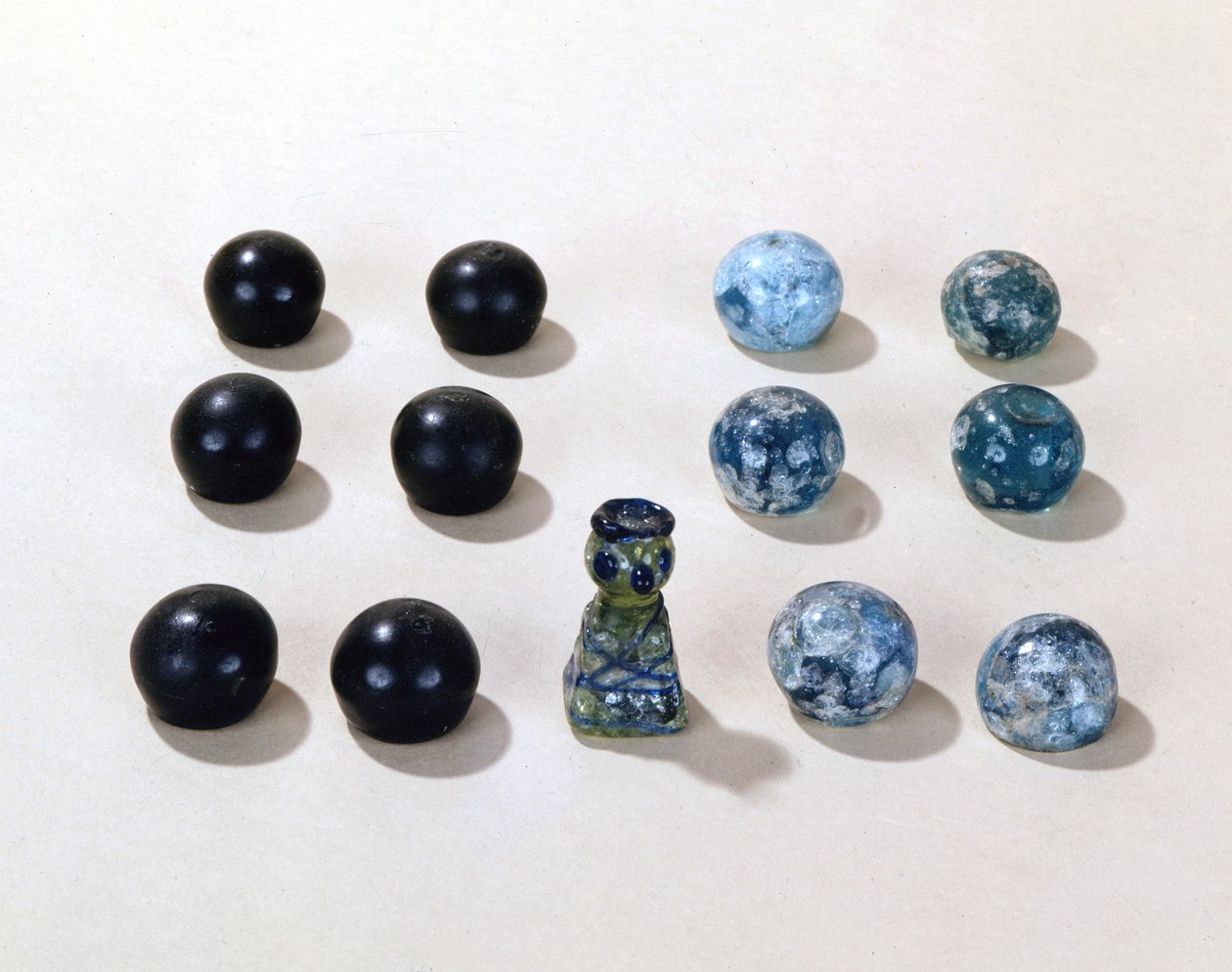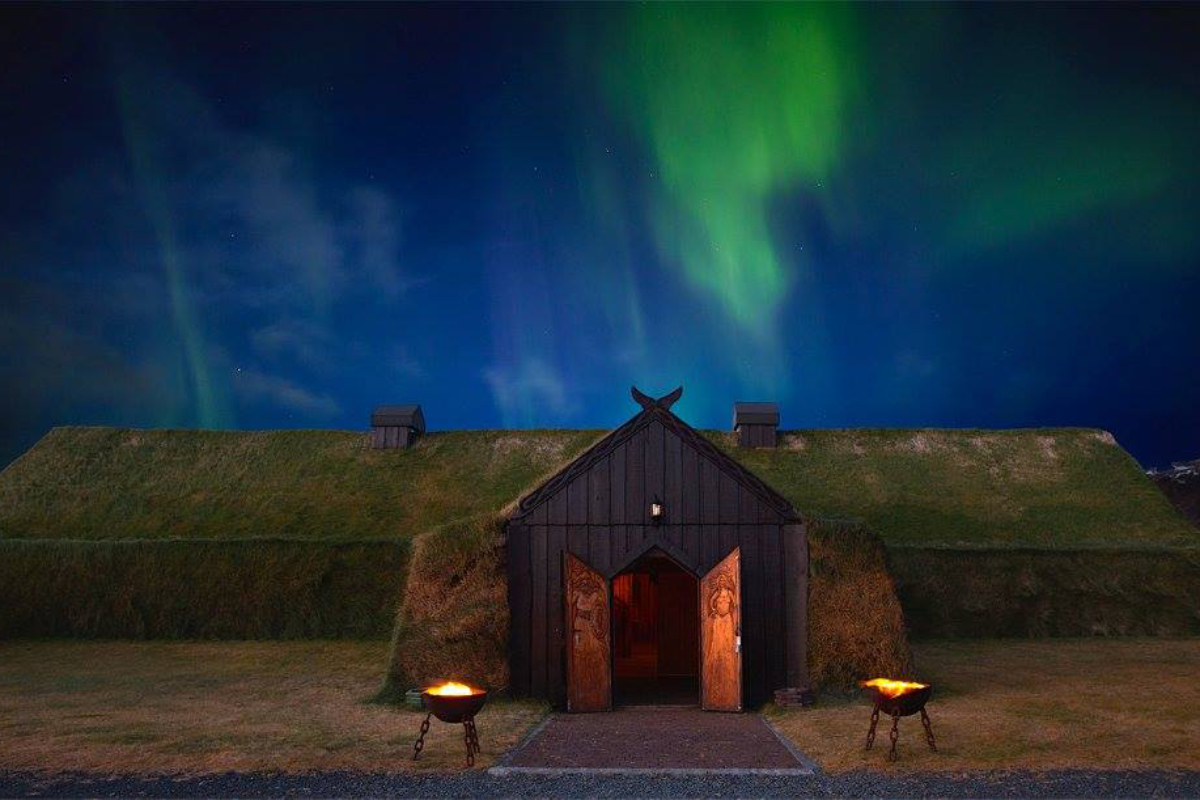


The Birka Historical Tattoo Fest takes place every year at the ancient Norse site of Birka in Sweden.
Dedicated to the art of tattooing, the event also gives visitors the chance to celebrate history and be part of a unique international community.
Below, Żaneta Reliszko, co-founder of the festival, speaks to The Viking Herald about the popularity of Viking tattoos, the historical eras that inspire the festival, and the importance of cultural identity.
History as artistic inspiration
As Żaneta informs The Viking Herald, both the historical tattoo movement and the festival focus on a range of different periods.
"Historical tattooing is a form of tattoo art inspired by patterns, symbols, and methods from ancient cultures and eras," Żaneta tells us.
"Viking tattoos belong to a broader category of historical tattoos, which differ from modern tattoos in many ways – from their function and style to the techniques used in their creation."
"While many modern tattoo artists use tattoo machines, most of the artists at our convention use traditional methods to bring us closer to the original experience," Żaneta explains.
"These include methods such as hand poke tattoos, hand tapping, tattoos cut by flint, and sewn tattoos. I believe that using these historic techniques helps connect the tattoo more closely to its ancestral roots."
"The tattoos themselves serve as a way of honoring and preserving cultural or ethnic identity."
"Historical tattoos aim to reconstruct ancient designs and symbols, either by faithfully replicating them or by drawing inspiration from motifs likely worn by people in the past – such as Vikings, Scythians, Celts, or indigenous tribes."
As Żaneta points out, Viking tattoos are particularly popular among visitors to the festival.
"Viking-style tattoos often carry powerful meanings – runes, mythological symbols, animals, or knotwork – each with its own layered significance. These aren't just decorations. For many, they are marks of identity, belief, or transformation, much like tattoos may have been used in the Viking Age."
"There's also a strong appeal in the idea of living with purpose, of walking with both feet planted in history while still moving forward," Żaneta continues.
"Viking culture, in this sense, offers a kind of timeless inspiration: it's raw, honest, and human. It celebrates craftsmanship, community, and personal honor – values that still matter deeply today."

Whether Vikings actually wore tattoos remains uncertain, but written sources and cultural parallels have kept the question open. Photo: Ruben Terlouw (Woedans)
An ongoing debate
Despite their undoubted attraction, there is still some debate about whether Norse tattoos were actually used in the Viking Age.
"The 10th-century account by Arab traveler Ahmad ibn Fadlan is one of the most frequently cited sources suggesting Vikings had tattoos," Żaneta informs The Viking Herald.
"An Arab diplomat and scholar, Ibn Fadlan traveled along the Volga River in 921 CE and described the Rus with tattooed bodies."
"There are also cultural connections," Żaneta adds. "The Vikings interacted with Celtic and Slavic peoples, many of whom had tattoo traditions, and it is possible the Vikings adopted or shared similar practices."
"It is true that material evidence is lacking, but there is good reason for this."
"No Viking remains with preserved tattoos have been found, but this is largely due to the decomposition of skin and burial conditions in Scandinavia, which do not favor mummification or skin preservation – unlike Siberian or Egyptian contexts, where tattooed mummies have been discovered."
"Żaneta does admit, however, that our perception of Vikings as being covered in tattoos is in part a newer phenomenon. It comes from modern reconstructions and pop culture," Żaneta acknowledges.
"The image of tattooed Vikings has been strongly popularized by TV series like Vikings, video games, and mass media, reinforcing this visual stereotype."
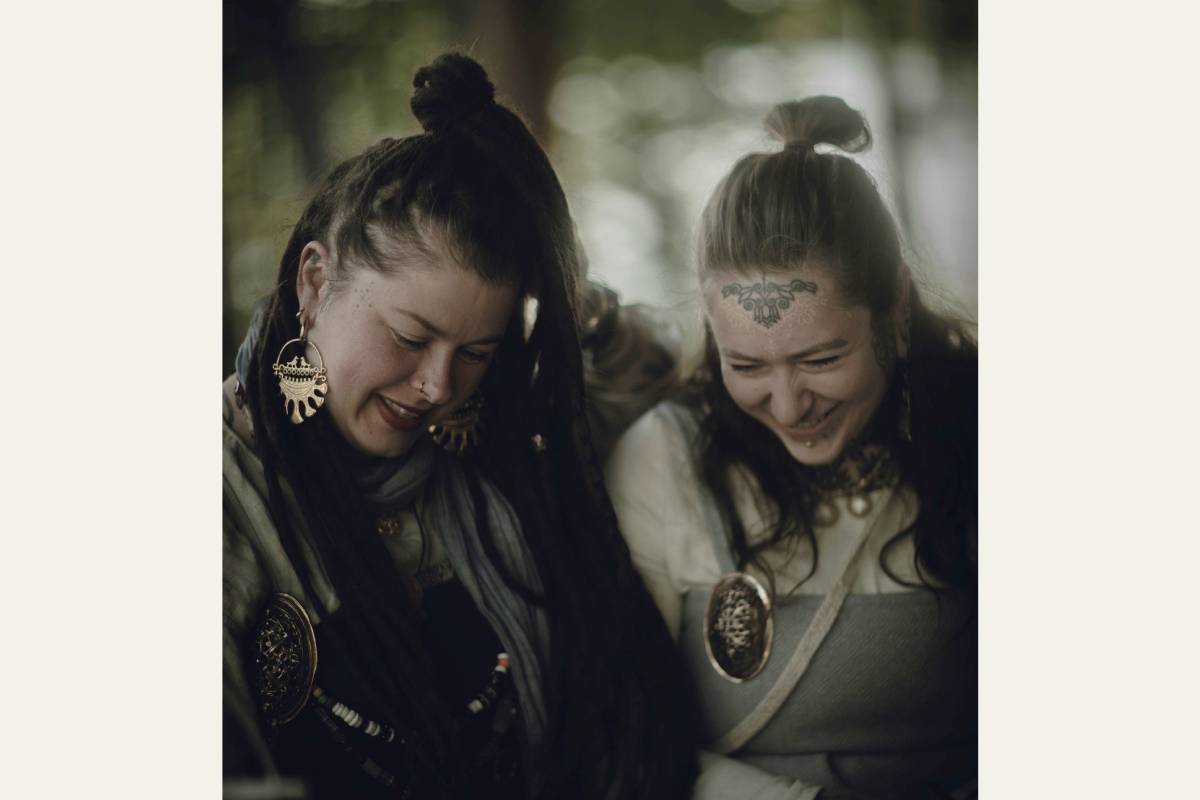
The festival features tattoo artists who combine research, craftsmanship, and personal style shaped by years of historical study. Photo: Wolvenwind
Sharing a personal passion
A talented tattoo artist in her own right, Żaneta’s imagination is fired by a wide range of cultures and art forms, and you can find her on social media as Historicaltattoo.
"In my own work, I gladly draw on Viking and Baltic jewelry, woodwork, bone carvings, sculptures, textiles, runestones, architecture, metalwork, and ceramics, and even tattoos discovered on mummified bodies – such as those found on Ötzi or the Siberian Pazyryk mummies."
"Archeological sites that were rich trading centers, like Birka and its sister cities such as Hedeby, are endless sources of artistic and craft inspiration from the Viking Age," Żaneta continues.
"I also rely on my few favorite museums, such as those in Gotland, Stockholm, Copenhagen, and Vilnius, other archeological finds from Scandinavian and Baltic territory, unique sites or cemeteries, and historical sources."
Żaneta founded the Birka Historical Tattoo Fest in 2022, together with Veronica Björkman of the Birka Vikingastaden (Birka Viking Museum).
The festival takes place at the start of summer on the island of Björkö in Sweden – the former site of the Birka Viking trading post – and brings together some of the most well-known and inspired historical tattoo artists in the world.
"All the unique artists you can meet at our festival are individuals who have developed their own ornamental languages, conduct independent historical and archeological research, practice experimental archeology, and travel the world to learn from masters," Żaneta tells The Viking Herald.
"Many of them also give lectures in museums, write books, and publish both historical and academic articles."
- READ MORE: In the spotlight – Birka Viking Museum
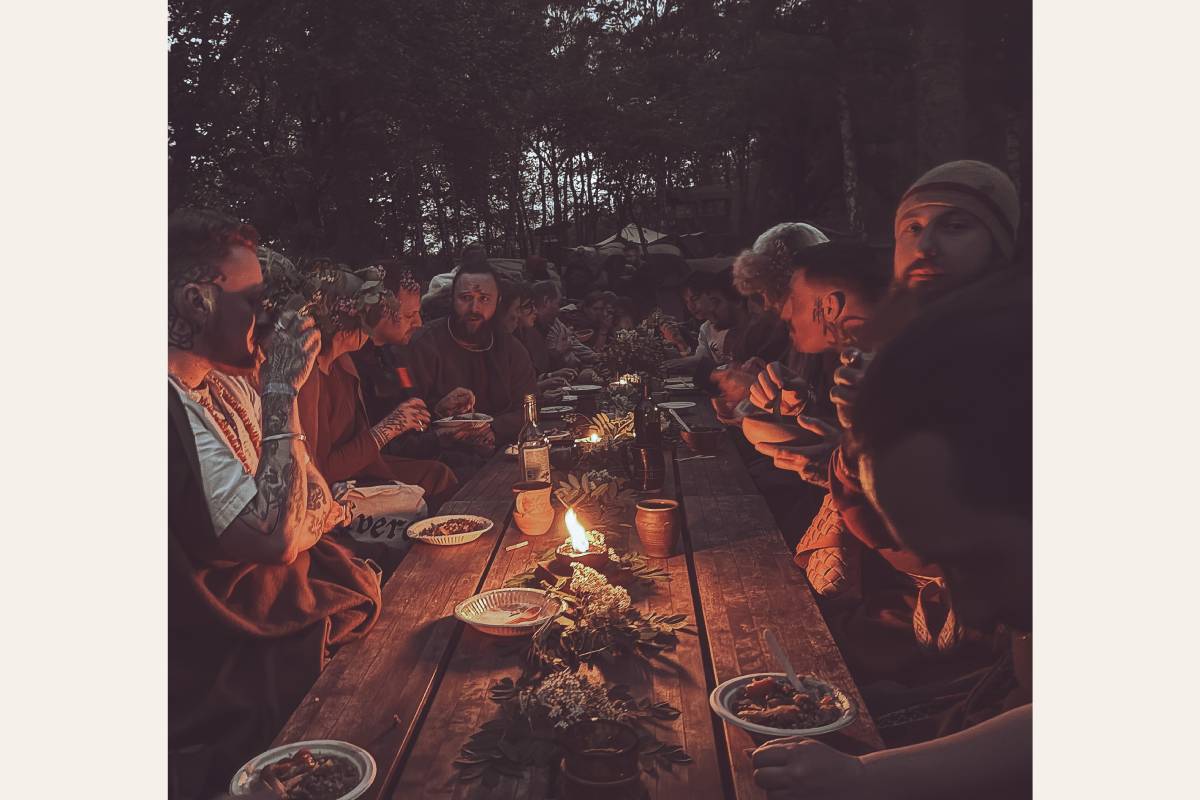
The third edition of the festival gathered tattoo artists and historical crafters from across 25 countries. Photo: Jenny Wande / Nordlys Viking
The 2025 extravaganza
The 2025 Birka Historical Tattoo Fest, held from May 29 to June 1, marked the third edition of the event and expanded on the success of last year's edition.
"It brought together nearly 40 tattoo artists and craftsmen from around 25 countries – from Scandinavia to as far as New Zealand and Borneo," Żaneta tells us.
"The event also welcomed many curious visitors from Australia and Hawaii – including tattooers and history enthusiasts – who came to experience the truly unique atmosphere of the island."
"Participants had the chance to take part in hands-on workshops, lectures, and demonstrations led by world-class masters. Among them was none other than Colin Dale, a pioneer of historical tattooing for nearly three decades."
"His presence at our festival is incredibly important and serves as a constant reminder to respect both our roots and the artists who came before us – without whom this entire movement wouldn't exist for the younger generation."
"One of the most memorable parts of the festival was the intimate dark folk concerts, performed – as always unplugged – by our beloved bands: Daj Ognia, Folket Bortafor Nordavinden, and Vévaki all played on traditional instruments, staying true to the spirit of our ancestors."
"Our Viking village was once again full of life, just as it would have been over a thousand years ago – with a functioning textile dye workshop, forge, kitchen, and a bustling market filled with replicas of historical artifacts from Birka, all culminating in the mystical Night Blot ritual."
"Across Lake Mälaren, the reconstructed Viking ship Aifur, manned by the Jarmeryk's fleet mercenaries, sailed majestically – especially breathtaking at sunset."
"However, Birka Historical Tattoo Fest is more than just an event – every year it's a space for knowledge-sharing, connection, and common growth," Żaneta points out.
"Since its first edition, the festival has inspired the creation of many similar gatherings around the world, all rooted in the same mission by tattooers from our circle who also attend our festival and were created to honor our oldest masters, our history, and our cultural identity."
"And that's what truly makes our community so special – tattoo artists, their partners, musicians, crafters, friends, and families – all connected by shared passion, mutual respect, and heart."
"A real family, walking together, with both feet firmly planted on ancestral ground."
"The festival also had its share of fun and spontaneity – with contests for the best tattoo, most creative tattoo booth, best historical camp, and even a competition for the world's best Viking butt!"
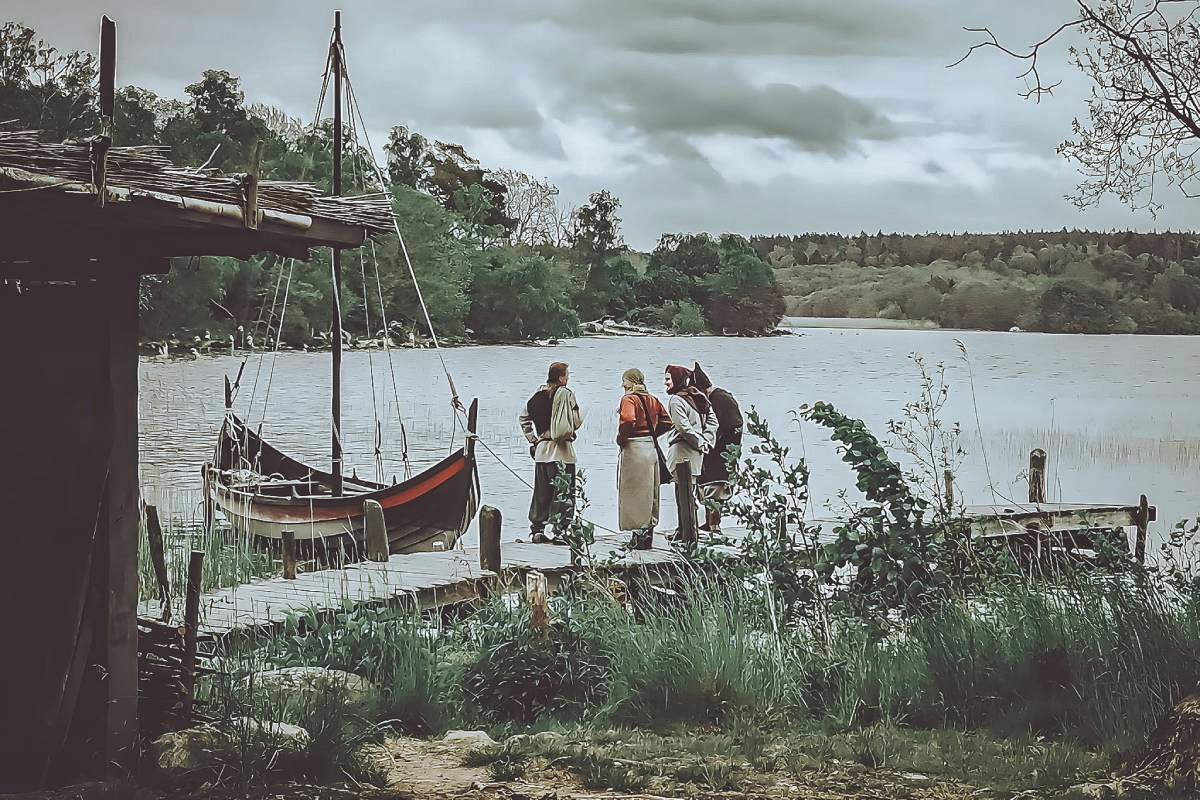
The event draws visitors who view Viking culture as a source of identity, strength, and connection across borders. Photo: Jenny Wande / Nordlys Viking
International affinity
Żaneta also believes that the international flavor of the festival reflects the spirit of the past. "Vikings were pioneers of globalization long before modern times," she explains.
"They traveled thousands of kilometers in an era when most people stayed local. Their curiosity and mobility continue to inspire us today. Although often associated with raids, many Vikings were traders and explorers. Their living history is celebrated worldwide through reenactment groups, especially in Scandinavia."
"Viking culture resonates with people on many levels – both personal and universal," Żaneta adds.
"For some, it's about reconnecting with ancestral roots or honoring a heritage that has long been forgotten or overlooked. For others, it's the symbolism: strength, resilience, courage, exploration, and a deep connection with nature and the spiritual world."
"Events like Birka Historical Tattoo Fest showcase Viking life and offer the chance to get a tattoo inspired by historical designs. Today's travelers and modern Vikings are often reenactors, craftsmen, musicians, and historical tattoo artists who keep this spirit alive every summer – including myself!"
Żaneta believes that the festival and the shared passion for historical tattoos are a powerful force.
"In a world that often feels fast, disconnected, or overly digital, people are drawn to something real and grounded, something they can carry on their skin – a symbolic anchor," Żaneta reasons.
"Whether it's through tattooing, reenactment, or historical research, Viking culture gives people a way to feel part of something bigger, older, and meaningful."
"And of course – tattoos, especially in this style, are a form of storytelling. They connect us not only to the past but also to each other – through shared symbols, shared values, and shared journeys."
We get to provide readers with original coverage thanks to our loyal supporters. Do you enjoy our work? You can become a PATRON here or via our Patreon page. You'll get access to exclusive content and early access.
Feel free to reach out to discuss potential stories that may be in the public interest. You can reach us via email at [email protected] with the understanding that the information you provide might be used in our reporting and stories.