

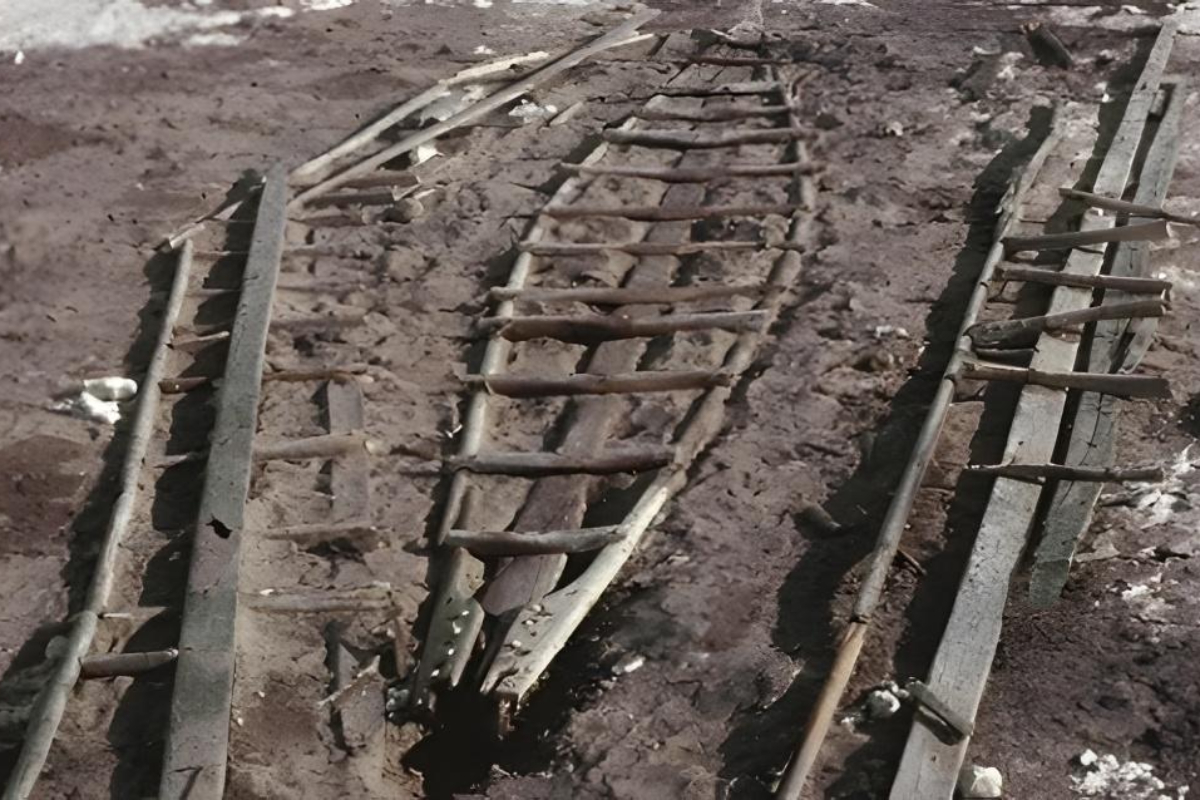
A senior researcher for the National Museum of Denmark has sounded the alarm over a number of archeological sites threatened by climate change. In particular, the early Norse colonies in Greenland are thought to be in immediate danger.
The Viking Herald speaks to Jørgen Hollesen about why climate change is such an issue for archeology, and what can be done to help preserve our heritage.
Trouble in the Arctic
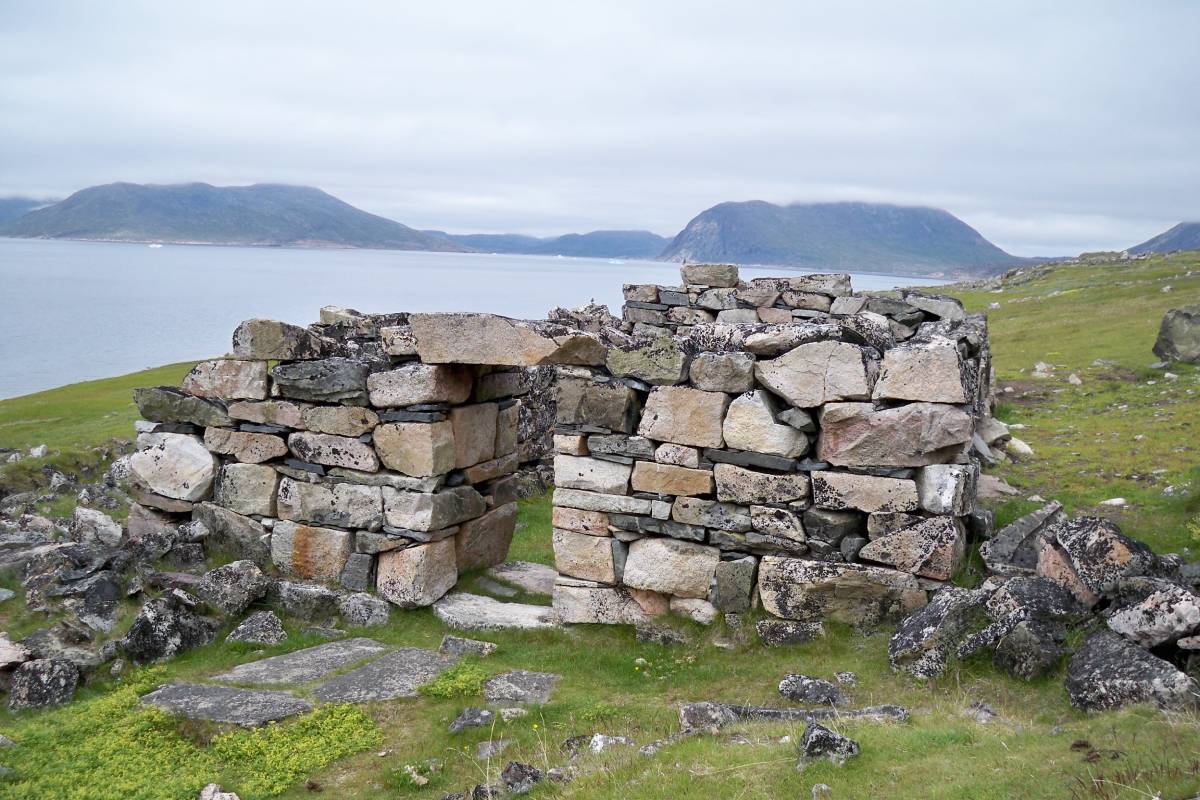
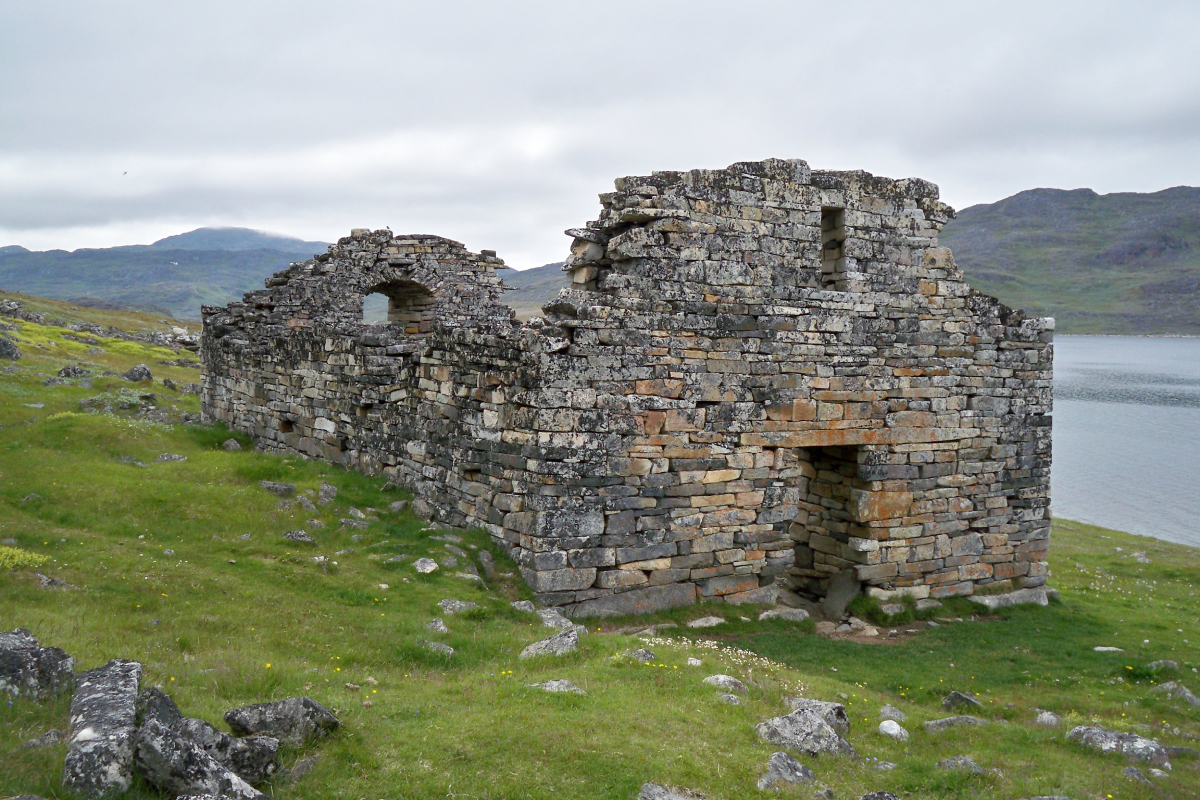
Greenland was home to a Norse colony that lasted some 450 years.
There remain, however, many unanswered questions about both the activities of the first Scandinavian arrivals, who came to the island in approximately 1000 CE, and the true fate of the final Norse colonists, who are believed to have died out in around 1450 CE.
With very few historical records available, archeology is crucial to our understanding of their story.
Jørgen Hollesen has been studying the impact of climate change on archeological research for more than 15 years.
"We have had several large projects in different parts of Greenland," he informs The Viking Herald. "We are losing irreplaceable human and environmental records of the past."
Unfortunately, the impact of climate change is particularly acute in Arctic areas, where areas that were largely frozen for many centuries have begun to see dramatic changes.
"Thawing permafrost, coastal erosion due to sea level rise, flooding, and droughts are some of the main issues," Jørgen explains.
"In the southern parts of Greenland, we see extensive damage, and almost all organic materials have been lost at the Norse sites located in the inner fjord."
"We have also seen that the 'bad' preservation conditions are moving further north. We expect the majority of sites in south and west Greenland will be affected within this century."
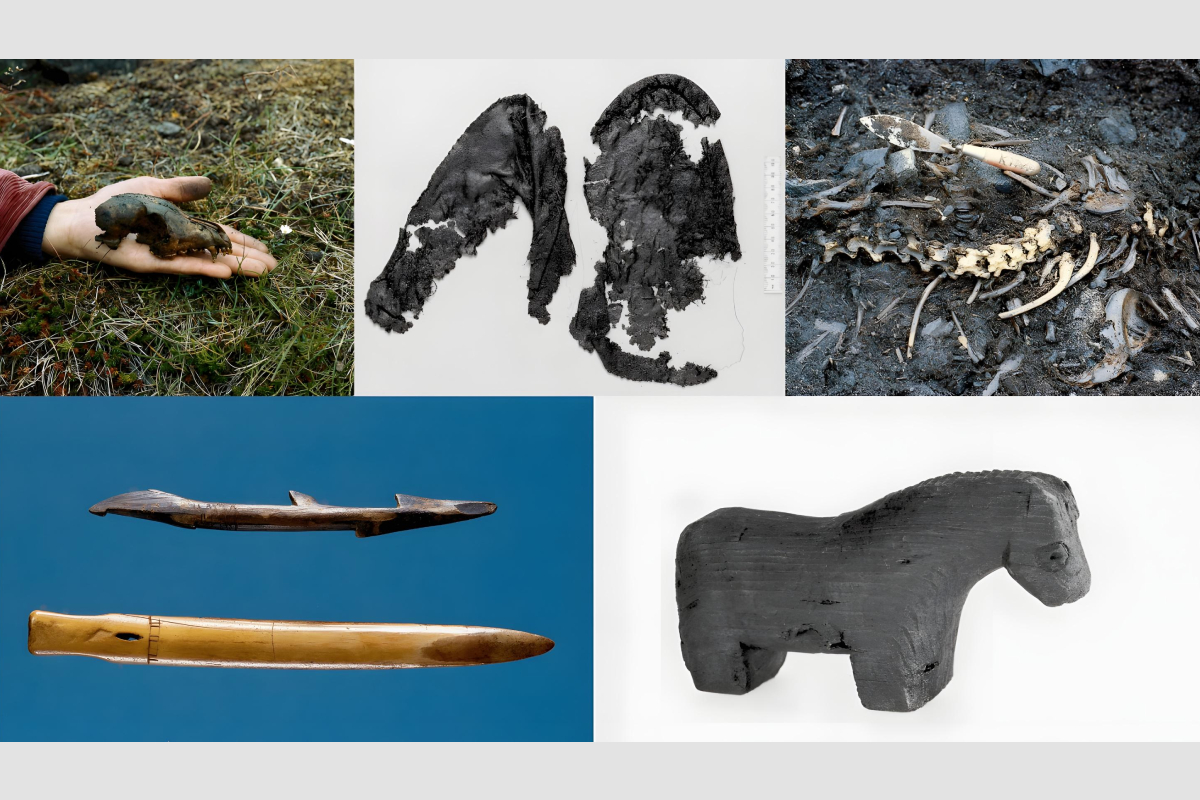
Midden finds from Greenland include a Norse toy horse, Thule hunting tools, and Saqqaq clothing and bones. Source: National Museum of Denmark
Worrying deterioration
The quality of archeological finds is often higher in Arctic regions, where the colder climate means materials such as textiles, wooden objects, and even the remains of people are more likely to have survived for extended periods.
Now, the concern is that this advantage will soon be lost. "Our research suggests the Norse sites will suffer the most," Jørgen admits. "This is because they are located in the inner fjords, away from the cold outer coast."
"Here, summer temperatures are high, and with longer drought periods during the summer period, we have a dangerous cocktail that will accelerate microbial degradation."
Yet, as Jørgen points out, climate change will impact research into other cultures that have inhabited Greenland.
Archeologists have carried out extensive studies into the activities of early Paleo-Inuit peoples in Greenland, who are believed to have first inhabited the island approximately 4,500 years ago.
There is also a detailed analysis of the past of the Thule people, who arrived in approximately 1200 CE and still reside in Greenland today.
Just like the Vikings, each of these cultures has left "middens"—accumulated trash heaps that often provide incredible insights into the habits and customs of the people who left them, but which are now at risk.
"Arctic archaeology has provided researchers with unique opportunities to learn about past environments and cultures," Jørgen explains. "Many of these studies connect directly to modern Indigenous cultures."
"Arctic archeological sites frequently provide concrete connections to cultural heritage. It is an ideal medium through which to engage younger generations with local heritage and culture."
"It would be a great shame if future generations do not have the opportunity to learn from the past as we have."
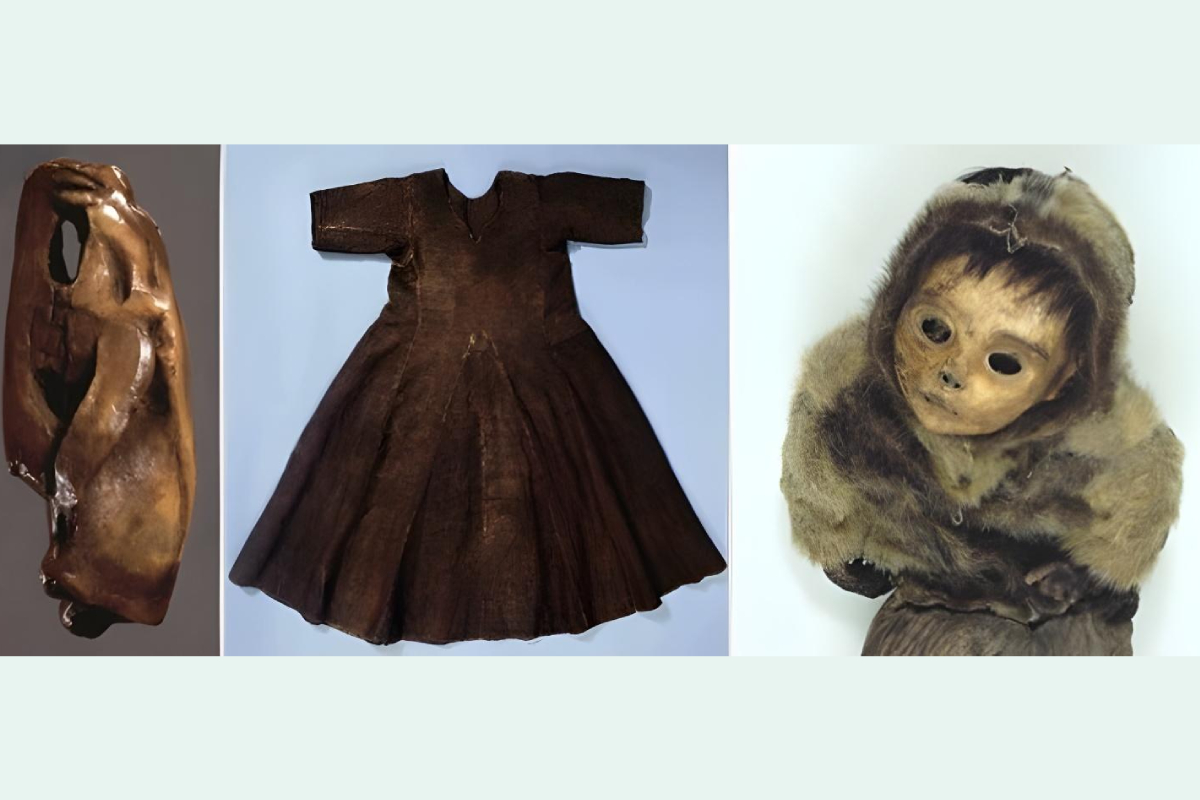
This selection of artifacts includes Thule–Dorset carvings, Norse textiles preserved at Ikigaat, and human remains from Qilakitsoq. Source: National Museum of Denmark
What can be done?
It should be noted that the changing climate has brought some short-term benefits.
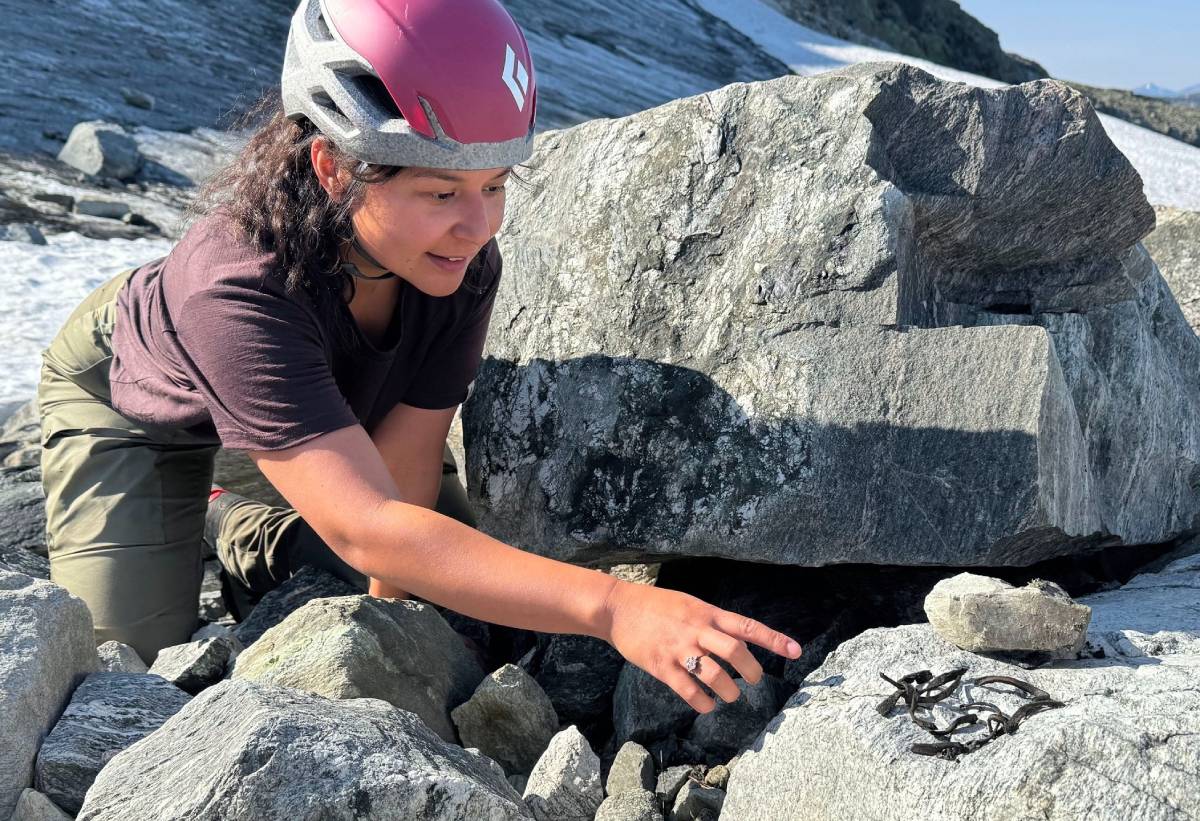
The Secrets of the Ice team in Norway, for instance, has identified a string of fascinating artifacts that have emerged from the melting snow.
As Jørgen indicates, however, this is not necessarily good news. "It is true that archaeological artifacts are being uncovered as the ice is melting," Jørgen admits.
"However, once exposed, such artifacts are fragile and prone to rapid degradation unless quickly stabilized and preserved. In the end, we will probably lose much more than we find," Jørgen points out.
"And as soon as the ice has disappeared, we will find no more. We also have to remember that all of the organic artifacts buried below ground are not being exposed or uncovered; they just rot and disappear without anyone noticing."
Unfortunately, there is a sense that we remain ill-prepared to deal with any dramatic changes in archeological conditions.
"As natural processes are causing the damage, most jurisdictions have no designated funds or programs for archaeological mitigation," Jørgen explains.
"This must change if we are to respond in a serious and efficient manner to the problem of natural threats to heritage. We must also be realistic and acknowledge that it will be necessary to prioritize between sites in order to direct limited resources to the most valuable sites."
"To make informed, transparent decisions, we must understand where and when climate impacts will occur and what kinds of archaeological resources are most at risk," Jørgen states to The Viking Herald.
"We must ask: What information do we need to gather from these threatened sites before it's too late? What actions are required to recover them? And how long will the window of opportunity remain open?"
We get to provide readers with original coverage thanks to our loyal supporters. Do you enjoy our work? You can become a PATRON here or via our Patreon page. You'll get access to exclusive content and early access.
Feel free to reach out to discuss potential stories that may be in the public interest. You can reach us via email at [email protected] with the understanding that the information you provide might be used in our reporting and stories.