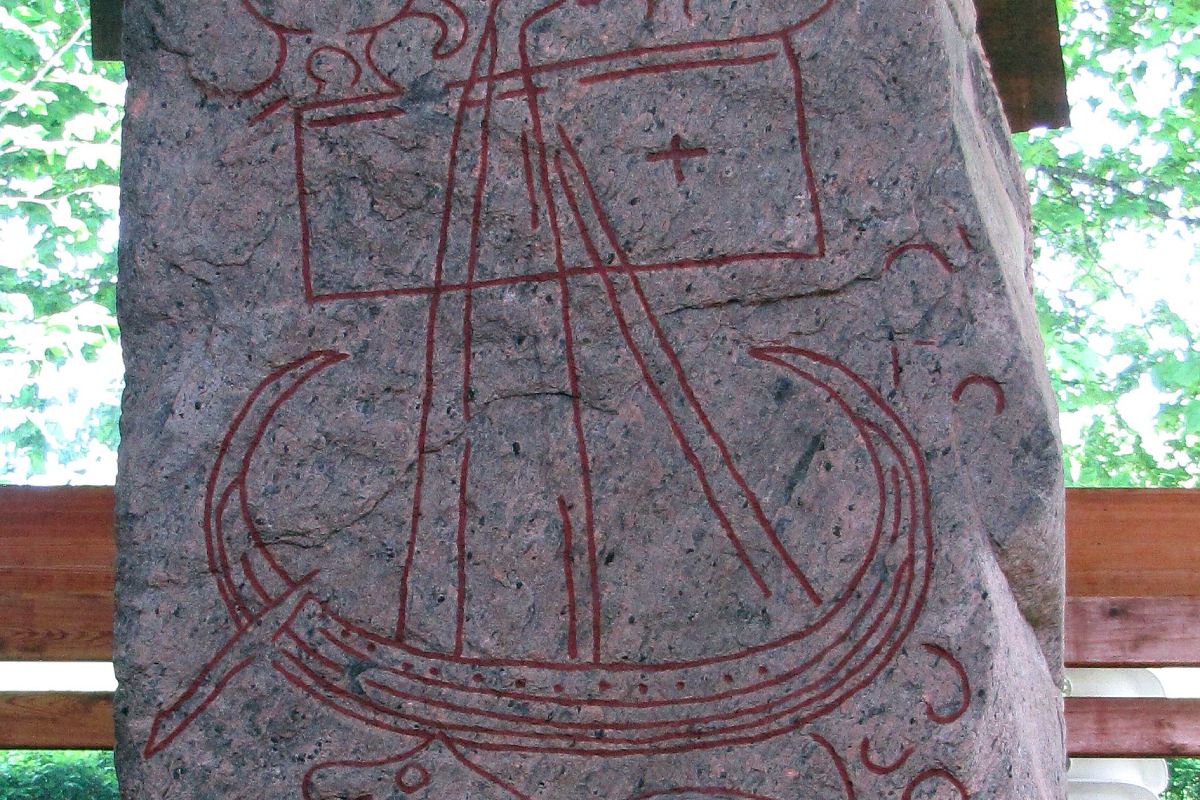


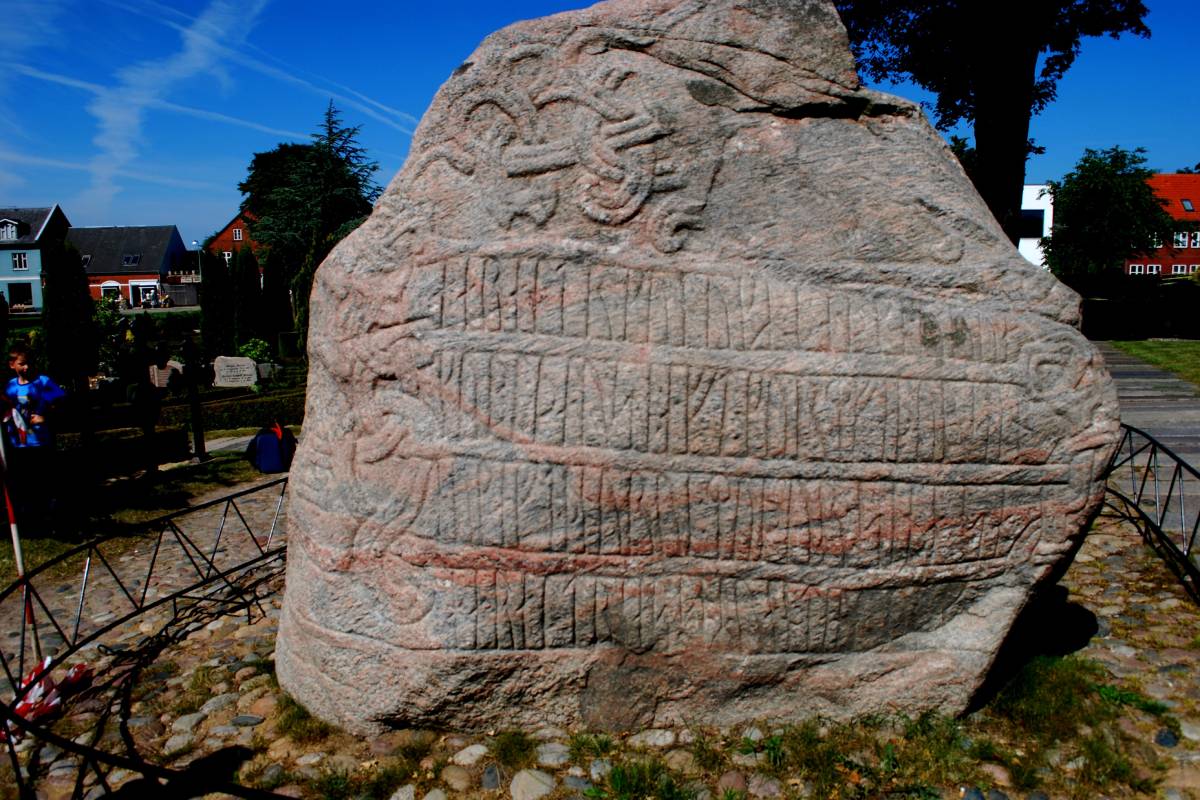
In an interview with Science Norway, Michael Lerche Nielsen, a runologist from the University of Copenhagen, strongly rebuked the suggestion made by Norwegian archeologist Håkon Glørstad that the famous second Jelling runestone was not raised by Harald Bluetooth.
The theory has already caused a certain degree of controversy in academic circles and has also been debated in the Danish media.
"Absurd from a runological perspective"
As reported by The Viking Herald, Glørstad, an archeologist at the Museum of Cultural History in Oslo, Norway, argues that the Jelling stone was not produced in the Viking Age.
Instead, he believes it is more likely to have been created in the 12th century, possibly by Bishop Absalon, an influential figure of the Valdemarian era.
Nielsen, however, has rubbished this claim, commenting to Science Norway: "This 'sensation,' which has received significant media attention here in Denmark, is absurd from a runological perspective."
"It's like claiming Thor Heyerdahl never actually completed the Kon-Tiki expedition but instead filmed a summer in the outer Oslo Fjord before conveniently transporting the raft to Bygdøy."
The runologist argues that the language used on the larger Jelling stone commissioned by Harald Bluetooth clearly originates from the Viking Age, noting there are significant differences between runes written in the 10th century and those of the 1300s.
Glørstad has argued that the stone is a deliberate 12th-century tribute to the Viking Age. Yet, Nielsen believes that, in linguistic terms, Absalon would have been incapable of creating an authentic reproduction of Viking Age runes.
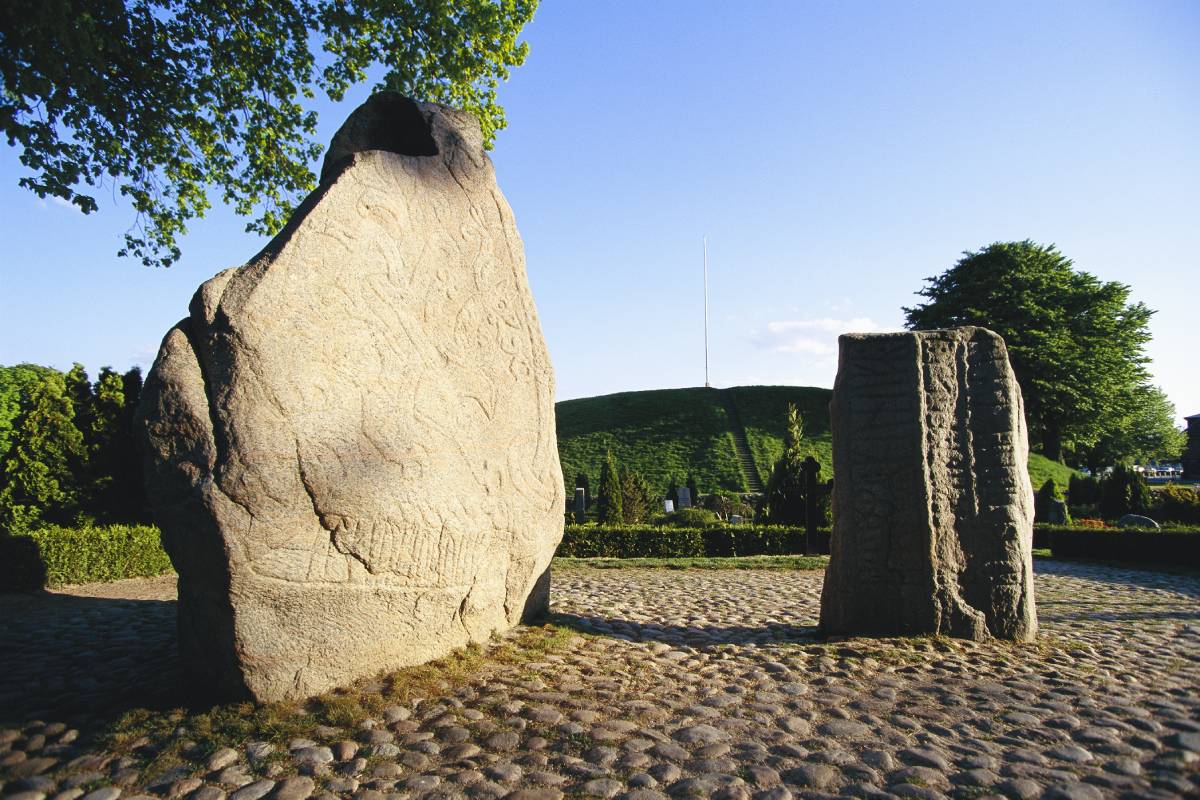
Danish newspapers criticized Hakon Glorstad's theory, calling it a blunder and a challenge to Denmark's history. Source: BMJ / Shutterstock
Newspapers fight back
Science Norway also notes that Glørstad's theory has attracted further criticism in the Danish press.
In the newspaper Berlingske, Adam Bak, a museum curator at Kongernes Jelling, claims that Glørstad is like a salmon swimming against the current: no matter how much he might struggle, he cannot change the direction of the river.
In the publication Weekendavisen, columnist Emil Leth Beiter was moved to write "Nonsense about the Viking Age," an op-ed that strongly opposes what some see as a genuine attack on a monument commonly referred to as Denmark's birth certificate.
Beiter not only describes Glørstad's paper as a clear blunder, but he also criticizes Danish media outlets for providing serious coverage of the story.
In response to criticism, Glorstad urged his opponents to rely on well-founded evidence instead of resorting to personal attacks. Source: Stefan Bollmann
A call for open debate
As Glørstad noted in a previous interview with The Viking Herald, criticism of his theory is both expected and welcomed, as he stresses the importance of open discussion in archeology about such significant artifacts and events.
At the same time, in response to the article by Beiter, Glørstad was keen to stress to Science Norway that the best arguments should focus solely on the facts themselves.
"It is a tradition for linguists and runologists to become particularly heated. Perhaps they believe their source material should hold a special status," he commented.
"However, resorting to personal attacks and dismissing arguments as mere fantasies is not a professional approach – it primarily reflects poorly on the critic rather than the argument itself."
While some Danish experts certainly appear willing to dismiss Glørstad's ideas out of hand, he instead calls on them to produce more evidence that would conclusively dismiss his ideas.
According to Science Norway, the editorial team of the journal Viking, where Glørstad's paper was published, acknowledges the criticism but also welcomes further debate about the origin of one of the most famous icons of the Viking Age.
We get to provide readers with original coverage thanks to our loyal supporters. Do you enjoy our work? You can become a PATRON here or via our Patreon page. You'll get access to exclusive content and early access.
Feel free to reach out to discuss potential stories that may be in the public interest. You can reach us via email at [email protected] with the understanding that the information you provide might be used in our reporting and stories.