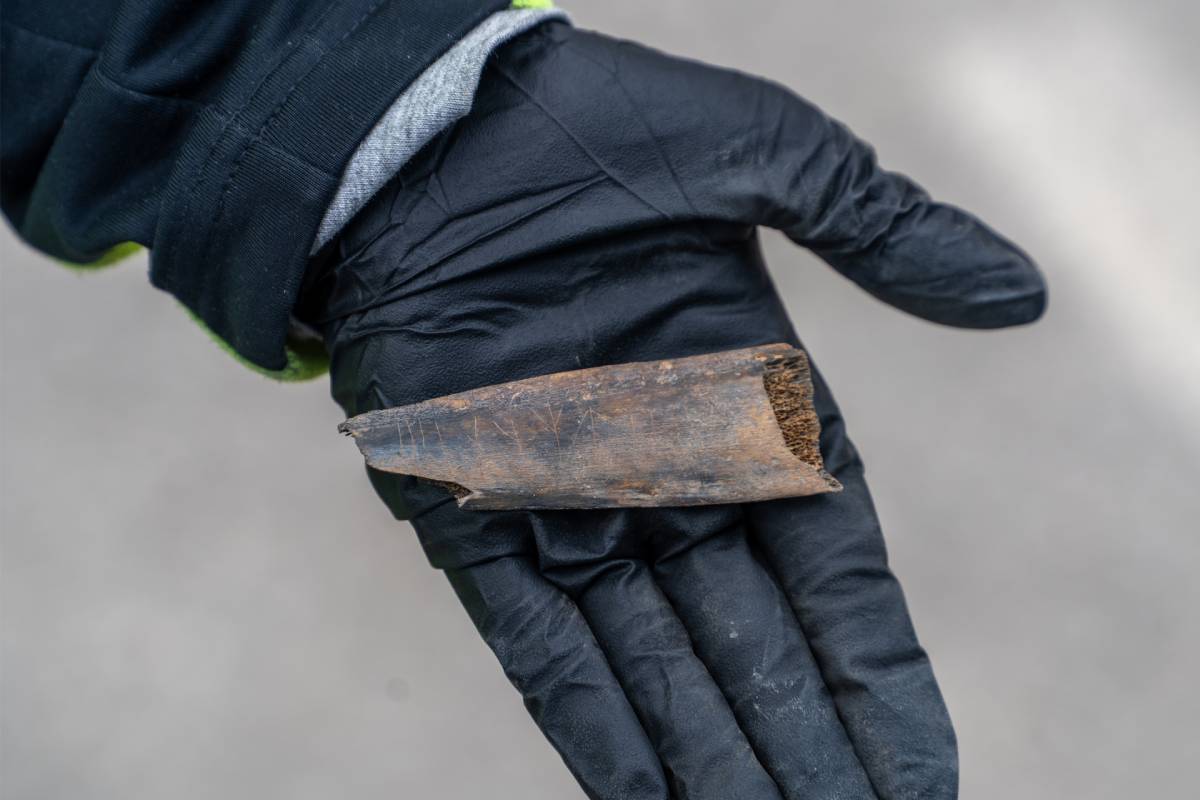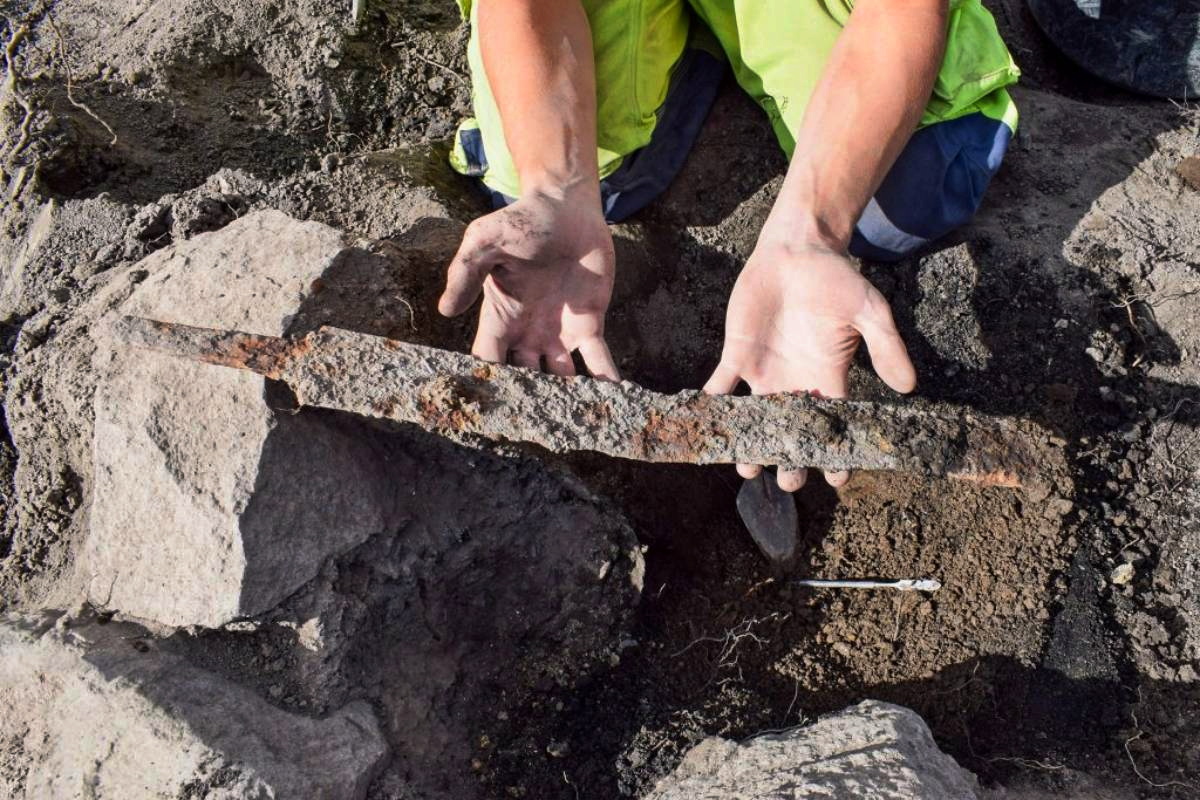


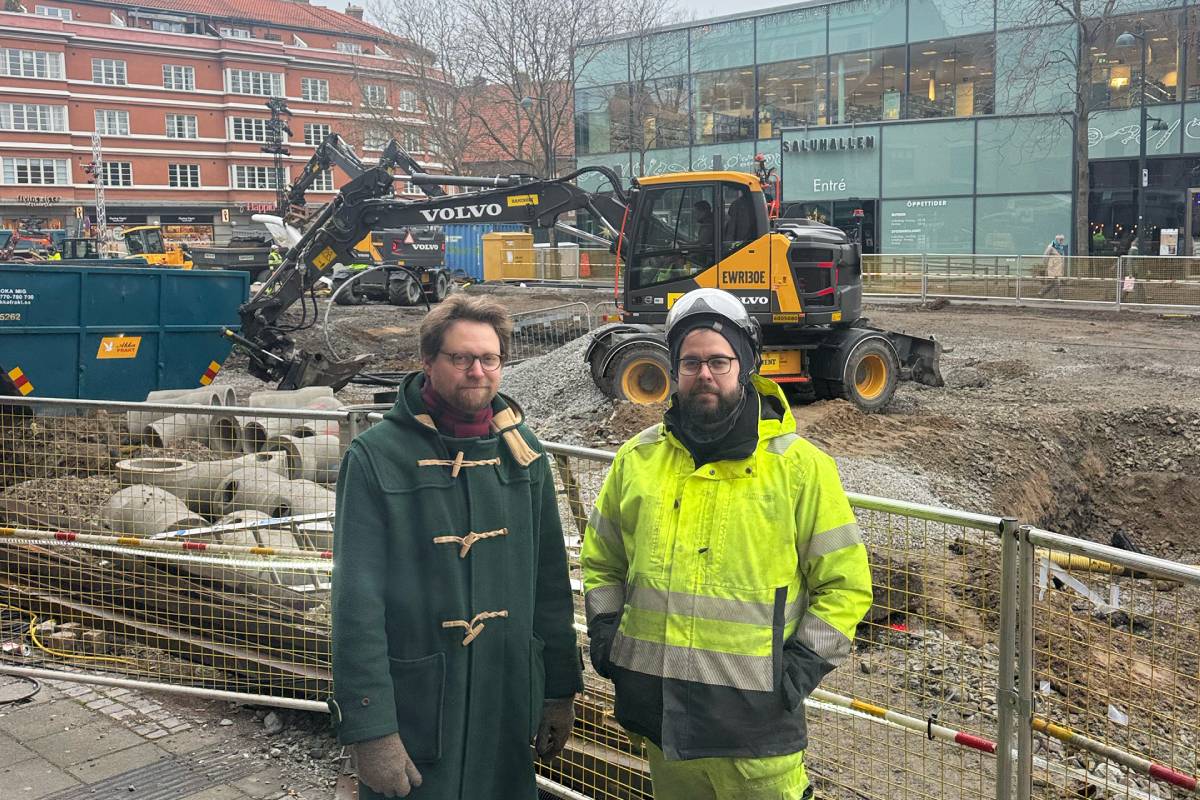
A number of medieval artifacts have been revealed underneath a bus terminal in the city of Lund in southern Sweden.
The archeological excavations at Botulf Square have also uncovered several older structures, including potential evidence of inhabitation from the Viking Age.
Plenty to investigate
The excavations in Lund are taking place as part of the redevelopment of a former bus terminal in the center of the city.
In the past couple of weeks, archeologists from Kulturen Museum have been able to uncover a well-preserved medieval layer approximately 2.4 meters below the surface. Early analysis suggests the layer contains the remains of a medieval farmstead, built in approximately the 15th century.
The experts believe that the stone foundations identified likely belonged to a large house that could be linked to two wealthy merchants from the area, Mogens and Anne Sparre Gyllenstierna.
The archeology team, led by Kristoffer Brink, has also been able to extract a number of fascinating finds that have been remarkably well preserved beneath the surface, including a fully intact egg.
Other notable items have included a leather shoe from the 1400s, ceramics, a copper dish, and even the skeleton of a horse's head believed to have been used by a butcher.
There is also some evidence of trade, with the archeologists identifying a shell that probably originated in Spain, and an elk antler likely used for craftwork.
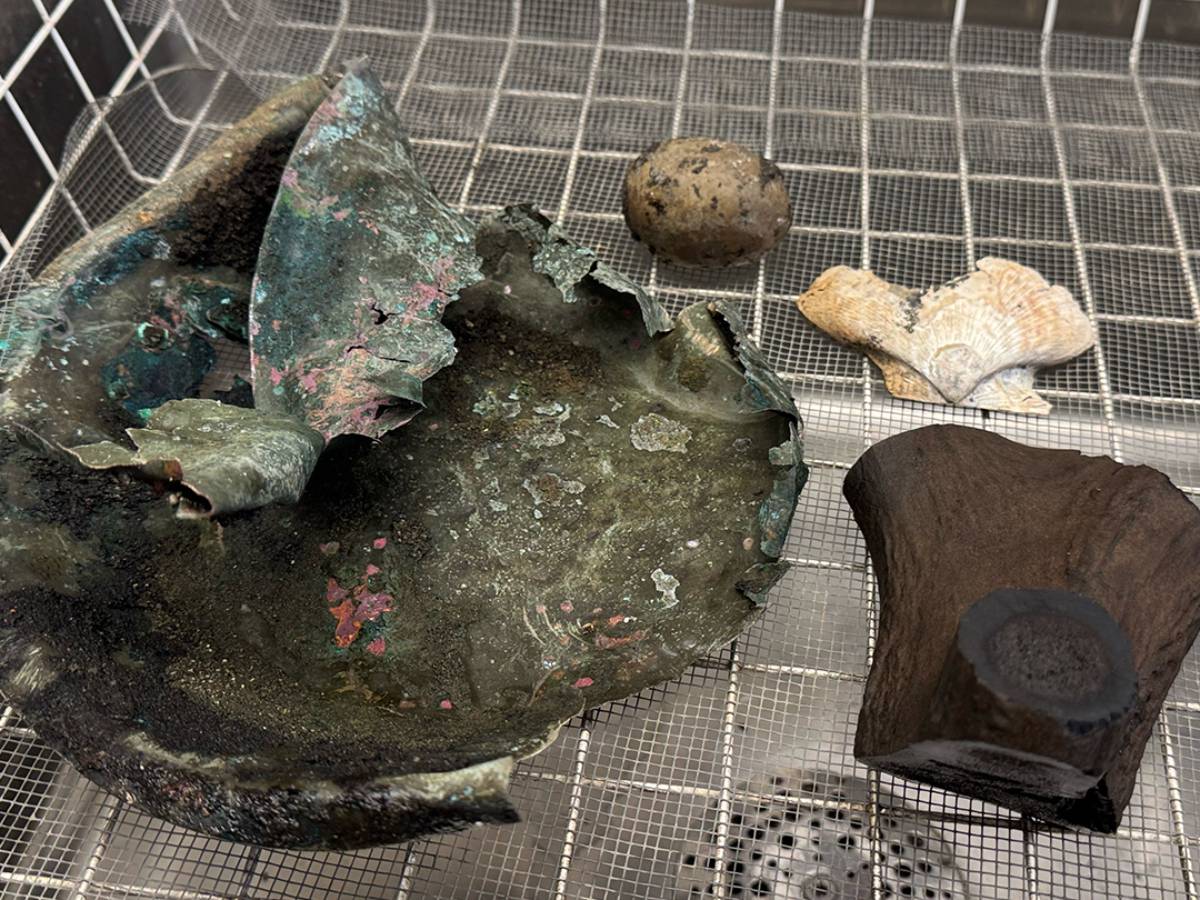
A corroded copper dish, an egg, a shell, and a piece of elk antler recovered from the medieval layer at Botulf Square. Photo: Johan Romin / Kulteren Archeology
Layers of history
Thought to be the oldest city in present-day Sweden, Lund was long believed to have been established around 1020 by either Sweyn Forkbeard or his son, Cnut the Great of Denmark – at that time, the settlement was part of the Danish kingdom.
Recent research, however, has indicated that the first buildings may have been constructed slightly earlier, towards the end of the 10th century.
Over the following centuries, Lund emerged as a major site of trade and education. Lund Cathedral School, established by the Danish king Canute the Saint, is the oldest school in Scandinavia and one of the oldest in Northern Europe.
The city was only ceded to Sweden, however, in 1658 as part of the Treaty of Roskilde. Although Denmark then temporarily won the city back in 1676 during the Scanian War, the Swedes fought back for a decisive victory.
The Peace of Lund confirmed this fact, and the city has been in Swedish hands ever since.
- READ MORE: The Viking history of Sweden at a glance
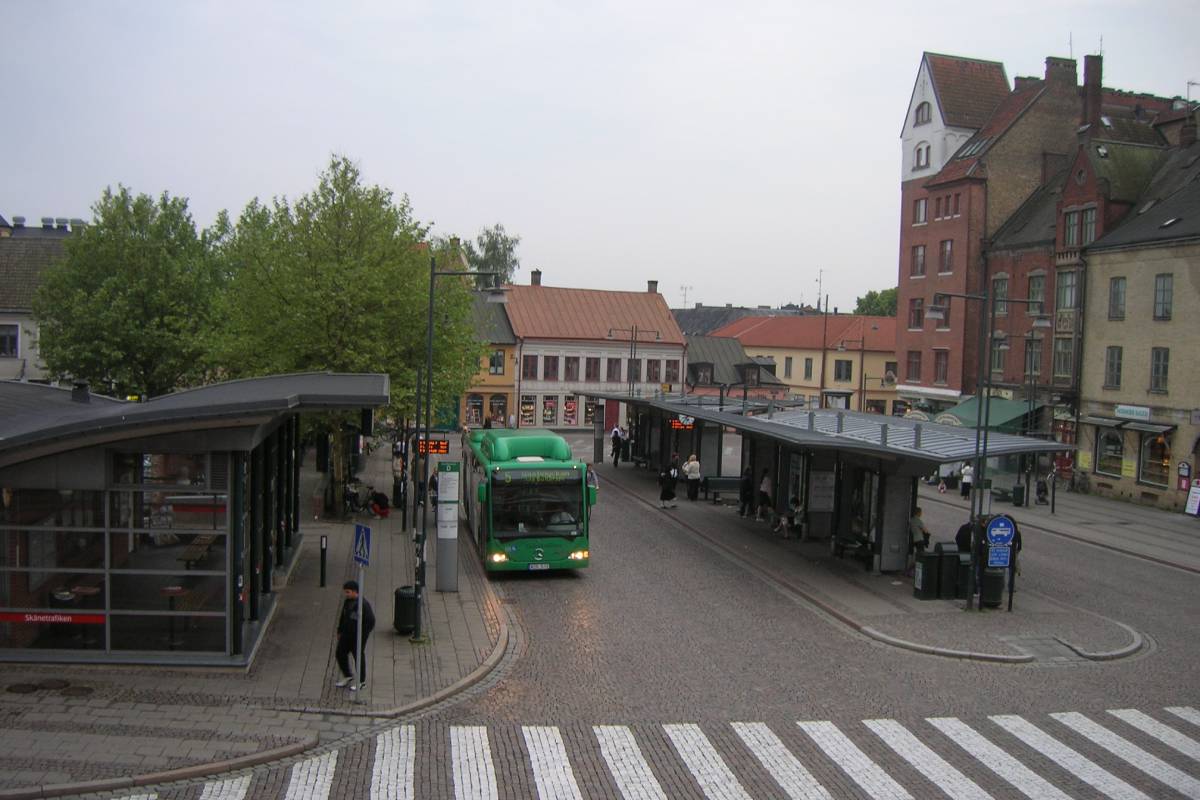
Botulf Square in Lund was a bus terminal before the current redevelopment and archeological work. Photo: Väsk (CC BY-SA 3.0)
The birth of a city
The ongoing development will see the completion of a new square by summer 2026. The pressing nature of the work means the archeologists have had only a limited time to explore what lies beneath the surface of the town.
Although definitive dating has not yet been established, it is believed the Viking Age constructions at Botulf Square date from the city's earliest era, sometime from the late 900s to the 1000s. If confirmed, this would indicate that the square in central Lund is one of the oldest places of construction in the city.
Dendrochronological analysis of the wooden piles found under the house foundation is also planned – this could potentially provide a more conclusive date for the historical structures. In addition, the archeological team will begin a detailed study of the artifacts found at the site.
It is hoped this will provide further details on both the construction of the medieval farmstead and potentially also the Viking Age remains.
We get to provide readers with original coverage thanks to our loyal supporters. Do you enjoy our work? You can become a PATRON here or via our Patreon page. You'll get access to exclusive content and early access.
Feel free to reach out to discuss potential stories that may be in the public interest. You can reach us via email at [email protected] with the understanding that the information you provide might be used in our reporting and stories.