

New archeological excavations have begun at the ancient Turkish site of Bathonea, where a series of Viking objects has been discovered.
Digging at the site resumed this summer after approval was granted by the Turkish Ministry of Culture and Tourism.
Roman cisterns and the Ouroboros
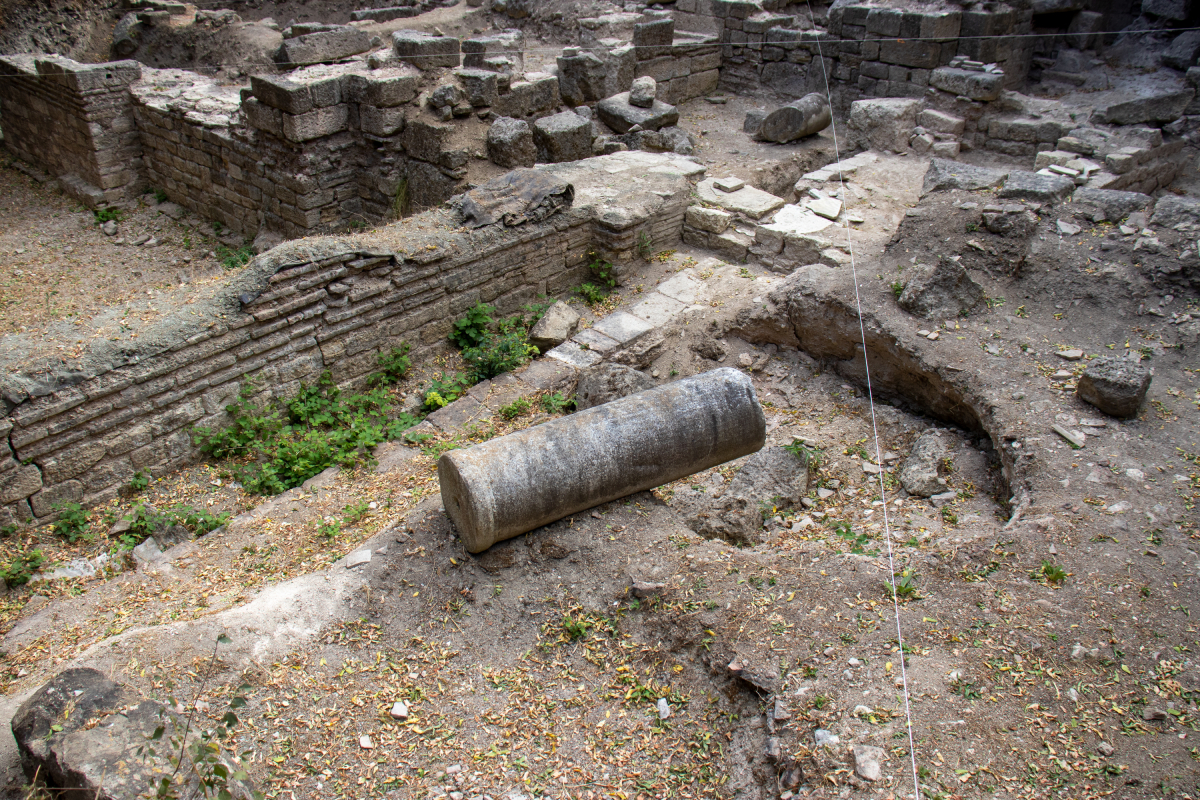
Bathonea is an archeological site located in the Avcılar district of Istanbul Province, around 20 kilometers from Turkey’s largest city.
Investigations at the site first began in 2009 and have since revealed a series of archeological treasures.
These include an ancient harbor, a cistern system thought to have been commissioned by Emperor Constantine, a palace complex, ancient roads, and examples of mosaic flooring.
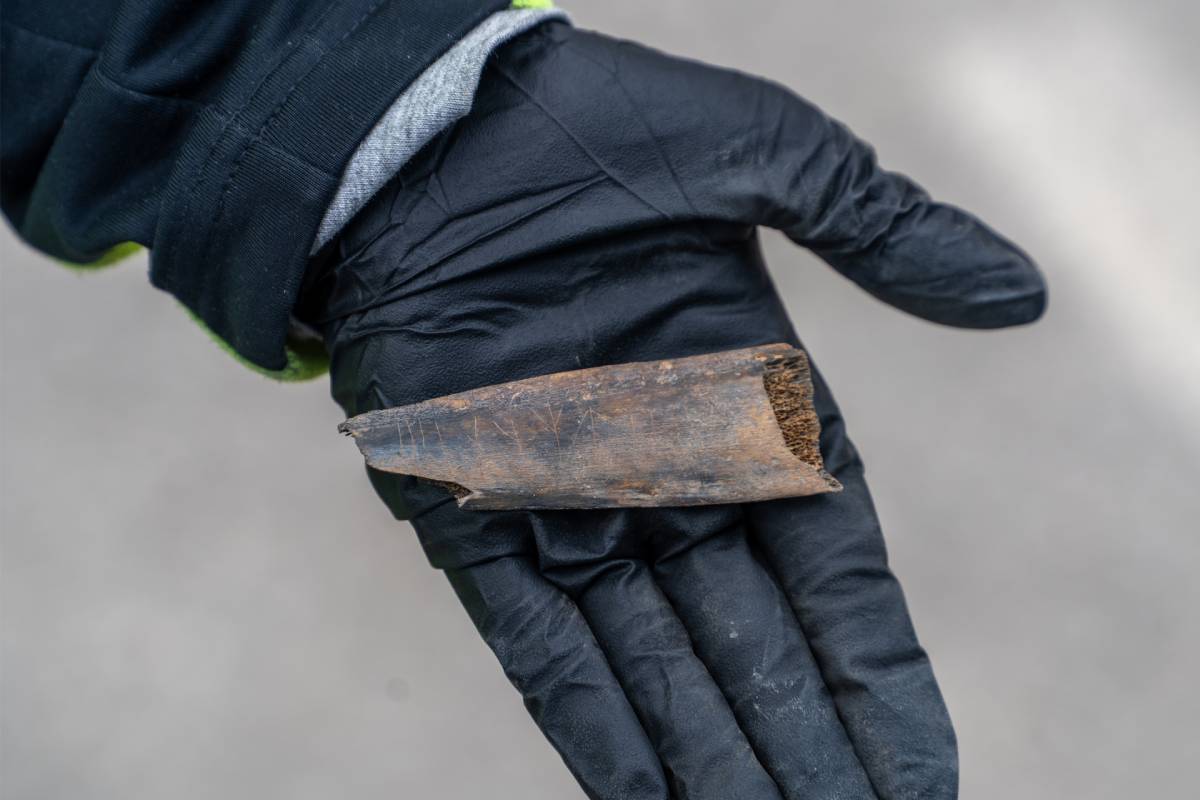
Though archeologists believe the original settlement may have been destroyed by an attack in the 7th century, they have also uncovered plenty of material from later periods, including several Norse artifacts.
Błażej Stanisławski, a Polish Viking expert who has worked at the site, believes these finds may indicate the area was inhabited by a group of Viking mercenaries.
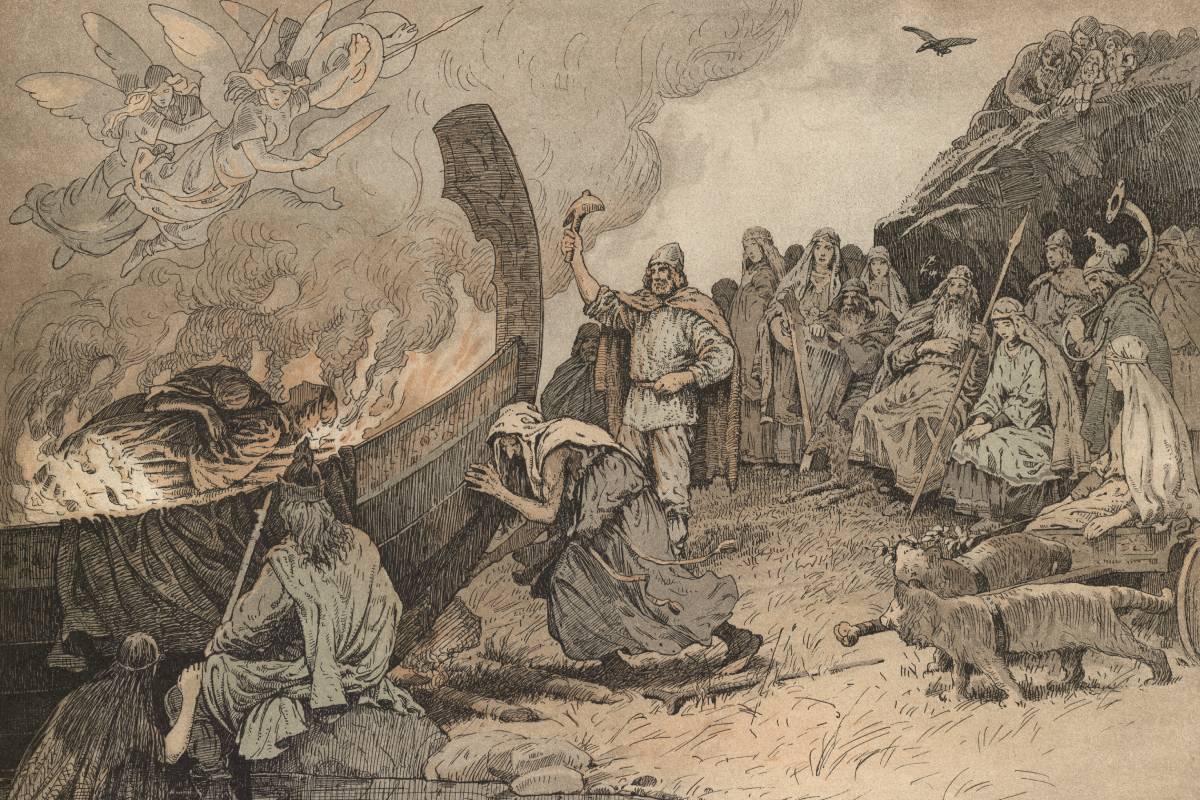
The finds include a Viking amber cross and a necklace depicting the Ouroboros – the serpent devouring its own tail, a classic symbol of Norse mythology.
- READ MORE: The Viking history of Turkey - A primer
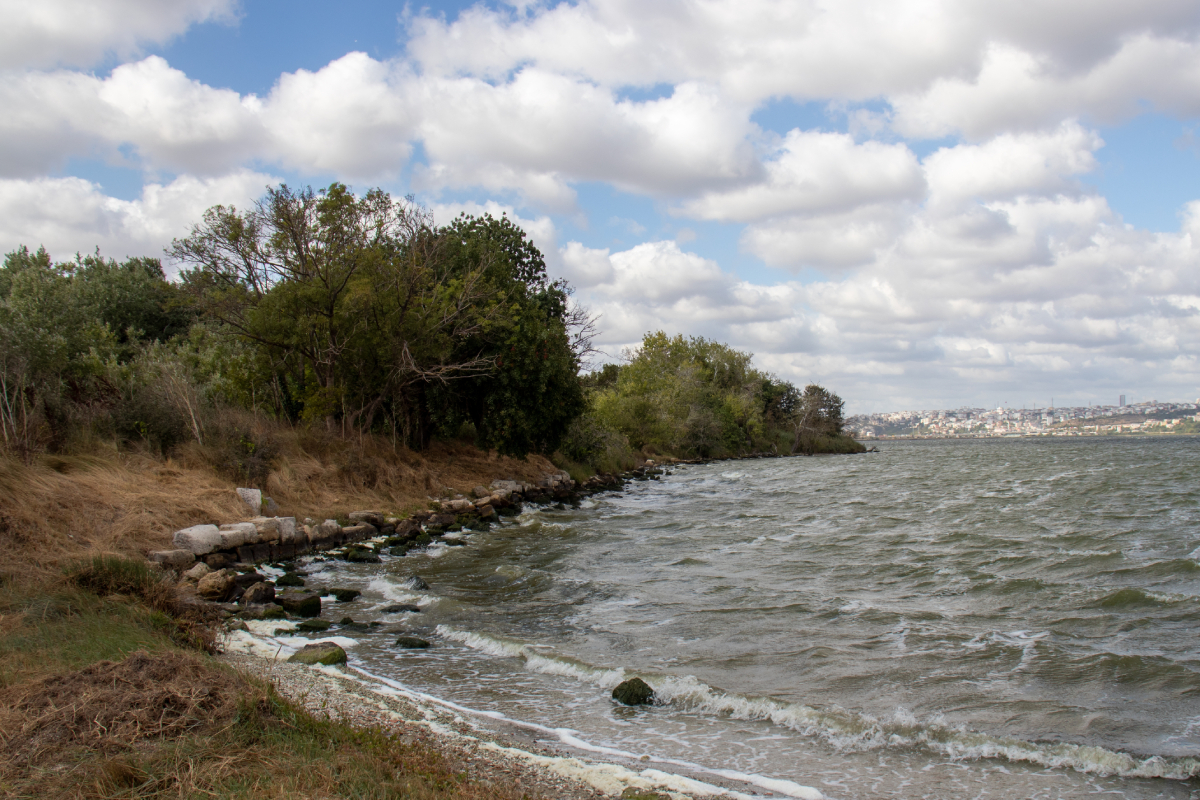
Located near the Sea of Marmara, Bathonea has revealed Roman cisterns, ancient roads, and Viking artifacts. Source: utkusavas / Shutterstock
Cultures connected
Although it is thought that the Vikings never settled in Turkey in great numbers, they are believed to have made several attacks on Constantinople, known then to the Vikings as Miklagard, and today to the world as Istanbul.
Many Norsemen also served in the Varangian Guard, the personal bodyguards of the emperor of the Byzantine Empire, who resided in Istanbul.
Most famously, Harald Hardrada rose to become leader of the Varangians before returning to Scandinavia to take the crown of Norway.
There were also significant trading links between the Byzantine Empire and the Vikings.
Indeed, archeological remains found along the route between Scandinavia and Istanbul, including in Latvia, Russia, and Poland, suggest a strong connection between the two civilizations.
Many examples of dirham coins – used across North Africa, the Middle East, and Persia – have also been found in Viking hoards in both Scandinavia and England.
Then, of course, there is the Viking graffiti at the Hagia Sophia, which is believed to have been left by a member of the Varangian Guard.
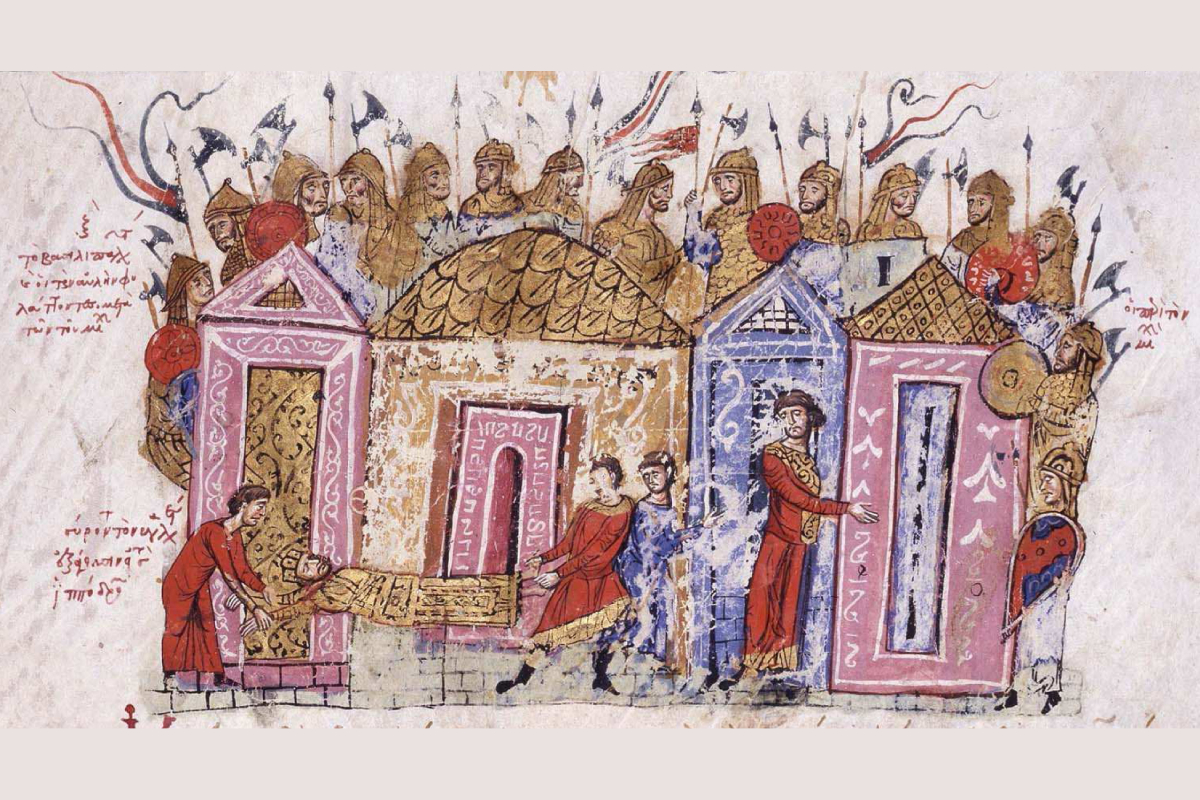
In the 11th-century illustration by John Skylitzes, the Varangian Guard can be seen as Leo V's body is being dragged to the Hippodrome. Source: Public domain
International collaboration
The archeological digs at Bathonea have been conducted with additional funding from Poland.
During a recent visit, Maciej Lang, the Polish ambassador to Turkey, was presented with the finds related to the Viking Age.
In a statement to the media, he commented, “It is a great pleasure for me to support this project alongside Polish archeologists. It gives me immense satisfaction to seize the chance to fulfill my childhood dream of becoming an archeologist.”
Excavations at the site are once again in progress after receiving further approval from the Turkish Ministry of Culture and Tourism.
Although they will primarily focus on the prehistoric period, it is also hoped that more information will be revealed about Viking activities in the area in the coming months and years.
We get to provide readers with original coverage thanks to our loyal supporters. Do you enjoy our work? You can become a PATRON here or via our Patreon page. You'll get access to exclusive content and early access.
Feel free to reach out to discuss potential stories that may be in the public interest. You can reach us via email at [email protected] with the understanding that the information you provide might be used in our reporting and stories.