

For those who love the rich tapestry of Norse mythology and those who study or write about it, we are all indebted to the works of Snorri Sturluson.
This 13th-century poet and politician played a crucial role in preserving Norse sagas, myths, and legends by writing the Prose Edda and compiling the Poetic Edda into written form.
Many of these tales, passed down orally since the Viking Age (c. 750–1100), might have been lost without his efforts to record them, ensuring they continue to captivate audiences across the centuries to this day.
One of the most important works Sturluson oversaw was the compilation of the Poetic Edda, a collection of Old Norse poems.
As John Lindow points out in his 2002 book, Norse Mythology: A Guide to Gods, Heroes, Rituals, and Beliefs (available on Amazon here), the poems in the Poetic Edda are divided into two groupings.
One focuses on heroic adventures – particularly the story of Sigurd and the Volsungs – whilst the other deals with more mythological tales.
It is in this second grouping that we find stories recounting the deeds of the gods and exploring themes of creation, cosmic battles, and, eventually, the cataclysmic events of Ragnarök.
Two such poems in this mythological grouping deal directly with tales of the mighty Allfather of Norse mythology, Odin.
The Grímnismál (The Lay of Grimnir) and the Vafþrúðnismál (The Lay of Vafþrúðnir) give us – using a modern term – much of his "backstory."
In these poems, we learn about Odin's skills in concealing his true identity, portraying him as a god who uses disguises, wisdom, and guile to achieve his mythical objectives.
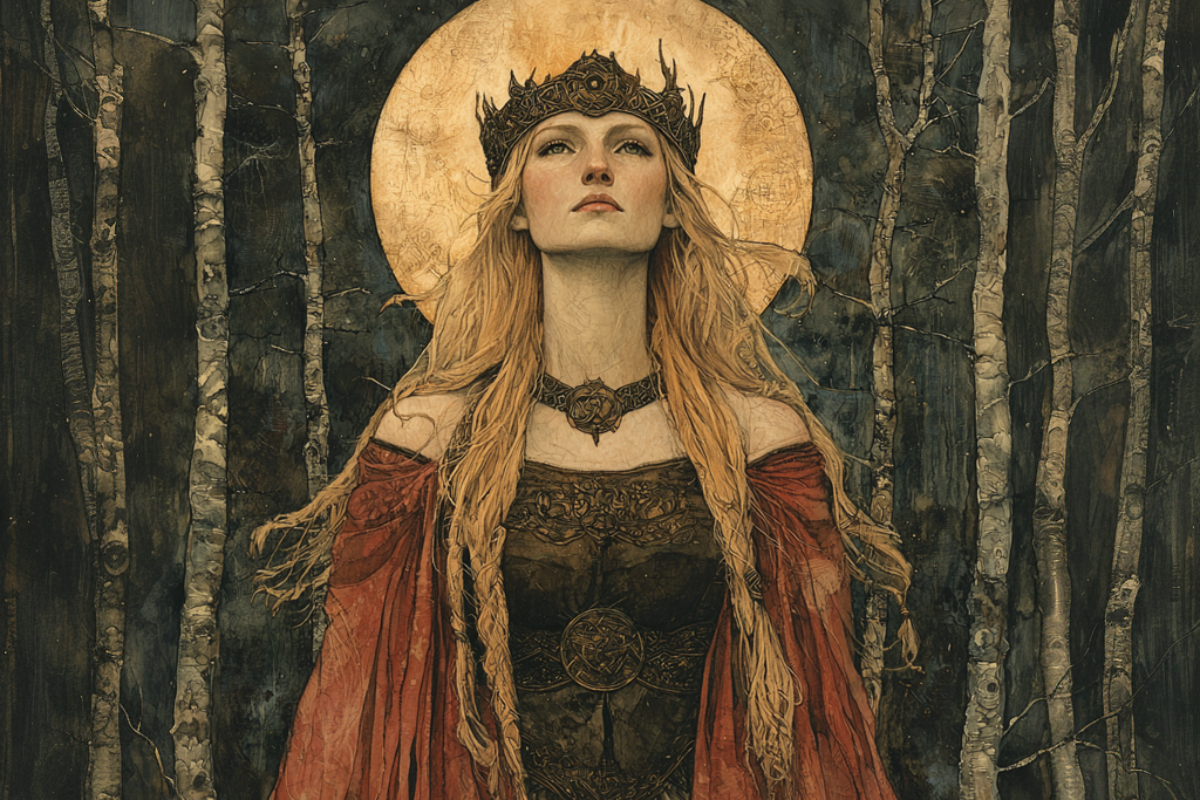
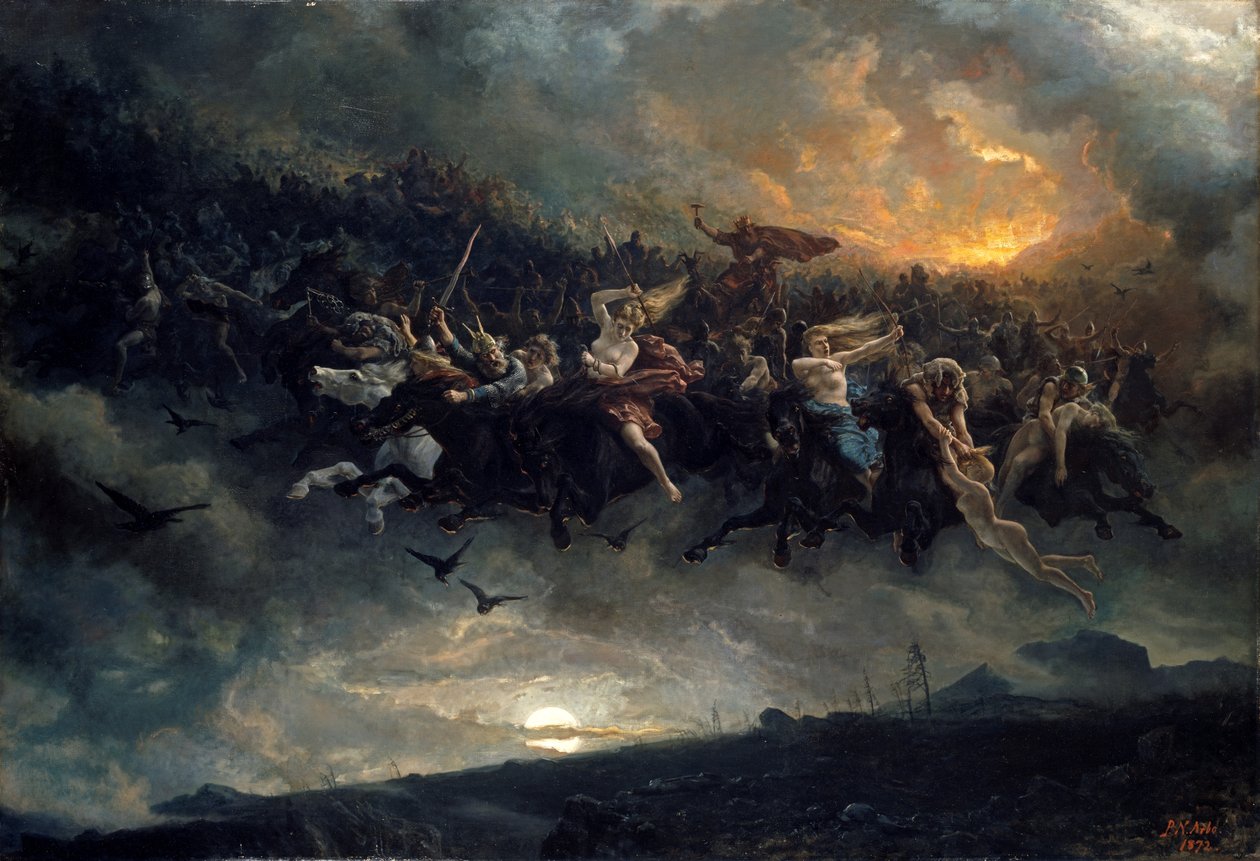
In "Grímnismál," Frigg acted on her suspicion by having Odin bound and tortured, not realizing he was in disguise. Illustration: The Viking Herald
Grímnismál: A roasting sibling rivalry
If we turn our attention to the Grímnismál, we can find that even the Norse gods, revered and worshipped by people in Viking societies for their awesome power, can occasionally come to blows with one another.
The start of this poem finds Odin and his wife, Frigg, arguing over which of the two brothers, Agnar and Geirröð, is more admirable and decent.
Odin then decides to disguise himself and enter the court of Geirröð to test his worth. The Allfather disguises himself as a traveler, Grímnir.
Yet not everybody is fooled or hoodwinked (pun intended) by this new disguise, as Frigg remains highly suspicious of this newcomer.
She has him bound and tortured with fire. Enduring this for more than eight days, Odin remains silent.
It is the kindness of Agnar, who offers the tortured stranger some water, that finally prompts Odin to break his silence and reveal his identity.
Odin realizes that Agnar performed most charitably and, therefore, must be the worthier brother.
What does this poem reveal to us?
The rest of the poem is dedicated to Odin explaining the vast and unknown mysteries of the cosmos, as well as revealing all his other names and identities.
Each of these names – around 50 others besides Grímnir – represents a different aspect of his personality and power.
This not only speaks to the many identities Odin took on but also suggests that, for people in Viking societies, you could never quite know who a stranger truly was, meaning they deserved your charity and respect.
The events of the Grímnismál highlight how important charity and hospitality were to people in Viking societies.
Furthermore, Odin's suffering under torture can be seen as a lesson that, to learn great wisdom, one must embrace suffering and pain.
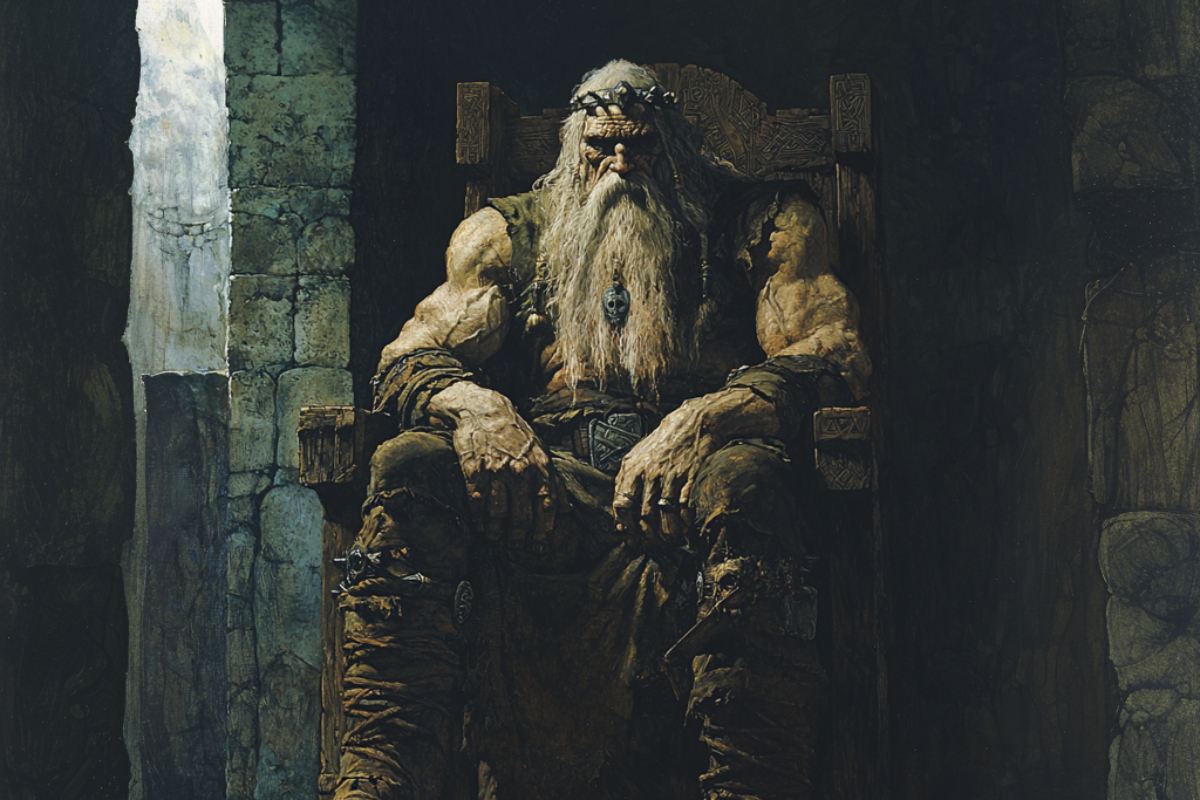
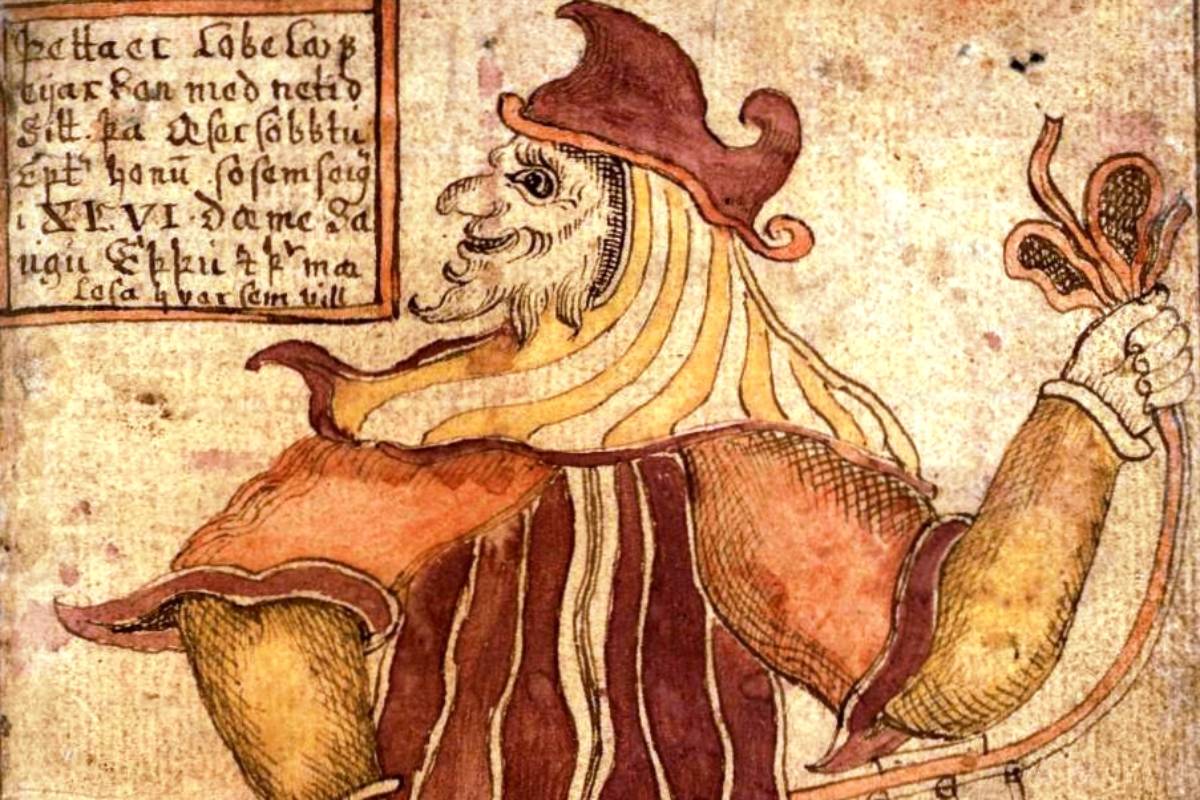
The jötunn Vafþrúðnir acted as Odin’s rival in "Vafþrúðnismál" when he challenged him to a dangerous game of knowledge. Illustration: The Viking Herald
Vafþrúðnismál: A high-stakes challenge for life itself
The second poem where Odin reveals himself as a master of disguise is Vafþrúðnismál. Like Grímnismál, this poem begins with a discussion – though not heated – between Odin and Frigg.
Odin, doing as all good husbands should, asks his wife for advice. He is curious whether he should pay a visit to Vafþrúðnir, a jötunn.
Now, Odin, being a husband, listens to his wife but then decides to ignore her advice (perhaps the most human-like interaction in the Norse sagas, as many wives can attest to!).
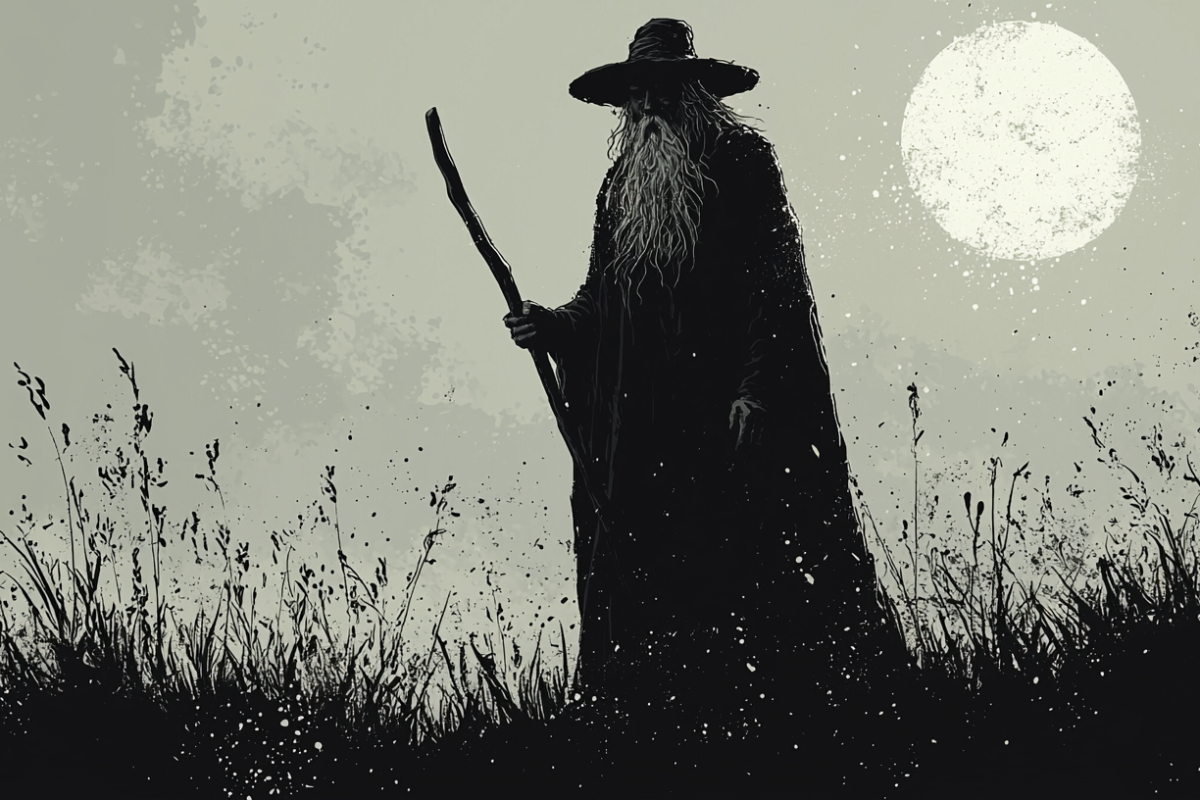
Odin travels to the great hall where Vafþrúðnir resides, disguising himself as a mere wanderer, Gangleri.
He is keen to gain even more insight and knowledge from the giant, who is said to be the wisest among the jötnar.
Soon, the two engage in a contest where the stakes are high: the loser will not only lose the game but also their life.
Each asks the other a series of questions and riddles until Vafþrúðnir poses the question, "What did Odin whisper into the ear of his son, Baldr, before he was placed on the funeral pyre?"
Since only Odin himself could answer this question, Gangleri reveals his true identity to the giant, who respectfully admits defeat.
What does this poem reveal to us?
Aside from the realistic picture of domestic bliss that the start of the poem paints, the Vafþrúðnismál speaks of Odin's eternal thirst for knowledge.
This is not the first time that Odin has put his life or body on the line to gain more wisdom – other notable examples include the loss of his eye and his self-sacrifice by hanging from Yggdrasil, the world tree.
Yet the intellectual battle of wits that Odin engages in with Vafþrúðnir speaks of how Odin can disguise his identity whilst testing the knowledge of others, especially his enemies.
It is this disguise – that of a humble wanderer seeking wisdom – that Odin uses to challenge the perceived wisdom of a potential foe and later in the poem, to explore the deeper mysteries of the Norse cosmos, including musings on death and fate.
As Annette Lassen points out in her 2021 book, Odin's Ways: A Guide to the Pagan God in Medieval Literature (available on Amazon here), this poem also highlights Odin's role as a god of deception and trickery.
Only when the moment of victory is assured does Odin reveal his true identity, having used his wit and wisdom to gain the upper hand.
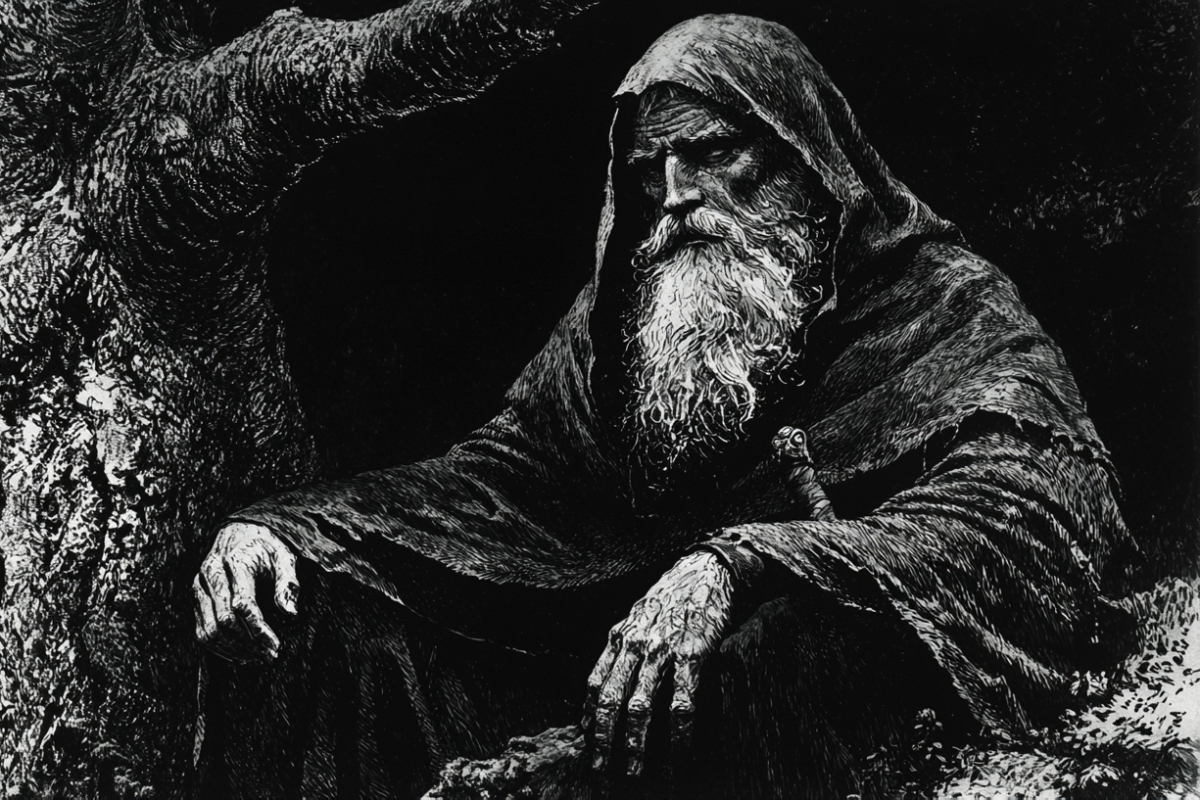
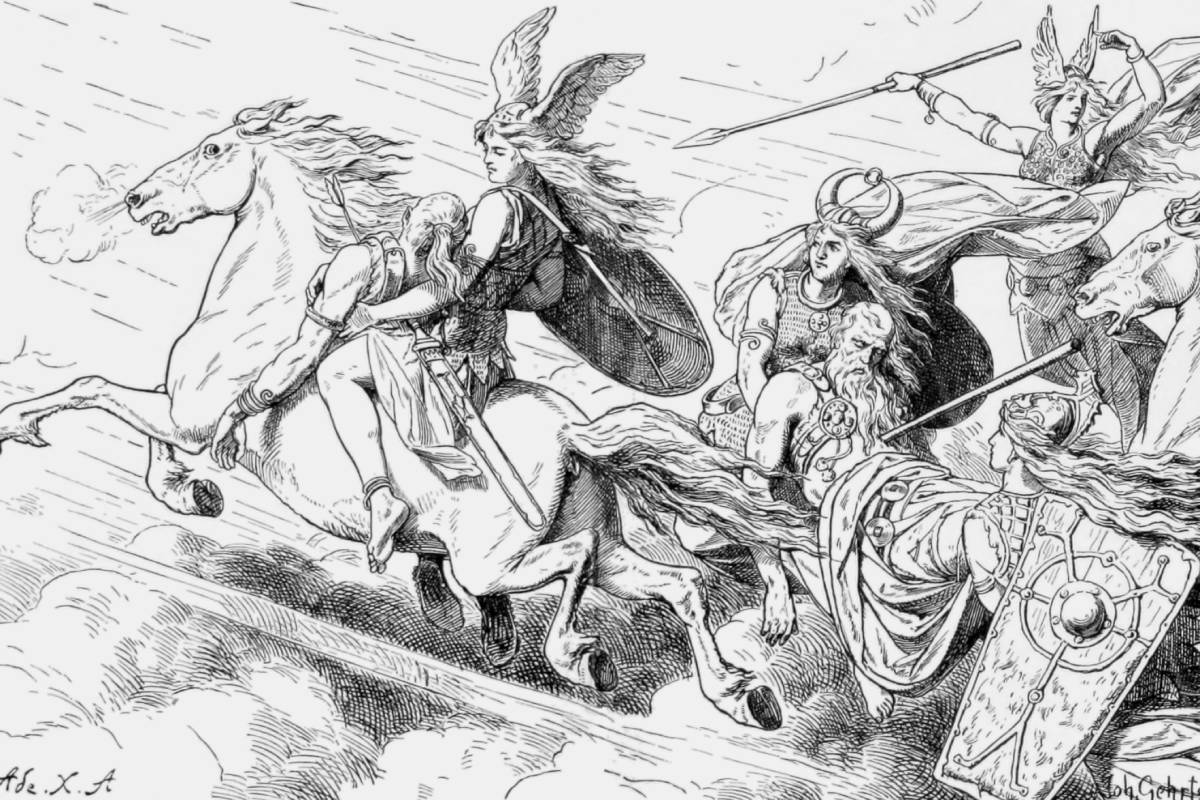
Odin demonstrated his cunning in Grímnismál and Vafþrúðnismál by challenging others through deception and knowledge. Illustration: The Viking Herald
Complex, enigmatic, and mysterious
These two poems – both ripping yarns in themselves and worthy of a read – can give us more than just a moment's pleasure and entertainment.
Through Odin's use of deception and disguises in these two poems, broader themes emerge, such as the importance of charity and hospitality to strangers, how the path to wisdom often leads through pain, and the multifaceted nature of Odin and the other Norse gods.
As a figure of multiple faces and identities, Odin remains one of the most complex, enigmatic, and mysterious gods presented in the rich tapestry of Norse mythology.
For more information on the Poetic Edda, visit The New Yorker here.
We get to provide readers with original coverage thanks to our loyal supporters. Do you enjoy our work? You can become a PATRON here or via our Patreon page. You'll get access to exclusive content and early access.
Feel free to reach out to discuss potential stories that may be in the public interest. You can reach us via email at [email protected] with the understanding that the information you provide might be used in our reporting and stories.