

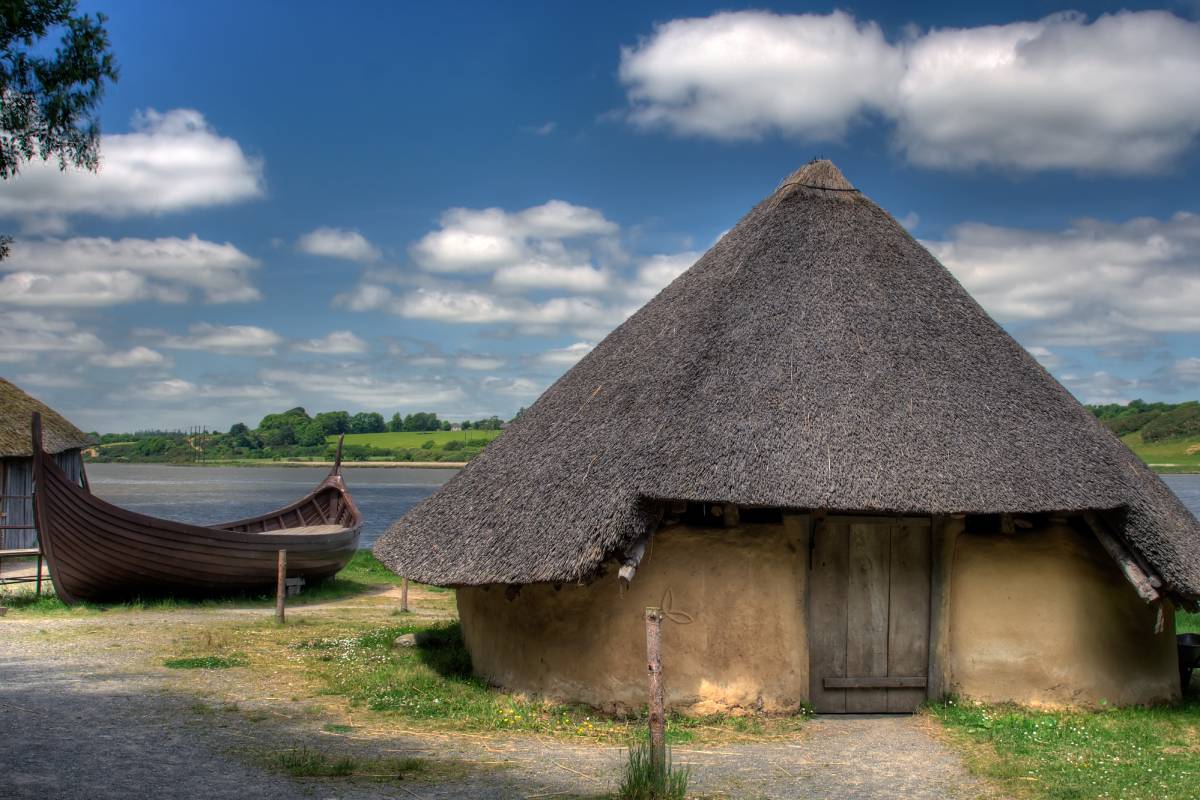
It is probably fair to say that the Viking influence on the history of Ireland has been somewhat neglected, certainly internationally.
Yet the impact of the Scandinavians on Ireland during the Viking Age should not be underestimated.
As modern archeological investigations have made clear, visitors from the North helped shape the development of the country over a period of centuries.
The impact of the Norse presence was felt throughout Irish culture, language, and trade. Perhaps most notably, several strongholds established by the Vikings later grew to become the first Irish towns.
In this article, The Viking Herald looks at the origins of five of these historic settlements: Dublin, Waterford, Wexford, Cork, and Limerick.

Dublin, founded by Vikings in the 9th century, grew into a powerful Norse trading post and a key settlement in Ireland. Photo: 21 Aerials / Shutterstock
Dublin: The birth of a city
Although the Dublin area had been inhabited by Celts since approximately 500 BCE, it is believed that the Norse were responsible for building a more substantial settlement here.
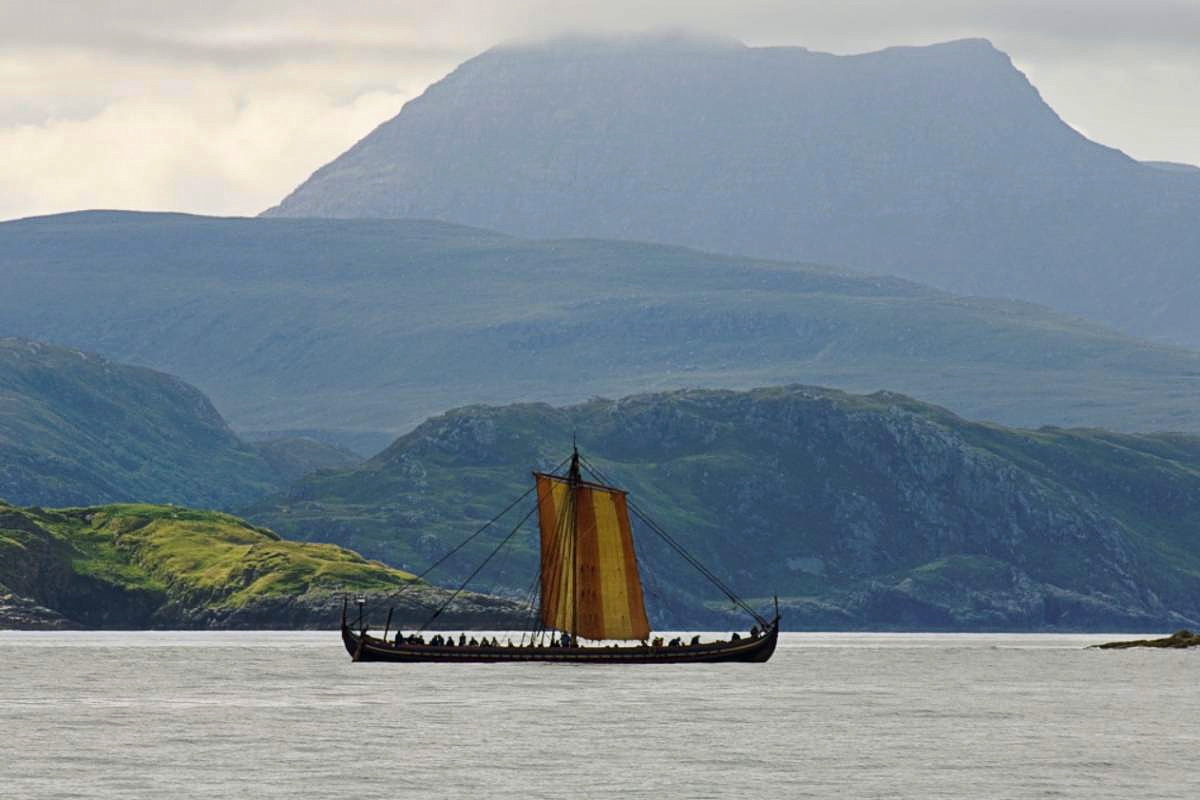
The historical records show that half a century after the first recorded Viking raids on Ireland in 795 CE, the Norse had constructed a fortified base at Dublin – known as Dyflin in Old Norse.
By the end of the 9th century, Dublin had evolved into a major trading post and the center of the Kingdom of Dublin.
The Norse monarchs who ruled this kingdom established a dynasty that would last several centuries.
Though the Celts gradually overcame the Norse powers, it is believed many of the Scandinavian residents remained in Ireland permanently, gradually integrating and merging into the local Gaelic culture.
In the 20th century, a series of excavations – collectively known as Wood Quay – unveiled extensive evidence of a well-established Viking presence from the 9th and 10th centuries.
Today, visitors to the Irish capital can see a display of the artifacts found at Wood Quay at the National Museum of Ireland.
Also worth checking out are the Viking exhibition Dublinia and the Dublin Viking Festival, which takes place in August.
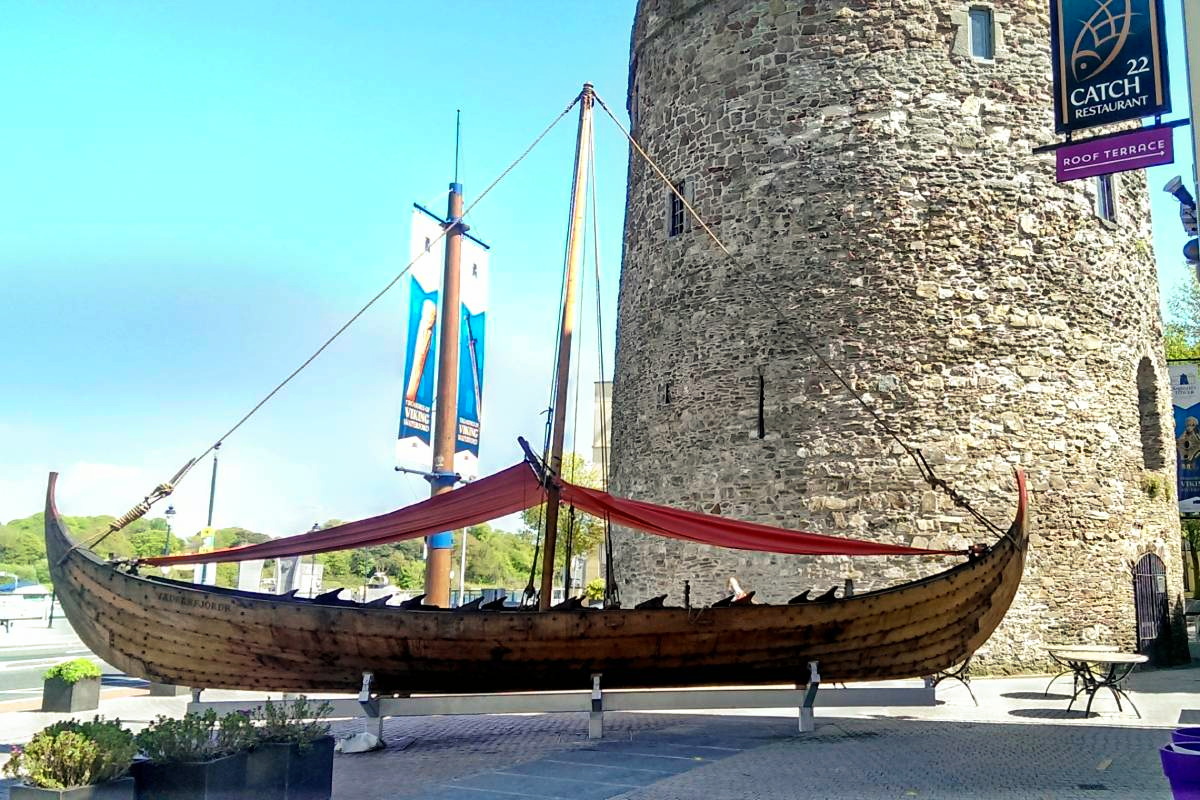
Waterford, home to Ireland's oldest Viking settlement, preserves its history with a longship at Reginald's Tower. Photo: Nmwalsh (CC BY-SA 4.0)
Waterford: The windy fjord of southern Ireland
Just as with Dublin and many other Irish settlements from the Viking Age, there are written historical records of the Norse presence at Waterford.
While it is thought that the Vikings first established a settlement there in 853, the Fragmentary Annals of Ireland tells us that in 914, "a great fleet of Norwegians landed at Port Láirge (the Irish name for Waterford), and they plundered northern Osraige and brought great spoils and many cows and livestock to their ship."
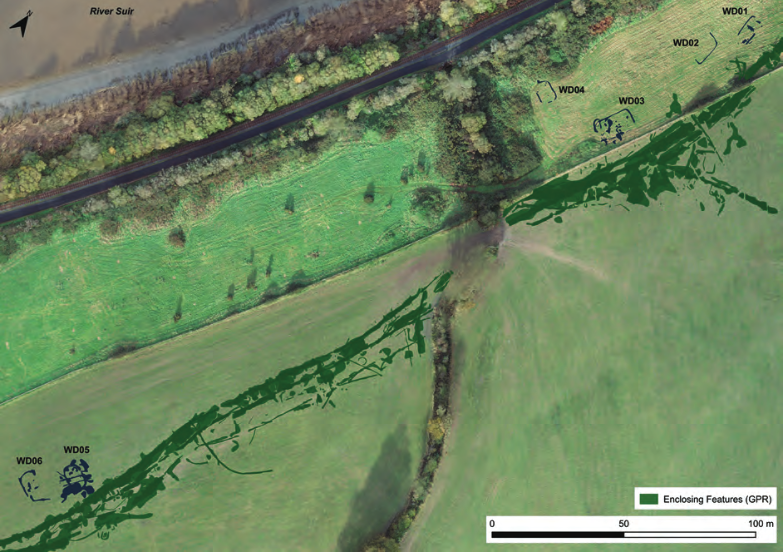
In the 1980s, archeological excavations revealed the remains of a densely populated settlement that, by the 11th century, was clearly flourishing.
Today known as the Waterford Viking Triangle, the area contained two main roads made from closely packed pebbles and a range of different houses, most made with clay floors and wattle walls.
Waterford – derived from the Old Norse Veðrafjǫrðr, meaning "ram (wether) fjord" – also appears to have been a significant site of Norse-Gaelic industry, with evidence of comb production and ship timbers found during the digs.
Other finds have also included pottery from the south of England and indications of trading links with France.
Today, tourists can take guided tours that tell of the city's Viking past, while the Viking Museum presents some highlights from the archeological excavations.
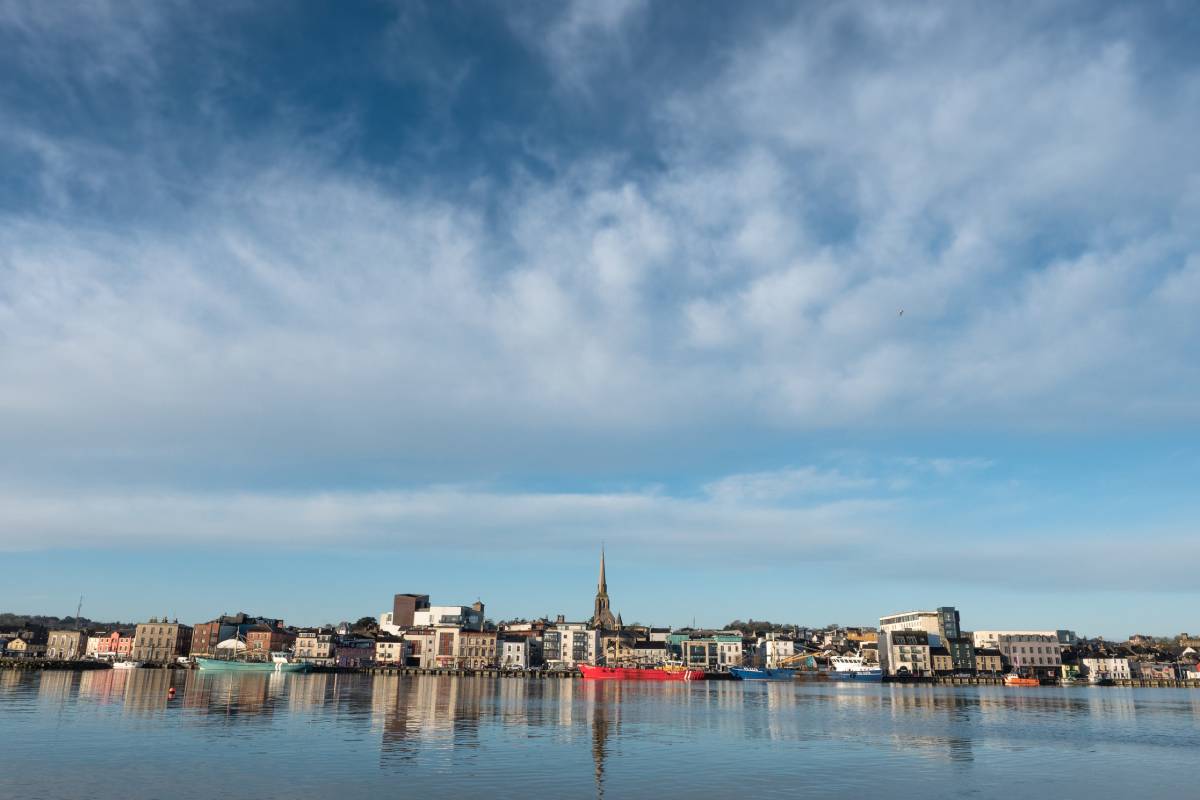
The Vikings founded Wexford in the early 9th century, and for nearly 300 years, it remained a Norse stronghold. Photo: ViewfinderIreland / Shutterstock
Wexford: An inlet and refuge
Wexford was founded by the Vikings around the start of the 9th century. Its name is derived from the Old Norse Veisafjǫrðr, meaning "inlet of the mudflats."
Once again, experts have been able to piece together the story of Viking Age Wexford through a combination of historical records and archeological excavations.
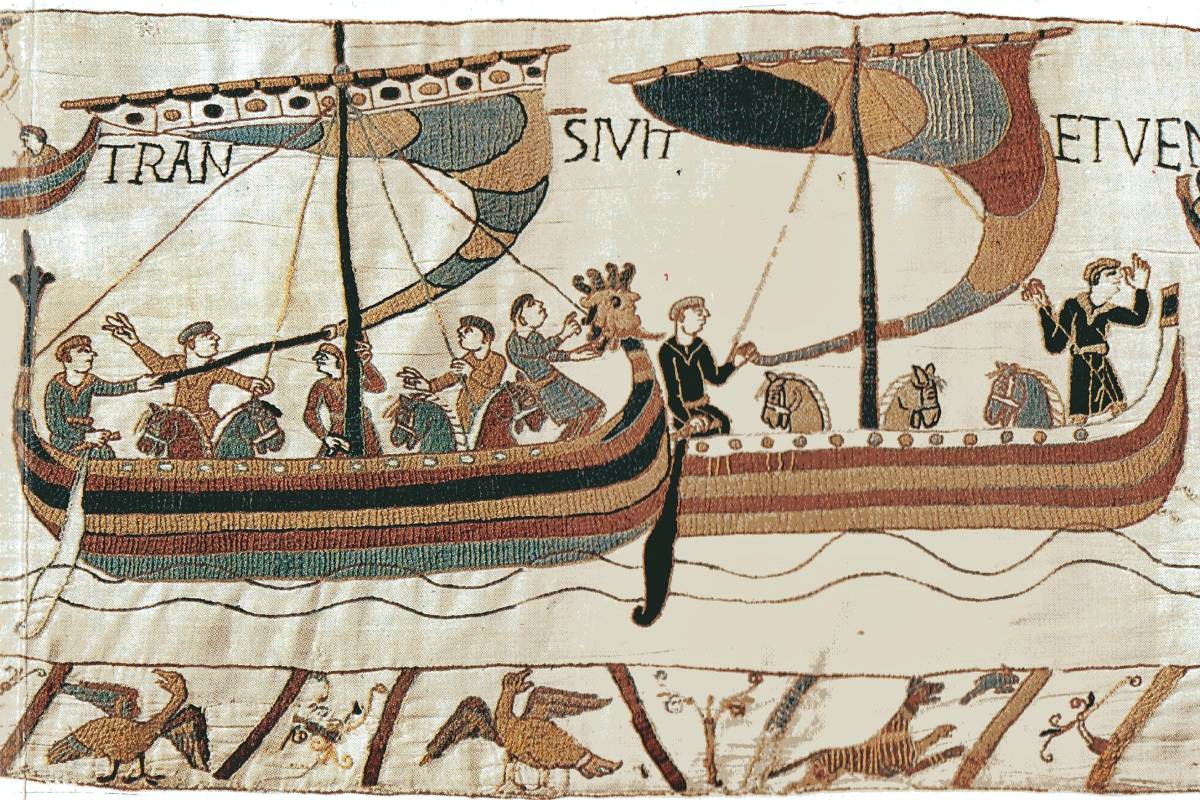
Although Wexford is thought to have been a Viking stronghold for up to 300 years, it also became a place of refuge for leaders fleeing political turmoil in England.
We know that Harold Godwinson, for example, sought refuge there at the court of Diarmuid Mac Mael na mBó, the king of Leinster.
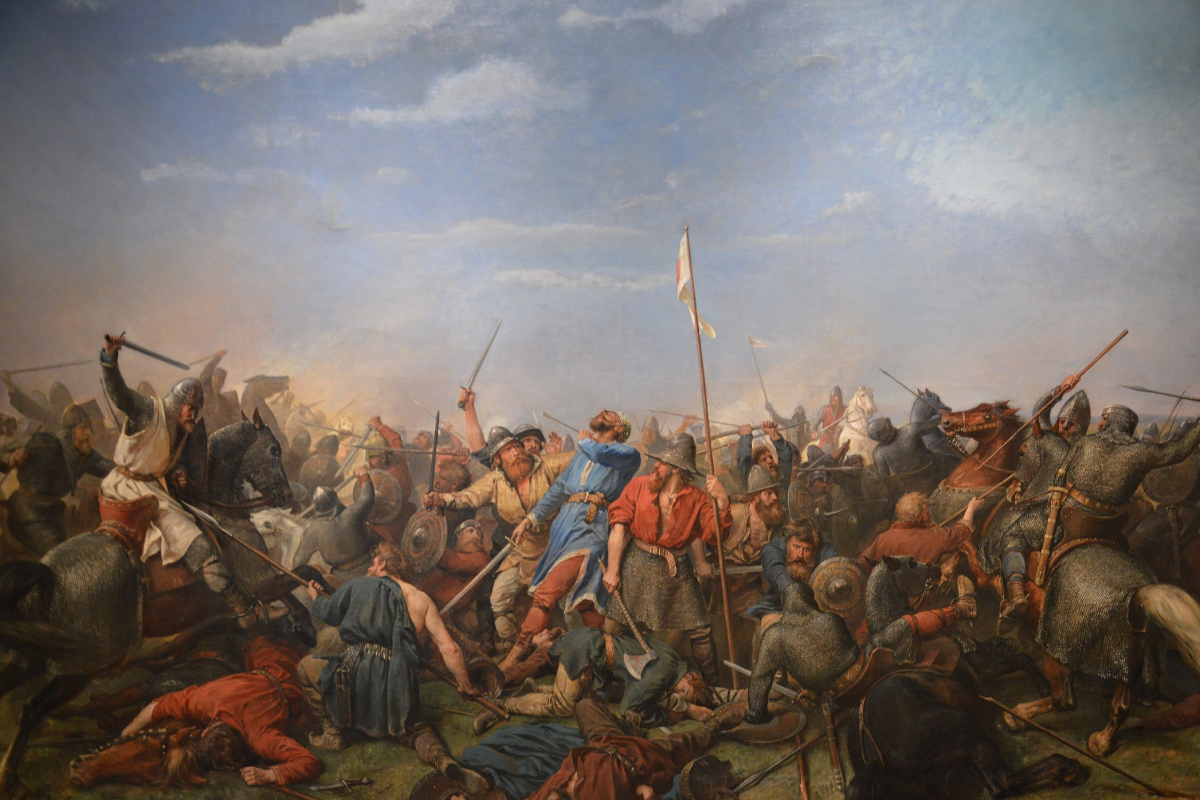
Located on the southeast coast of Ireland between Dublin and Waterford, Wexford was often subject to fierce battles as Viking and Irish kings struggled for supremacy.
The settlement was eventually taken from the Vikings by another king of Leinster, Dermot MacMurrough, who was aided by his Norman ally, Robert Fitz-Stephen.
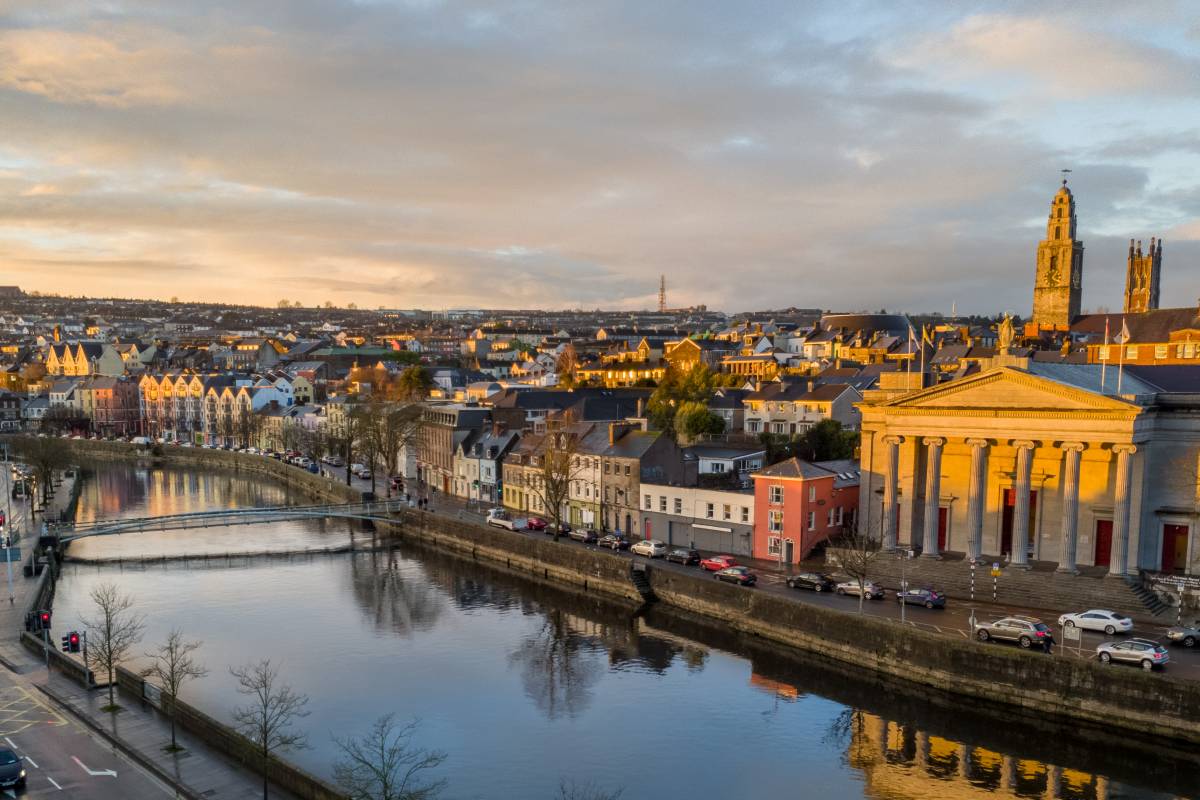
The Vikings established Cork in the 9th century, though little archeological evidence of their early settlement remains. Photo: Dario Lucci / Shutterstock
Cork: Hiberno-Viking culture interrupted
The city of Cork, in southern Ireland, is yet another settlement established by the Vikings in the 9th century.
The Irish annals tell us that by 846 CE, the king of Munster was already attacking a Viking stronghold at Cork, while a Viking leader from the settlement is recorded as being killed in a battle with men from Waterford in 865.
Unlike Waterford, Dublin, and Wexford, however, extensive archeological excavations of Cork that took place in the 1970s failed to reveal any notable settlement from the Viking Age.
However, It is thought that an important harbor was located in the Cork area. Some Norse residences that date from approximately 1100 CE and later have also been identified here.
It is thought that the early settlement at Cork was much smaller than some of its counterparts in Ireland.
In time, however, the Hiberno-Viking culture that evolved here would grow in influence and undoubtedly helped form the foundations for the Cork we see today.
In 1177, however, knights arrived from England and captured the town – most of the survivors of the attack were forced to leave Cork for good.
- READ MORE: The Viking history of Ireland – A primer
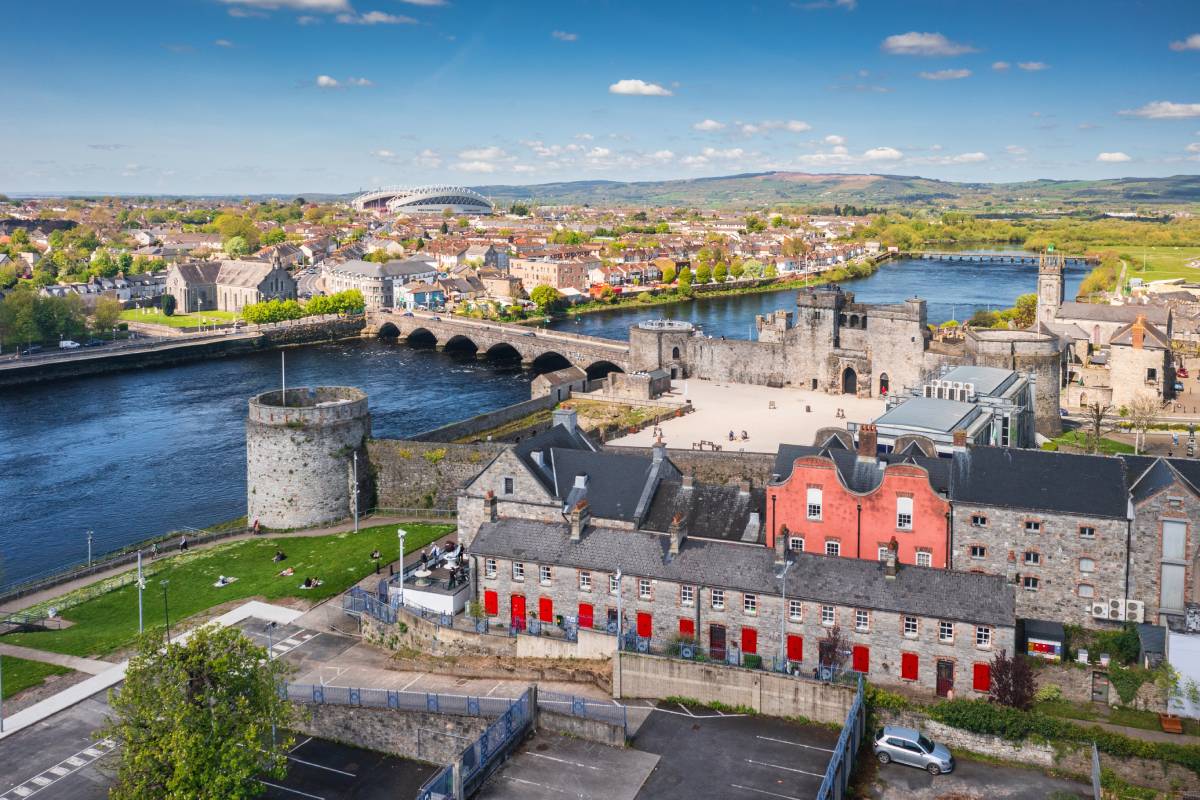
Limerick, established by the Vikings in the 800s, later became a thriving Hiberno-Norse trade center. Photo: Patryk Kosmider / Shutterstock
Limerick: Signs of international trade
Irish records show that Limerick, located close to the west coast of the country, was initially occupied by the Vikings in the 800s before a more permanent settlement developed in the 10th century.
Although initially kept subordinate to Dublin, it is thought that a Hiberno-Viking settlement began to flourish after its capture by Ua Briain.
Limerick was soon established as the capital of the Kingdom of Munster and grew to be a notable center of trade in western Ireland.
As of yet, there have been no definitive traces unearthed of a Viking Age settlement at Limerick.
There have, however, been a few notable finds, including a Nordic kite brooch, a silver penny minted for King Cnut, and some indications of defensive banks and ditches.
It is also thought that the Vikings established a presence on a number of islands in the area, including King's Island and Scattery Island, where the Norse kings of Limerick resided.
The influence of the Vikings in Ireland spread far beyond these five cities, with the Norse opening up a series of international trade routes and making countless contributions to the culture of the Irish people.
Other notable Viking-linked locations in Ireland include Strangford, Leixlip, Carlingford, and Wicklow.
Ironically, Lough Tay in County Wicklow was also used in the famous TV series Vikings as the setting for the mythical Kattegat, a classically Scandinavian settlement.
We get to provide readers with original coverage thanks to our loyal supporters. Do you enjoy our work? You can become a PATRON here or via our Patreon page. You'll get access to exclusive content and early access.
Feel free to reach out to discuss potential stories that may be in the public interest. You can reach us via email at [email protected] with the understanding that the information you provide might be used in our reporting and stories.