


While Europe's grand museums draw millions every year, some of the most memorable encounters with Viking history can be found in smaller, lesser-known institutions.
Tucked away in scenic corners and historic towns, these five museums invite visitors to slow down, look closer, and discover the Viking past without the rush.
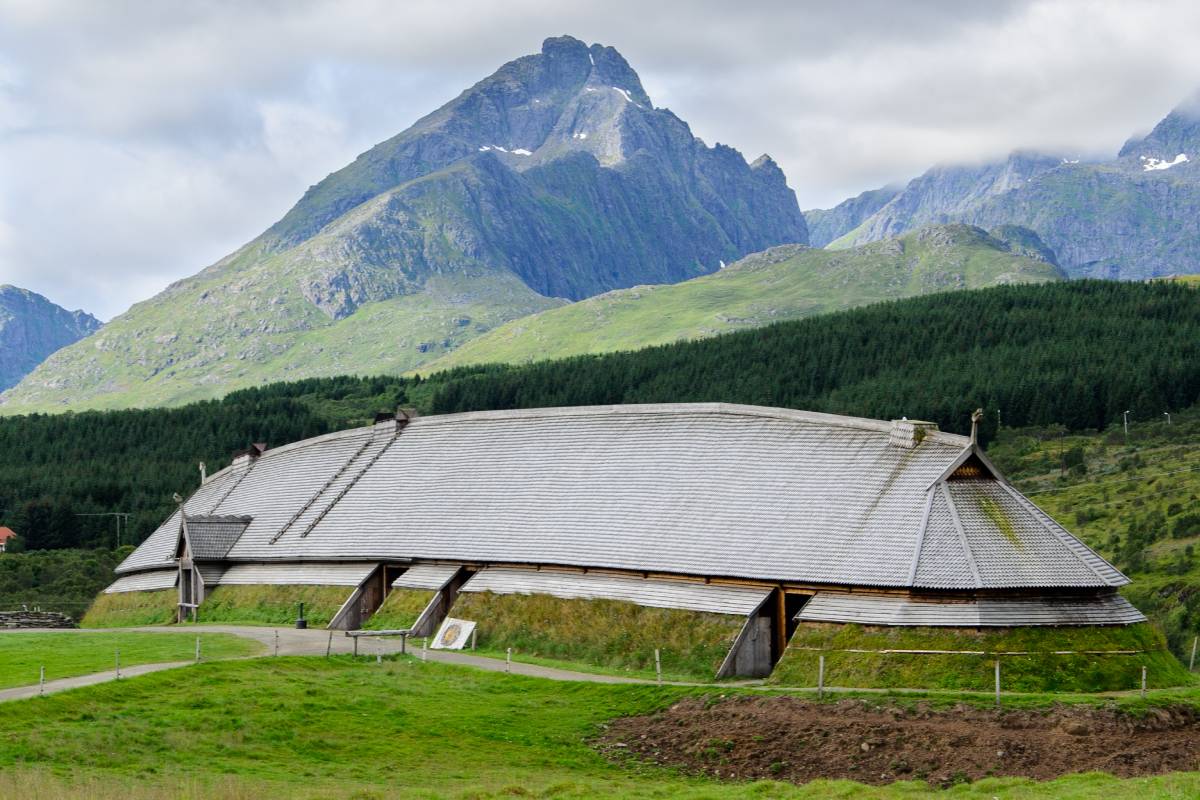
Lofotr Viking Museum features a full-scale reconstruction of an 83-meter-long Viking chieftain's hall. Photo: Marek Kania / Shutterstock
1) Lofotr Viking Museum, Borg, Norway
Is there a more picturesque part of Norway than the Lofoten archipelago? In the opinion of this author (and without wanting to upset many of our Norwegian readers), absolutely not!
Nestled amongst the windswept, fjord-carved archipelago that houses many picturesque fishing villages is one of northern Norway's greatest hidden secrets: Lofotr Viking Museum (Lofotr Vikingmuseum).
Whilst many tourists come to Lofoten to see the celestial majesty of the Aurora Borealis (Northern Lights), a visit to this museum offers an unforgettable journey into the world of Norway's Viking past.
The museum, located in Borg, is housed in the world's longest reconstruction of a Viking longhouse.
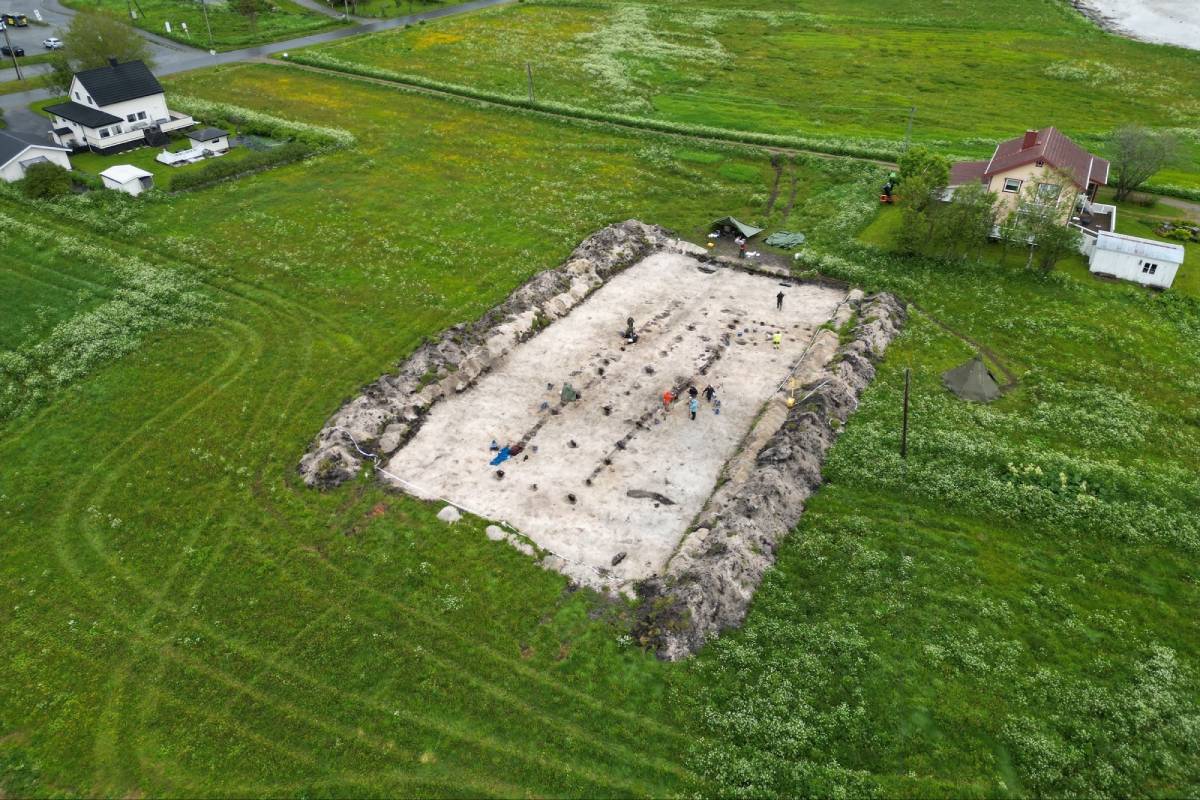
Sitting on the original site of the largest longhouse ever unearthed—some 83 meters (272 feet) long—the museum has faithfully constructed a replica that houses a living museum. This is not just a museum to wander around, but one that fully immerses you in Viking life.
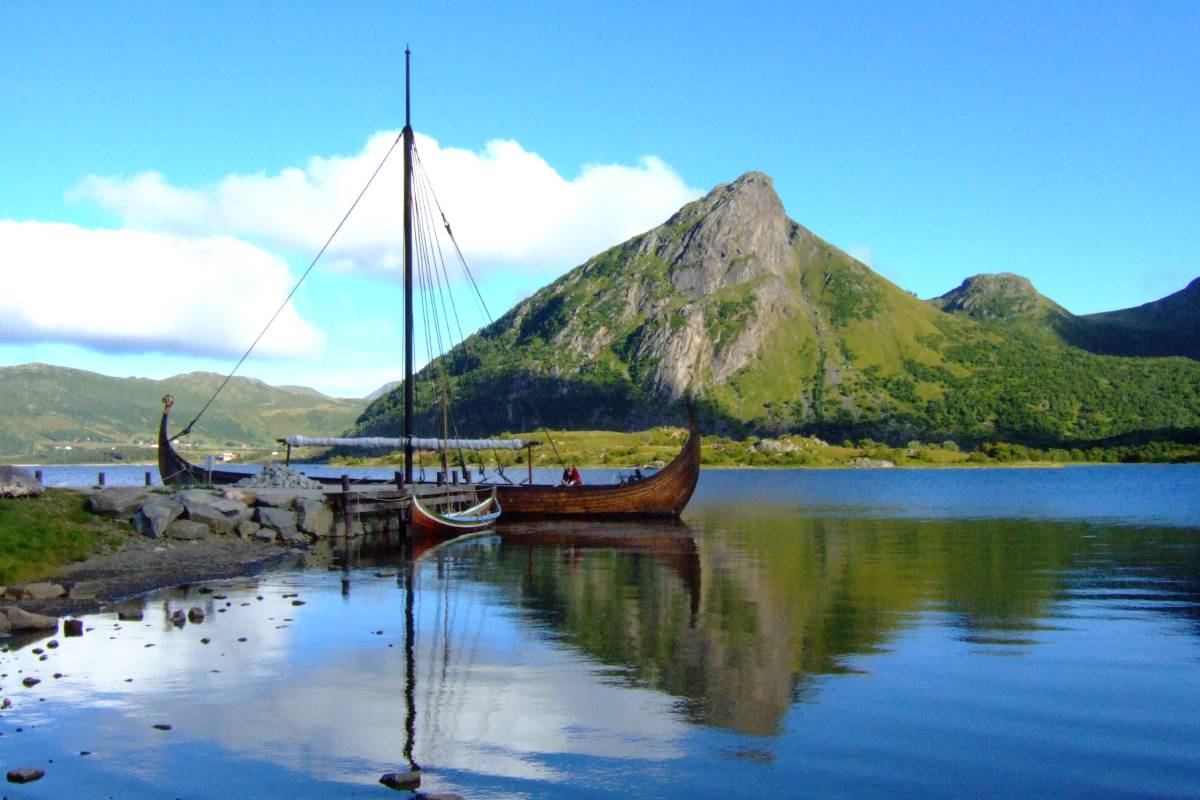
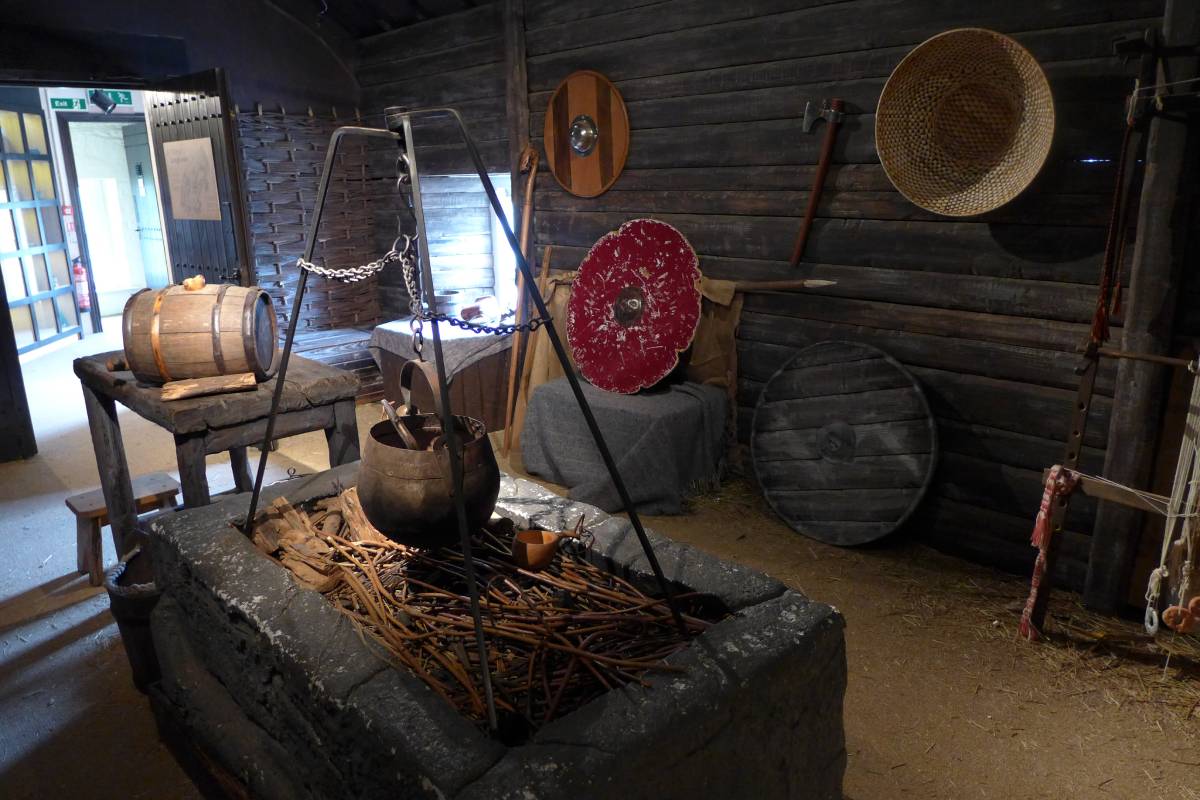
Step inside and all your senses will be consumed by all things Viking, from the roar of a crackling fire to the delicate beauty of handwoven textiles to numerous Viking-era artifacts, including a faithful reconstruction of a Viking ship, Vagrfot, moored in the harbor.
Come for the stunning landscape, stay for the history of the Borg longhouse, a center of power and prestige in the Viking north.
Visit the Lofotr Viking Museum website here for more information.
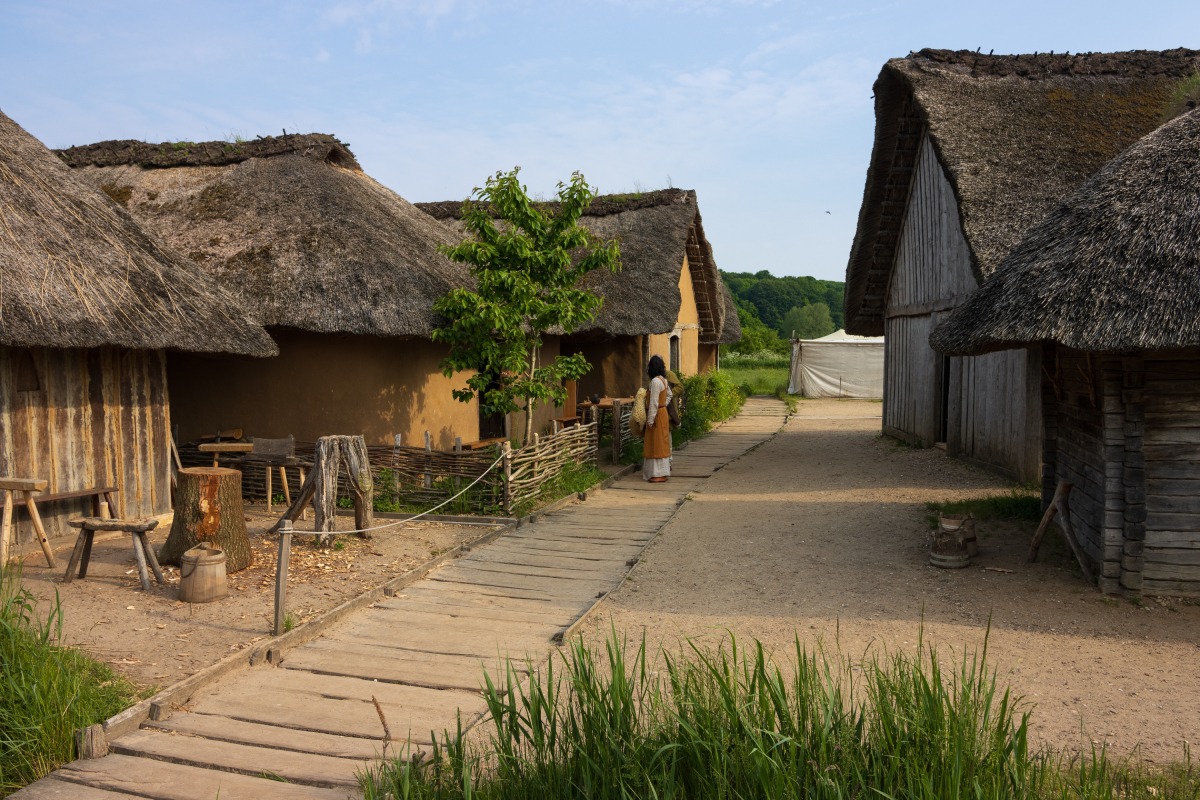
The museum includes a reconstructed Viking village based on archeological remains uncovered near the original settlement. Photo: LGieger / Shutterstock
2) Viking Museum Hedeby, Busdorf, Germany
Nowadays, what was once Hedeby, one of the most important and earliest trading entrepôts in the Viking world, lies not in Scandinavia but in northern Germany.
The cultural borders of the Viking world were certainly more permeable than anything politicians draw up today in the modern world.
Given the vital significance of Hedeby to the economic development of the Viking world, especially with trade, commerce, and cross-cultural connections, the Viking Museum Hedeby (Wikinger Museum Haithabu) does not get the attention it thoroughly deserves.
Located near Schleswig, northern Germany, this museum showcases not only precious artifacts (including Viking-era jewelry and weapons) but also features a faithful reconstruction of a Viking village, complete with seven houses and a landing bridge.
These structures help to show visitors what everyday life for people in Viking societies was like. In the warmer months, costumed staff demonstrates traditional crafts and cooking techniques.
The museum is also situated not far from the remains of the Dannevirke fortifications, and due to their deep cultural and historical importance for Northern Europe, the two sites were designated UNESCO World Heritage Sites in 2018.
Visit the Viking Museum Hedeby website here for more information.
North Down Museum explores the cultural transitions between the Gaelic, Viking, and later Norman periods in Irish history. Photo: Notafly (CC BY-SA 3.0)
3) North Down Museum, Bangor, Northern Ireland, United Kingdom
The Viking Age cast a long shadow over the island of Ireland. In many ways, it was the link between its early medieval Gaelic and Celtic periods and the invasions of the Normans and the English that dominated its later medieval period.
The Vikings, though ruthless, shaped the Irish landscape from north to south.
Whilst the Republic houses many a fine Viking artifact and museum, the north of the island had just as strong a Viking culture, history, and presence. Some of the first Viking raids are believed to have occurred around the shores of what is now Northern Ireland.
The North Down Museum, in Bangor, is one of the most beautiful museums on the island of Ireland, thanks to it being housed on the picturesque grounds of Bangor Castle.
This was once a site of immense political and religious importance during the early medieval period, when Vikings roamed the countryside, as the grounds once held a monastery too.
The museum houses artifacts from the Bronze Age right through to the Viking Age (and beyond). Notably, it houses the Bangor Bell, a 9th-century CE handbell discovered in the 19th century, believed to have been rung to warn the local community when under attack from ne'er-do-wells like the Vikings.
Visit the North Down Museum website here for more information.
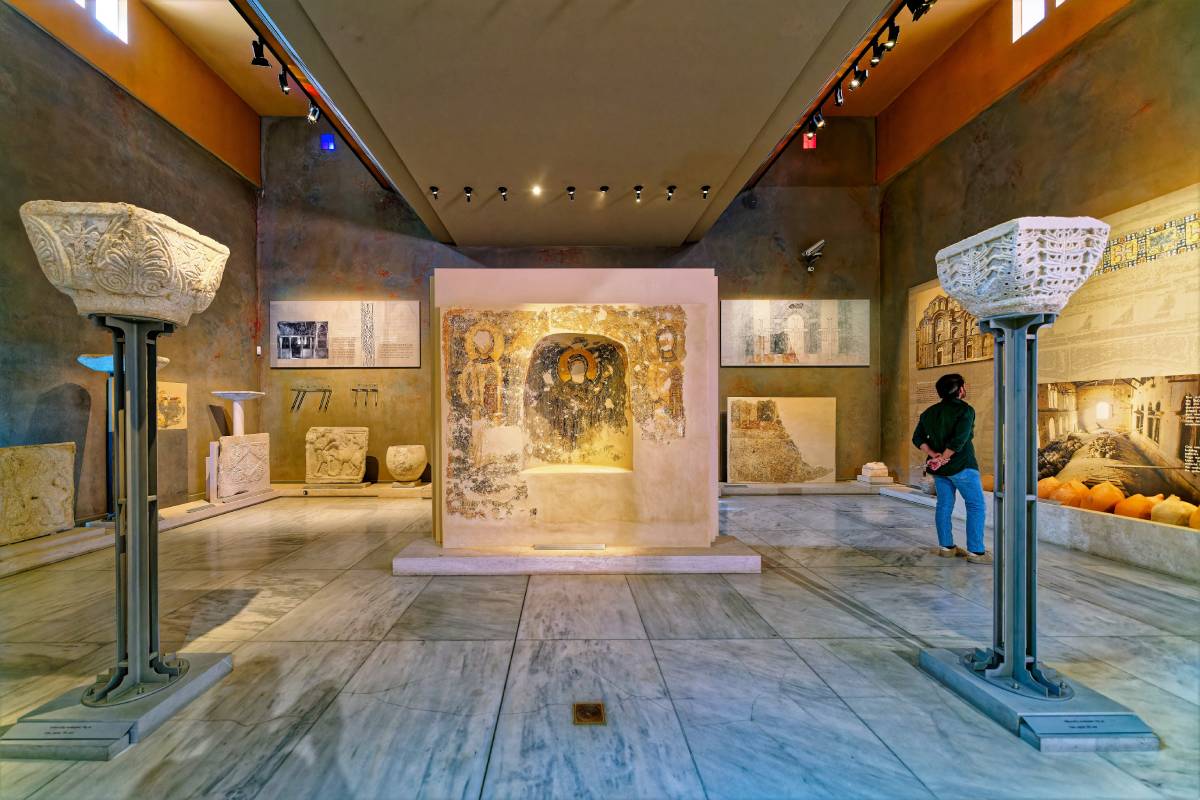
The museum presents seals, coins, and military artifacts related to Scandinavian involvement in Byzantine affairs. Photo: Holger Uwe Schmitt (CC BY-SA 4.0)
4) Museum of Byzantine Culture, Thessaloniki, Greece
This may strike some readers as a bit of a leftfield option. Yet what is now Greece has a long and rich Viking history.
What we now call the Byzantine Empire was, of course, the eastern half of the Roman Empire that never went away... until the mid-15th century CE, that is.
The eastern adventures of people from Viking societies are just as historically consequential and fascinating as anything that happened westward. So much of the Byzantine Empire had firsthand experience with people from Viking societies that was sometimes profitable, sometimes peaceful, but always eventful.
The Museum of Byzantine Culture (Μουσείο Βυζαντινού Πολιτισμού), in the Empire's (and now Greece's) second city, Thessaloniki, has several exhibitions with connections to people from Viking societies.
In the "Dynasties of the Byzantine Emperors," there are coins and seals from the emperors who employed many Viking warriors as part of the famed Varangian Guard. These same Vikings, before they had employment with the emperor, would often lay waste to Byzantine fortifications, as highlighted in the "Byzantine Castle" exhibit.
Much is made of the broader Byzantine economic, political, and social context in which people from Viking societies played minor but important roles.
Visit the Museum of Byzantine Culture website for more information here.
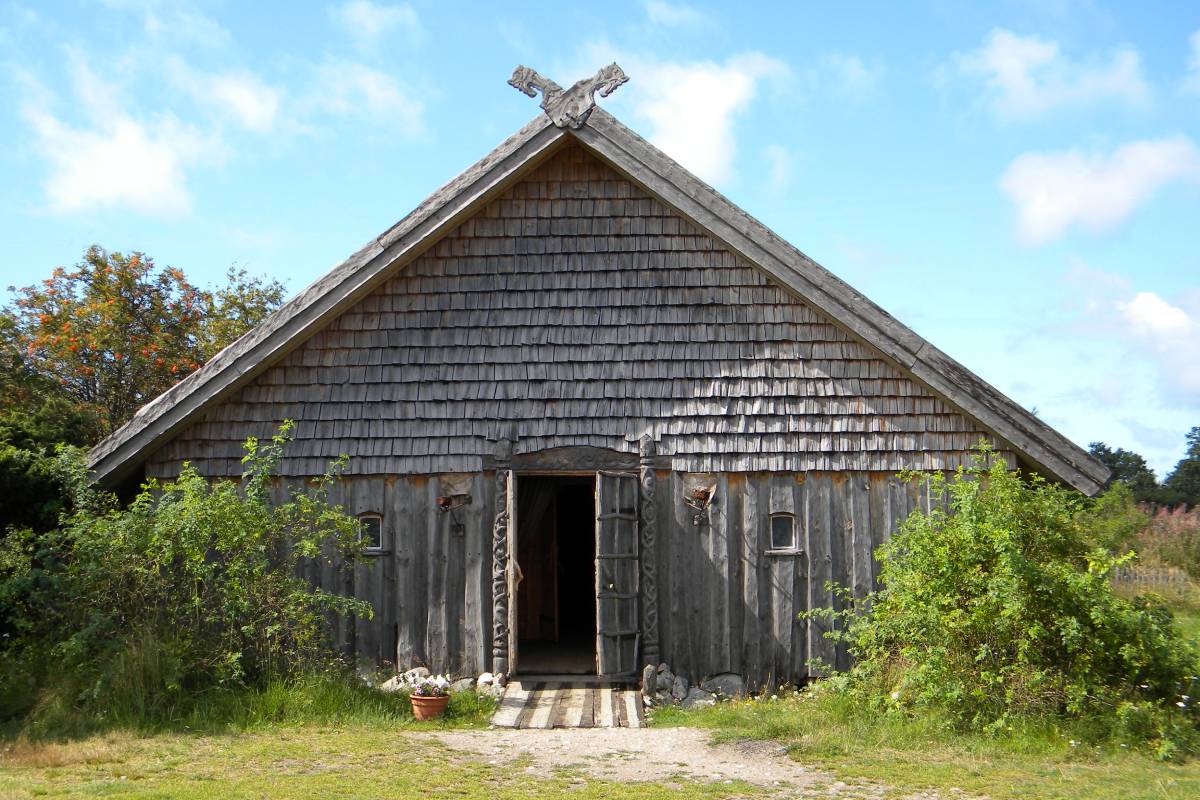
Rosala Viking Centre presents archeological finds and reconstructions based on Viking activity in the southwestern archipelago of Finland. Photo: Pöllö (CC BY-SA 3.0)
5) Rosala Viking Centre, Rosala, Finland
Poor old Finland. Though often mistakenly lumped in with Scandinavia, Finland is not part of it, though it is a Nordic country. As a result, it has often been overshadowed in Viking history by its three western neighbors.
However, wind the clock back a millennium, and what is now Finland was very much a central location for the adventures and exploits of people from Viking societies.
This rich history is captured in the fantastic Rosala Viking Centre (Viikinkikeskus Rosala), with its focus on highlighting the archaeological finds from the nearby area, including Viking weapons and warfare equipment. There is also a replica of the only runestone fragment yet uncovered in all of Finland.
For those wanting to stretch their legs, the museum has masterfully recreated an entire Viking village, including a chieftain's hall, a smith, and a beautiful Viking-era market garden.
Should you visit in the colder months, there is an annual Yule Dinner that takes place in the chieftain's hall, where you can eat, drink, and be merry like a Viking!
Visit the Rosala Viking Centre website for more information here.
We get to provide readers with original coverage thanks to our loyal supporters. Do you enjoy our work? You can become a PATRON here or via our Patreon page. You'll get access to exclusive content and early access.
Feel free to reach out to discuss potential stories that may be in the public interest. You can reach us via email at [email protected] with the understanding that the information you provide might be used in our reporting and stories.




.JPG)

