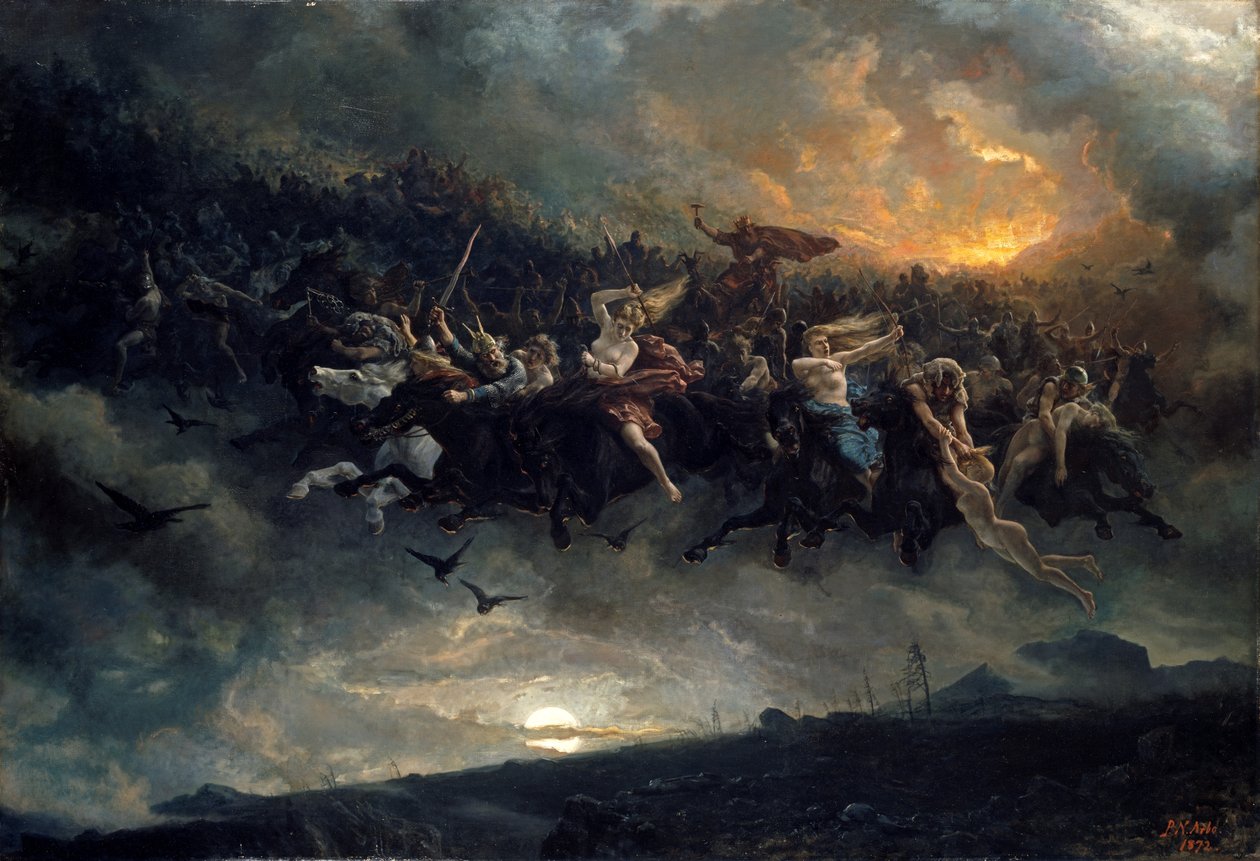


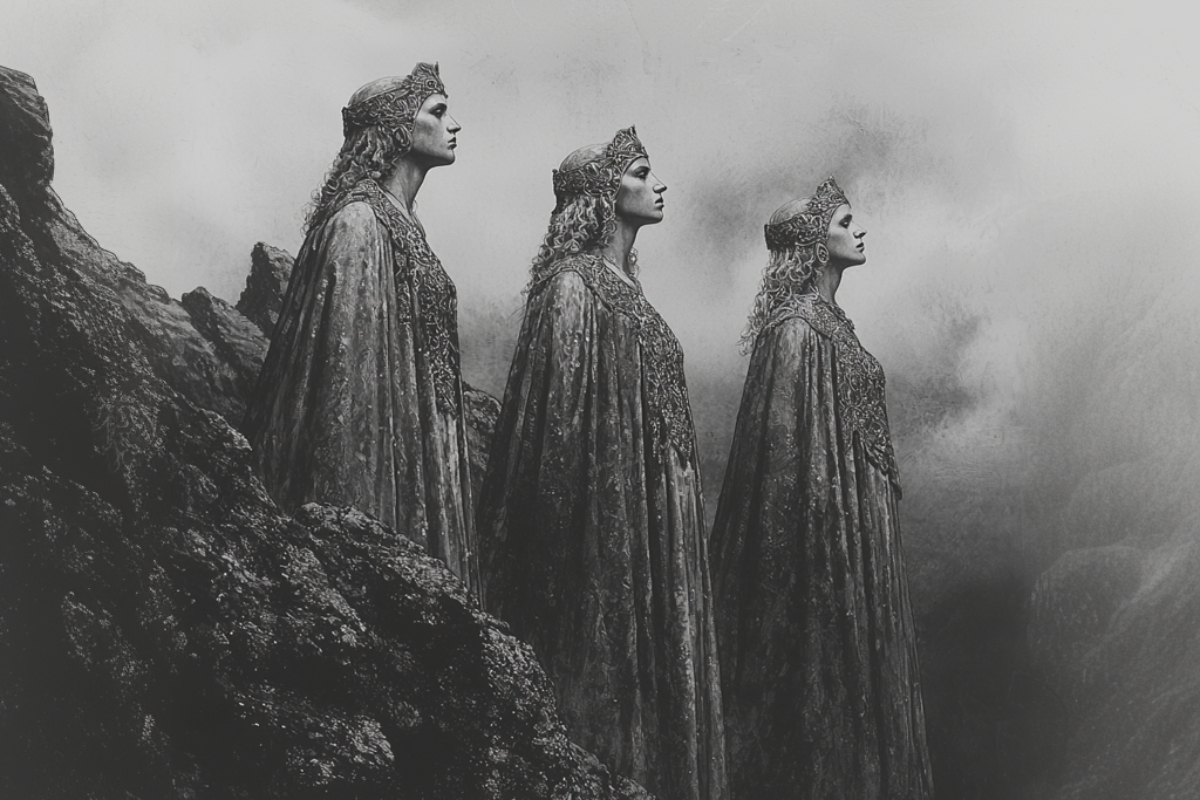
It is only in recent times that academics and scholars have coined the term the "Old Norse religion" to describe a series of spiritual belief systems and practices found throughout Viking societies in the early medieval period.
The term is a bit of a misnomer because, unlike many contemporary religions, Old Norse spiritual practices weren't a single 'religion' as we understand it today.
It had no sacred texts, formal institutions, or codified dogma. What it did have, however, was gods and goddesses.
As John Lindow writes in his 2002 book, Norse Mythology: A Guide to the Gods, Heroes, Rituals, and Beliefs, what we call the "Old Norse religion" was actually a polytheistic belief system centered on the widespread reverence and worship of two vast pantheons of deities.
Religious rituals – like the famous blót (sacrifices) – were woven into seasonal cycles and local traditions rather than being a form of structured worship.
It was also influenced by other regional beliefs, whether the shamanic animist practices of the Sami or the more formalized Christian worship.
This led to a highly dynamic spiritual belief system that not only changed from village to village but also from century to century.
Some of the most revered deities in the Old Norse religion were female. Despite the marginalization and subjugation – by our modern standards – of women in these societies, there was a great deal of respect for goddesses.
We now turn our gaze to the most famous goddesses in Norse legend and lore.
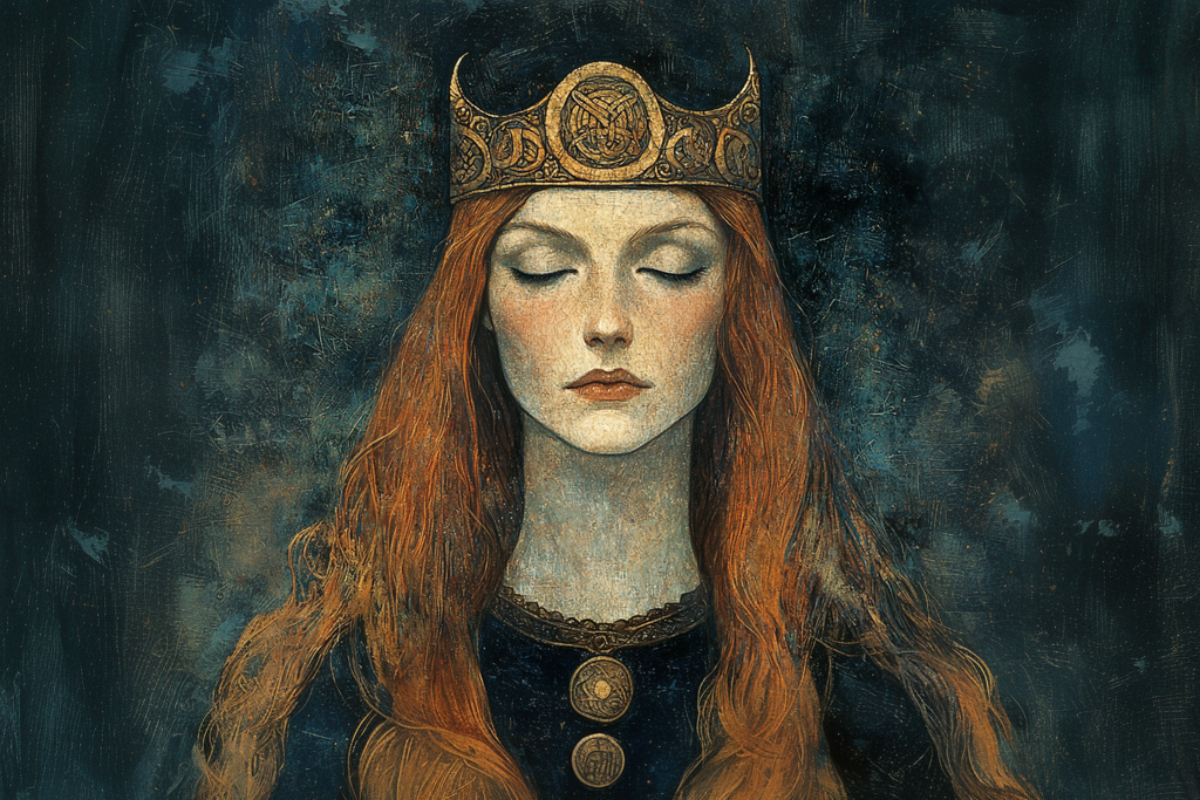
Freyja, a Norse goddess known for love and fertility, also chose fallen warriors for her hall, Fólkvangr. Illustration: The Viking Herald
Freyja: Looks can be deceiving
The most famous chocolate brand in Norway is not only the most delicious (in all our humble opinions at The Viking Herald) but also the best sounding, named in honor of the Norse goddess, Freyja.
She was the goddess associated with the usual feminine tropes – love, beauty, and fertility. However, merely to characterize her, as later cultures did, as a Viking Venus would be wrong.
Let us be clear: this was no shrinking violet, for Freyja was also associated with the violent and bloody call of battle and death.
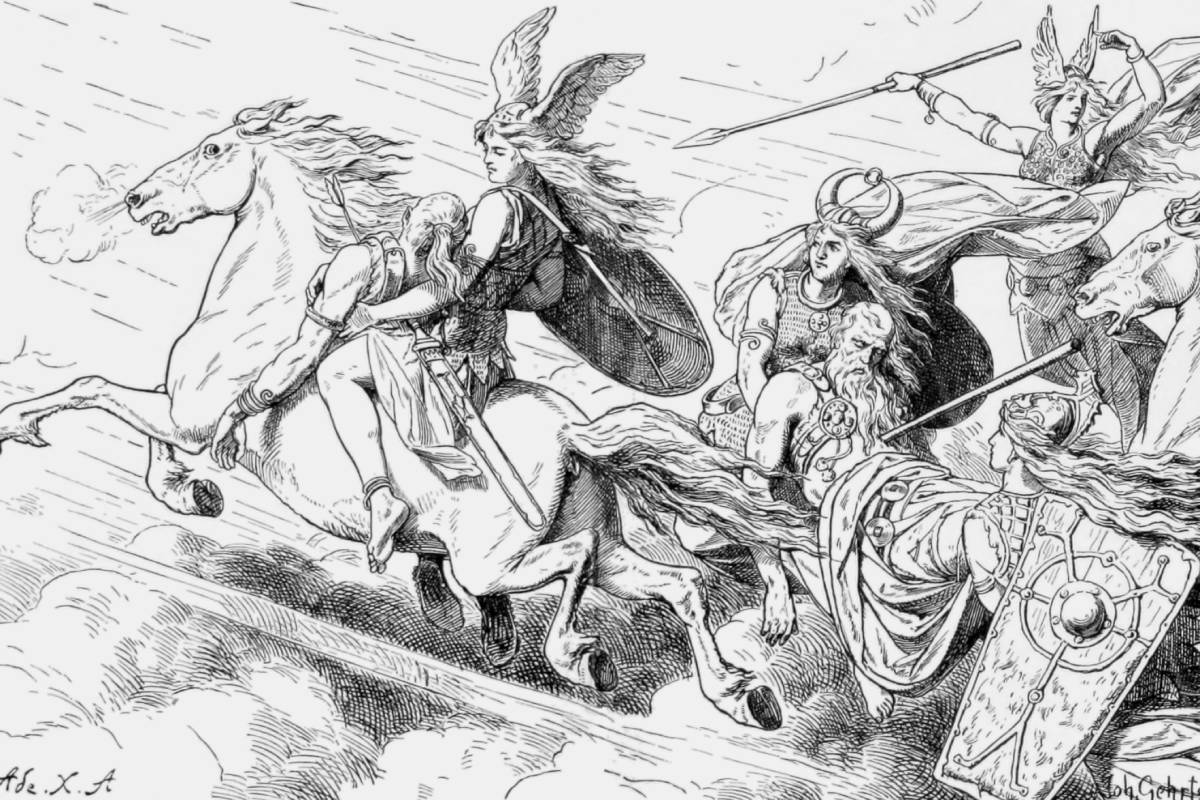
She was responsible for selecting half of the bravest warriors – with the other half selected by Odin – who fell on the field of battle for an eternal spot in the great hall in Fólkvangr.
Not only is Freyja one of the original "nepo-babies" – her father is the Norse god of the sea, Njord – but she also possesses two of the meanest rides in the history of mythology.
When she is not riding across the heavens in a chariot pulled by two cats, she simply hops on a giant boar with golden bristles. It was the former memorable mode of transport that has made her a firm favorite among feline fans today.
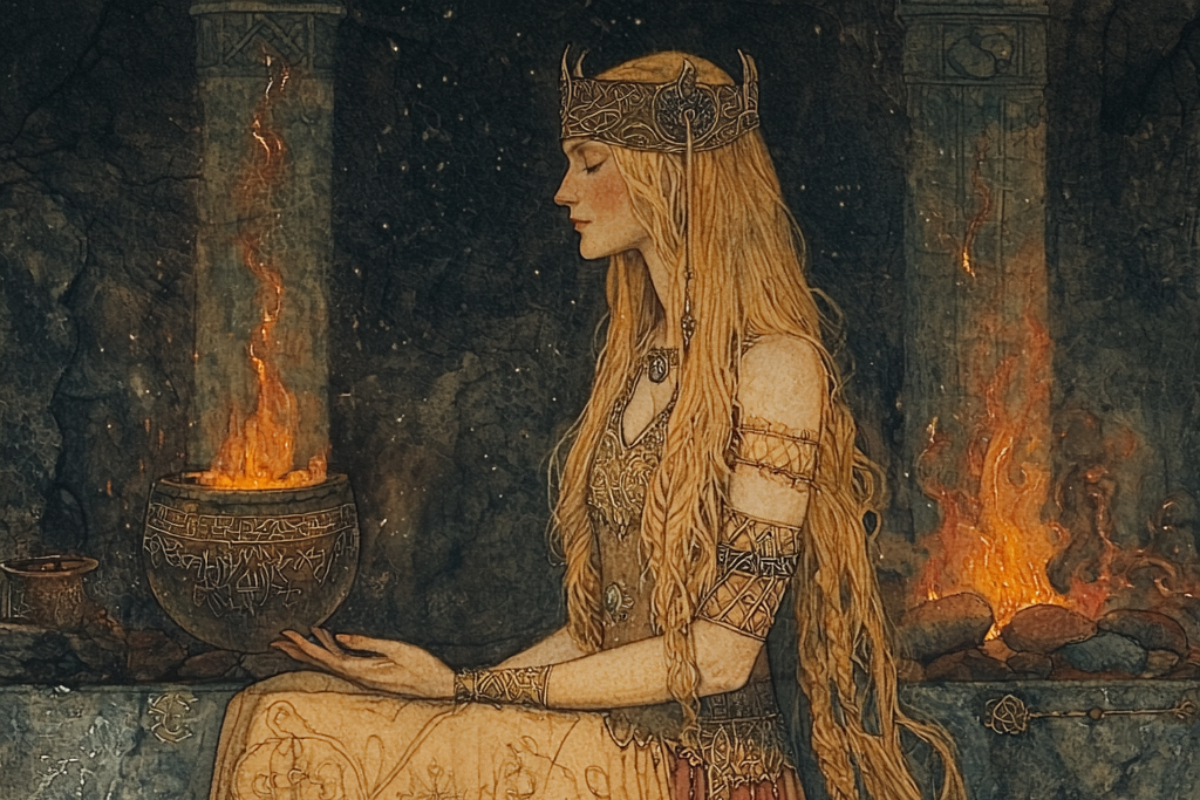
Frigg, queen of the Æsir and wife of Odin, is the Norse goddess associated with motherhood and clairvoyance. Illustration: The Viking Herald
Frigg: Queen, clairvoyant, and protector of families
Whilst her husband Odin often gets all the spotlight and acclaim – having the great honor of being portrayed by no less than Sir Anthony Hopkins in the recent Thor movies – we think the Norse goddess of marriage deserves some publicity.
With her husband being touted as the All-Father of Norse mythology, Frigg was the co-ruler of the Æsir pantheon, a queen in her own right.
Much of what we know about Frigg derives from the Prose Edda – which was first compiled centuries after the Viking Age by Snorri Sturluson.
Based on older Viking oral traditions, Frigg is associated with motherhood and clairvoyance. She is seen as a protector of families, and it is believed her protection was sought to look after a family's most vulnerable members: the young and elderly.
Although Frigg is associated with clairvoyance, she is helpless to stop the death of her son, the gleaming god Baldr.
This speaks to the inevitable nature of fate that underpinned not only Viking societies' daily interactions and beliefs but also their views on death and the afterlife.
Today, she is fondly remembered by workers worldwide for bequeathing her name to the best day of the working week: Friday.
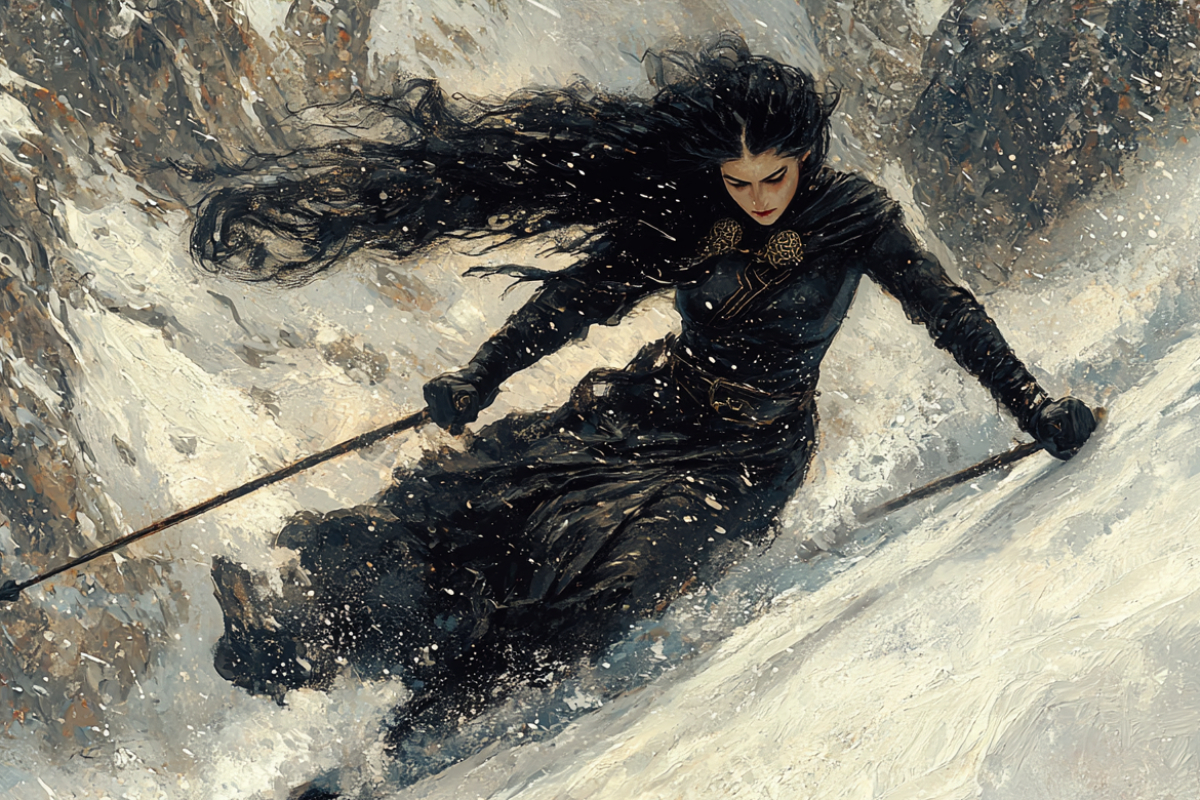
Skaði, a Norse goddess of winter, skiing, and hunting, represents the harsh beauty of the Scandinavian mountains. Illustration: The Viking Herald
Skaði: Adapting to the wintry wonderland of Scandinavia
The Old Norse religion began in the cold, wintry peninsula of Scandinavia, the birthplace of skiing.
People in Viking societies were not the first to ski – archeological evidence points to the fact that skiing had been taking place for centuries before. Yet their reverence for this popular wintry pastime went beyond passion.
It should come as no surprise that there was a goddess born a jötunn (a giant) associated with skiing, hunting, the mountains, and winter in general.
She is married to Njörd, the Norse god of the sea, but is mentioned as an equal to Freyja, more of a stepsister than a stepmother.
With Skaði's home naturally being the mountains and her husband's the watery depths of the sea, these two deities cannot decide where to live.
They reach a compromise, living in each other's natural environment for a few days at a time. Eventually, however, these two opposites decide to go their separate ways, giving us an early example of a harmonious marital separation.
Skaði was held up in Viking societies as an example of how best to adapt to the harsh climatic conditions present throughout much of the Viking heartland in Scandinavia and surrounding areas.
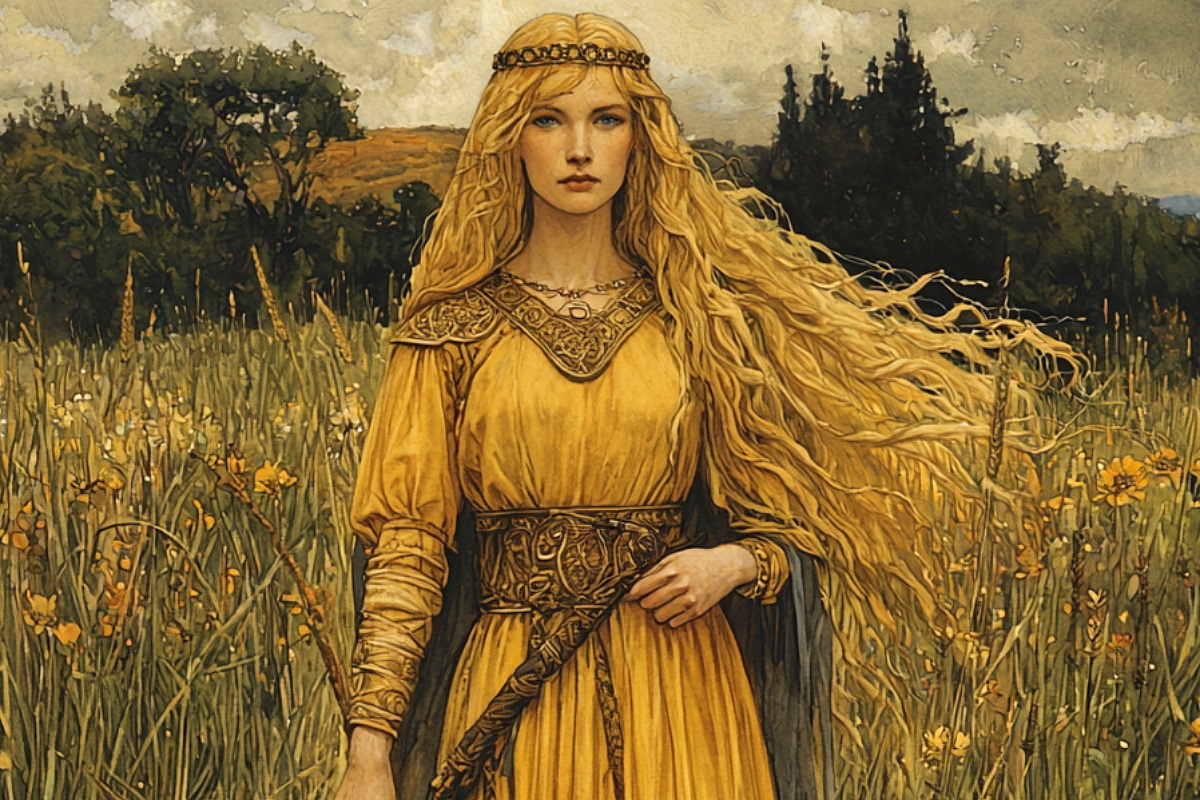
Sif, known for her golden hair, is a Norse goddess associated with fertility and abundance. Illustration: The Viking Herald
Sif: A golden-haired wonder girl
Whilst Baldr may have been the golden boy of Norse mythology, Sif was very much the golden girl – literally.
If we scour the sagas, she is best remembered for her striking and beautiful golden hair. Sadly, however, it was this hair that became a source of envy in the Norse pantheon.
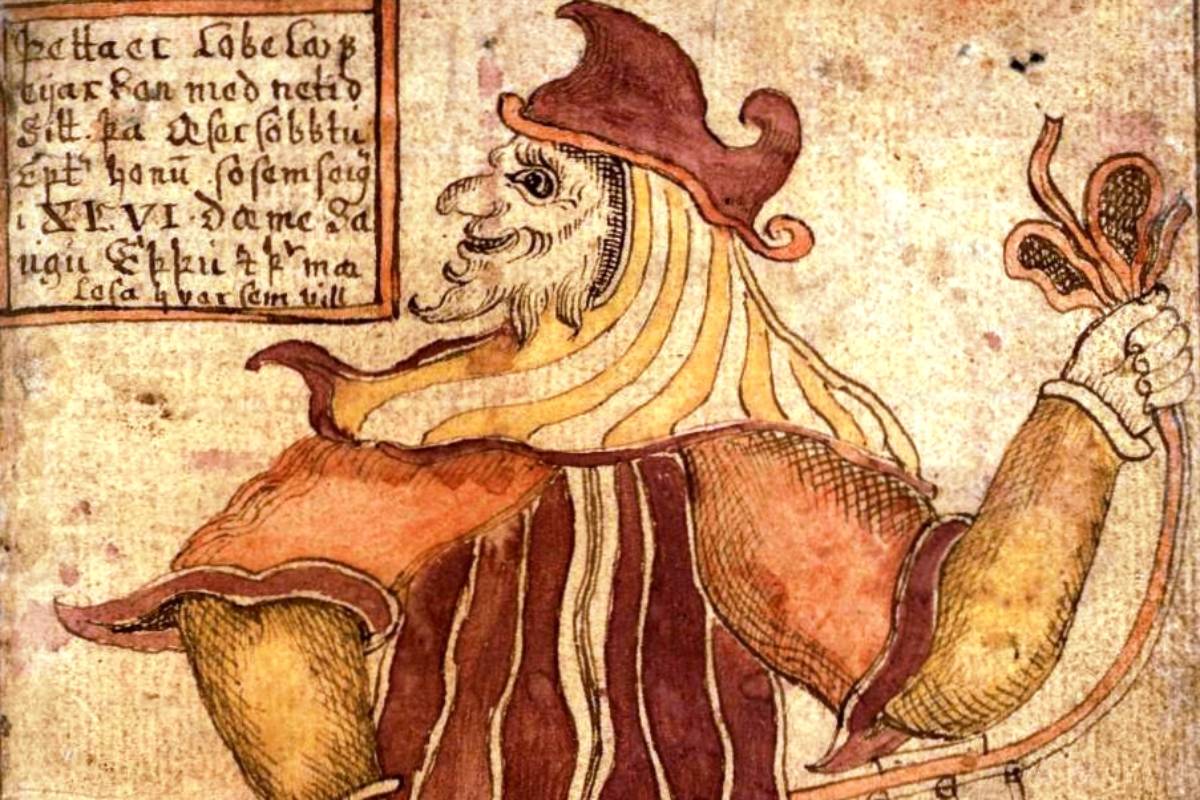
Loki, being Loki, shaved her treasured locks. Given that Sif was married to the mighty Thor – the Norse god of thunder – Loki did not get away with this horrible prank. He was forced to create a brilliant golden headpiece for Sif as compensation.
As Anders Andrén writes in his 2005 article in the Scottish Archaeological Journal, whilst the traditional view is that Sif is associated with the earth, some modern scholars have taken this a step further.
Her golden locks, and later headpiece, have been seen as a representation of golden wheat.
We know that her husband Thor was also called upon to ensure a bountiful harvest, so Sif must also be associated with abundance and new life.
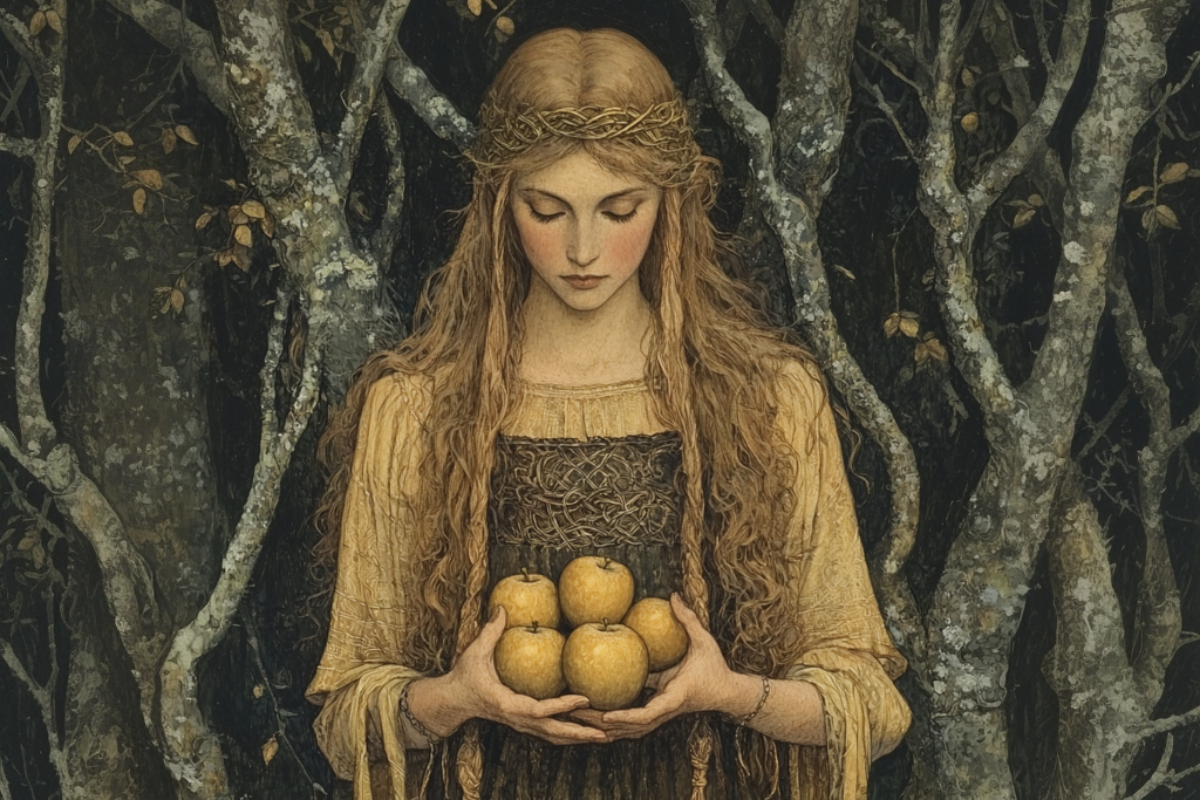
In Norse mythology, Idunn is the goddess who keeps the gods youthful with her golden apples. Illustration: The Viking Herald
Idunn: A-peeling beauty tricks
The Norse goddess Idunn is seen as the deity of youth and rejuvenation. Yet this beautiful goddess wasn't just born that way – she had a magical trick up her sleeve: apples.
She had a strict role in Norse mythology as the keeper of magical apples that granted all Norse deities their eternal youth.
Unlike other mythical deities from different cultures, members of the Æsir and Vanir were not actually immortal; they just lived exceptionally long lives.
These apples were the key ingredient to the longevity of the Norse gods and goddesses, making Idunn one of the most important deities in Norse mythology.
Idunn's golden apples symbolize renewal and eternal health, making her essential to the divine balance. Her significance underscores the importance of rejuvenation and life-sustaining forces in Norse cosmology.
An apple a day not only keeps the doctor away but also the mortician.
These are just some of the most famous Norse goddesses in the rich tapestry of legends, myths, and sagas. This is by no means an exhaustive list, as many more female deities appear throughout Norse literature.
The best way to discover some of these powerful female characters is to dig into the fabled tales of Norse mythology – perhaps with an apple in hand.
For more information on other important Norse deities, visit BBC History Extra here.
We get to provide readers with original coverage thanks to our loyal supporters. Do you enjoy our work? You can become a PATRON here or via our Patreon page. You'll get access to exclusive content and early access.
Feel free to reach out to discuss potential stories that may be in the public interest. You can reach us via email at [email protected] with the understanding that the information you provide might be used in our reporting and stories.