

Sindre Martinsen-Evje, the mayor of Østfold County Municipality in Norway, has called for urgent action to help preserve the Gjellestad Viking ship burial site.
Although the site was only excavated in 2020 and 2021, time is already ticking as archeologists seek to save the remnants of the first Viking ship burial to be found in Norway in over a century.
Will it be gone forever?
With the help of ground-penetrating radar, Gjellestad was discovered more than 100 years after the Oseberg ship was excavated in 1904.
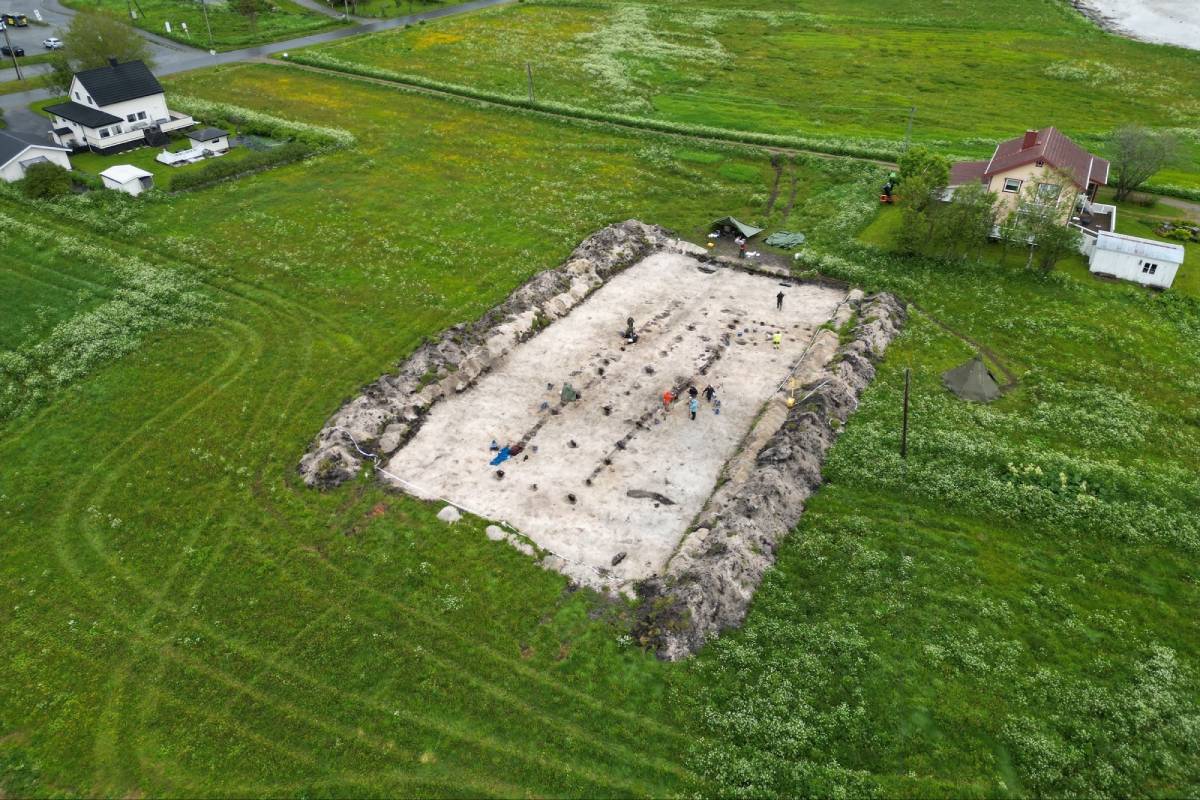
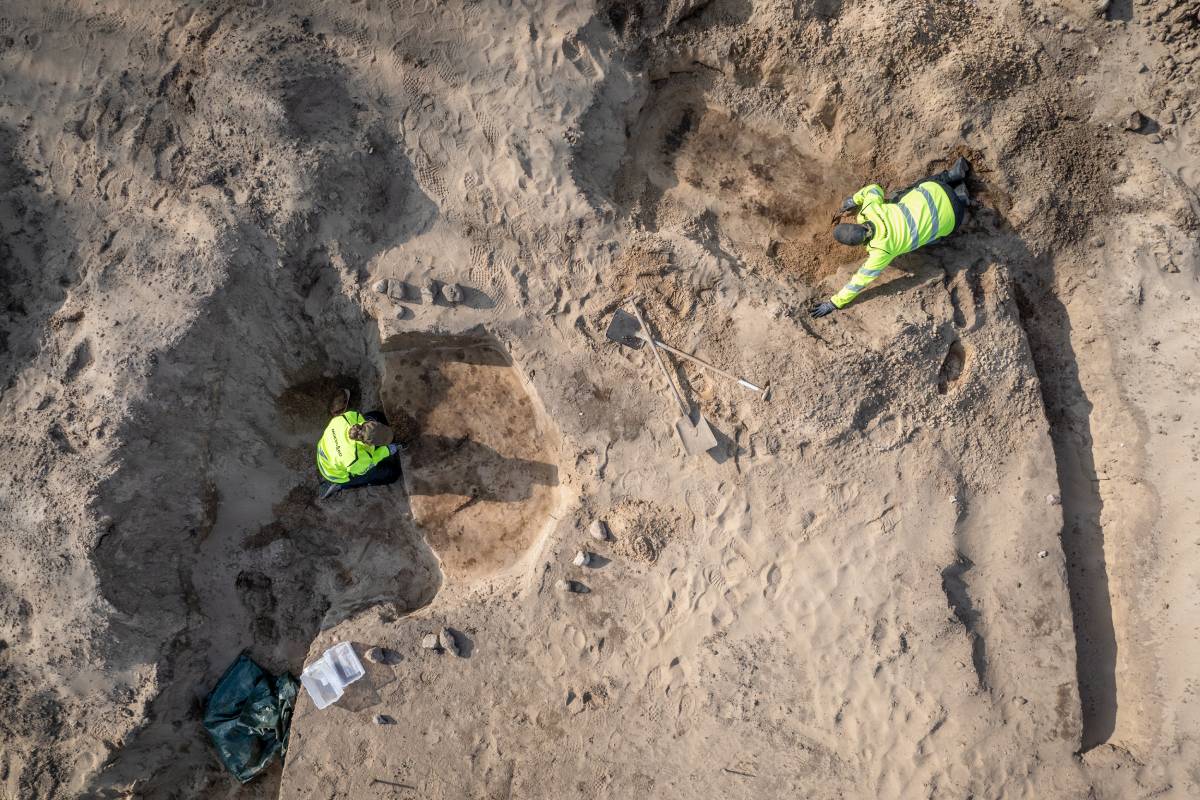
The Gjellestad dig, which took place near the town of Østfold on the Viksletta Plain, revealed the remains of both a large Viking ship burial and several other interesting finds, including horse teeth, a large amber bead, and a Viking axe.
The burial chamber also contained thousands of fragments of wood, iron, and copper alloys, yet the ship was found and remains in a precarious position.
In an innovative piece of archeology, many of the vessel's rivets were removed for analysis in blocks of turf to help keep them intact, while work is also underway to create a 3D model of the ship for posterity.
At the same time, both the archeological team and locals are keen to preserve the vessel on site.
"We fear that before too long, this will be gone forever," commented Sindre Martinsen-Evje, mayor of Østfold County Municipality, to NRK Østfold.
"This means that if we want to experience and communicate the remains of the ship on the spot, as the cultural monument it is, we must decide quickly."
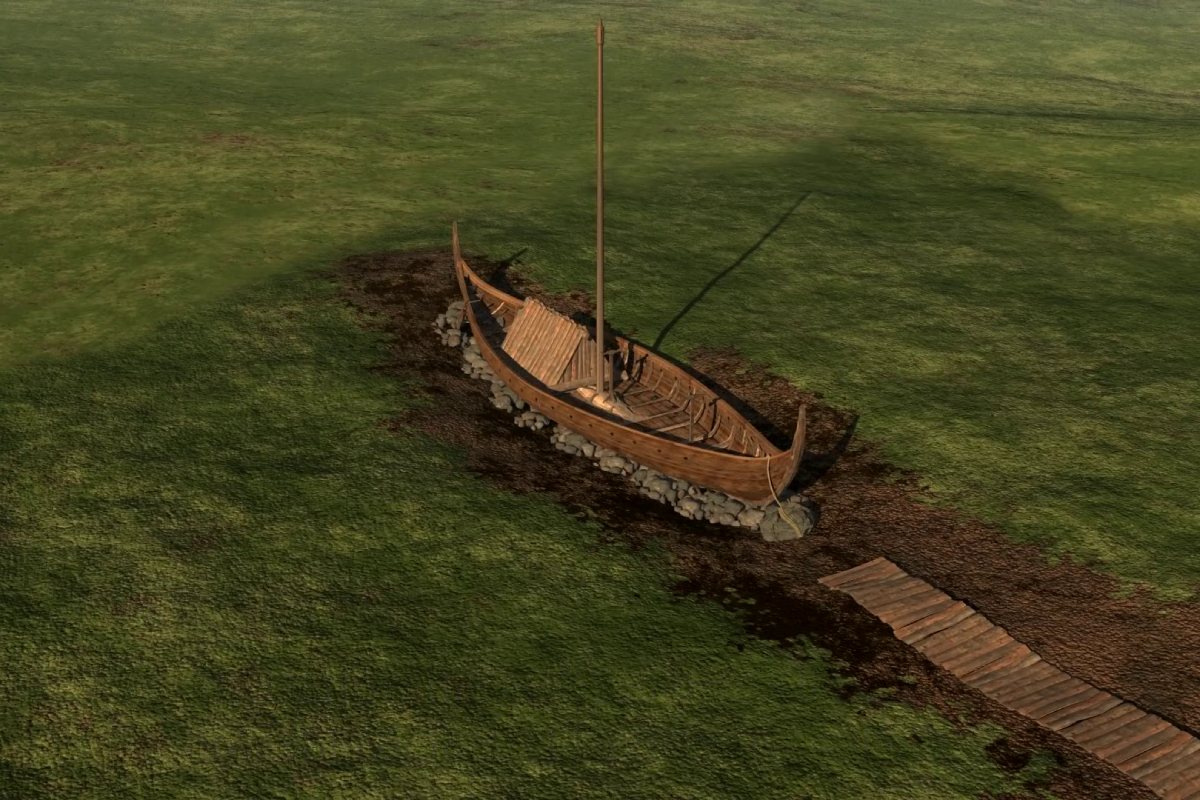
This 3D reconstruction represents the Gjellestad ship on-site near Halden, Norway, as it was just before a burial mound was constructed over it. Source: NIKU / YouTube
The cost of preservation
Although there is tremendous interest in Viking Age artifacts and history, many archeologists unfortunately face a struggle to preserve some of the most precious items.
Many of the finds at the Oseberg ship, for example, were originally treated with alum, a material that helps keep wood intact in the short term but, over a longer period, leads to significant degradation.
Experts now face a race against time to help these artifacts survive. The situation is especially difficult for materials preserved in their place of origin, where it is usually much harder to control conditions.
The state of the Gjellestad ship is particularly delicate, and funding is urgently required to excavate an area beneath the ship that would enable temperature and humidity control.
Although it is impossible to accurately measure how long the degradation process will take, there is genuine concern that it could be a matter of months, perhaps years, rather than decades.
"The remaining footprint is in danger of disappearing," Christian Løchsen Rødsrud, who has led the excavation, explains to The Viking Herald.
"This is endangering the in situ conservation and running the possibility of losing the remains on site to natural processes."
- READ MORE: All you need to know about Viking ships
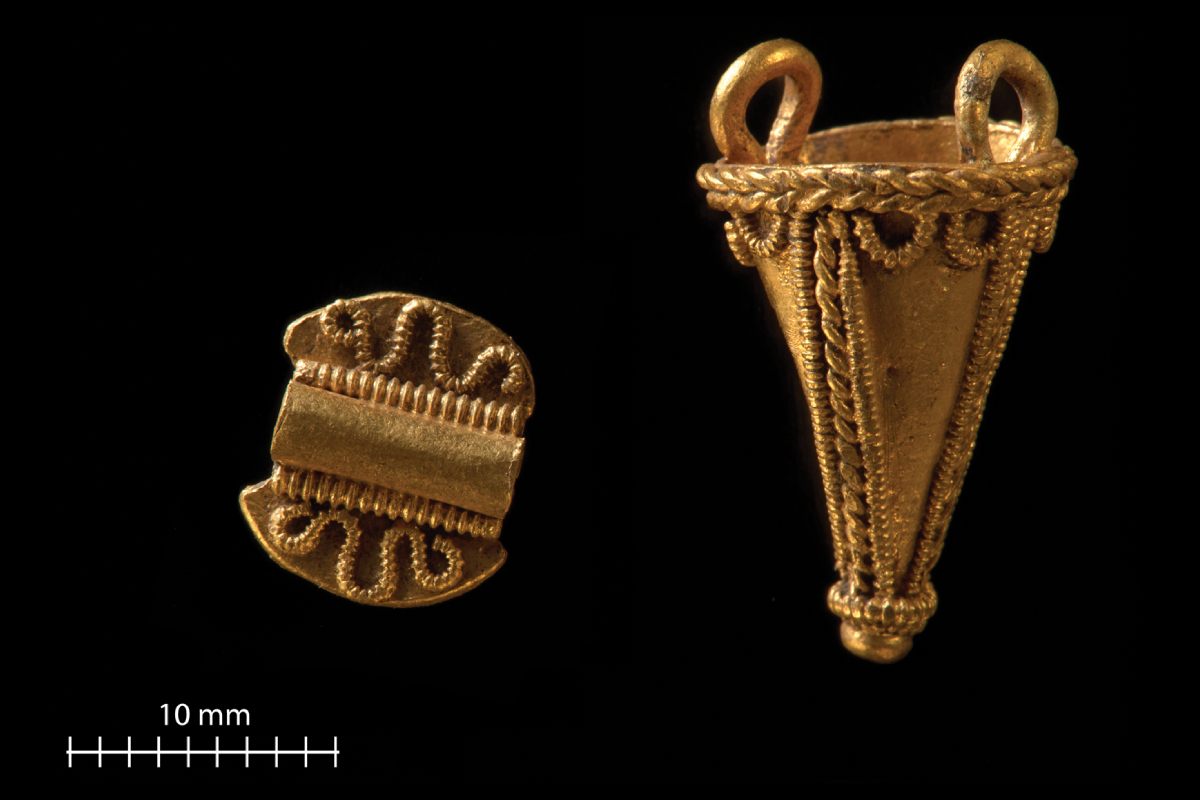
The discovery of a gold pendant near the Gjellestad ship burial further emphasizes the importance of preserving this historically significant site. Photo: Kirsten Helgeland / Museum of Cultural History
Urgent action required
Together with Mayor Martinsen-Evje, politician Camilla Eidsvold, county conservator Morten Hanisch, and department director Anne Wold recently traveled to the nearby town of Halden, where they voiced their concerns about this issue and called for additional funding.
It is hoped that the preservation of the site will also help bring recognition from UNESCO for Norway's ship burials, which are currently under review.
As one of the few finds where the remains are still preserved on site, Gjellestad could be crucial to the application.
"It would be a pity if the remains were to disappear," Christian adds. "Especially now that so much effort has been put into excavating the ship with a method that allows for an on-site visitor experience and returns the original pieces taken out during excavation back in place."
"The on-site preservation would also be pivotal for a visitor experience in the place where the ship was found, as well as for the possibility of a future UNESCO site."
We get to provide readers with original coverage thanks to our loyal supporters. Do you enjoy our work? You can become a PATRON here or via our Patreon page. You'll get access to exclusive content and early access.
Feel free to reach out to discuss potential stories that may be in the public interest. You can reach us via email at [email protected] with the understanding that the information you provide might be used in our reporting and stories.