


Missed the beginning? You can read part 1 here.
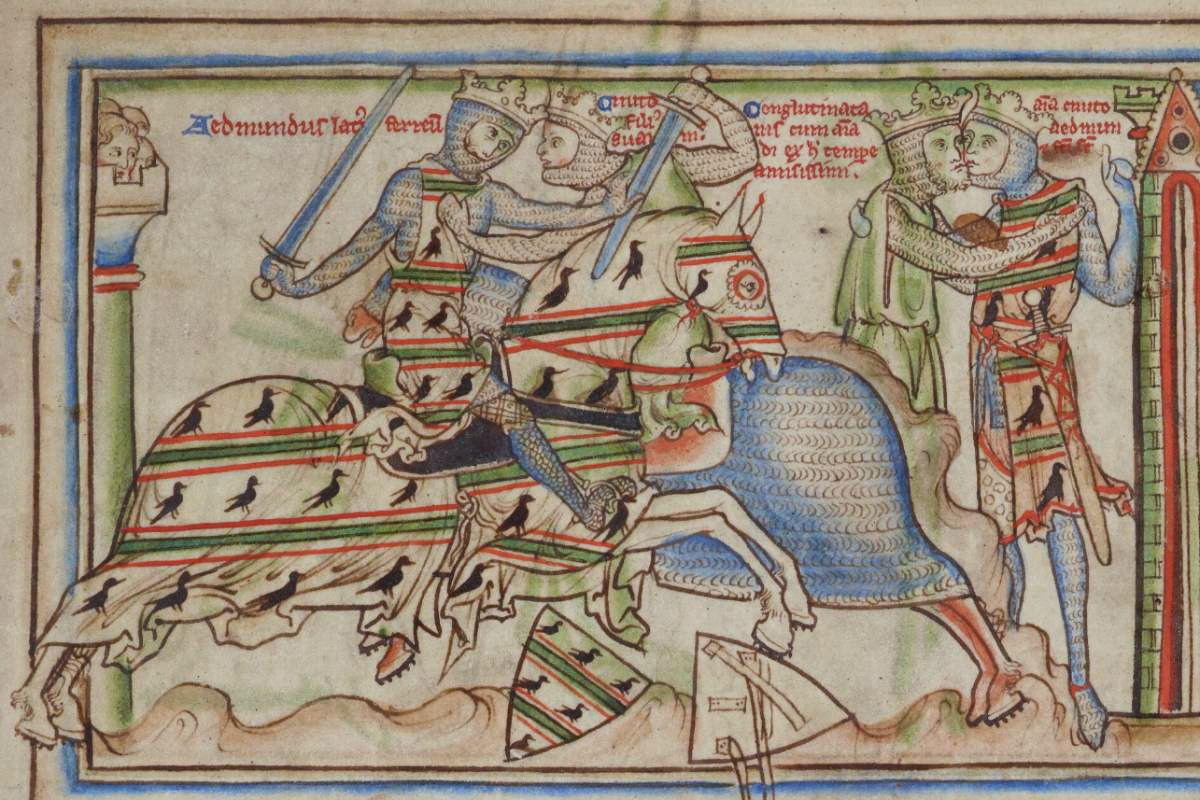
Following his father's death, holed up in London, with much of his kingdom at the mercy of Cnut's force, Edmund was gifted a poisoned chalice.
The citizens of London elected him as "King of the English," and he would reign (albeit very shortly) as Edmund II. Yet the Anglo-Saxon nobles declared their allegiance to Cnut as ruler of England.
Despite this divide, Edmund would be dubbed Ironside due to his far more aggressive stance towards Cnut's Vikings.
Edmund would be contrasted with his father, who, according to Simon Keynes, writing in his 2009 article in the journal Transactions of the Royal Historical Society, was responsible for personal flaws that included "incompetence, weakness, and vacillation that brought the kingdom to ruin."
Though his son did indeed win battles against the invaders, he was unable to land a fatal coup de grâce to vanquish these "heathen" foes once and for all.
The first Viking incursion onto the British Isles had occurred over a century and a half earlier, during the reign of Edmund's ancestor, King Beowulf of Wessex.
With centuries of experience invading England, Cnut and the invaders knew how to live off the land and exploit the weakness of Anglo-Saxon England.
Although Edmund adopted a more aggressive stance and was dubbed "Ironside" for his military exploits against the Vikings, Cnut still held the initiative. Even if he lost the odd battle or two, he had much of the manpower, resources, and support of Denmark and Norway behind him.
Yet toward the end of autumn 1016 CE, Cnut still hadn't been able to squash Edmund once and for all.
As the Vikings headed down to Essex, after a year of laying siege to a huge swath of England, Edmund believed he could strike them now when they least suspected it.
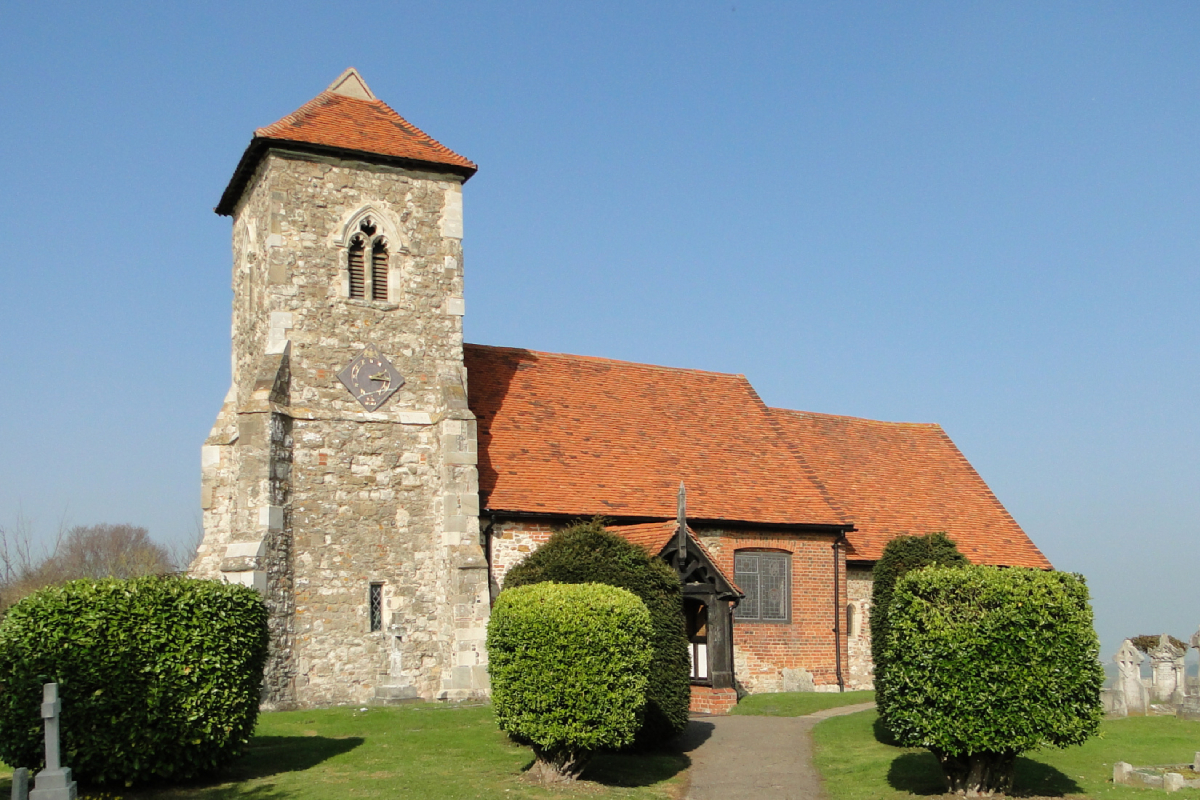
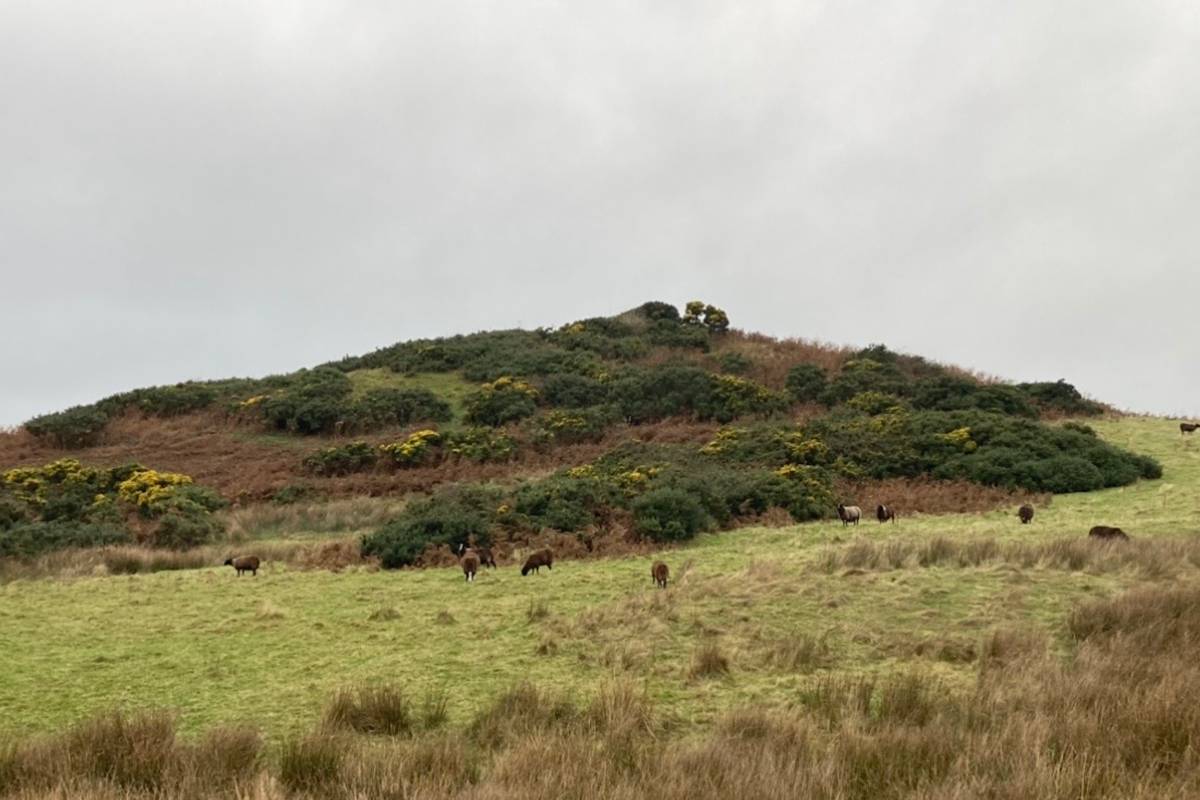
One potential location of the Battle of Assandun is Ashingdon in south-east Essex. Photo: Lonpicman (CC BY-SA 3.0)
The Battle of Assandun
Throughout the early medieval period, Vikings changed their tactics when it came to warfare throughout the British Isles.
Whilst they first arrived as mere predators, doing hit-and-run raids and sailing away to safety in Scandinavia, by the mid-9th century, they began to stay longer.
A more permanent presence was possible thanks to the construction of camps where they could stay overwinter and remain a threat throughout the entire year, not just during the warmer months, which were the traditional time for military campaigns.
As Cnut and his force headed to their ships somewhere in Essex, Edmund assembled a force and marched along with the Mercian noble Eadric Streona.
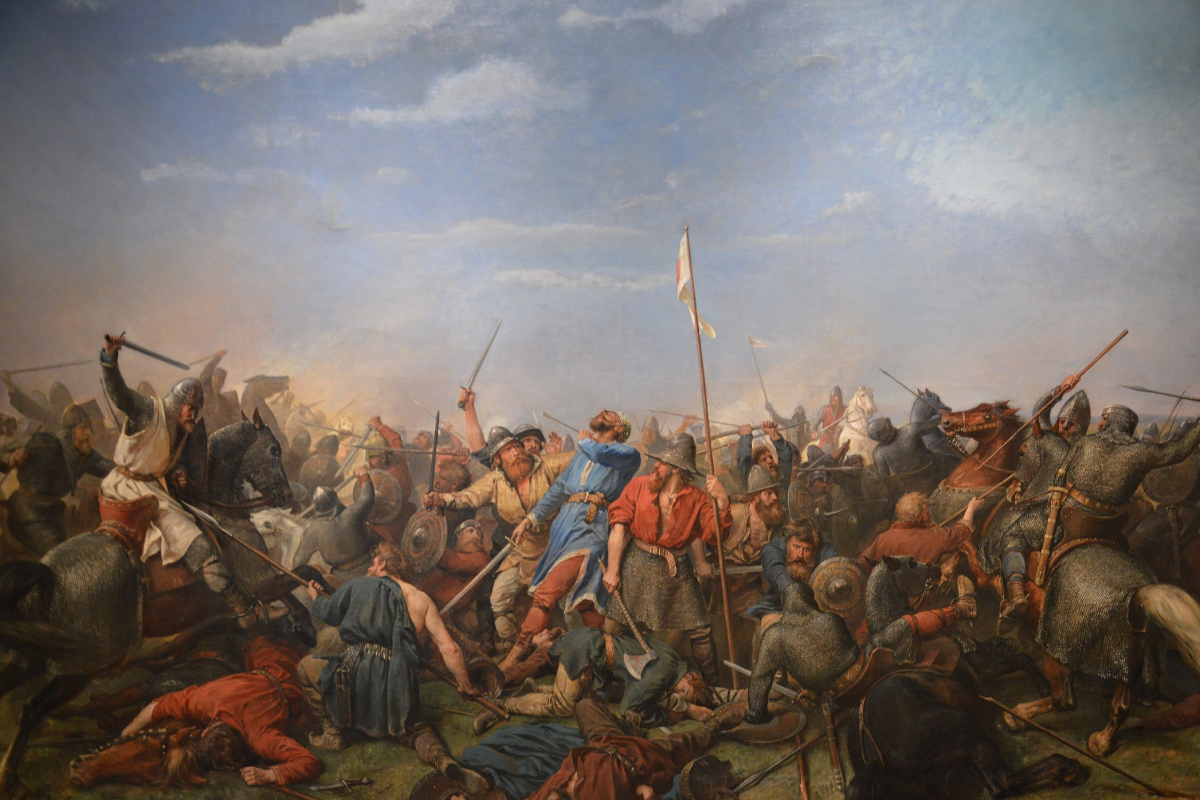
We have covered what has been called the Battle of Assandun in a previous article, but it is worth recapping briefly. Turning to the Anglo-Saxon Chronicle, we find that:
"...the king [Edmund Ironside] understood that the army was up, then collected the fifth time all the English nation, and went behind them, and overtook them in Essex, on the down called Assingdon..."
One can imagine that Edmund and his men must have been exhausted, as this was the fifth major battle they had faced against the same opponents in the space of little more than a year, as well as the constant pressure of having an invading army lay waste to much of their home.
As the two sides faced each other, Edmund was said to have organized his force into three lines and fought in the front line himself to encourage his troops. However, despite a large force, treachery was afoot. The Anglo-Saxon Chronicle relates how:
"...Alderman Edric, as he often did before...and so betrayed his natural lord and all the people of England. There had Knute the victory, though all England fought against him!"
Regardless of his military bluster and brilliance, Edmund Ironside could not conjure the most important thing on the battlefield required to win: loyalty.
Eadric was said to have left the battle with his retinue, weakening Edmund's lines and allowing an opportunity for Cnut that he did not waste.
This betrayal was made even worse as, according to Ann Williams in her 2004 book, Aethelred the Unready: The Ill-Counselled King (available on Amazon here), Eadric was "Edmund's chief adviser at this time."
Whilst Edmund managed to escape unscathed, this was a decisive victory for Cnut, who, not Edmund, had landed the decisive coup de grâce.
Accounts of early medieval battles are notorious for their numerical inaccuracy, and we do not know the numbers involved at Assandun. However, Cnut was said to have dealt such a victory that, "... all the nobility of the English nation was there undone!"
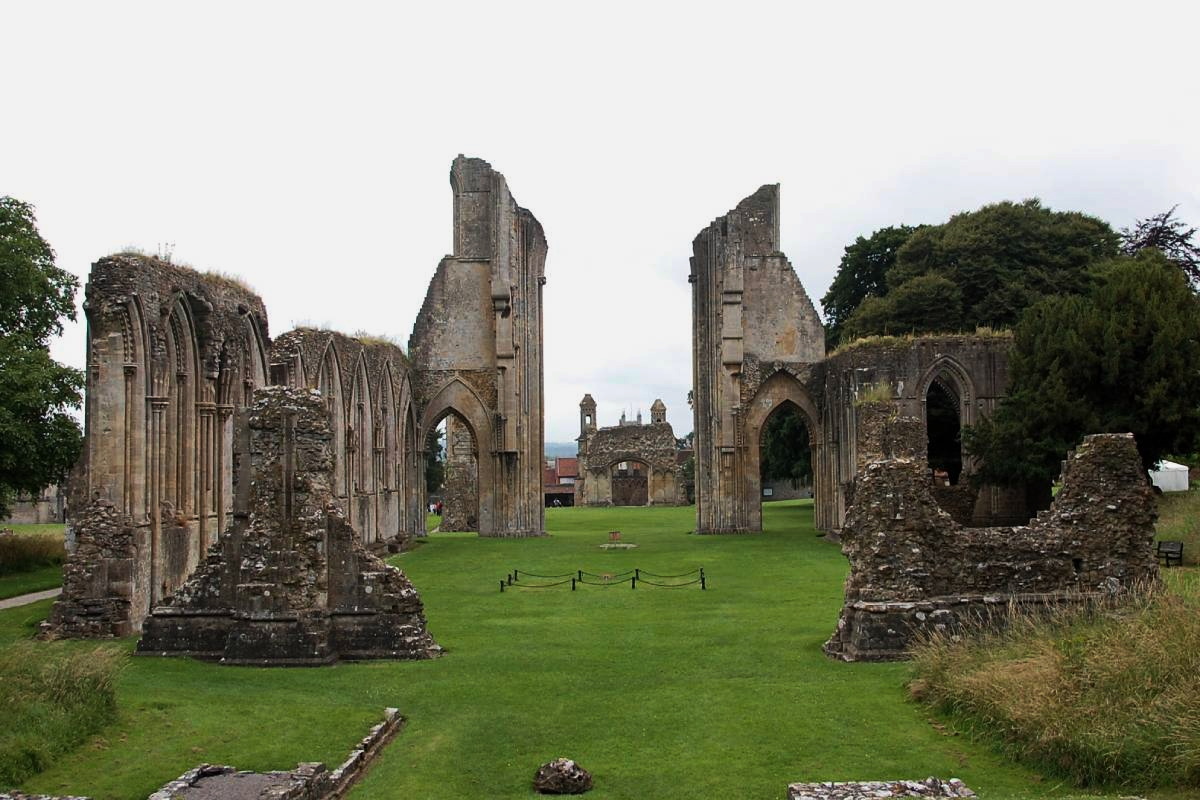
The ruins of Glastonbury Abbey in Somerset, where Edmund Ironside was buried. Photo: Bill Harrison (CC BY-SA 2.0)
The aftermath
Whilst Edmund Ironside escaped the battlefield of Assandun alive, he was in a deep existential crisis.
Much of his kingdom had been ravaged, raided, and raped by the Vikings, and many of his warriors were either cut down at Assandun or exhausted after the constant harassment and harrying from the invaders since their initial invasion over a year before.
Edmund had to accept reality. He was said to have met with Cnut and signed a peace treaty in which he ceded over a huge chunk of England, namely, everything north of London, to Cnut. As the Anglo-Saxon Chronicle tells us:
"...then both the kings met together at Olney, south of Deerhurst, and became allies and sworn brothers. There, they confirmed their friendship both with pledges and with oaths, and settled the pay of the army. With this covenant, they parted: King Edmund took to Wessex, and Knute to Mercia and the northern district."
Little more than a few weeks after Assandun, Edmund Ironside died. Whether it was from natural causes we know not yet, but later historians, like Adam of Bremen, suggested it was foul play.
He may have been poisoned or, in a far more gruesome way, shot with an arrow, or stabbed whilst upon the toilet.
With his death, his portion of England was passed to Cnut, who cemented his rule in three kingdoms and finally reconstructed the North Sea Empire, which had been shattered with his father's sudden death years before.
A pivotal event in English history
The invasions of Cnut in England between 1015 and 1016 marked a pivotal moment in English history.
Whilst not the first Viking invasion of England, nor indeed was Cnut the first Viking crowned as English king, his ruthless strategy that combined military prowess, strategic alliances, and the exploitation of internal divisions in England proved most successful.
His accession to the English throne was seen as the high point of England's Viking Age, as it saw one of these warriors, dismissed as mere predatory raiders, return to usurp and gain the land's ultimate power. His reign would provide a brief respite of relative prosperity and peace until he died in 1035.
For more information on how Cnut's father was traditionally said to have been killed by the ghost of an Anglo-Saxon saint, visit the BBC here.
We get to provide readers with original coverage thanks to our loyal supporters. Do you enjoy our work? You can become a PATRON here or via our Patreon page. You'll get access to exclusive content and early access.
Feel free to reach out to discuss potential stories that may be in the public interest. You can reach us via email at [email protected] with the understanding that the information you provide might be used in our reporting and stories.



_-_geograph.org.uk_-_5060024.jpg)