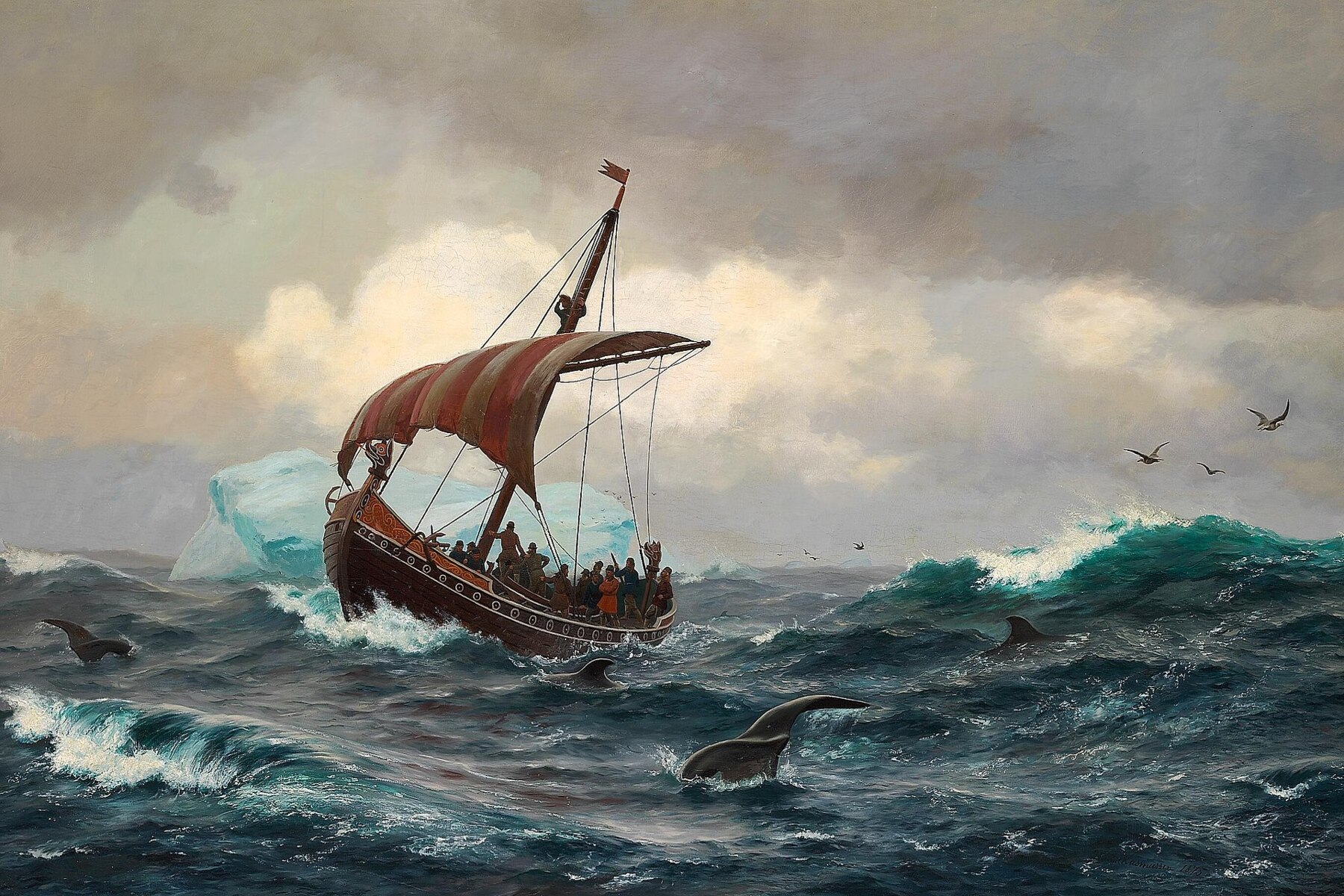



Norway is playing football on a continent that a Norwegian reached before any other European. Around the year 1000 CE Leif Erikson sailed west from Greenland and stepped onto a shore he called Vinland, and the houses the Norse built at L'Anse aux Meadows in Newfoundland are still in the ground to prove it, close to five centuries before Columbus talked a Spanish queen into funding a wrong turn.
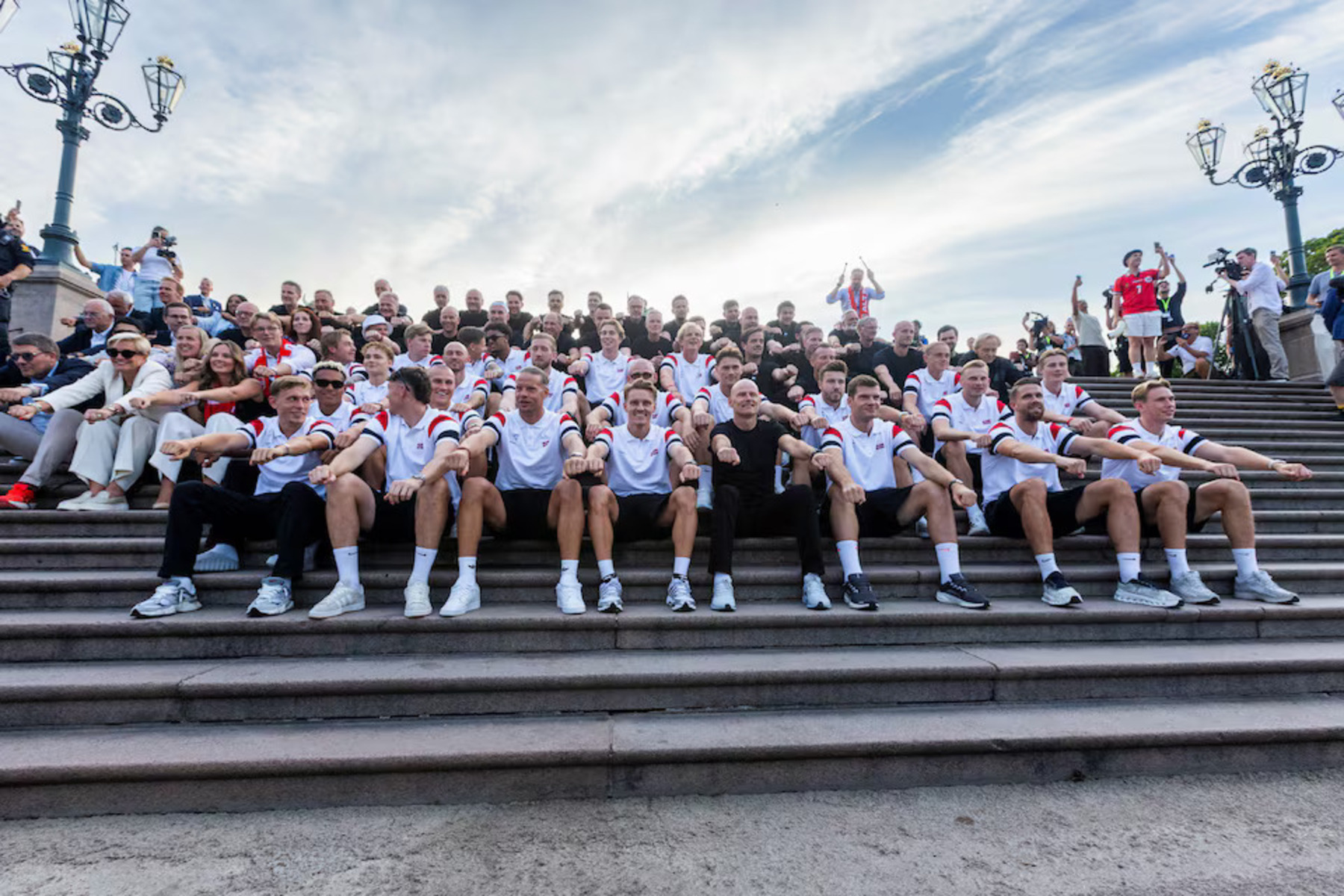
So when Erling Haaland scored twice against Iraq this week and the red corner of the stands began to row in their seats, leaning back and forward to a single chanted word, ‘ro’ , there was a longer echo in it than most of the watching world could have known.
To most people it was just a good piece of supporter theatre. I have spent a large part of my life teaching people how to move together, and I saw something older. The motion those fans were making, dozens then hundreds of bodies finding one rhythm and holding it, is the oldest organized thing the Norse ever did well. It is the thing that got Leif to that beach in the first place.
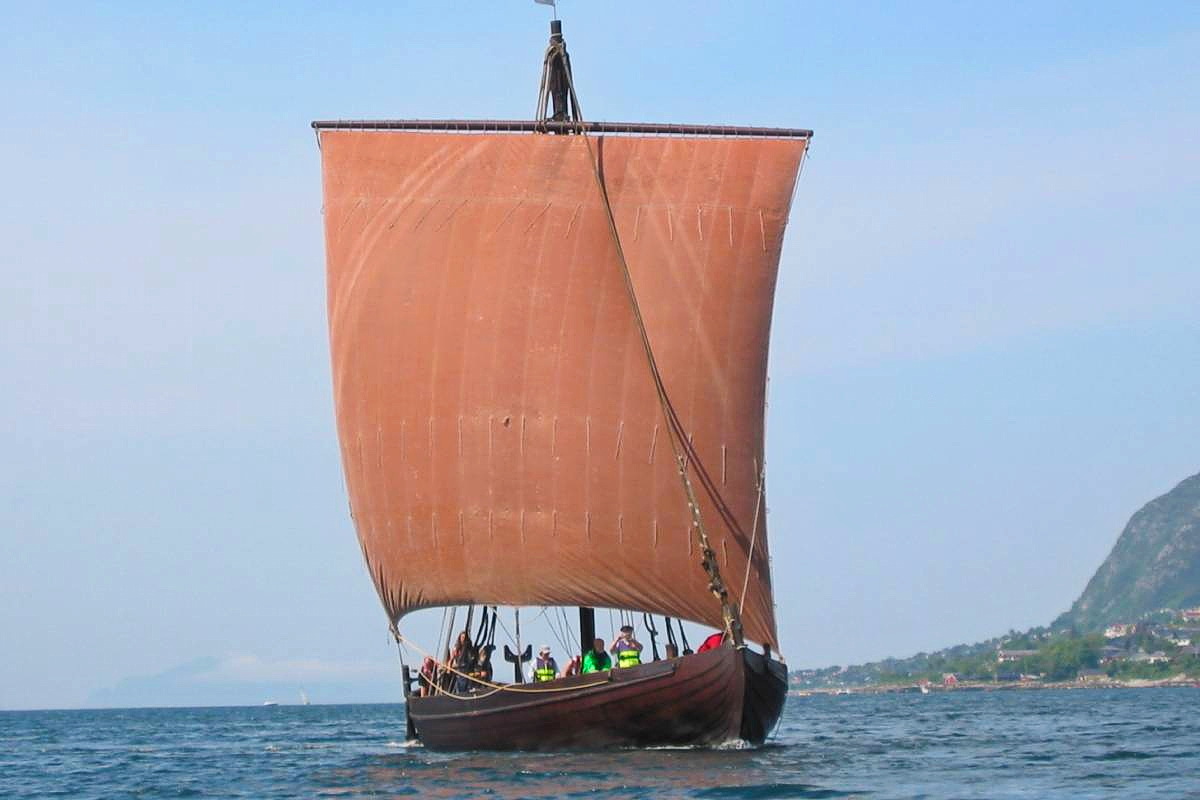
A knarr ship (Skuldelev replica) of the type Leif Erikson would have used to reach North America. Source: Roskilde Viking Ship Museum.
How the ocean was actually crossed
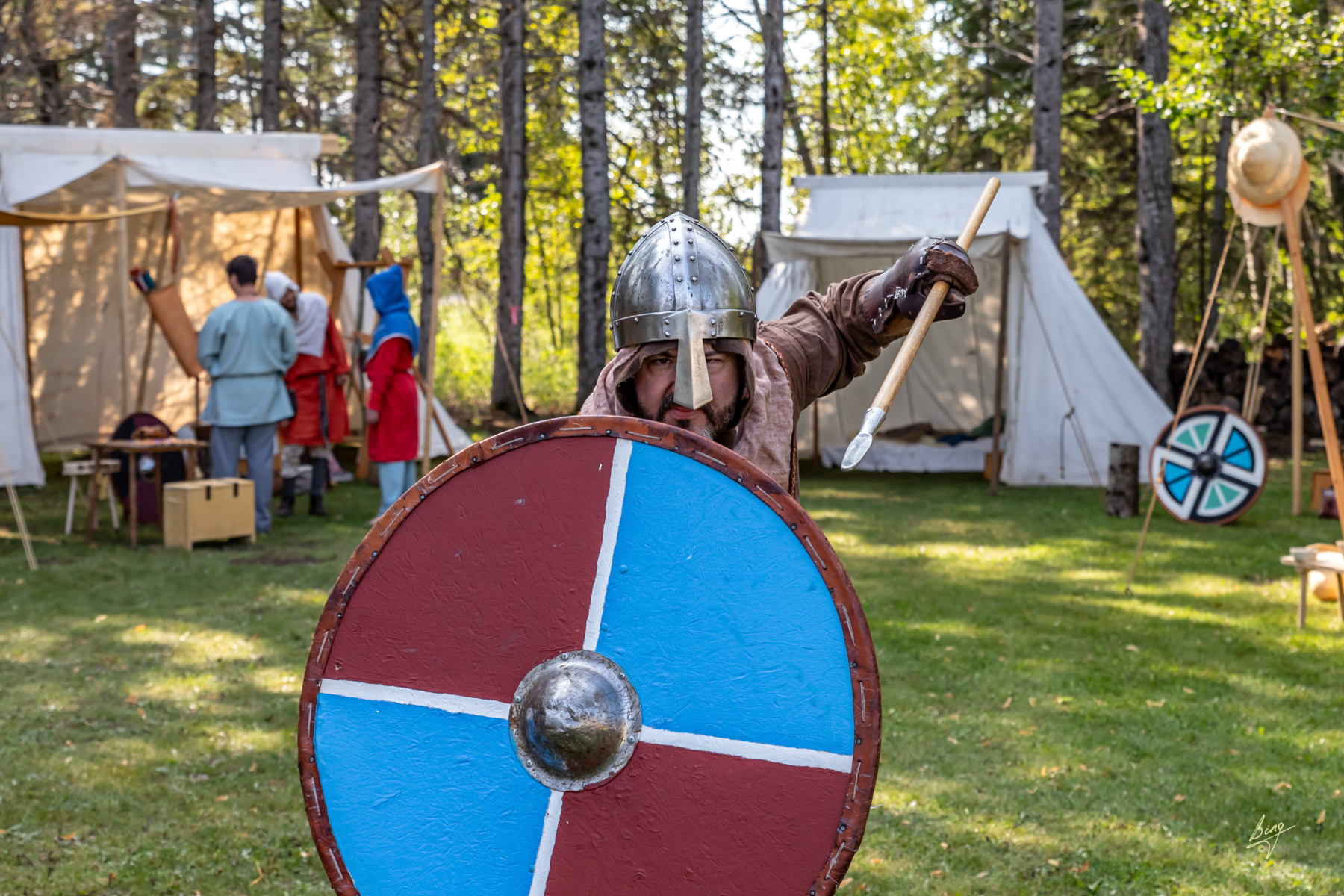
First a correction that history tends to skip, because it matters here. Leif did not cross the Atlantic in a longship. The dragon ship, narrow and oar-driven and hung with shields, was a coastal raider and a river weapon, built for speed and for putting fighting men on a beach in a hurry. In the open ocean it would have drowned everyone aboard.
The ship that carried settlers, cattle and a year of supplies to Greenland and on to Vinland was the knarr, broad and deep and decked, a cargo vessel that lived by its sail and the wind. Getting to America was mostly a matter of reading the weather, holding a course, and trusting a square of wool to do the heavy work, day after day, with the land long out of sight.
But the sail only ever got you close. The worst part of any voyage came at the end, creeping in toward a coast nobody aboard had seen, with reefs under the hull and a current pushing you somewhere you did not want to go. That was done by men with oars. When Leif finally brought his people in to Vinland, the wind did not set them on that beach. The crew did it rowing, backs bending together on the last stretch while he stood in the bow and read the water and picked the spot.
The stroke that made them dangerous
And the oar, not the sail, is where the Norse were genuinely frightening. On the longship rowing was raised to something no other people of the age could match, and it is worth being plain about why it made them so hard to fight. It was not really a matter of ferocity, since their enemies could be every bit as savage. It was speed, and the kind of speed that comes from coordination.
A longship under sixty or a hundred oars, all moving as one, could cover the last water to a coast faster than any defender could gather, then strike and be gone before a proper response could be put together. The shallow draft let them row up rivers barely a meter deep. The hull was the same shape at both ends, so a crew could reverse the stroke and pull straight back off a beach without ever turning around. No coast defence in Europe was built for an enemy that arrived like that and left the same way.
I recogni`e from years of trying to get a room of people to move as a unit. The strongest man on the benches was useless if he could not match the man in front of him. When a longship's crew lost the rhythm, the ship went nowhere. The oars clashed against each other, the ship swung off course. So one man set the beat, by voice or by drum, and everyone else gave up his own pace to it.
They learned it as boys, on fishing boats and ferries, until the stroke stopped being something a man thought about and became something his body simply did. Strength on its own counted for little. A crew that pulled as one could not be stopped. I think the Norse understood that earlier and more deeply than the people they raided.
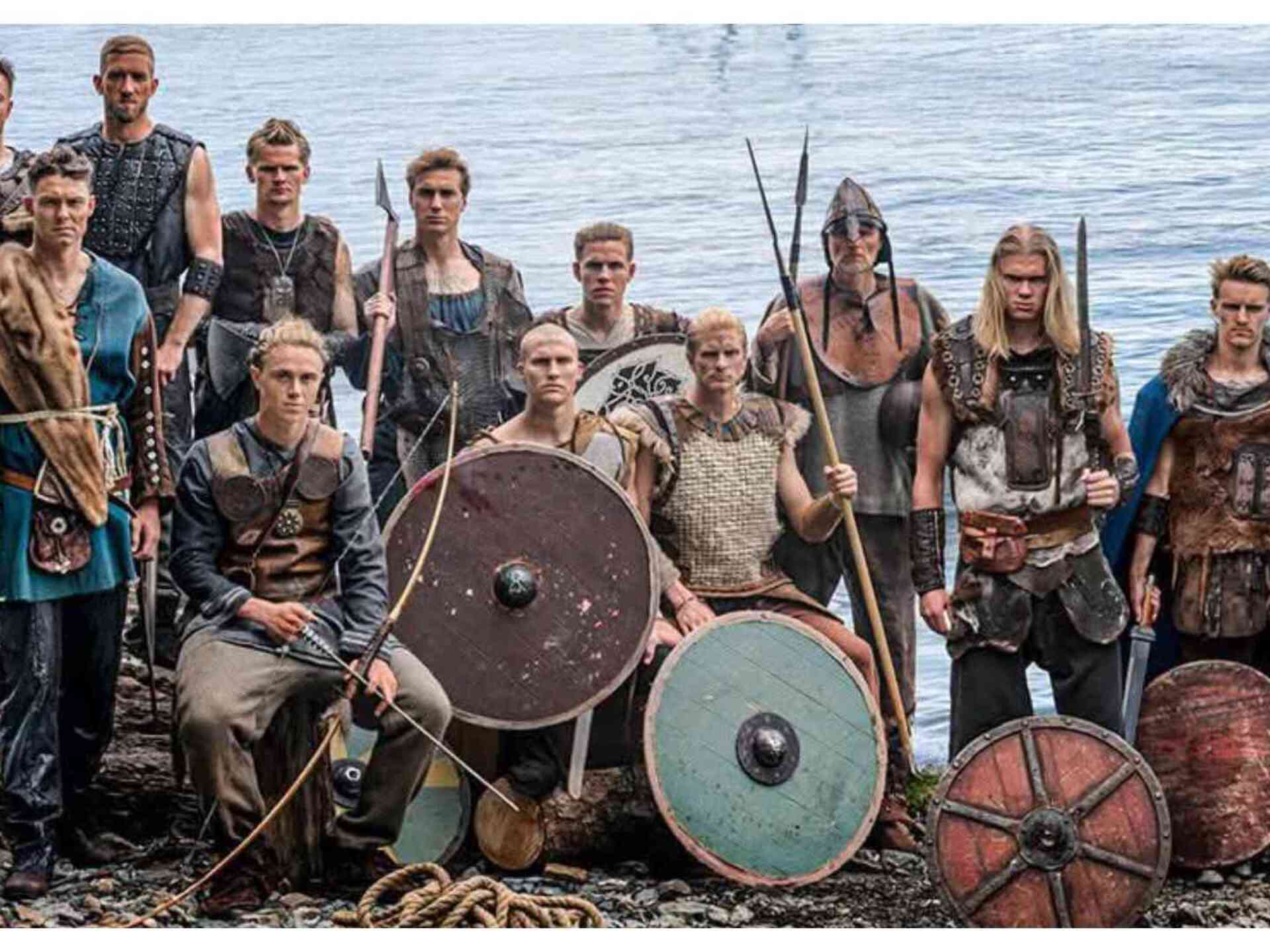
Part of a recent photoshoot for the Norwegian soccer team. Source: David Yarrow.
Eleven oars on the grass
This is what eleven men on a pitch are trying to do. Haaland is the one who finishes, the man at the bow, but he scores because someone delivers the ball to the exact place at the exact instant he arrives, because Martin Odegaard sets the tempo from deep the way a stroke oar sets it, because ten other men have given up a little of their own game for the shared one. The goals against Iraq came from precisely that, the press going at the same moment, the cross arriving as the run arrives. Take away the grass and the ball and you are watching a crew read the water and pull together.
The crowd knows this in its body, which is why the crowd answers the way it does. When the red end sits down and begins to pull, forward and back to the drum, calling out the one word that is also an order, ro, row, they are not just amusing themselves. They have joined the crew. The same plain discipline that held a longship's oarsmen together, the willingness to lean when the man beside you leans and give up your own beat for the common one, runs in a straight line from the rowing bench to a seat in a stadium in Boston. The players work on the grass. The supporters work in the stands. (And the MPs in parliament, as we recount in this recent Patreon post.) For ninety minutes they are one crew on one boat, pointed the same way, which is roughly what their ancestors were when they turned their prow west.
The Norse reached this coast once before, as a people who had learned the sea more thoroughly than anyone alive, and they were eventually pushed back off it by distance and winters and sheer weight of numbers. Now they have come back, and the thing that carried them is the thing it always was. Not Haaland on his own, good as he is, it’s the crew. Senegal are next, and then France, and the pulling will have to be close to perfect, every oar in time, nobody rowing for himself. The old crews found out that this is how you reach a shore. Their descendants are about to find out whether the stroke still holds.
We get to provide readers with original coverage thanks to our loyal supporters. Do you enjoy our work? You can become a PATRON here or via our Patreon page. You'll get access to exclusive content and early access.
Feel free to reach out to discuss potential stories that may be in the public interest. You can reach us via email at [email protected] with the understanding that the information you provide might be used in our reporting and stories.