

So much of the modern world we live in now can be traced to events, causes, and beliefs that arose in the 19th century.
From Communism to Zionism, from the modern creation of a nation-state to the devastating effects of imperialism and colonialism, from the cars we drive to the trains we ride, it seems that so much of our modern world was birthed in this century.
This was a turbulent era that saw countless revolutions throughout the world seeking to end the political status quo and enact vast social change.
From the Napoleonic Wars through the Year of Revolutions (1848) to the Spanish-American War, the world seemed aflame with ideas, movements, and people battling it out – sometimes peacefully but mostly bloodily.
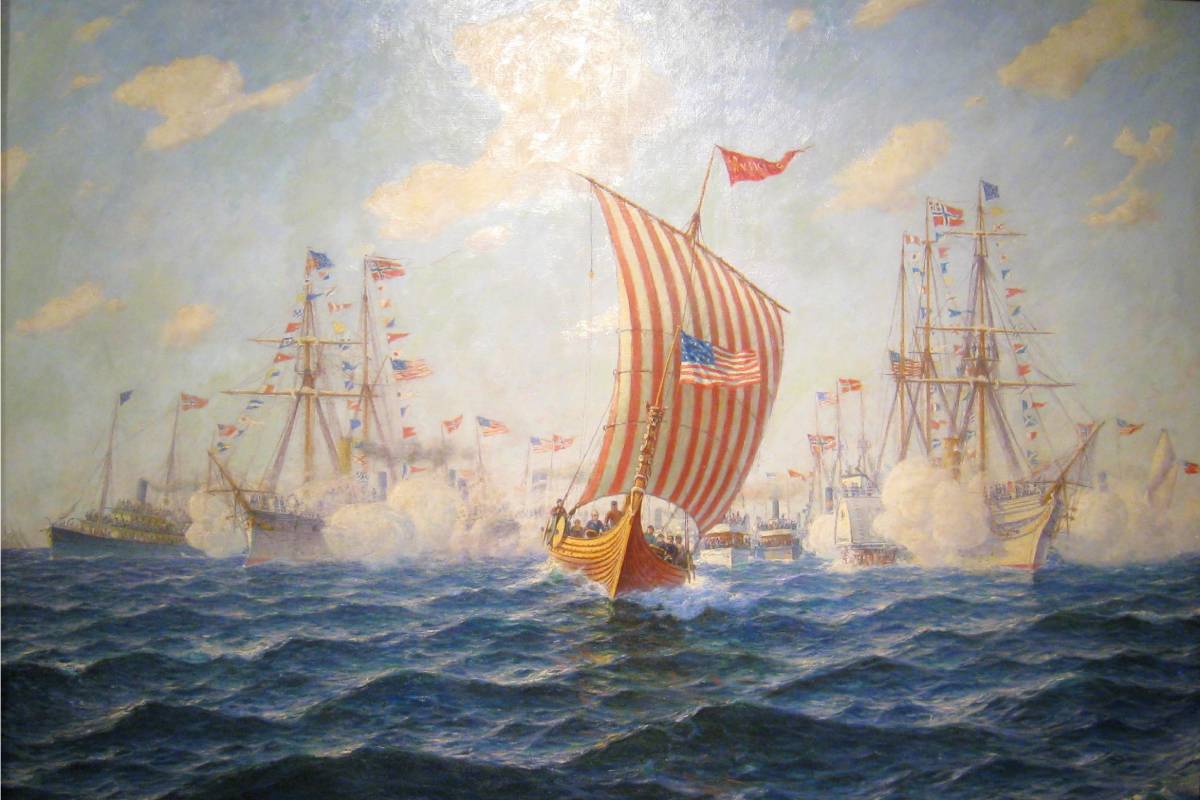
One of the most important movements that swept across nations in the 19th century was "Romantic nationalism" – a movement that saw peoples worldwide, but particularly in Europe, look back to a "golden age" and seek to rediscover and glorify their past.
This was the original "Make [insert your country here] Great Again" movement.
For people living in the Scandinavian Peninsula, the 19th century was one of rapid societal and political change, and looking back to the past was comforting in an era full of insecurity and instability.
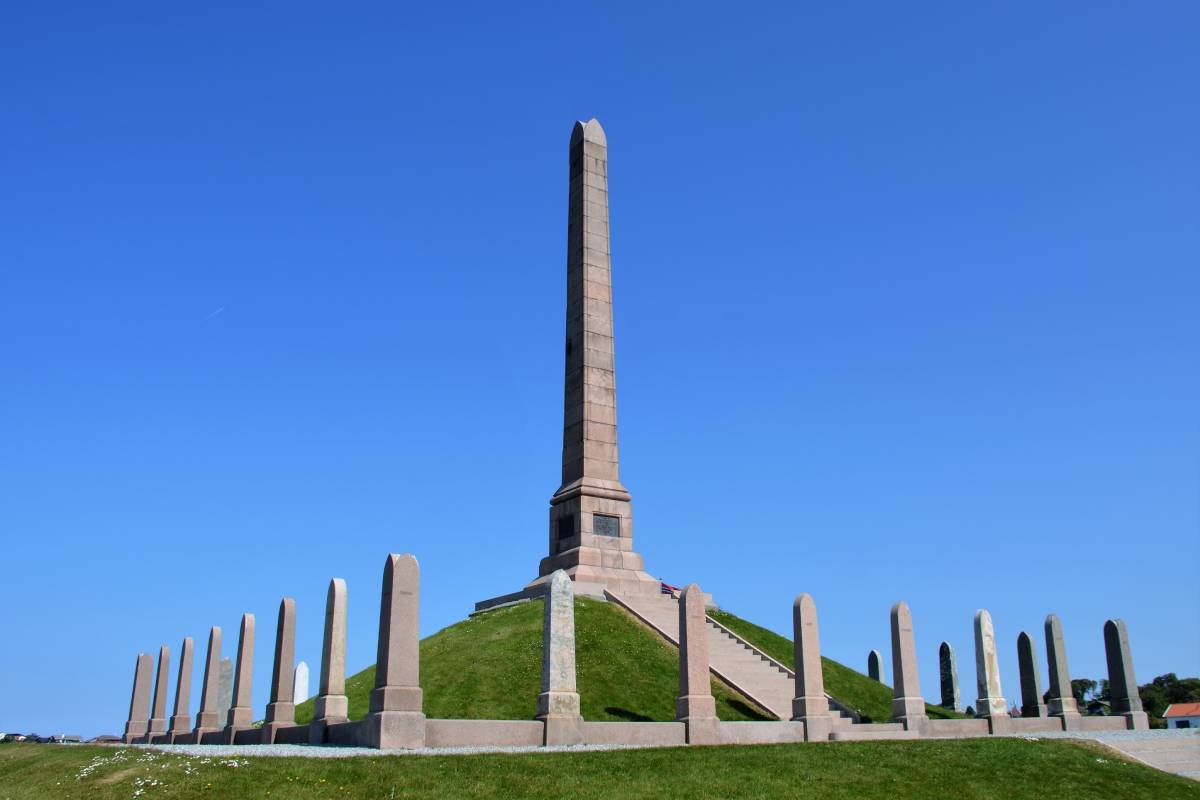
Norway's national monument in Haugesund was erected in 1872 to mark the millennium of King Harald Fairhair's unification of the country. Photo: Vintagepix
Political events in Scandinavia
Going into the 19th century, Denmark had been in a personal union with Norway since the collapse of the Kalmar Union in 1537, with Denmark holding most of the power.
During the Napoleonic Wars, it tried to remain neutral, but when it entered a military union with other northern neighbors, including Sweden and Russia, the British saw this as a hostile act and attacked Copenhagen in 1801.
Following Napoleon's demise, the Treaty of Kiel (1814) transferred Norway from Denmark to Sweden as part of a broader political settlement.
Norway declared independence shortly after, adopting its own constitution, but was forced into a union with Sweden after a brief military conflict. This union, which granted Norway significant autonomy, lasted until Norway gained full independence in 1905.
As we catch our breath with these events in Scandinavia, we should also remember that the 19th century in Europe saw the emergence of more tertiary institutions throughout the Scandinavian Peninsula.
This led to new academic research on the past, with modern technology helping to birth disciplines like archeology.
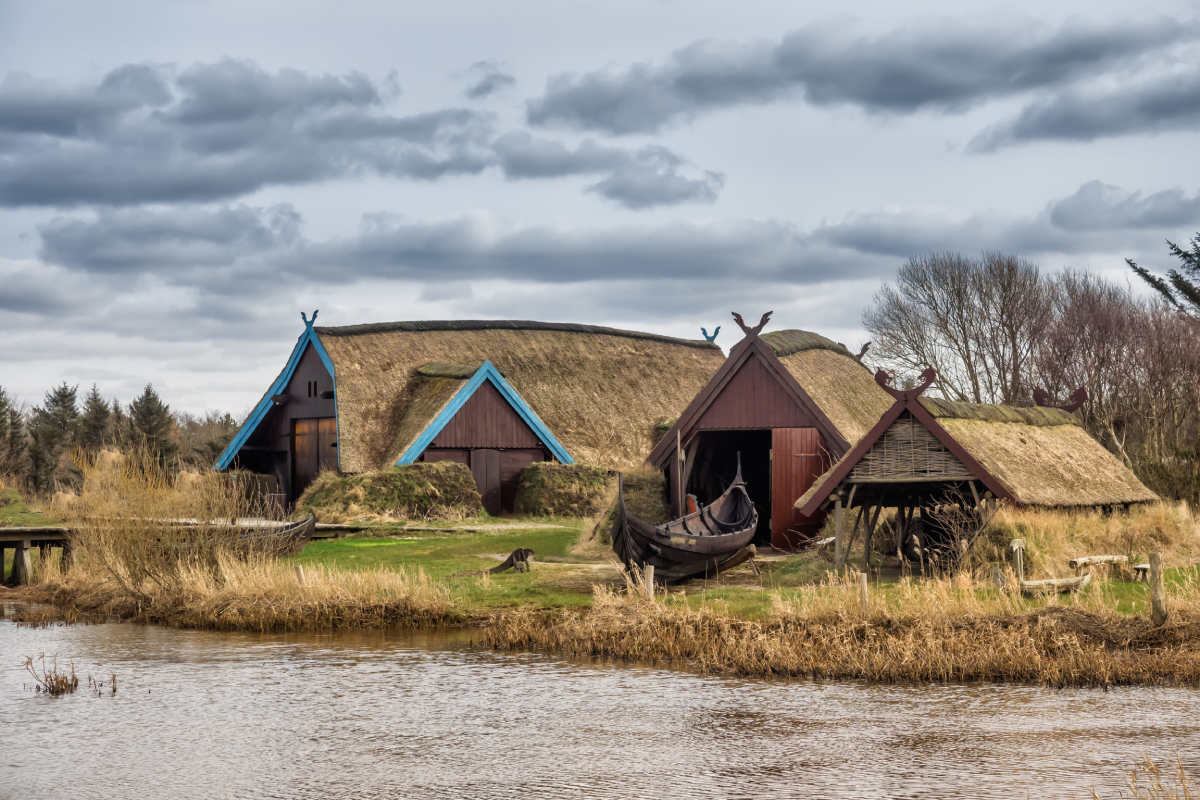
New thinking and technological tools allowed a vast horde (pun intended) of Viking-era artifacts to be unearthed and dug up.
As Fredrik Svanberg brilliantly writes in his 2003 book Decolonizing the Viking Age, never had the past been more present in Scandinavia than during this era.
Throughout this turbulent era, Denmark fought with Prussia, Sweden with France and then against it, while Norway (as always) was tossed around like a kid's teddy bear between its Scandinavian neighbors.
This instability created a need to reach back into the past and revisit and rethink an age when their ancestors were not the victims of world events but instead shaped them.
The Viking Age (the term itself an invention of 19th-century historians) was a deep well that artists and writers, the literati of Scandinavia, drew upon heavily in this era.
Let us look at literature first before we turn to the visual arts.
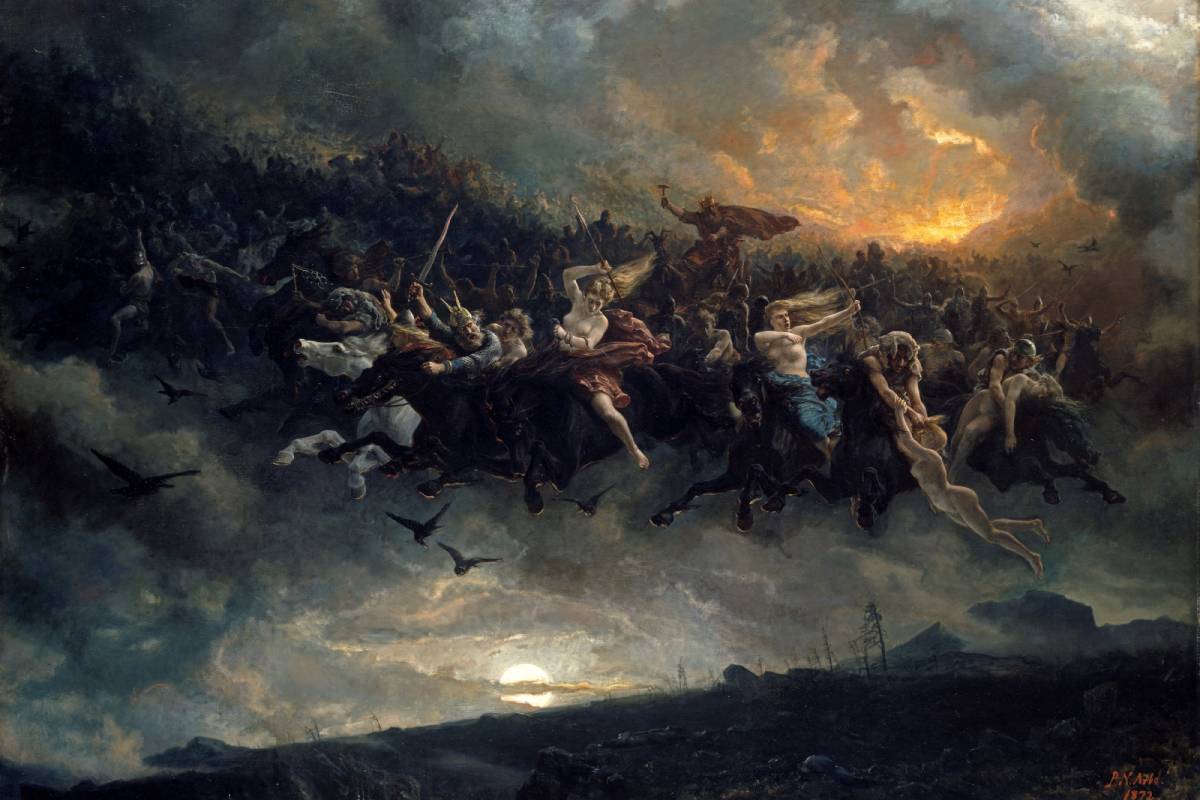
The Wild Hunt of Odin (1872) by Peter Nicolai Arbo illustrates a spectral hunt and reflects the 19th-century fascination with Norse myths. Source: Nasjonalmuseet
The written word
As we are well aware here at The Viking Herald, the rich tapestry of Norse literature is literary gold – a source of inspiration and entertainment.
This was certainly the case for 19th-century Scandinavian writers who not only helped to bring these sagas to new audiences but also translated them from the Old Norse tongue, or Latin, in which they had been written, to the vernacular Scandinavian tongues.
Writers like Swede Esaias Tegnér – responsible for a modern edition of Frithjof's Saga – and Dane Adam Oehlenschläger, who wrote Denmark's national anthem and popularized the Norse sagas in his country, helped to romanticize these tales and transform them into celebrations of heroic deeds and honor.
New technology – specifically advances in papermaking and printing presses – along with the increasing rates of literacy in Scandinavian populations throughout the 19th century allowed these once-ancient tales to be disseminated to a much wider audience.
Soon, seemingly everyone was reminded that their ancestors had once raided, traded, and settled throughout much of Europe and beyond.
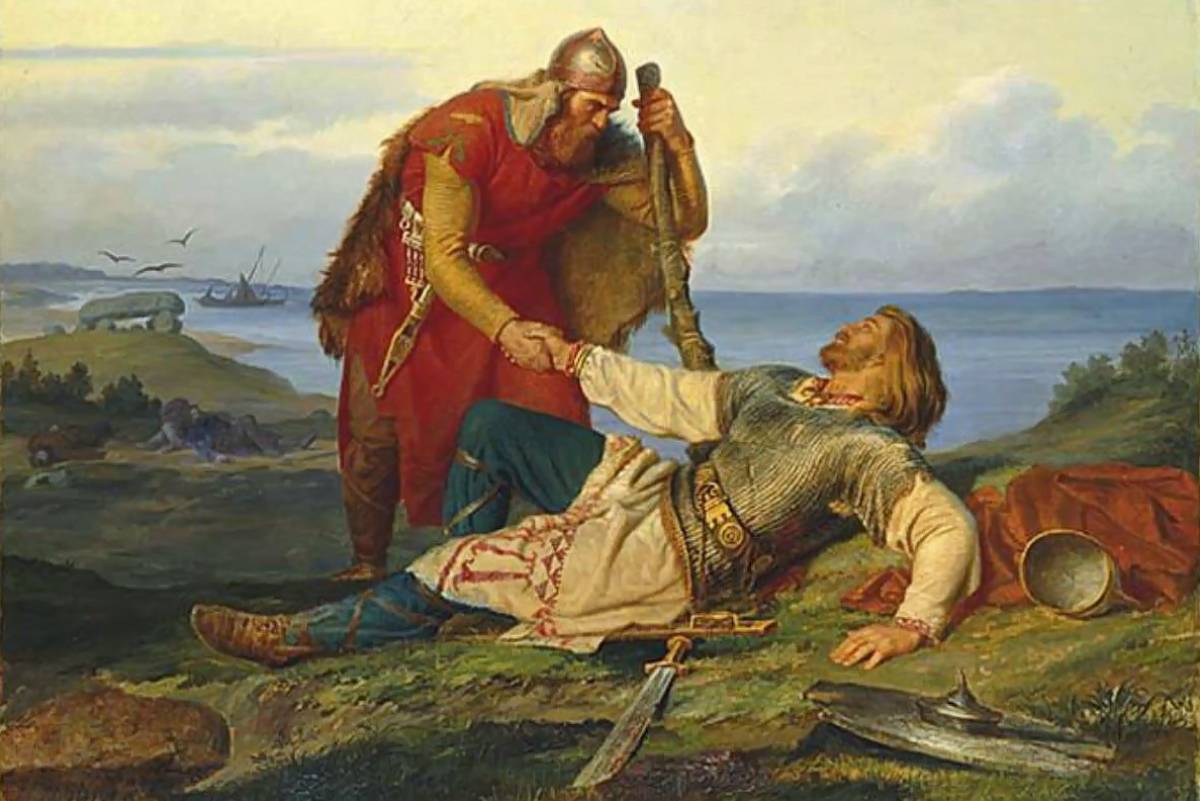
The 1866 painting Parting from Orvar Odd after the Fight on Samsö depicts a Viking saying goodbye to a fallen comrade. Source: Mårten Eskil Winge (1825–1896)
Painting the Vikings
It wasn't only the written word that helped to reinvent, reshape, and reinvigorate Viking history.
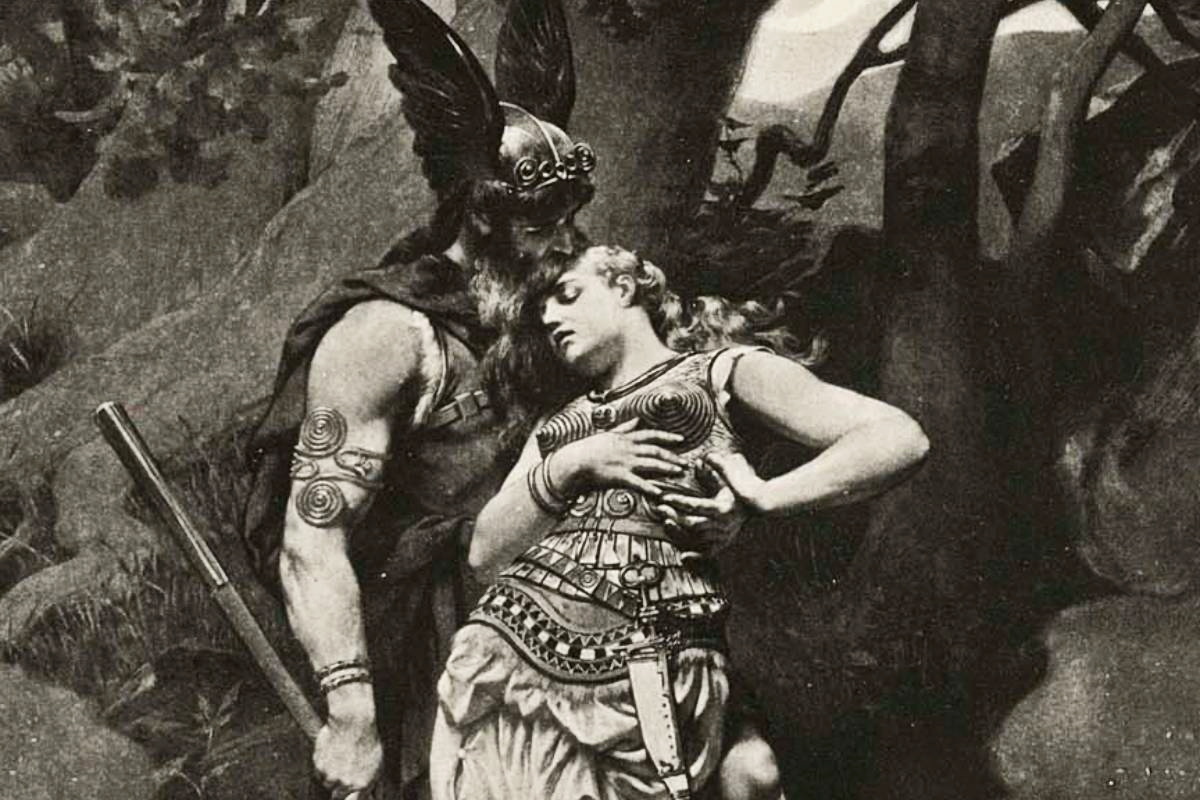
Throughout the 19th century C.E., many Scandinavian painters took artistic inspiration from the Viking era and the Norse sagas.
Painters like Norwegian Johan Christian Dahl and Peter Nicolai Arbo often plucked scenes straight out of the sagas and beautifully painted them.
Arbo painted direct scenes from mythological stories like The Wild Hunt of Odin, whilst Dahl was responsible for painting dramatic landscapes that helped bring life to the scenes and settings mentioned in the sagas.
Across the (internal) border in Sweden, painters like Carl Wahlbom also used the Norse sagas as artistic inspiration.
His 1858 painting, Hjalmar's Farewell to Orvar-Odd, depicts a stoic scene of a Viking bidding farewell to his fallen comrade. Loyalty, honor, and tragedy have never before been so heroically painted.
These nationally (and some internationally) celebrated painters were instrumental in helping to visualize not only the heroic characters of the Viking Age but also much of the scenery.
These paintings also helped lay the visual groundwork for the Viking imagery we see today in modern culture.
- READ MORE: A critical look at the Viking legacy today
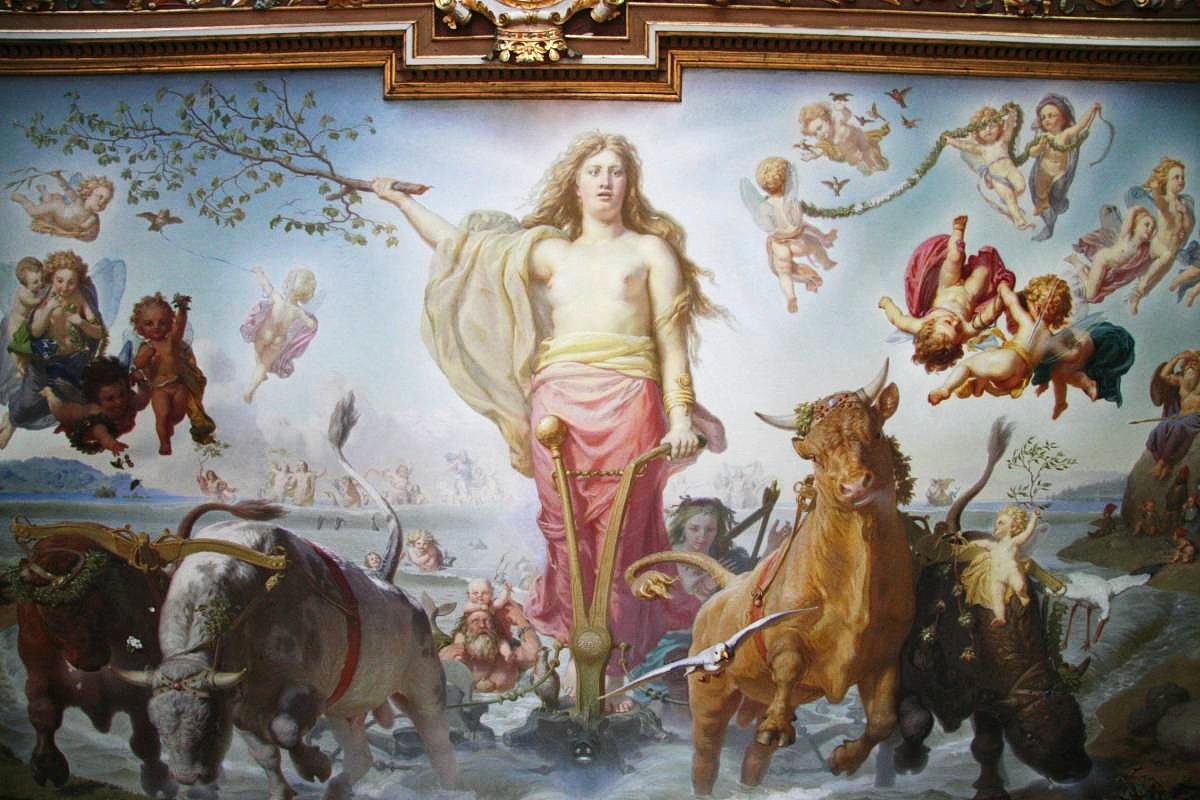
Lorenz Frølich's 1882 ceiling painting depicts the Norse goddess Gefjon plowing Swedish land to create the Danish island of Zealand. Source: Public domain
The long shadow of the 19th century
Thanks to the artistic groundwork laid by 19th-century authors, poets, and painters, a romanticized version of Vikings – and indeed the entire Viking Age – became a staple of popular culture well into the 20th and 21st centuries.
As John Langer writes in his 2002 article in the journal Viking Heritage Magazine, romantic nationalism swept across Europe and Scandinavia, recasting people from Viking societies as mirrors that reflected the beliefs, ideals, and values of their modern descendants.
For some, Vikings were credited with sowing the seeds of democracy, freedom, and parliamentary assembly.
For others, their rugged individualism – setting off to conquer and explore the world – aligned with European notions of race, ethnicity, and conquest.
The newly forming Scandinavian nations all had glorious and powerful ancestors who had shaped the ancient world, just as they hoped their current societies would shape the modern world.
This romanticized version of people in Viking societies has cast a long shadow into the 21st century.
Modern academics, archeologists, and historians are doing their best to shed nuanced light on a complex historical era that is far more than horned-helmet-wearing heroes.
For more information on the Viking revival of the 19th century, visit the BBC here.
We get to provide readers with original coverage thanks to our loyal supporters. Do you enjoy our work? You can become a PATRON here or via our Patreon page. You'll get access to exclusive content and early access.
Feel free to reach out to discuss potential stories that may be in the public interest. You can reach us via email at [email protected] with the understanding that the information you provide might be used in our reporting and stories.