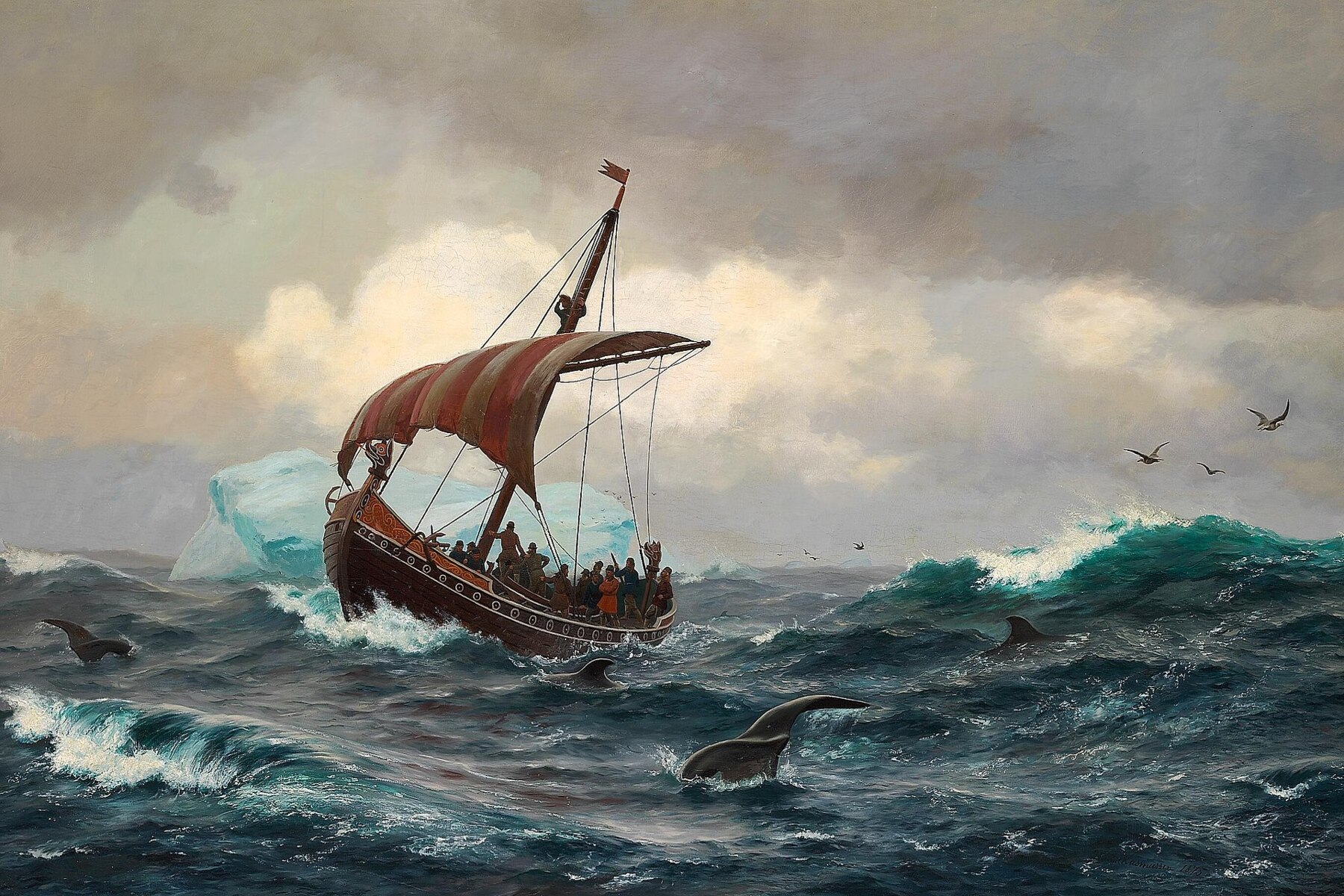


Sword-wielding never-do-wells who loved everything that glittered? You’d be forgiven if you thought we were referring to Long John Silver or any of his pirate brethren. We are, of course, talking not about early modern pirates but early medieval Europe’s most feared warriors, the Vikings.
Yes, they too took to the seas to do a number of pirating activities, including ransacking, ravaging, and wreaking havoc almost everywhere they went.
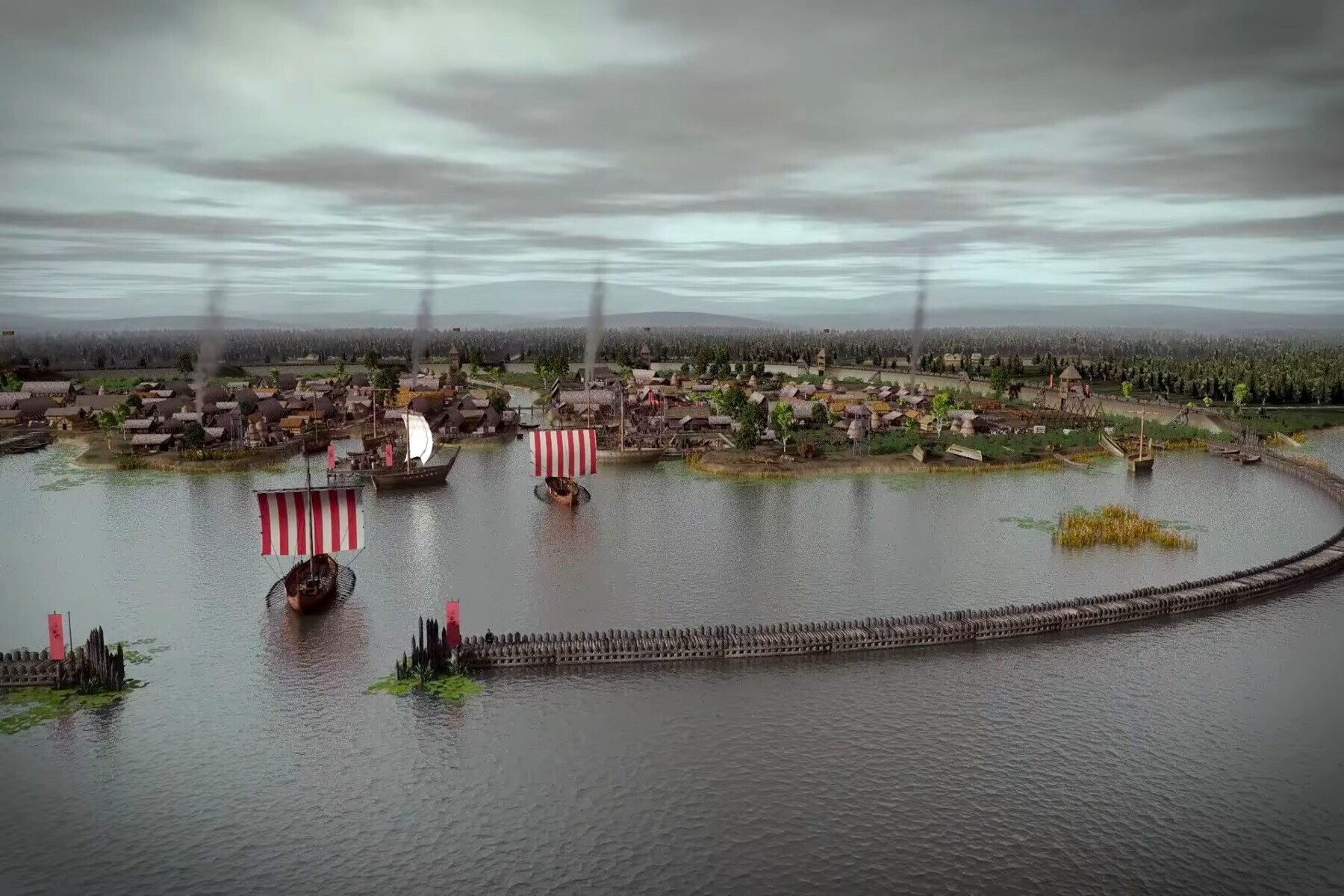
Whilst these warriors were part of the cause of societal and political insecurity throughout this period, they were also affected by it. We know that it wasn’t just Anglo-Saxon monasteries or Frankish villages that were the subject of Viking raids; it was Norse societies too.
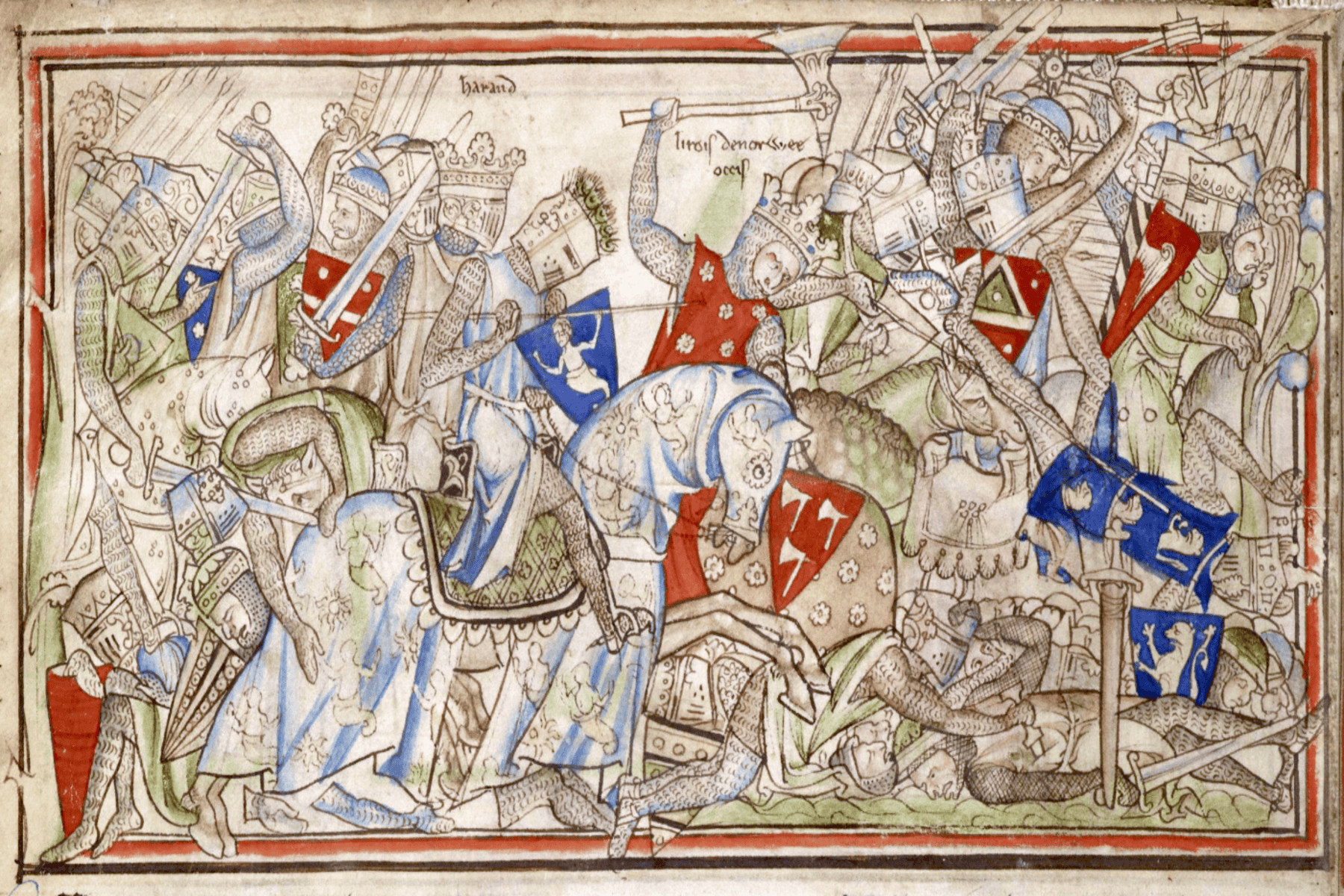
Viking warriors were, especially in the early beginnings of the Viking Age, just as likely to battle, brawl and raid a nearby village as they were to launch an overseas expedition. Political machinations and infighting amongst powerful chieftains could lead to conflict, strife and plenty of theft. And that's without the money accumulated through the Norse socieities' vast trading network.
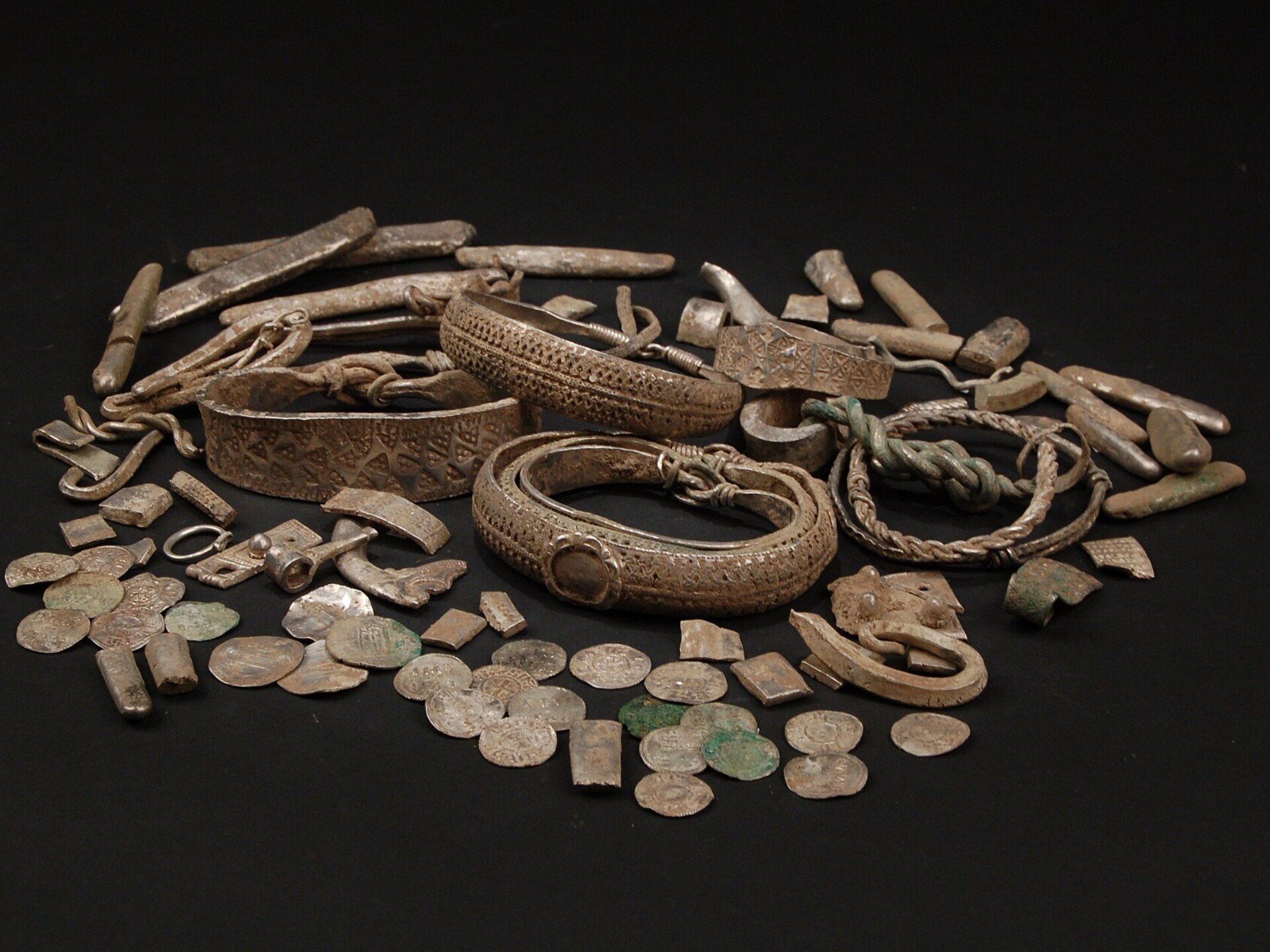
So, what happened to all this loot? As we shall see, in an era before the modern banking system the best place to deposit wealth in times of trouble was buried six feet (or, technically speaking, usually one or two feet) under the ground.
Security, fear and faith
As archaeologists have been seeing since at least the 17th century CE, the answer lay under our feet all along. There have been countless buried hoards (the current guess is somewhere in the region of several thousand) unearthed all over the former Viking Age world, from the shores of the Irish Isle to near what is Smolensk in present-day Russia.
So having secured a fortune, why would anyone want to bury it?
First, security. We know that people in Norse societies operated in an era that was full of violence, political instability, and marauding hordes. Given the instability of this era, the best way for many people in to keep their items secure from the hands of marauding warriors was to bury them. At a later date, when the coast was clear and the Viking band had tramped off to another village, the treasure could be dug up.
In some cases, however, there was also likely a religious and spiritual aspect to the burying of Viking hordes. We know that for the adherents of what we today broadly lump together as the ‘Old Norse Religion’, votive offerings were often important. We will never know exactly how many of the Viking hoards unearthed were offered up as votive offerings to please and placate any number of the myriad Norse deities, but it seems reasonable to assume that it was a significant number.
Let us look now at some of the most famous examples of Viking hoards uncovered, what was in them, and what they tell us.
PLEASE NOTE: The rest of this article is only available to our paid Patreon subscribers, here.
The topic was selected by our Patrons in a weekly poll. Support The Viking Herald on Patreon to read the full article and help choose future topics.
If you would like to learn more about Patreon and why we have decided to restrict access to some content, please take a look at this article.
Feel free to reach out to discuss potential stories that may be in the public interest. You can reach us via email at [email protected] with the understanding that the information you provide might be used in our reporting and stories.