

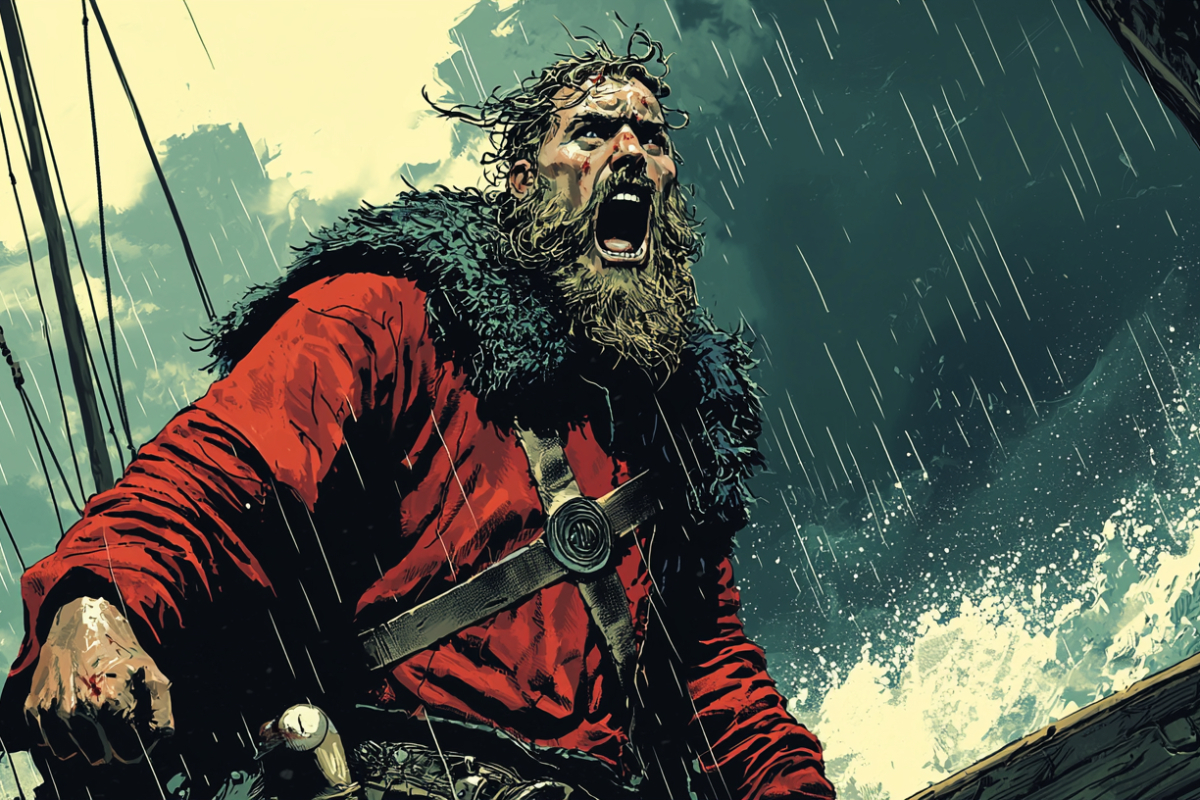
Labeled as "the most dangerous show on Netflix," Ancient Apocalypse – which peddles pseudo-historical and scientific refuse – was also one of the most-watched shows of 2022 and 2023.
It seems that even in this era when the font of all human knowledge is in the palm of our hands and just a click away, people still love a good mix of pseudohistory and conspiracy theories.
Ever since the Columbian voyages of "discovery" opened the Americas to centuries of conquest, disease, and death, traditional history stated that it was Columbus and his crew who were the first Europeans to "discover" the New World.
Since then, however, some historians and academics have pointed to the Norse sagas and shouted (or written) that perhaps people from Viking societies got there first.
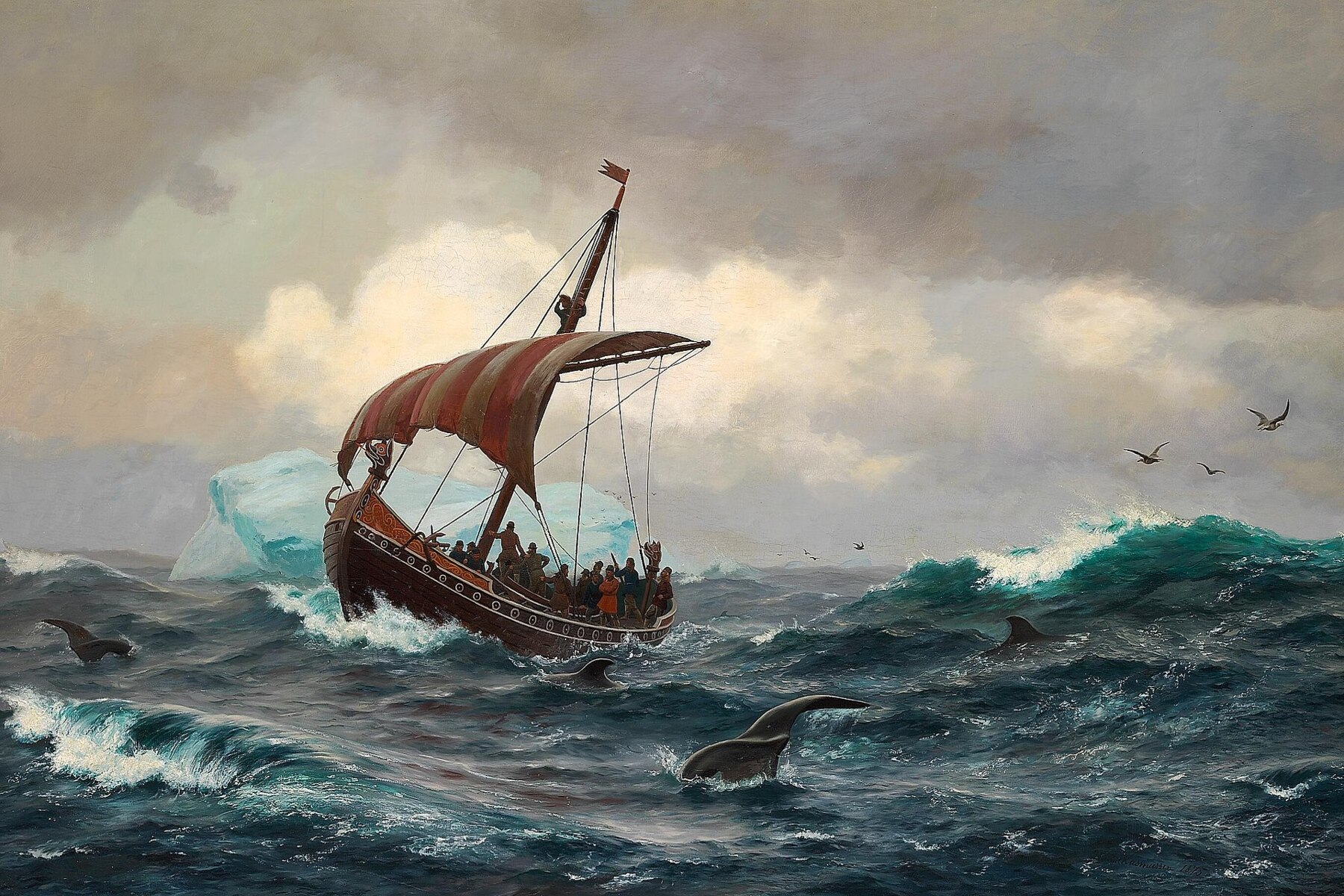
There is a wealth of archeological evidence that early medieval Scandinavians crossed the Atlantic Ocean to settle first in Iceland and then in Greenland. From these two settlements, it was only a short distance to the shores of the North American continent.
Up until the mid-20th century, historians and academics could only dream and point to references of a Norse settlement on Vinland, which some assumed to be the North American continent.
Until archeological evidence was discovered in Newfoundland in the 1960s, Vikings in America were about as speculative as anything Graham Hancock peddles.
This evidence was brilliantly published and updated in the 2000 book The Viking Discovery of America: The Excavation of a Norse Settlement in L'Anse aux Meadows, Newfoundland, by the husband-and-wife team behind those excavations, Helge and Anne Stine Ingstad.
More than half a century after the discovery of a settlement at L'Anse aux Meadows, we can conclusively say that people from Viking societies reached North America centuries before Columbus ever set sail.
But who were these people who traversed the Atlantic Ocean on Viking longships? Looking to the sagas again, we find a fabled explorer who is credited with being one of North America's first property developers.
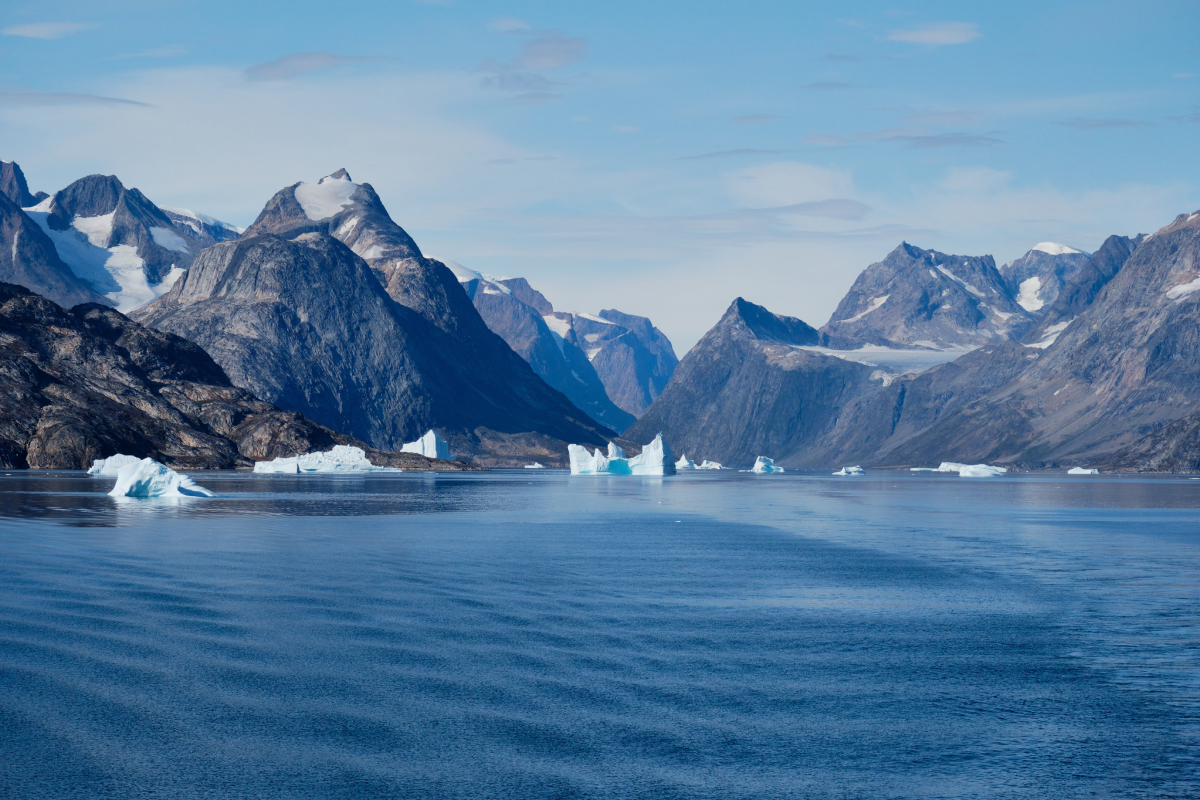
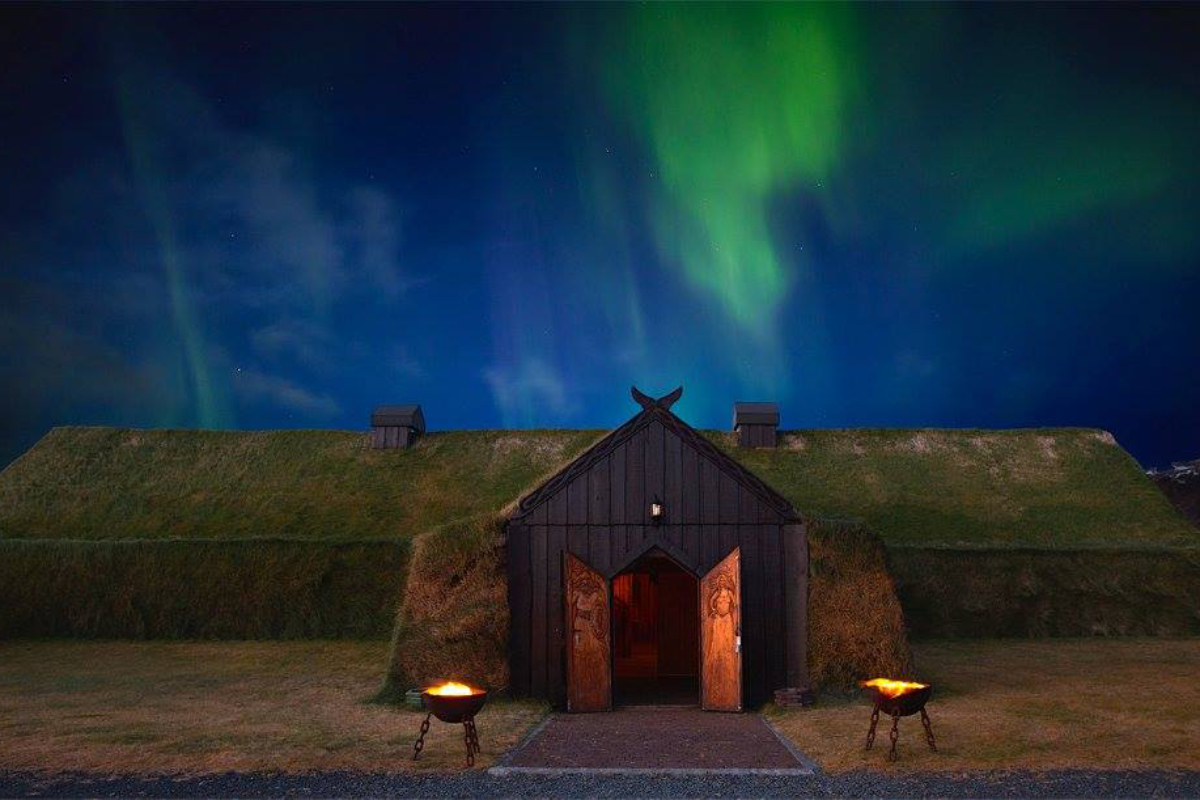
Thorfinn Karlsefni settled in Greenland for a time, where he met Gudrid and began planning his voyage to Vinland. Photo: Anne08 / Shutterstock
Look to the sagas
A great place to begin with any Viking-related topic is the rich tapestry of the Norse sagas, particularly The Saga of Erik the Red and The Saga of the Greenlanders.
Though both were compiled centuries later, they are believed to be based on long oral histories and traditions reaching back to the early 11th century.
Both sagas state that Thorfinn was born into a prominent family in what was then the Icelandic Commonwealth.
This was a relatively new society, having been established about a century earlier by malcontents and defeated foes of Harald Fairhair, again according to the sagas, following the Battle of Hafrsfjord.
Young Thorfinn's family were obviously determined people, as their family name, Karlsefni, is believed by linguists to be Old Norse for something akin to "man of character."
Character was precisely what Thorfinn needed to grow up and survive in this rocky outcrop of Norse civilization, a windswept land of fire and ice.
We know little of the early years of Thorfinn until he, like many of his contemporaries, hopped on a ship and sailed west to the very recently established Norse settlements on Greenland.
It was here that he would meet his wife, Gudrid Thorbjarnardóttir, who lived in the house of Leif Erikson.
Both Leif and his father, Erik the Red, were credited not only with being hotheaded but also with being explorers and adventurers, having "discovered" a new land westward from the Norse settlements, which they dubbed "Vinland."
It was his wife, Gudrid, who was said to have pushed Thorfinn to lead an expedition back to Vinland, where Erikson had constructed a rudimentary settlement, mostly consisting of houses.
Erikson said that whilst Thorfinn could use those houses, it would come at a cost. This was the first recorded instance of a real estate transaction on the North American continent.
It also made Thorfinn the spiritual ancestor of real estate developers and landlords like the one currently bidding to become the next President of the United States of America.

The Vinland settlement led by Thorfinn Karlsefni faced constant challenges, including internal conflicts and violent clashes with the native Skraelings. Photo: Danita Delimont
A settlement in a strange new world
Aside from real estate deals and exploring new lands, Thorfinn appears to have been busy elsewhere as well.
His wife, Gudrid, was said to be pregnant when they sailed from Greenland with the expedition sometime in the late 990s. Their son, Snorri, was said to be the first European child born anywhere in the Americas, more than five centuries before the so-called "European Age of Discovery."
However, the small settlement in Vinland was not a blissful place for Thorfinn and his family.
Whilst the sagas disagree on the exact number of settlers that set sail with Thorfinn, both agree that the group was heavily weighted in favor of men, with only a few women willing to set forth into the unknown.
This imbalance appears to have been a source of immense tension – too much testosterone – and soon, arguments turned into fights and brawls. These fights not only disrupted family harmony but were also not conducive to the kind of solidarity needed to survive in a harsh environment.
Before they set sail for Greenland, Thorfinn led voyages of exploration further south within Vinland and its surroundings.
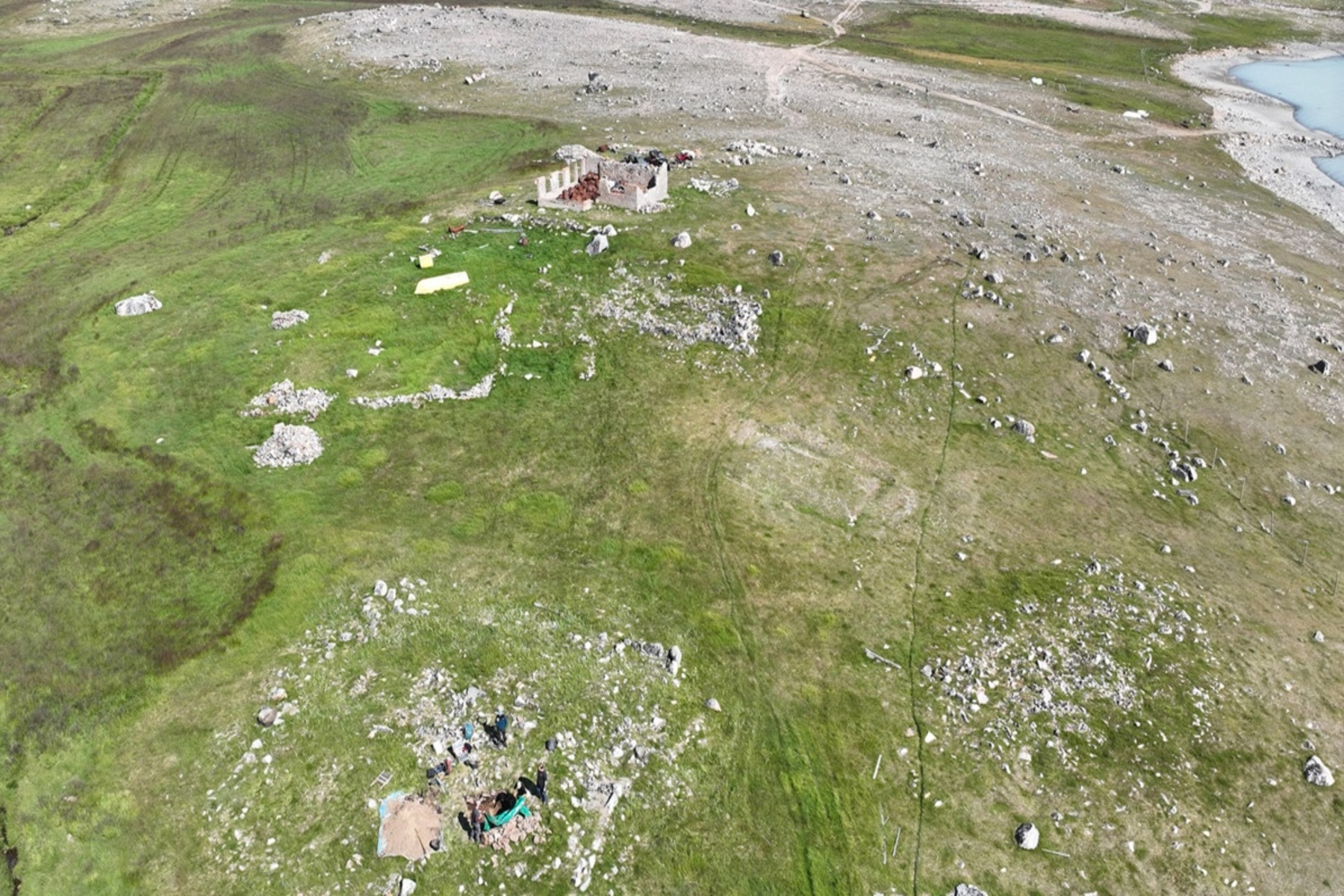
The best guess is that Thorfinn's settlement may have been on Newfoundland, Canada – at L'Anse aux Meadows or somewhere nearby – and that his travels further south took him close to what is now the mainland of Canada.
His adventures were also said to include a violent encounter with a new people: the Skrælings.
As Zachary J. Melton points out in his 2024 article in the journal Religions, following this encounter, some of the children of these people were left behind, and Thorfinn took them into the Norse settlement, where they were eventually baptized as Christians.
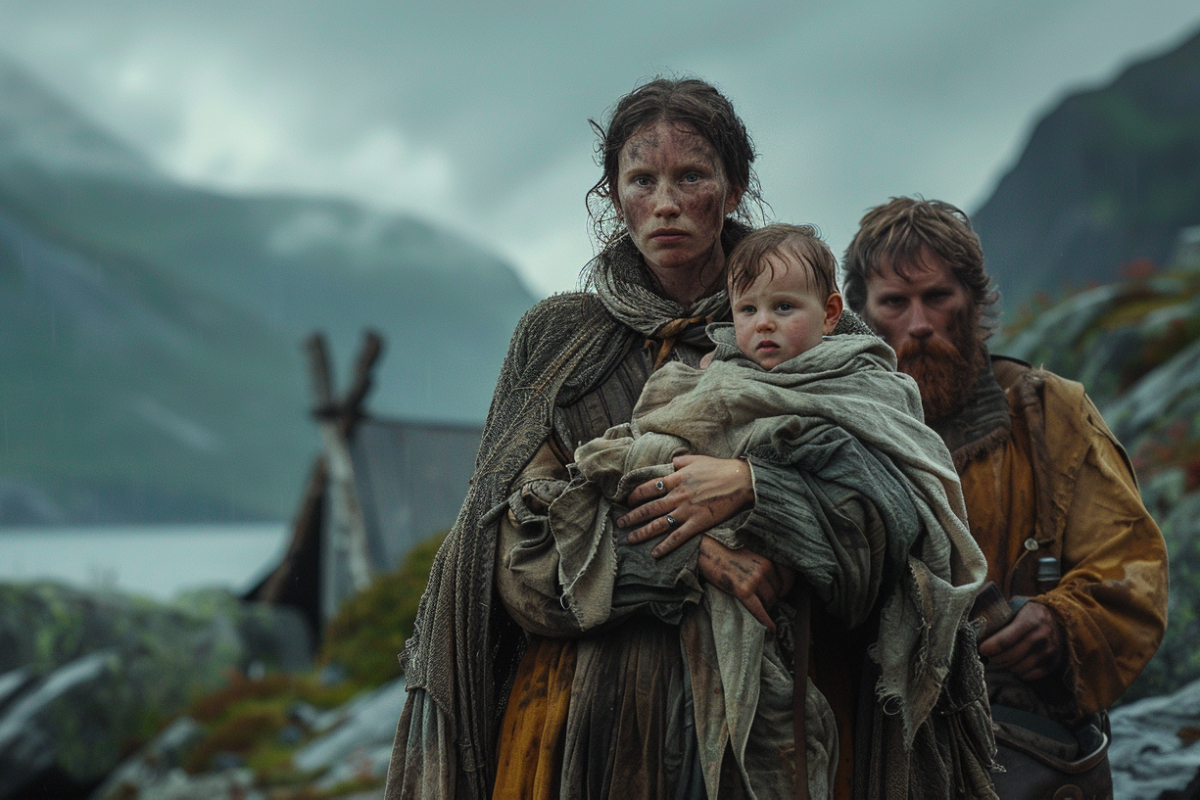
Snorri, the son of Thorfinn Karlsefni and Gudrid Thorbjarnardóttir, was said to be the first European child born in the Americas. Illustration: The Viking Herald
A tragic end to an adventurous life
There is a tragic end, however, to the tale of Thorfinn Karlsefni. Despite doing his best to start a new life in a new world, the bickering in the settlement soon became too much.
The settlers decided to journey back to Greenland and Iceland around 1006.
Whilst Thorfinn made it safely back home to Iceland, many of the ships sank, with all lives lost somewhere in the Atlantic Ocean. Records show that Thorfinn died relatively young in the second decade of the 11th century.
Like all the tall tales and stories in the rich tapestry of Norse sagas, we simply do not know how much of the adventures of Thorfinn Karlsefni is historically accurate and how much is mere creative license.
However, this should not detract us from admiring the spirit of adventure that Thorfinn embodies – the same spirit of adventure that took his contemporaries from the shores of Canada to the bazaars of Baghdad and everywhere in between.
For more information on pre-Columbian "discoveries" of America, including people from Viking societies, visit The Conversation here.
We get to provide readers with original coverage thanks to our loyal supporters. Do you enjoy our work? You can become a PATRON here or via our Patreon page. You'll get access to exclusive content and early access.
Feel free to reach out to discuss potential stories that may be in the public interest. You can reach us via email at [email protected] with the understanding that the information you provide might be used in our reporting and stories.