

In this modern age, we can sometimes be guilty of taking rather patronizing attitudes toward our ancestors. Turn the pages back to the early medieval period, a distance of not just mere centuries but more than a millennium, and this patronizing attitude can sometimes border on scorn.
How did our ancestors manage to travel so far and wide in an age before trains, planes, and automobiles?
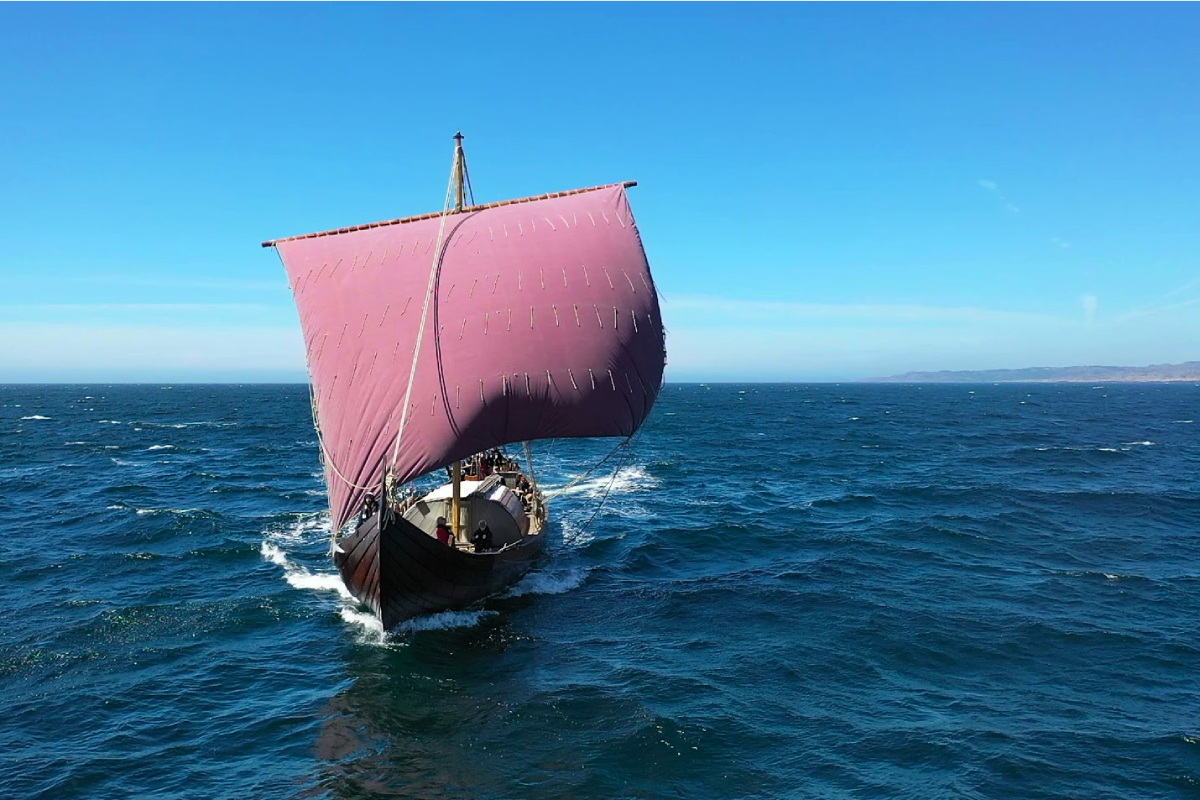
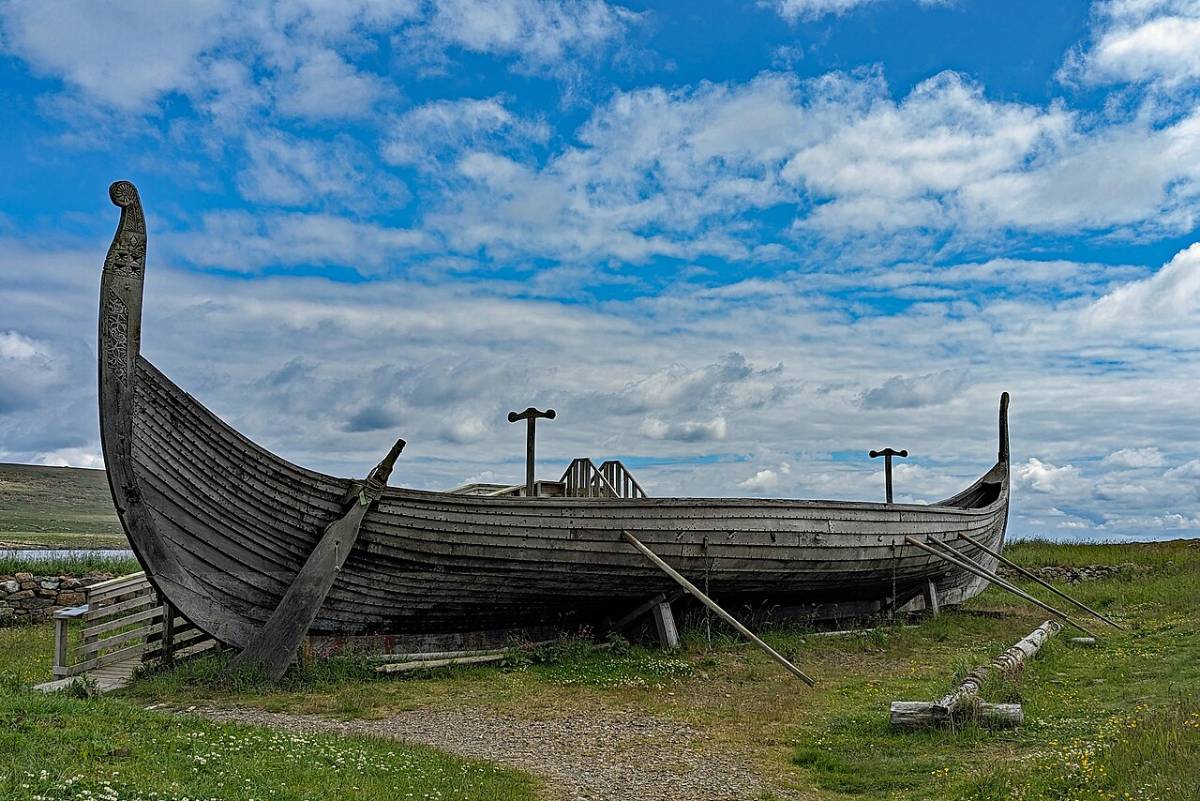
If we look at people in Viking societies, who dominated much of Northern Europe and its surroundings during the early medieval period, the answer was sea travel. Viking ships were integral to the Norse outward expansion from Scandinavia.
It was aboard these finely constructed vessels, a perfect blend of form and function, that goods, settlers, and warriors were ferried across much of Europe and beyond, from the shores of what is now Canada to the eastern edges of the Caspian Sea.
Despite their technologically sophisticated construction, Viking ships had one fatal flaw: they were made from organic material. Countless trees throughout the Viking world, but especially on the Scandinavian Peninsula, were felled to construct them.
Even with our elementary knowledge of science here at The Viking Herald office (our expertise lies in other areas of study), we know that wood and water are not a great combination.
How then did people from Viking societies waterproof and repair the hulls of their marvelous vessels?
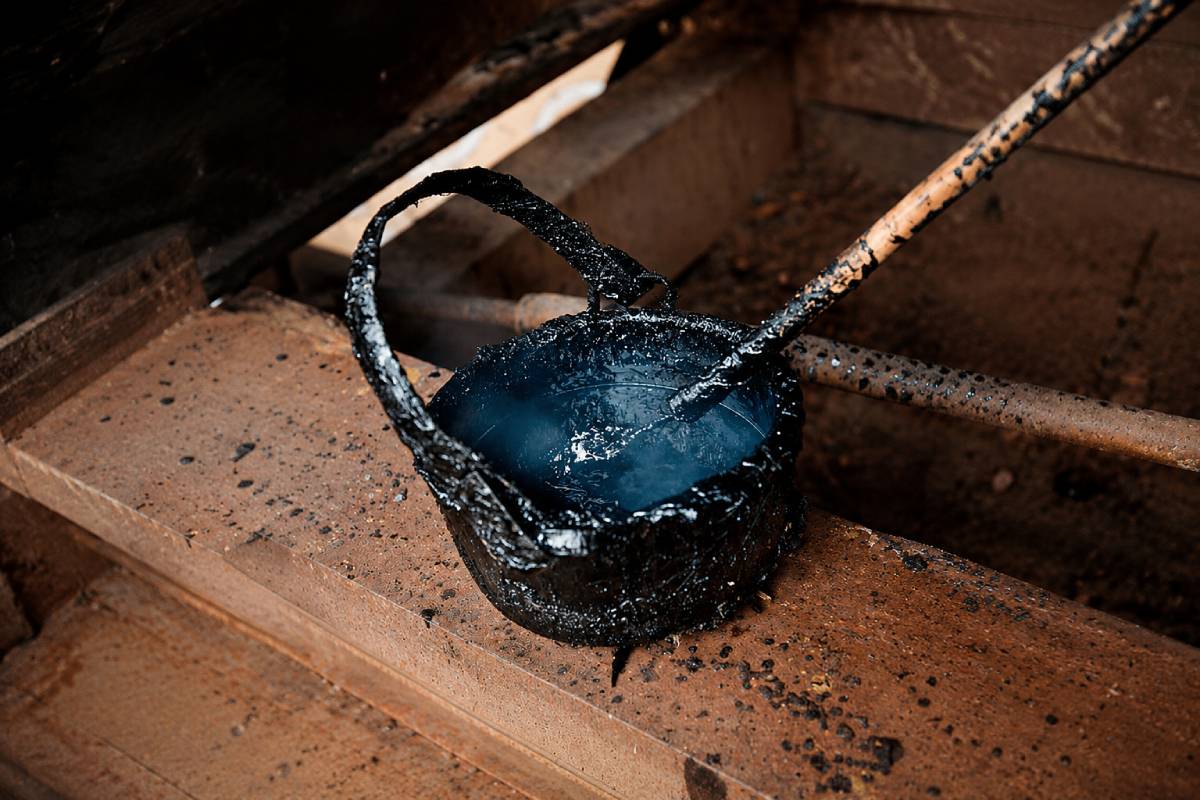
It was with tar and pitch that Viking ships were waterproofed and repaired, helping ensure Viking dominance on the seas for centuries. The seams between the overlapping planks could also be packed with wool, moss, or animal hair mixed with tar or tallow, creating a flexible seal that helped keep the sea out.
Black gold
We turn to the once-vast Scandinavian forests to begin our journey. Aside from the felling of trees for the construction of boats, trees were also vital for their waterproofing.
Chunks of pine wood were heated in low-oxygen conditions, resulting in a thick black resin known as tar. Tar could then be heated further still to produce pitch, a thicker and stickier material better suited to sealing and waterproofing.
The Viking Ship Museum in Roskilde gives a sense of the scale involved, as its reconstruction of the Skuldelev 2 longship required about 600 liters of tar, while one tar kiln built from 60 cubic meters of pine roots could produce around 2,000 liters after four days of burning.
PLEASE NOTE: The rest of this article is only available to our paid Patreon subscribers.
The topic was selected by our Patrons in a weekly poll. Support The Viking Herald on Patreon to read the full article and help choose future topics.
If you would like to learn more about Patreon and why we have decided to restrict access to some content, please take a look at this article.
Feel free to reach out to discuss potential stories that may be in the public interest. You can reach us via email at [email protected] with the understanding that the information you provide might be used in our reporting and stories.