

Whilst these slithery serpents were often presented as dangerous and powerful, in Norse mythology, they also symbolized chaos and cosmic threat, embodying forces that could disrupt or shape the world's fate.
Famous creatures
Scandinavia, the heartland of the Vikings and home to the societies that produced them during the early medieval period, is often stereotyped as a cold and dark place.
However, it boasts enough animal life to rival even London Zoo. From whales to arctic foxes and moose to reindeer, this northern region is home to some of the world's most unique and beloved animals.
It's no surprise, then, that Norse mythology – including the rich tapestry of Norse sagas – contains references to both mythological and real-life animals.
These tales, often told to while away cold winter nights and to pass down cultural, societal, and religious knowledge, include mentions of snakes and snake-like creatures.
Though Scandinavia is not typically the first place one would expect to find a snake, the fact remains that snakes do inhabit this region.
Even so, you're more likely to encounter a snake as described in Norse mythology than to see one slithering around a Scandinavian city or forest – so fear not.
The snakes found within these legends, myths, stories, and sagas act as both adversaries and cosmic forces, embodying destructive cycles tied to the Norse themes of life, death, and chaos.
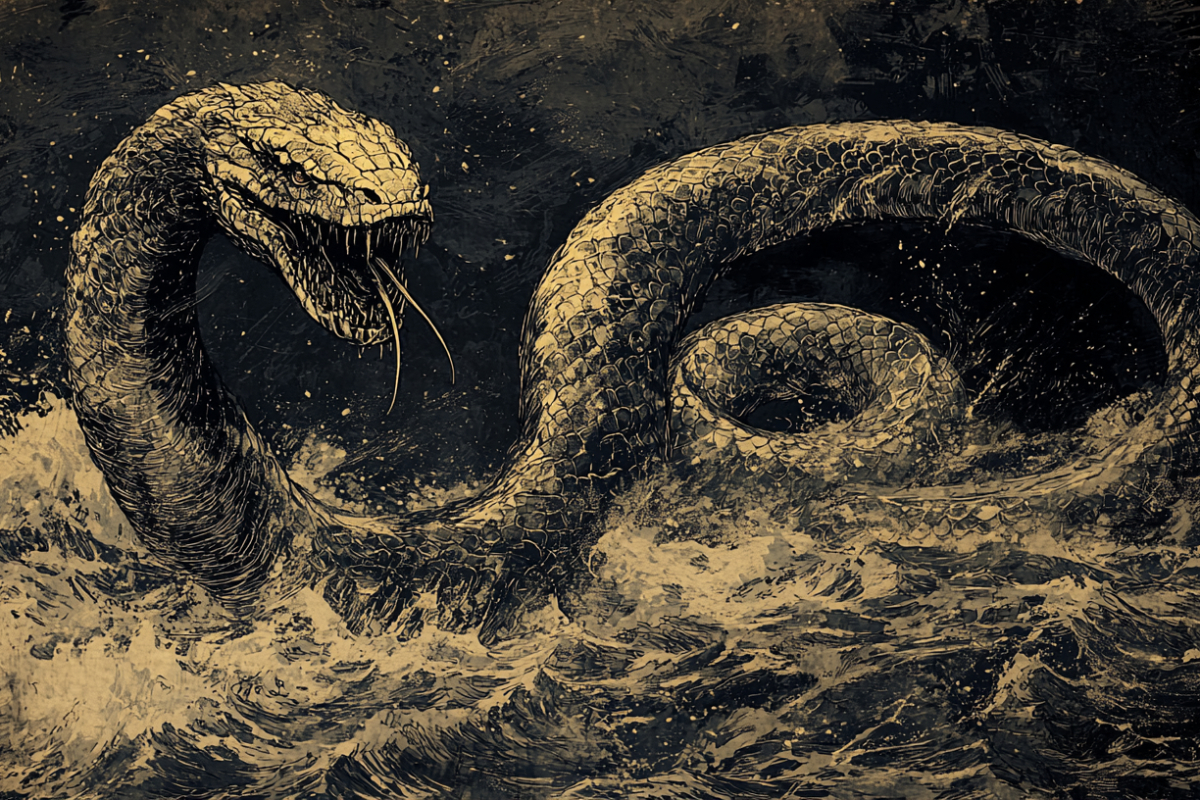
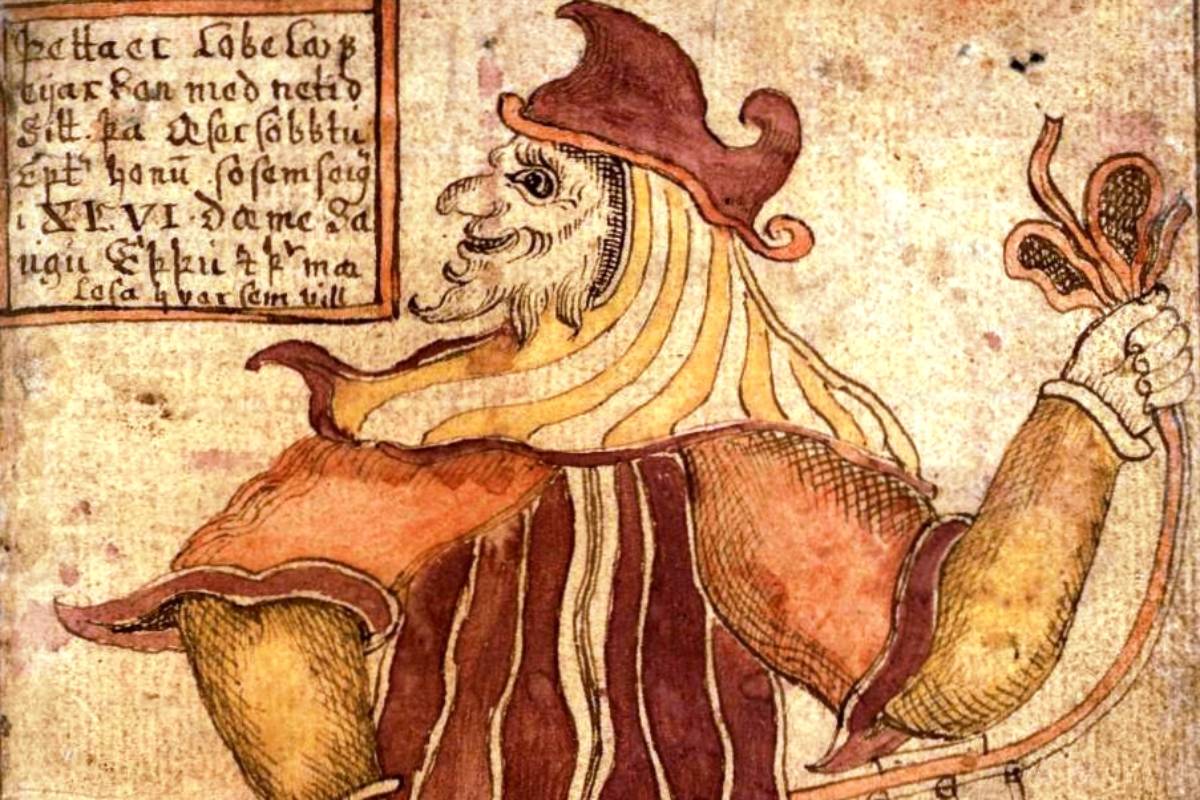
In Norse mythology, Jörmungandr is a massive serpent who wraps around Midgard, the realm of humans. Illustration: The Viking Herald
A chaotic world serpent stuck in an eternal battle and cycle
The famous serpent in Norse mythology literally shapes the Norse worldview.
Jörmungandr – sometimes called the Midgard Serpent or World Serpent – was one of Loki's monstrous children, along with Fenrir and Hel. This massive sea serpent encircles the realm of we mere mortals, Midgard, holding its tail in its mouth (see below).
Beyond encircling Midgard, Jörmungandr appears in some memorable tales, including being plucked out of the ocean by none other than the Norse God of Thunder himself, Thor.
Jörmungandr, the scion of Loki, is more than just a fantastical beast. The image of the serpent devouring its own tail – known to symbologists as an ouroboros (a word derived from Ancient Greek for "tail" and "eating") – was not unique to Norse mythology.
Many other cultures, from ancient Egypt to Classical Greece, also used this symbol within their mythologies to represent the eternal cycle of life, death, and rebirth.
This great world serpent is also associated with Ragnarök. As a harbinger of this ultimate chaos, Jörmungandr is said to rise from the great world ocean, release its tail, and fight its archnemesis, Thor.
These two foes will battle to the death and slay one another.
The academic consensus is that this end-of-times battle represents the struggle between the two personifications of order and chaos, Thor and Jörmungandr, respectively.
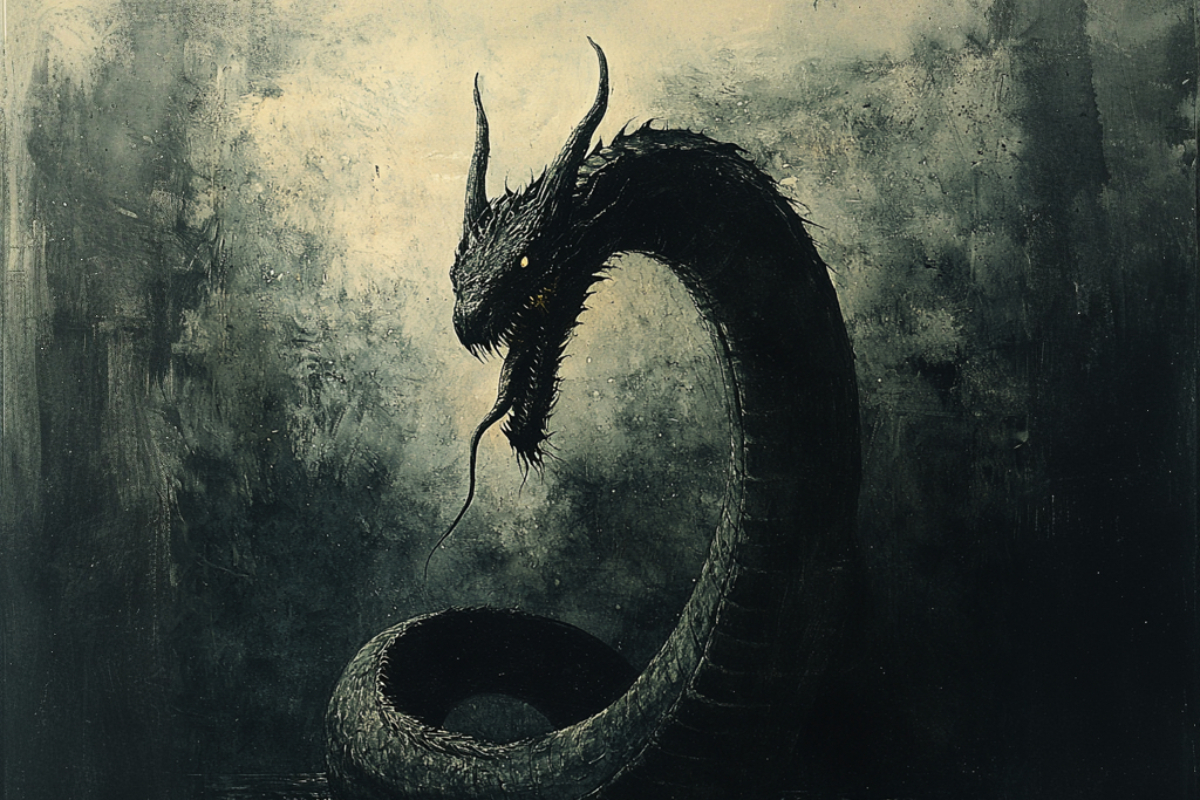
Níðhöggr is a serpent-like dragon from Norse mythology that represents decay and the disruption of the cosmic order. Illustration: The Viking Herald
Afoot a giant tree it weakens the very foundations of the Norse cosmos
We know how important the natural world was for people in Viking societies. Unlike we moderns, these people held a deep reverence and respect for the environment and the natural world.
In fact, their entire cosmological worldview was centered around a great world tree, Yggdrasil.
At the roots of this great world tree – which connected all nine realms of the Norse cosmos – was a beast that, though technically a dragon, is often depicted as a serpent-like creature.
This was Níðhöggr (Old Norse for "one who strikes with malice"), who was said to live at the base of Yggdrasil and gnaw at its roots.
This serpent-like creature is also associated with Nastrond, a region of Hel reserved for oath-breakers and murderers, where he feasts on the bodies of the condemned.
It appears that at some point, Níðhöggr broke free from this realm and rose to Yggdrasil.
Here, it was said that the roots of the great tree pinned down this massive serpent-like creature, creating its need to gnaw at the roots to secure its freedom.
As Kornelia Lasota writes in her 2021 article in the Polish Journal of Animal Studies, whilst Yggdrasil, the great world tree, embodies life, Níðhöggr, based at its roots, represents the opposite: destruction and decay.
It is constantly working to weaken the foundations of this great tree and, in turn, the entire Norse cosmos. This gnawing symbolizes the destructive, cyclical nature of natural life, where creation and decay coexist.
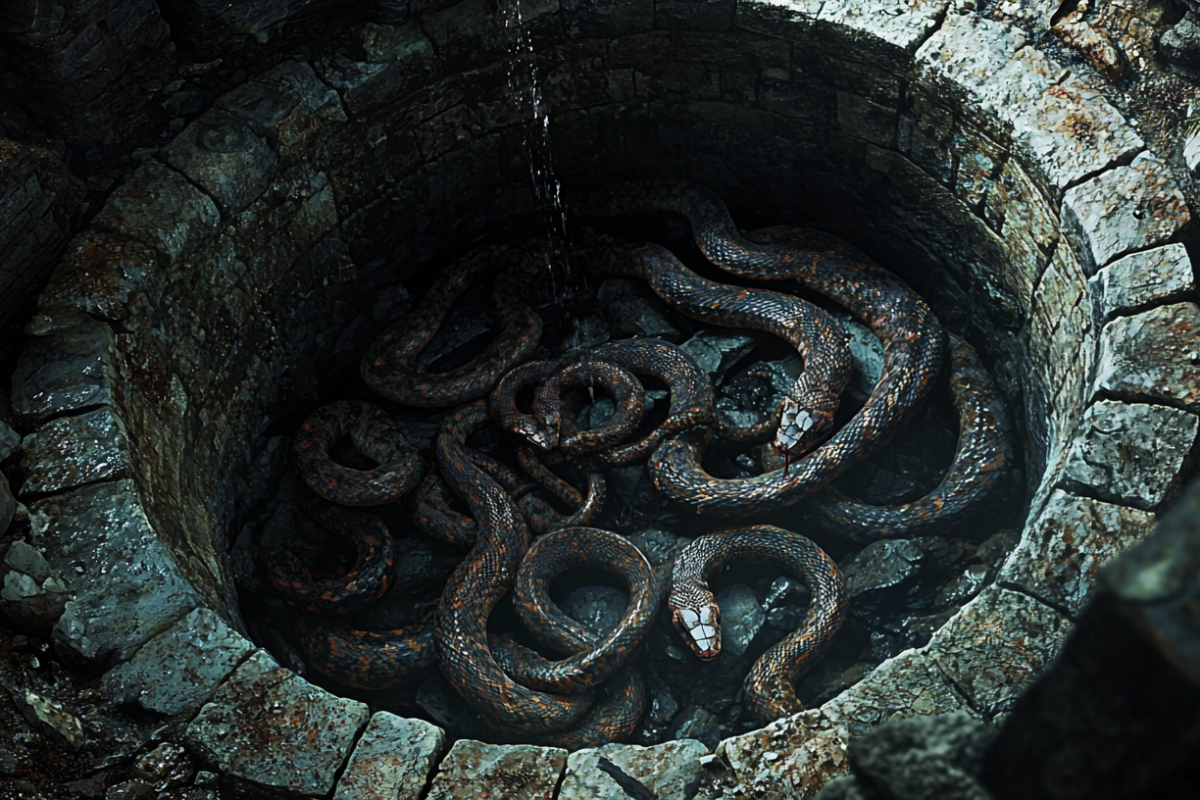
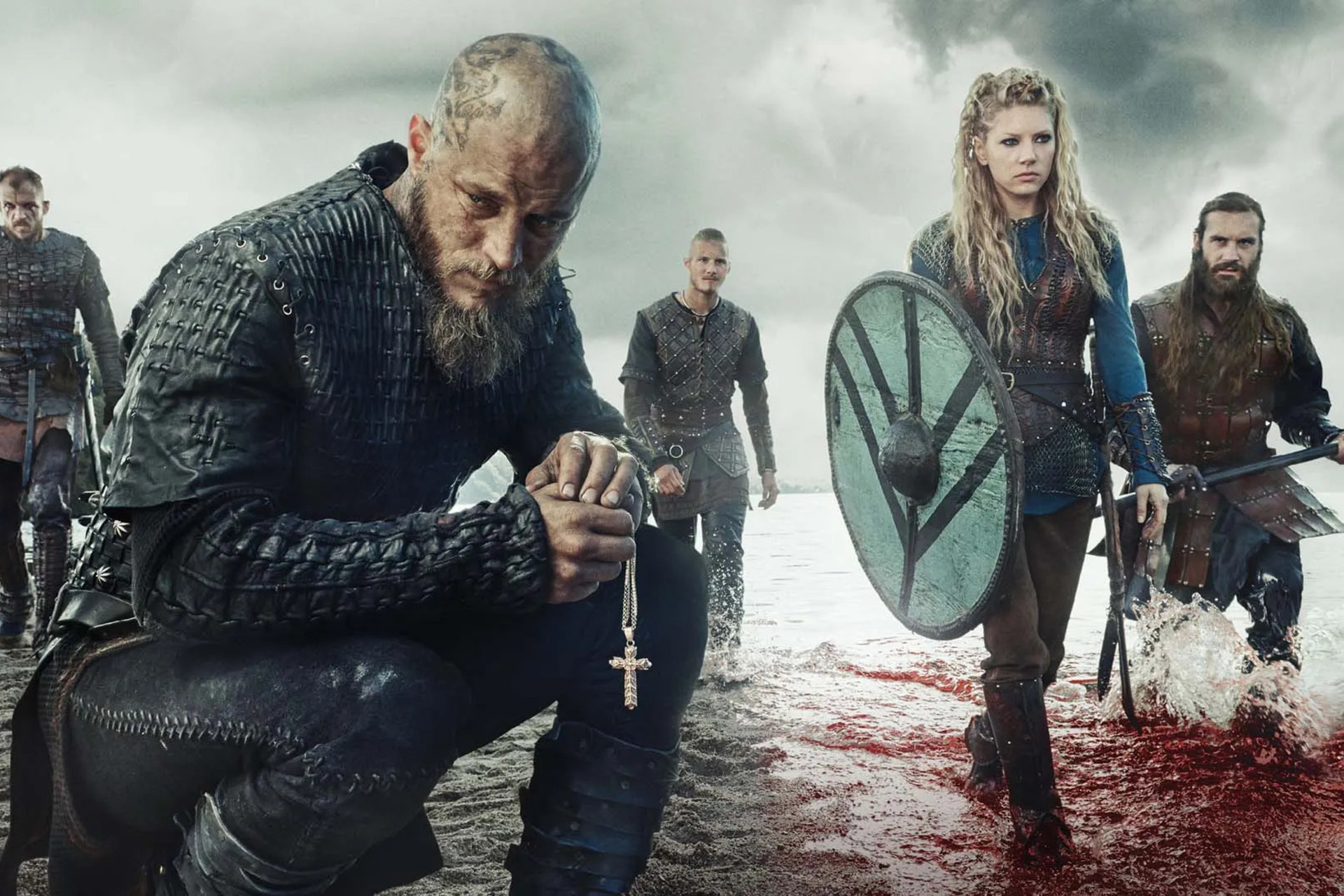
According to legend, Ragnar Lothbrok died after being thrown into a pit of snakes by King Ælla of Northumbria. Illustration: The Viking Herald
Ships, sea serpents, and sons
Aside from those two slippery creatures, Norse mythology also has several other references to snakes.
Throughout the Prose Edda, compiled by Icelandic poet and politician Snorri Sturluson in the 13th century, there are countless references to ships as "sea serpents."
Given Viking ships' sleek design and ability to pounce on an unsuspecting coastal or riverbound community rapidly, there are many poetic metaphors and kennings where these ships are compared to "sea serpents."
This helped further embed the image of serpents within the Viking seafaring worldview.
Finally, snakes appear in one of the most memorable deaths in all Norse mythology – that of Ragnar Lothbrok.
This semi-legendary Viking ruler was said to have led an unsuccessful attack on the Anglo-Saxon kingdom of Northumbria, ruled by King Ælla of Northumbria.
Captured by the king, Lothbrok suffers a gruesome death by being tossed into a pit of snakes and vipers. Not, however, before he curses Ælla and utters the famous words, "How the little piglets would grunt if they knew how the old boar suffered."
When word got back to his sons that their father had died such a ghastly death, they were said to have organized and governed the Great Heathen Army.
As Dan Jackson points out in his 2019 book, The Northumbrians: North-East England and its People – A New History, this invasion signaled a turning point in European, and especially British, history when people in Viking societies came not just to raid but to conquer, colonize, and settle.
Safer on the pages of the sagas
The rich tapestry of Norse mythology has several memorable references to snakes and serpents.
From Jörmungandr's role in Ragnarök to Níðhöggr's devouring of the cursed dead and its gnawing at the roots of the great cosmic tree, Yggdrasil, these serpents symbolize both primal danger and the inevitability of decay, reminding gods and mortals alike of the fragile balance between order and disorder.
Further references to ships as "sea serpents" also underscore how deadly people in Viking societies knew this brilliant piece of naval technology could be in the right hands.
Whilst snakes – luckily – are not prevalent in the Scandinavian wild today, they litter the pages of Norse mythology. Luckily, it's much safer for us that way.
For more on how Norse mythology continues to inspire us today, visit the BBC website here.
We get to provide readers with original coverage thanks to our loyal supporters. Do you enjoy our work? You can become a PATRON here or via our Patreon page. You'll get access to exclusive content and early access.
Feel free to reach out to discuss potential stories that may be in the public interest. You can reach us via email at [email protected] with the understanding that the information you provide might be used in our reporting and stories.