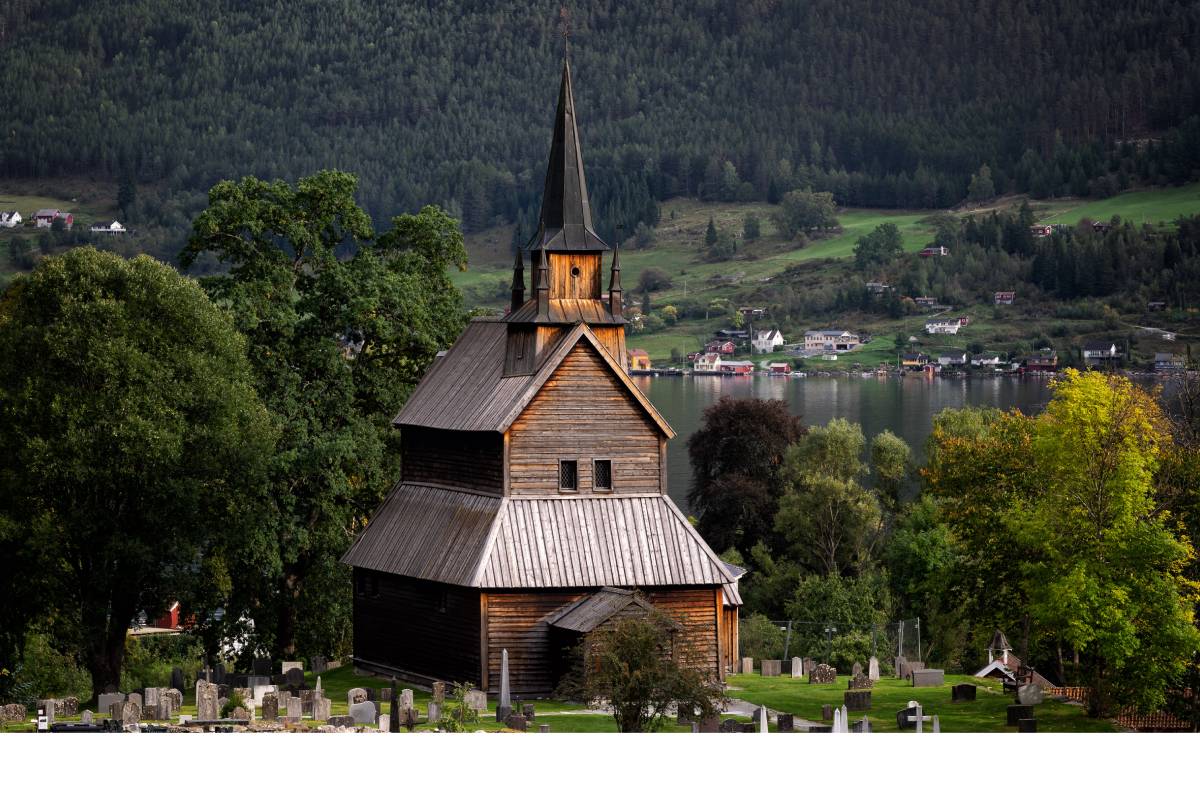


The peninsula of Bygdøy, jutting out into the Oslofjorden just west of the city center of Oslo, is surely one of the city’s greatest hidden gems.
Not only does this peninsula house a huge royal estate and farm (Bygdøy Kongsgård) – the official summer residence of Norwegian King Harald V and his family – but it is also covered in leafy forest and hidden coves, a slice of rural paradise only a few kilometers from the hustle and bustle of downtown Oslo.
Aside from the bucolic views and beaches, one of the true attractions that see thousands of tourists descend here daily in the warmer months is the cultural attractions that include several museums, including ones on the Kon-Tiki expedition and one that deals specifically with Norwegian polar expeditions.
However, the jewel in this cultural crown, according to Saphinaz-Amal Naguib in her 2013 article in the journal Museum International, is the Norwegian Cultural Museum (Norsk Folkemuseum).
This open-air museum houses over 150 buildings that display the history of different periods in Norwegian history as well as from the many different geographical regions of the country.
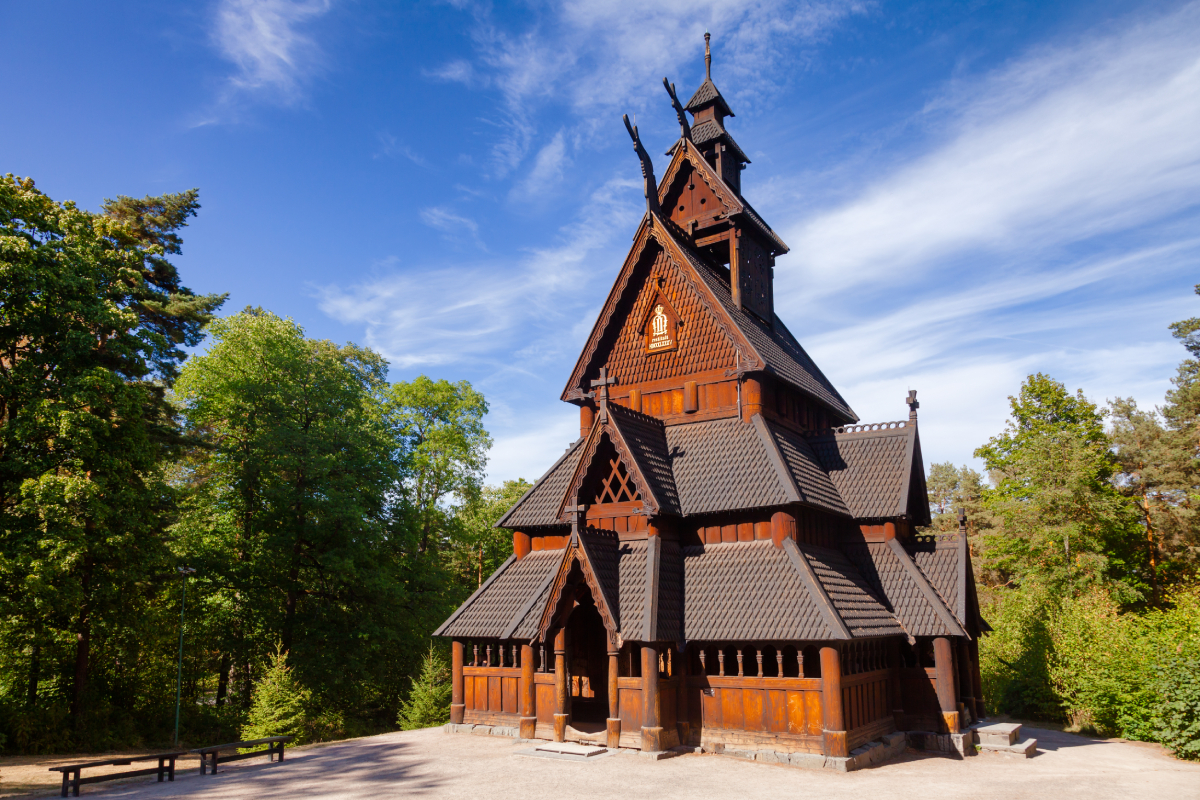
One building stands proudly aloft and is one of the most popular (and photographed): the Gol Stave Church.
Dating from the 12th century, this church was originally built hundreds of kilometers northwestward in Gol, Buskerud.
How then did a medieval church end up being transported to this museum in the leafy suburbs of Oslo? To answer that, we must delve back into Norway’s medieval past.
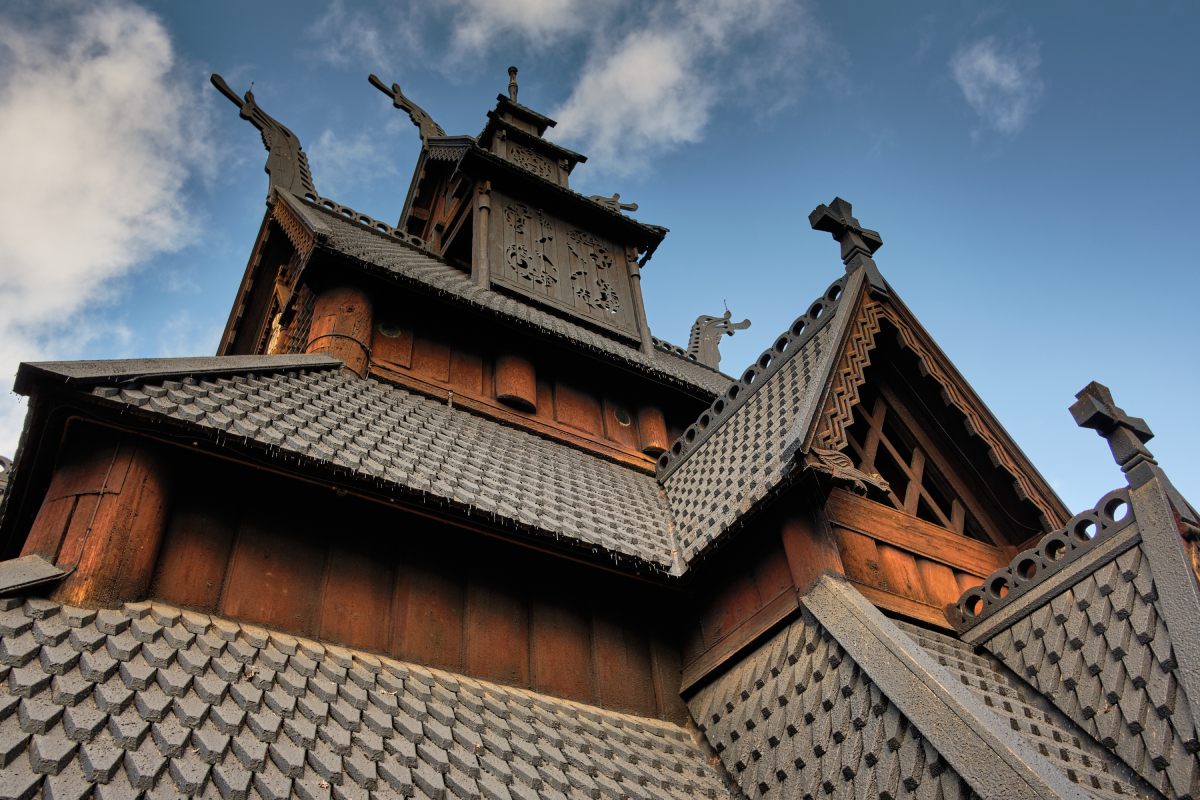
The church's striking roofline, embellished with intricately carved dragon heads, represents the fusion of Old Norse and Christian influences. Source: Barnabas Davoti / Shutterstock
Medieval construction, early modern repairs
The 19th century was a period of transition for Norway. Following the effects of the Industrial Revolution, the country – forced into a personal union with Sweden after winding up on the losing side during the Napoleonic Wars – saw rapid demographic, economic, and cultural change.
Many of the old institutions – be they church or state – were quite literally decrepit, falling apart, and in need of repair. The stave church in Gol, western Norway, was a case in point.
Thanks to modern advances in radiocarbon dating, specifically dating wood, the modern historical consensus is that this church was constructed between the mid-12th century and early 13th century, with an approximate date range of 1150–1220.
Now, despite this being decades after the bloody end of Harald Hardrada on a battlefield in northern England – which traditionally ended the Viking Age – Norwegian society did not simply shed itself of its Viking cloak overnight.
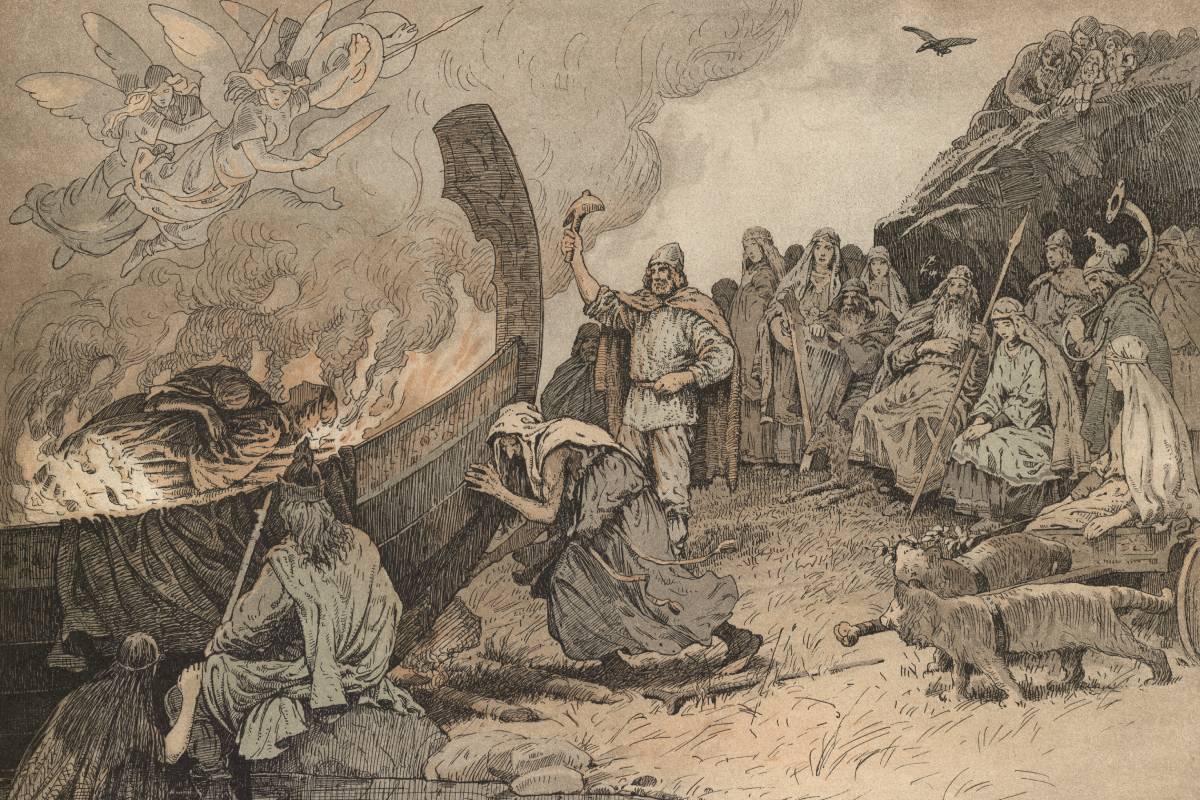
It is true that the infiltration and influence of Christianity from the early medieval period had turned Norway into a Christian kingdom by this era, but there was still a strong cultural appreciation of the old ways, as brilliantly recounted in the Norse sagas.
The stave church constructed in Gol was, like other stave churches, an architectural representation of this cultural synthesis – of a brave new Christian society combined with ancient Old Norse roots.
As Petter Aune, Ronald L. Sack, and Arne Selberg wrote in their 1983 article in the journal Scientific American, much of the original carvings were sadly lost when the church underwent repairs and reconstruction in the 17th and 18th centuries.
We do have contemporary sketches of the old interior, which, like other stave churches, show a mixture of Christian and Old Norse religious iconography and symbolism.
Centuries of communal worship took their toll, and by the early modern period, restoration was needed.
The imposing tower and much of the roof were restored, and most of the interior was redecorated during this period.
However, despite the new lease on life these repairs provided, they could not halt the slow advance of time.
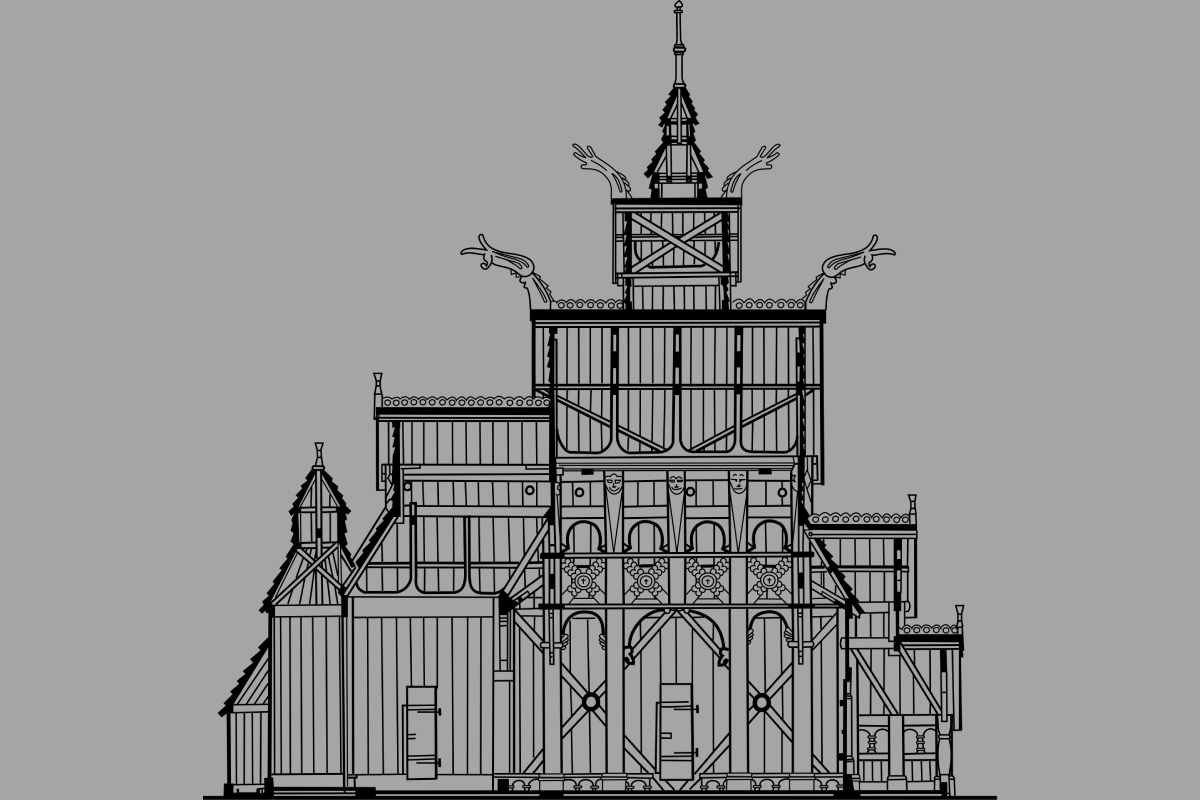
In this technical drawing, the Gol Stave Church is depicted in a side elevation with the view cut lengthwise, offering a detailed look at the internal structure. Source: Micha (Public domain)
Moving a church thanks to royal help
The Gol Stave Church had withstood the ravages of time for a few more centuries following its repair works. Yet by the late 19th century, the church was in a state of almost complete disrepair.
The Church of Norway authorities had decided that the community of Gol required a new church, and they were intent on tearing down this slice of medieval architecture.
Given Norway’s societal state of flux during the latter half of the 19th century, which saw historic old buildings torn down and much of the nation’s cultural fabric and heritage lost, a society (Fortidsminneforeningen – The Society for the Preservation of Ancient Norwegian Monuments) was founded in 1844.
They appealed to the parishioners of Gol – who wanted to sell the church materials – and bought it for a princely sum of 200 kroner.
It was here that the King of Sweden-Norway, Oscar II, stepped in. He had just overseen a new exhibition near his estate on Bygdøy.
Stepping in to bear the financial burden, he oversaw the old Gol stave church being meticulously disassembled, transported, and rebuilt, taking pride of place in this new exhibition.
The King’s exhibition would then be transferred to the Folkemuseum in 1907.
Technically, the Norwegian monarchy (which succeeded the personal union of Sweden-Norway after Norwegian independence in 1905) still owns the church, but it is managed by the museum authorities.
King Oscar’s generous financial help echoed the deep historical ties between the Norwegian monarchy and the Church of Norway.
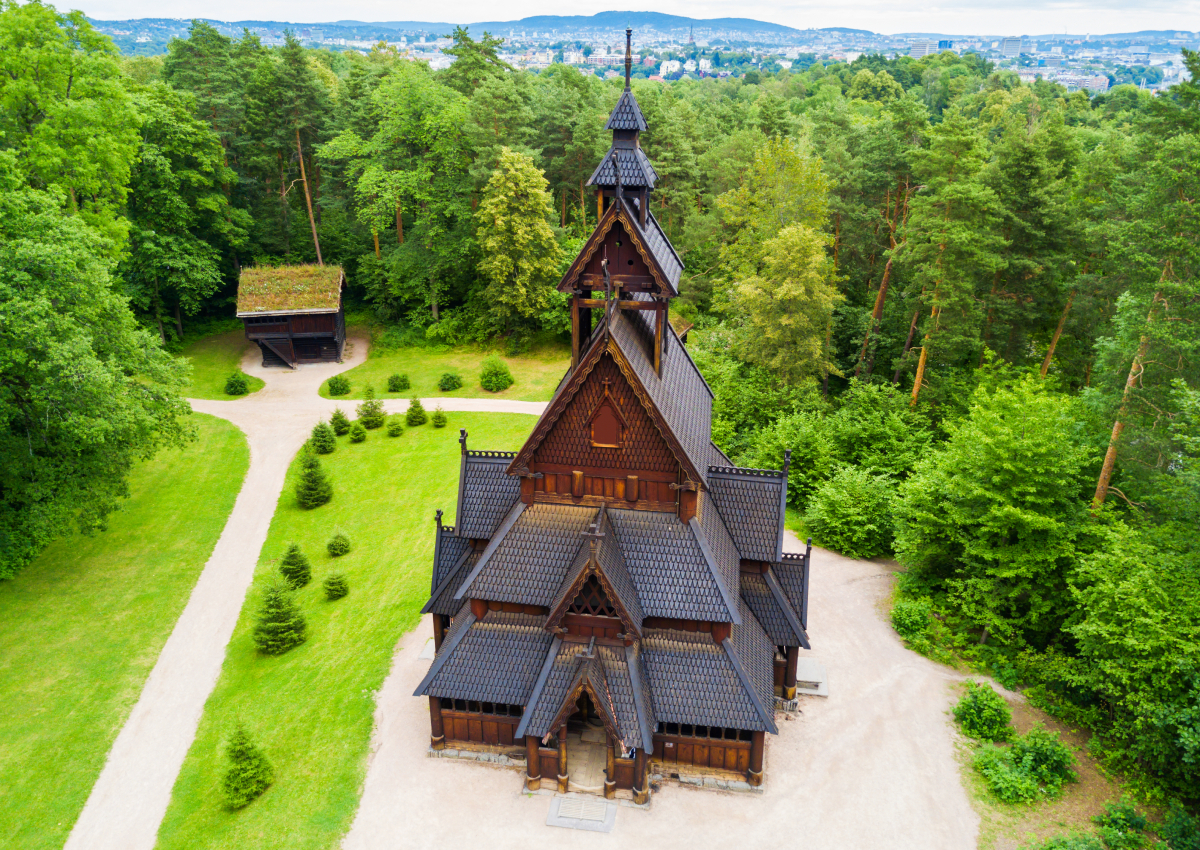
In the 1880s, King Oscar II intervened to save the church from demolition and funded its relocation to the Norwegian Cultural Museum. Source: saiko3p / Shutterstock
Worth a visit this (European) summer
The Gol stave church is rightly celebrated as one of the architectural wonders of Norway.
With its striking roofs – featuring several carved dragon heads and crucifixes – it is a visual representation of that period in Norwegian history when the high watermark of the Old Norse religion was rapidly fading into obscurity due to the dynamic influence of Christianity.
Fast forward centuries later, and with the two-time help of royalty – one to fund its repair and relocation, and another generous offer of support bestowing it to the nation – locals and tourists alike can revel in the awesome medieval majesty of the Gol stave church just a stone’s throw from downtown Oslo.
Should you be lucky enough to be heading to Oslo this European summer, do yourself a favor and visit the Folkemuseum to see this medieval wonder.
For more information on what graffiti in churches can help tell us about medieval Norwegians, visit Science Norway here.
We get to provide readers with original coverage thanks to our loyal supporters. Do you enjoy our work? You can become a PATRON here or via our Patreon page. You'll get access to exclusive content and early access.
Feel free to reach out to discuss potential stories that may be in the public interest. You can reach us via email at [email protected] with the understanding that the information you provide might be used in our reporting and stories.