

The early medieval period was a time of immense change and movement. And by movement, we literally mean movement.
A 19th-century German historian coined a snappy term to describe the movement of peoples into Western Europe following the collapse of the Western Roman Empire in the late 5th century CE - Völkerwanderung - the wandering of the peoples.
Whilst terms like these are problematic nowadays – as historians tend to focus on the underlying pressures and trends that caused these wanderings – the term, however, captures some of the spirit of this age.
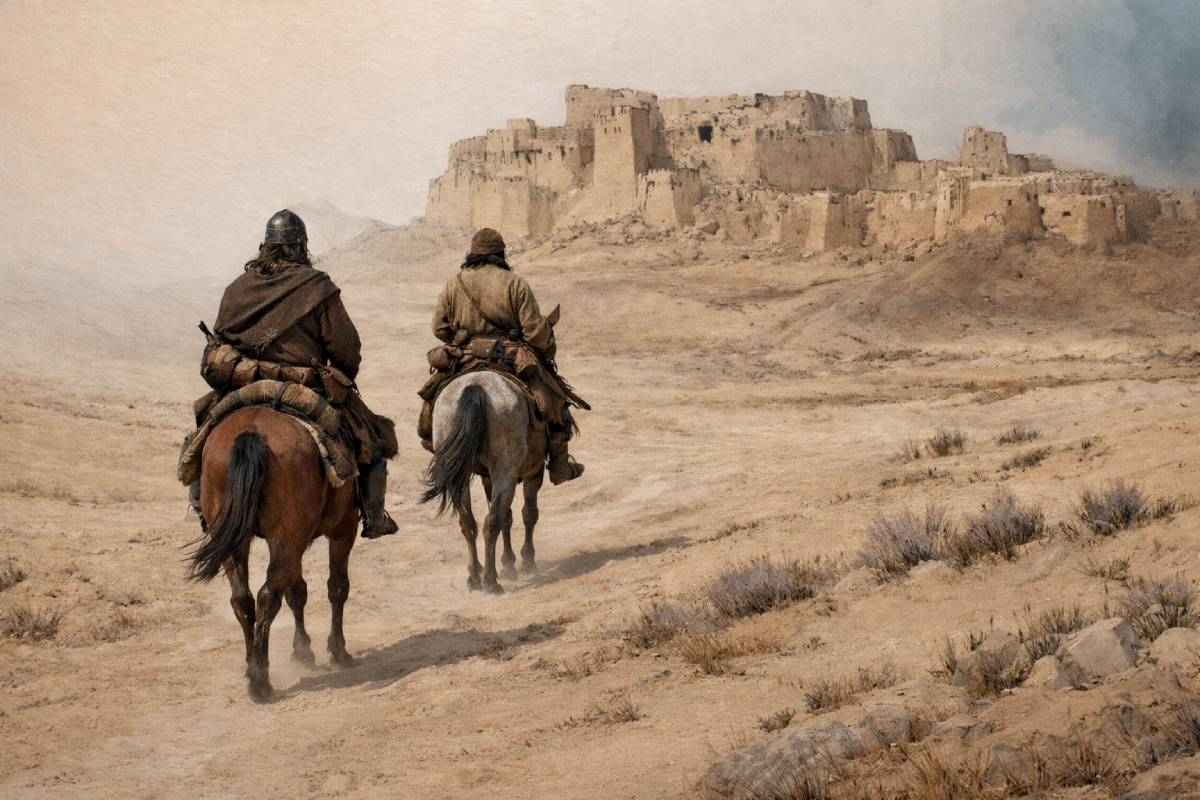
With the insecurity caused by (Western) Rome's collapse, the borders of Western Europe were pried open, leading to the migration of several groups westward from the east – including the Goths, the Huns, the Angles, the Jutes, the Saxons, and the Franks.
By the time the first Viking raid occurred – not in England but in Estonia in c. 750 CE - a people had settled on the eastern shores of the Baltic Sea, having migrated from further east over the past few centuries.
Later medieval Scandinavian scribes and scholars dubbed them Vender (The Wends).
Modern historians believe that the Wends were a northern group of Slavic people who had settled on the southern and eastern shores of the Baltic sometime from the 6th century CE.
An umbrella term, it also included the many Slavic tribes and groups in the area, including the Pomeranians, Rani, and the Veleti.
Many of these tribes had come together to create confederations, not unlike what their ancestors had done on the Eurasian steppe centuries before.
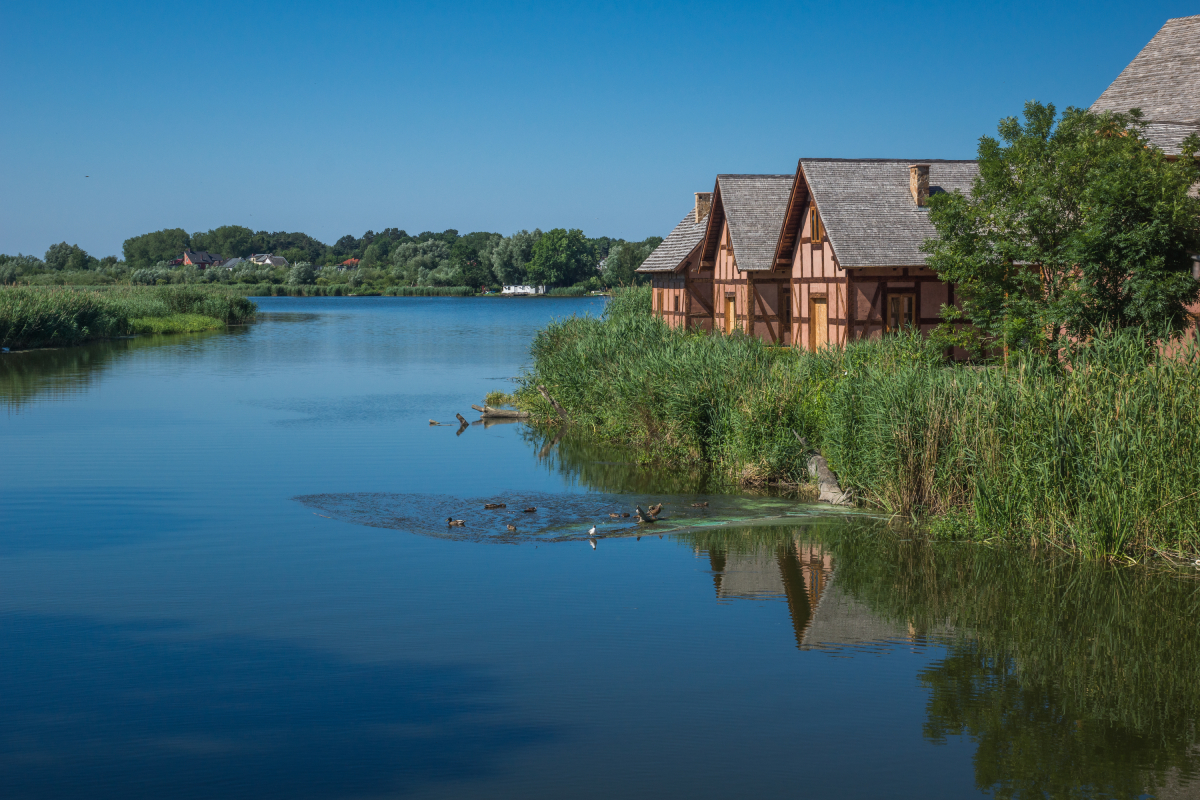
Facing the Vikings across the Baltic Sea were the Wendish lands, now parts of northeastern Germany and Poland, where a dynamic mix of warfare, commerce, and cultural interaction unfolded. Photo: Artur Bociarski / Shutterstock
The Viking Pond
The traditional history of the Viking Age (c. 750 – 1100) is told very much from a Western perspective.
The Viking interactions, profitable and bloody, with communities on the British Isles and throughout the Frankish realms have filled an Amazonian pile of books.
It is only in recent times that a new eastward analysis of Viking interactions has been undertaken to help shatter this Western bias in studying the age.
Books like the brilliant River Kings, by Dr. Cat Jarman, available to buy on Amazon here, have helped modern audiences rethink the Vikings' eastward expansion and exploits.
For most of the early medieval period, the Baltic Sea was a literal "Viking Pond" and the first place Vikings set sail in their famous longships.
It was only a matter of time before interactions between the Wends and the Vikings took place.
There was, no doubt, a great deal of violence between the Vikings and the Wends.
However, these interactions were often so much more than mere raids and were multifaceted, encompassing elements of military conflict, economic and cultural exchange, and political dynamics.
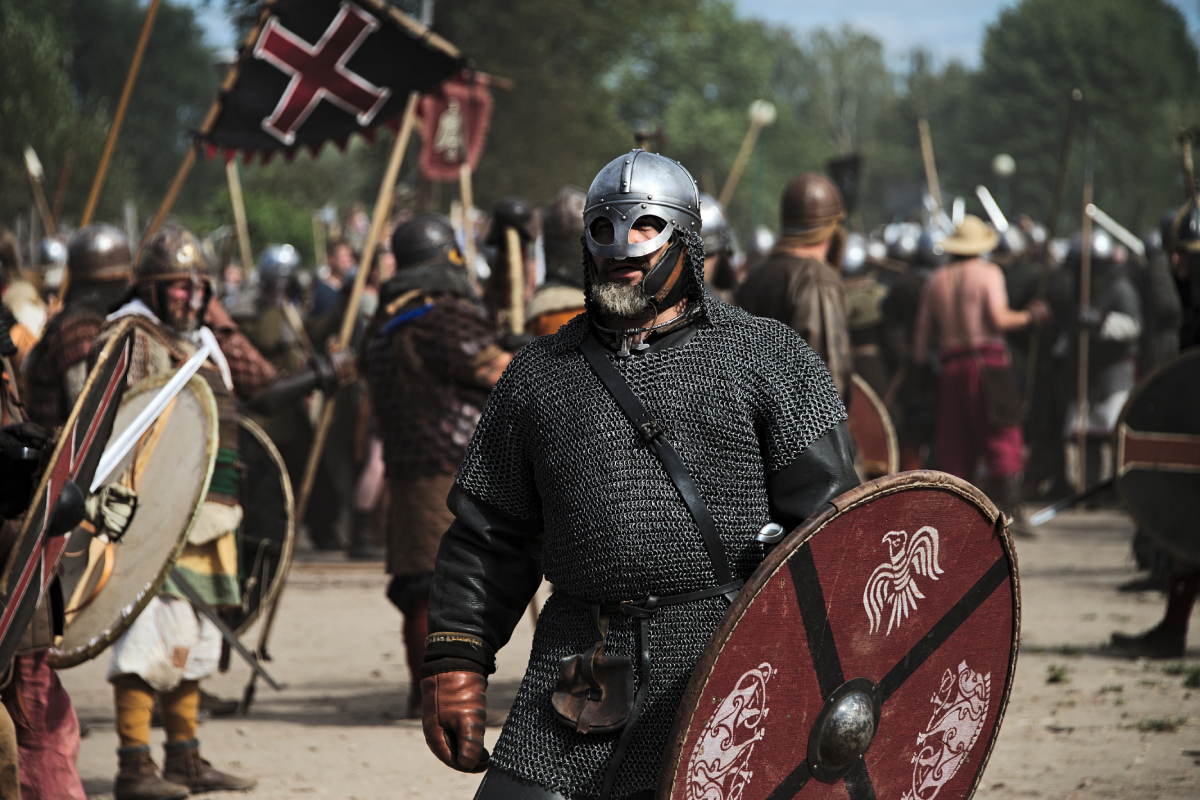
Wolin, an island in Poland, historically served as a nexus for Viking and Wendish interactions, now celebrated through the annual Slavic and Viking Festival, drawing large audiences to its rich cultural past. Photo: Jakub T. Jankiewicz (CC BY-SA 4.0)
Military might
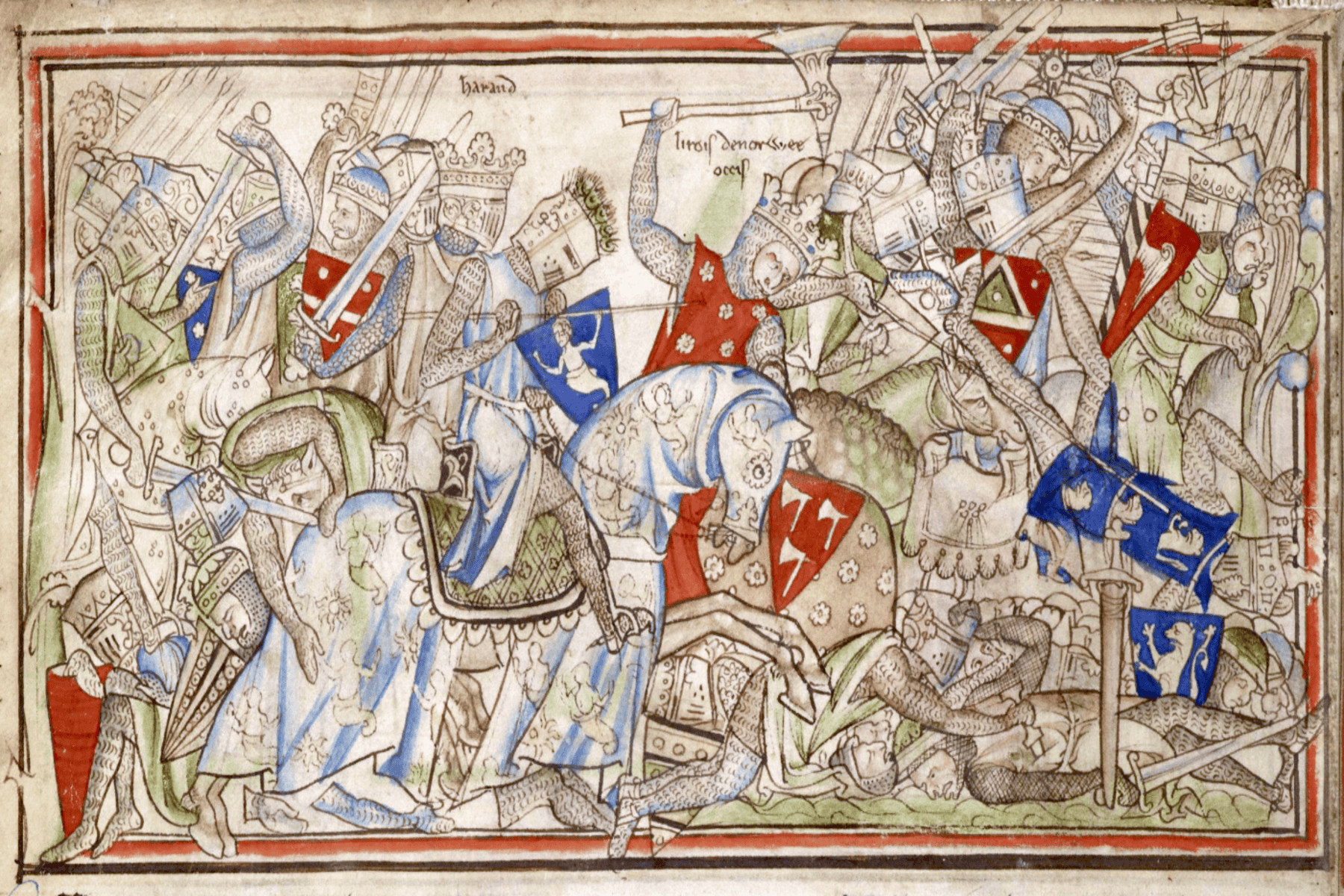
It should be no surprise that one of the most frequent interactions between the Vikings and the Wends involved a great deal of violence.
Military interactions were characterized by a mix of raids, conquests, and armed territorial disputes.
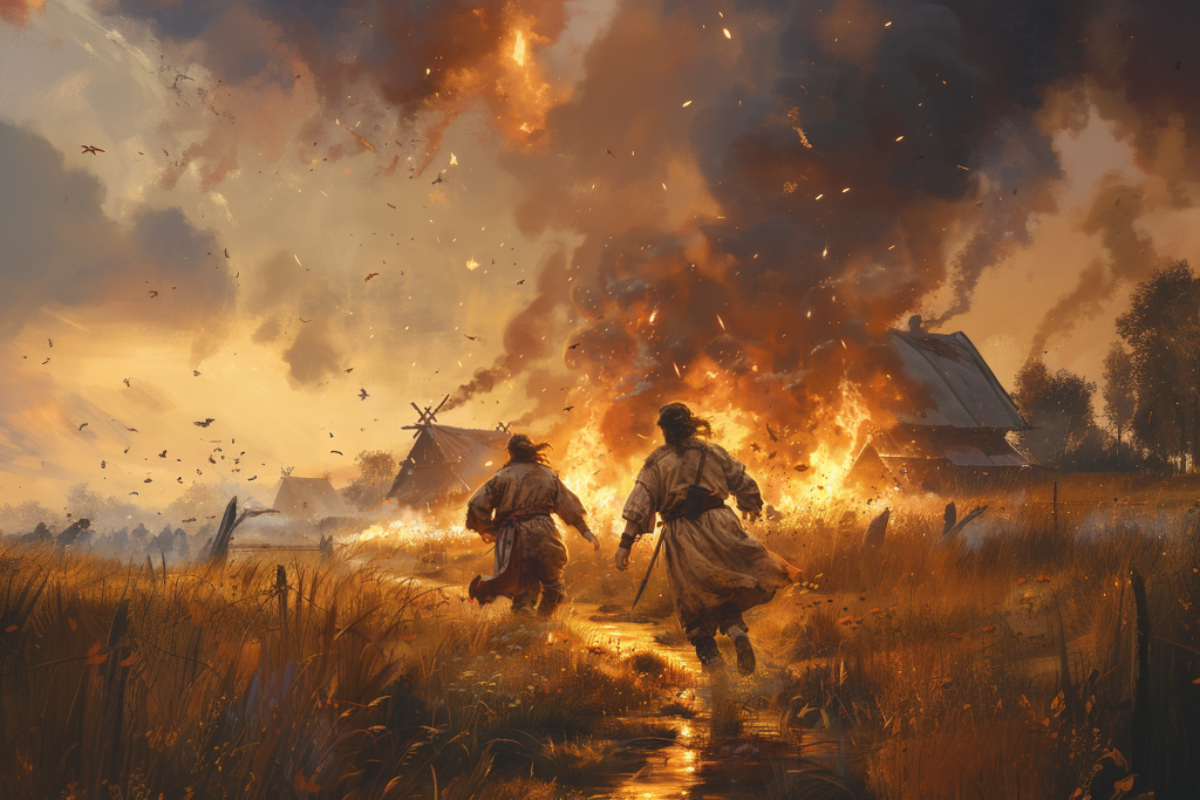
The impressive seafaring abilities of the Vikings, along with their feared martial skill, often targeted Wendish coastal settlements for plunder and pillage.
These raids were facilitated by the precarious and vulnerable position of Wendish settlements scattered along the Baltic coastline, making them particularly susceptible to seaborne attacks.
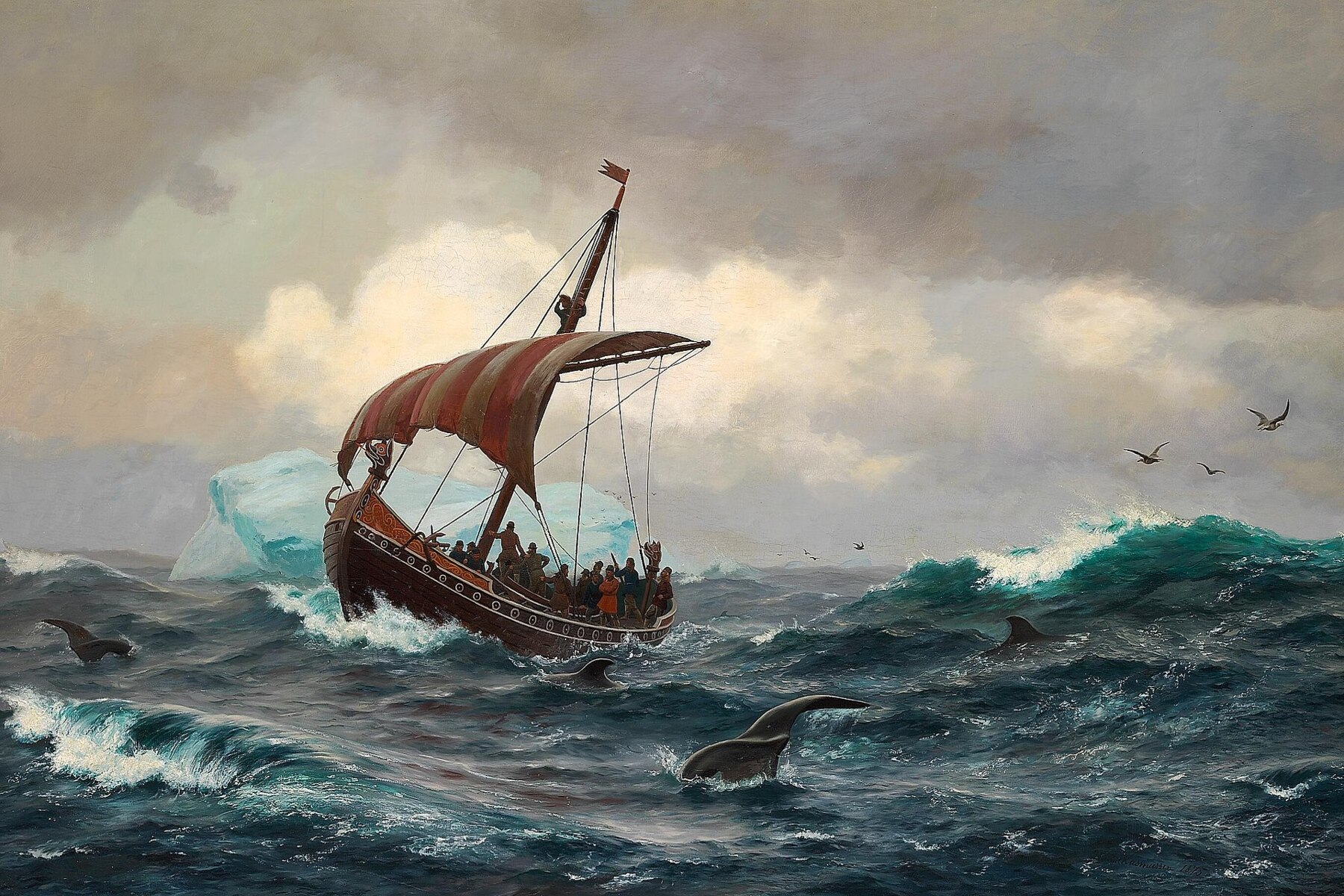
These seaborne attacks were possible thanks to the most advanced naval technology of the era, the Viking longship.
Long and swift yet highly maneuverable vessels enabled them to navigate both across the Baltic Sea and in the shallow waters that lined the "Viking Pond."
These raids inflicted considerable damage on Wendish settlements, causing great economic disruption, loss of life, and untold destruction of property.
In addition to raiding, the Vikings established fortified encampments in Wendish territory to consolidate their presence.
This constant Viking threat forced the Wends to fortify their coastal defenses and adopt defensive strategies to repel the seaborne warriors.
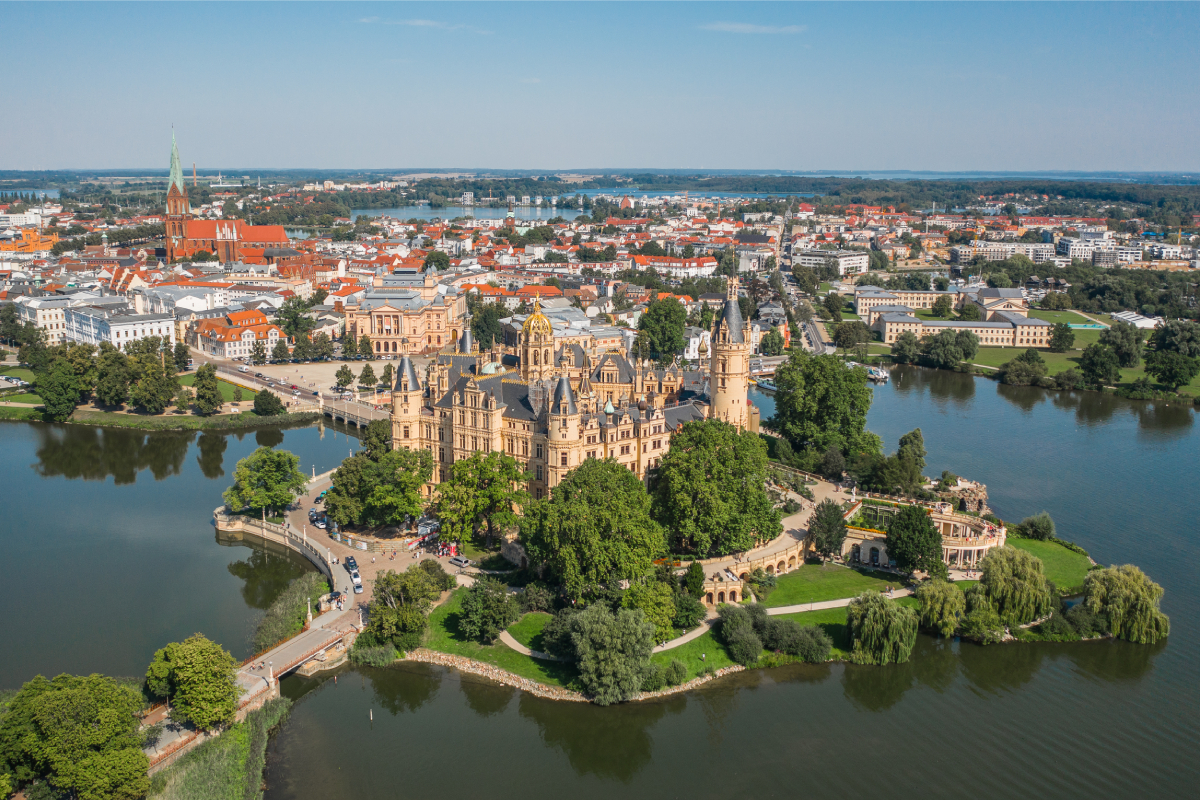
The city of Schwerin, nestled in Mecklenburg-Vorpommern, Germany, boasts a castle with origins as an Obotrite fort from 973, reflecting its historical significance to the Slavic Obotrites, a Wendish tribe. Photo: Aleksandr Medvedkov / Shutterstock
Encounters of a political, economic, and cultural kind
The relationship between the Vikings and the Wends was not only characterized by violence and hostility.
There were examples of cooperation and alliances, mainly when it served the interests of both parties.
Some Wendish rulers formed alliances with Viking leaders through mutual defense pacts or marriage (a favored way for alliance building throughout the early modern world) to protect their territories from rivals or external threats.
Both the Wends and Vikings were operating in a highly politically insecure world, and as much help as possible was needed. Alliances could involve the exchange of gifts, hostages, and military assistance.
Given the political insecurity of this era, medieval geopolitics and politics were inherently pragmatic.
Economic interactions between the Vikings and the Wends were driven by the vast trade networks that connected Scandinavia to the Baltic region, Eastern Europe, the Byzantine Empire, and the wider Islamic world.
Vikings, renowned for their trading and mercantile skills, sought valuable commodities abundant in Wendish territory.
Amber, furs, and slaves were highly sought after. In exchange, Viking merchants offered silver, weapons, and luxury goods (like jewelry) obtained through their extensive trade network stretching across Europe and beyond.
This trade brought prosperity to both the Vikings and the Wends, stimulating economic growth, facilitating cultural exchange, and fostering the development of commercial centers along the Baltic coast.
The transfer of knowledge, technology, and expertise was also part of this economic relationship.
The Vikings shared their naval technology and shipbuilding expertise, while the Wends introduced Viking merchants and traders to new agricultural techniques and craftsmanship.
The Vikings and the Wendish societies also shared a strong warrior ethos.
Complex interplay
The Vikings had complex relationships with many societies they encountered throughout the early medieval period, and the Wends were no different.
An elaborate interplay of military conflict, economic interactions, and cultural exchange all took place.
Whilst raids and conquest were often the dominant narrative, cooperation, and alliance were not uncommon features either.
The Norse and the Wends were two distinct but interconnected peoples and societies with a dynamic and multifaceted relationship.
This relationship left a lasting imprint on the Baltic region's history, culture, and political landscape centuries after the last Viking ship ever sailed.
For more information on some of the migrations that followed the collapse of the Western Roman Empire, visit Science Direct here.
We get to provide readers with original coverage thanks to our loyal supporters. Do you enjoy our work? You can become a PATRON here or via our Patreon page. You'll get access to exclusive content and early access.
Feel free to reach out to discuss potential stories that may be in the public interest. You can reach us via email at [email protected] with the understanding that the information you provide might be used in our reporting and stories.