

The newly released Viking Dynasties: The Royal Families of Lejre and Uppsala Between Archaeology and Text (available on Amazon here) promises to be one of the most important archeology books of the year.
The 623-page book is the result of an international collaboration between the National Museum of Denmark and Uppsala University, funded in large part by the Krogager Foundation.
The collection of historical writings and academic analysis guides readers through six years of research into two of the most fascinating and influential dynasties of historical Scandinavia.
A grand project
There have long been suspicions that the sites of Lejre in Denmark and Gamla Uppsala in Sweden were hugely significant to the development of Norse culture in the first millennium.
In the past, however, historians and other experts were forced to rely almost exclusively on meager scraps of information from foreign chroniclers and medieval legends.
This began to change with a series of excavations in the 19th and 20th centuries.
Now, over an extensive period of research, an interdisciplinary team of historians, saga scholars, and archeologists has examined both the existing written records and a series of thrilling new archeological discoveries.
Co-authored by Tom Christensen, John Ljungkvist, and Neil Price, and with further contributions from nine other academics, Viking Dynasties presents the findings of that research in absorbing detail.
"The idea was simply to bring together the years of previous research at these two royal centers, in the context of a reassessment of the written sources, and also to carry out new excavations at both sites," co-author Neil Price explains to The Viking Herald.
"The results would be combined to attempt a new archaeo-history of the early kingdoms."
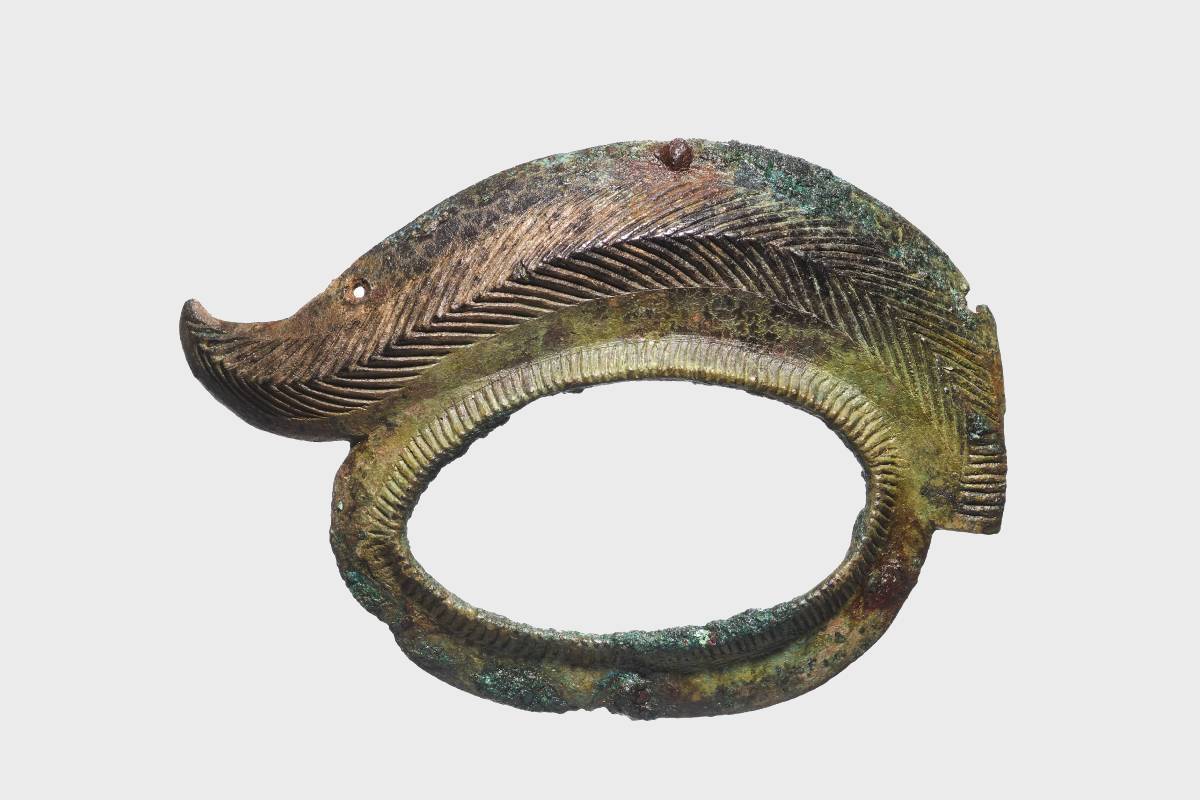
This helmet fragment from Gevninge likely belonged to a high-status Viking warrior. Source: © Roberto Fortuna / National Museum of Denmark
From myth into reality
"It has been many years now since the written sources on the early Scandinavian kingdoms were taken seriously, being long dismissed as essentially fables and myth," Neil admits.
"With regard to Lejre and Uppsala, this long-held perception is changing, thanks in no small part to the ongoing work of archeologists at the two locations."
"Archeology has revealed what are clearly royal palace complexes at both Lejre and Gamla Uppsala," Neil continues.
"This is fully commensurate with the 'dynasties' that are, in fact, described (albeit obscurely) in the texts. Through combining the work of many scholars, reassessing both archeology and text in this new, joint context, this project has managed to illuminate all these sources afresh."
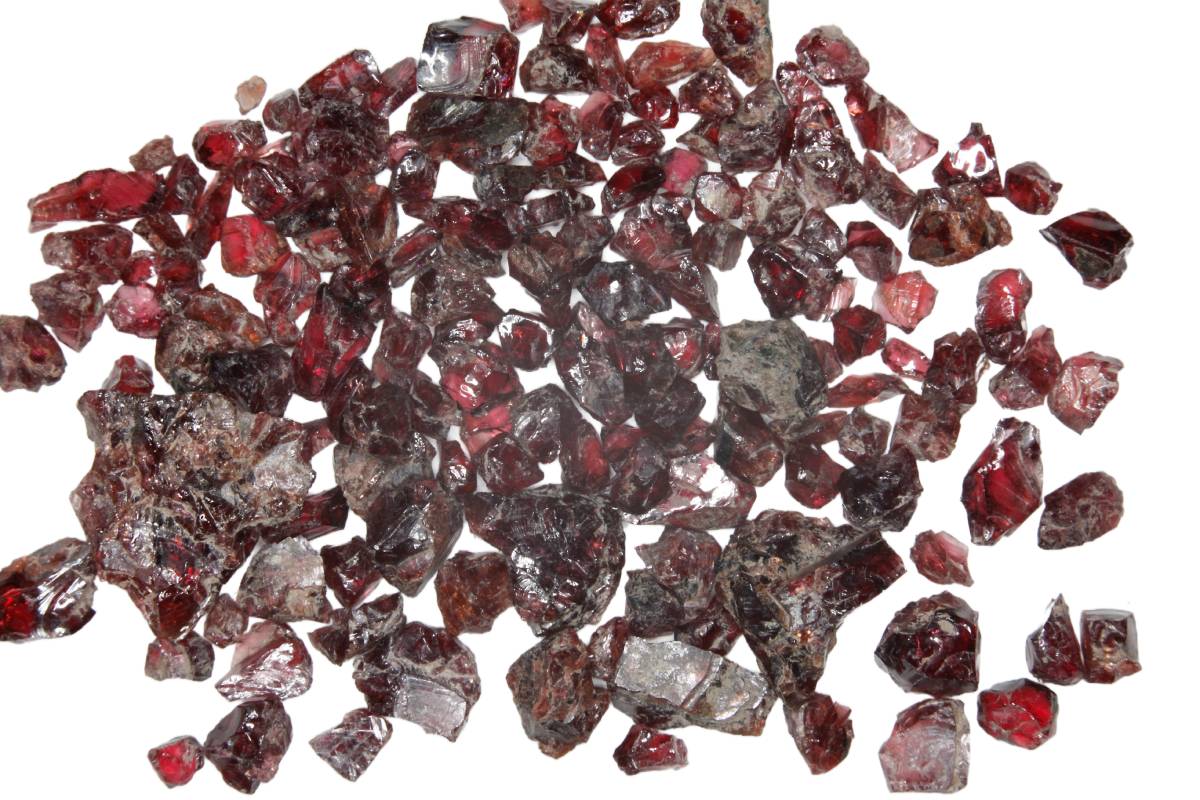
These garnets from Gamla Uppsala were used in high-status Viking jewelry. Source: © Olle Norling / Upplandsmuseet
Gamla Uppsala: The home of Swedish mythology
Gamla Uppsala, located in southeastern Sweden, is probably the better-known of the two sites.
Believed to be one of the most significant pagan centers of belief in Scandinavia, it has even been depicted in the hit TV show Vikings as an important place of pilgrimage.
The primary historical evidence available for the existence of the site comes from the writings of Adam of Bremen, the 11th-century German scholar.
The site is also mentioned – in slightly more mythical terms – in the writings of the Danish chronicler Saxo Grammaticus and the Icelandic historian Snorri Sturluson.
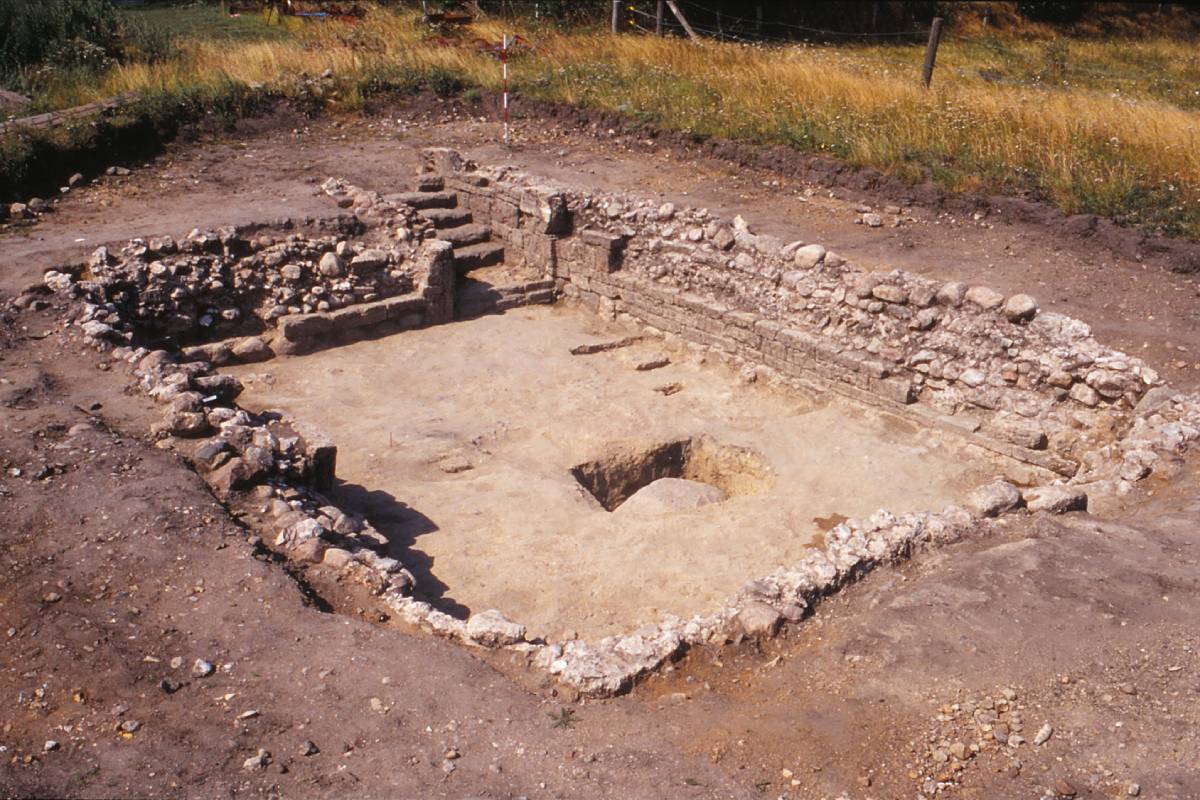
It was in the 19th century, however, that archeological excavations organized by the Swedish National Heritage Board revealed that three prominent mounds at the site were majestic burial sites from the Iron Age.
In recent years, other archeologists – including Neil Price – have worked to reveal postholes that appear to indicate the existence of large-scale buildings in the area.
- READ MORE: The Viking history of Sweden at a glance
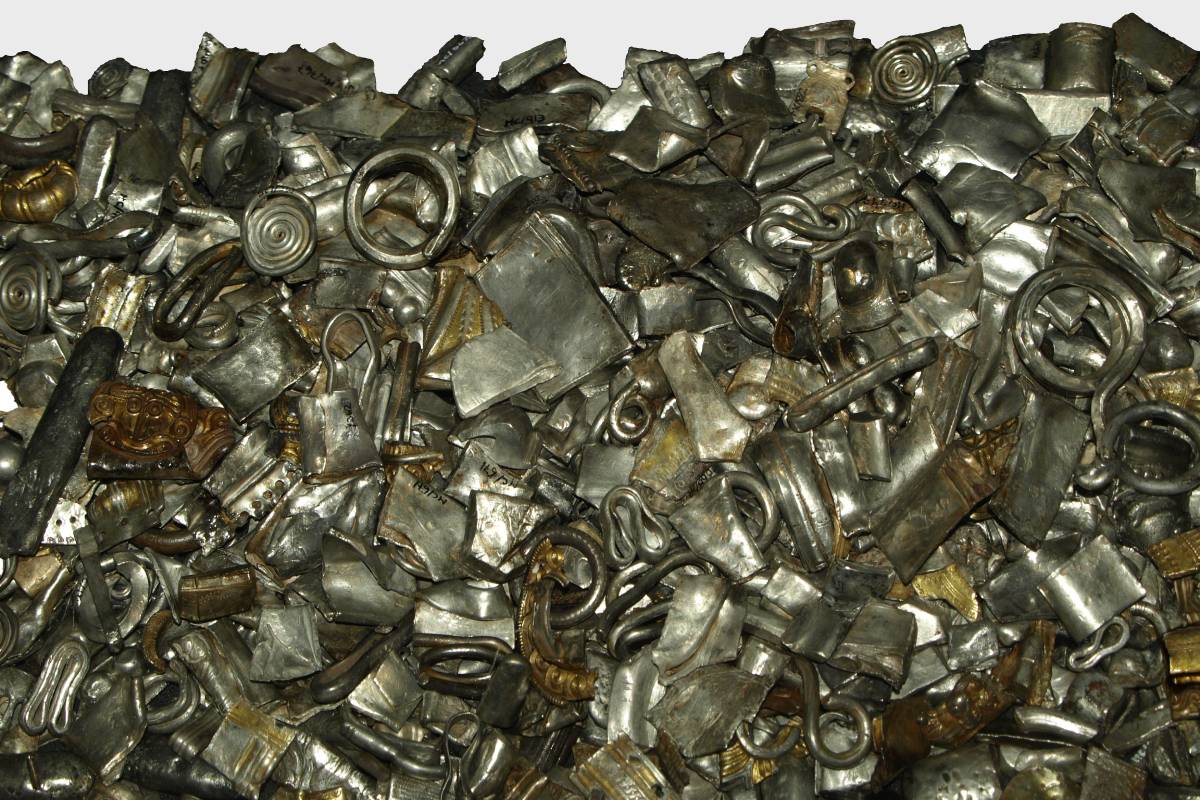
The Mannerup hoard, found near Lejre, contains silver and gold from the 5th century. Source: © Tom Christensen / ROMU
Gammel Lejre: The halls of Beowulf
It has been a similar story at Lejre, situated on the island of Zealand in eastern Denmark.
Lejre was also described in the 12th century by Saxo Grammaticus in Gesta Danorum and in the Chronicon Lethrense (whose author is unknown).
Lejre is thought to be the home of the Skjöldung dynasty – the kings who are believed to have been the inspiration for the Anglo-Saxon poem Beowulf.
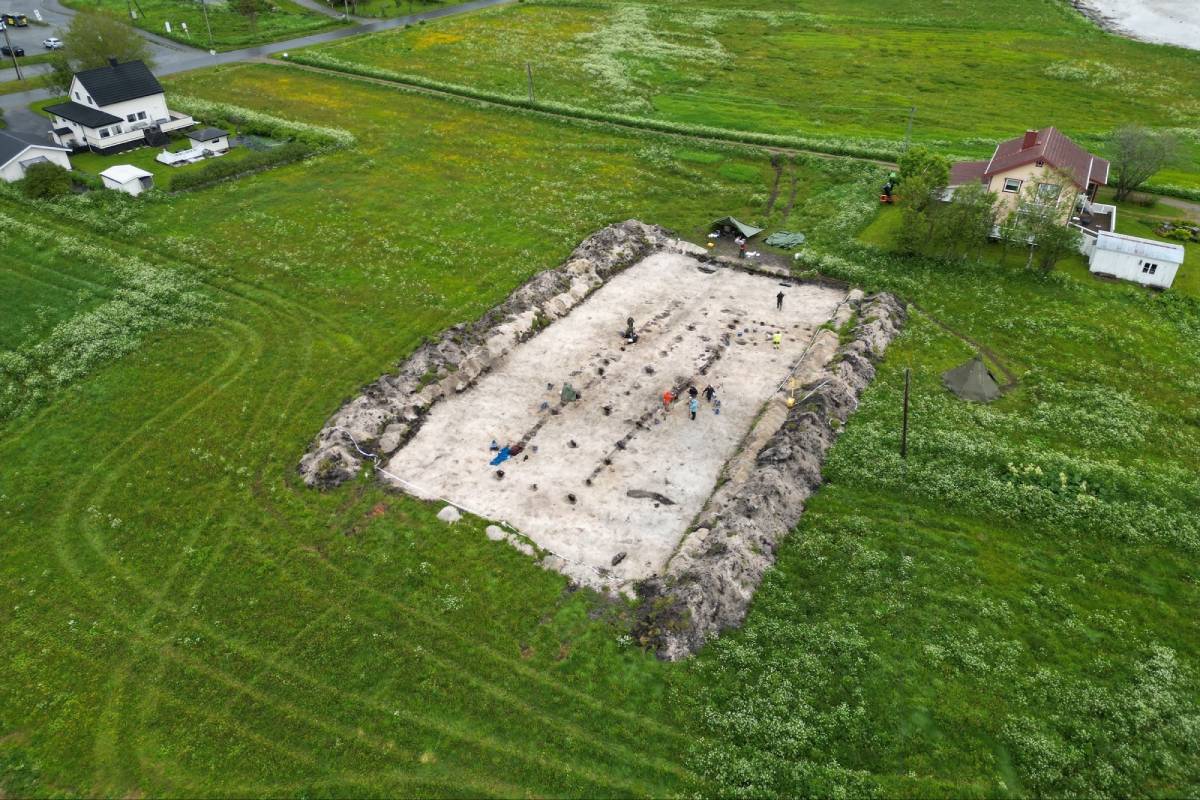
Beginning in the 1980s, a series of excavations has now produced convincing evidence that Lejre was a center of pagan religion and power to rival that of Uppsala.
Most significantly, the archeologist Tom Christensen – another co-author of Viking Dynasties – was able to uncover the remains of an extensive settlement close to the hamlet of Gammel Lejre.
Some of the work is still ongoing – the discovery of two helmet fragments very close to the Gammel Lejre site was announced as recently as January 2025.
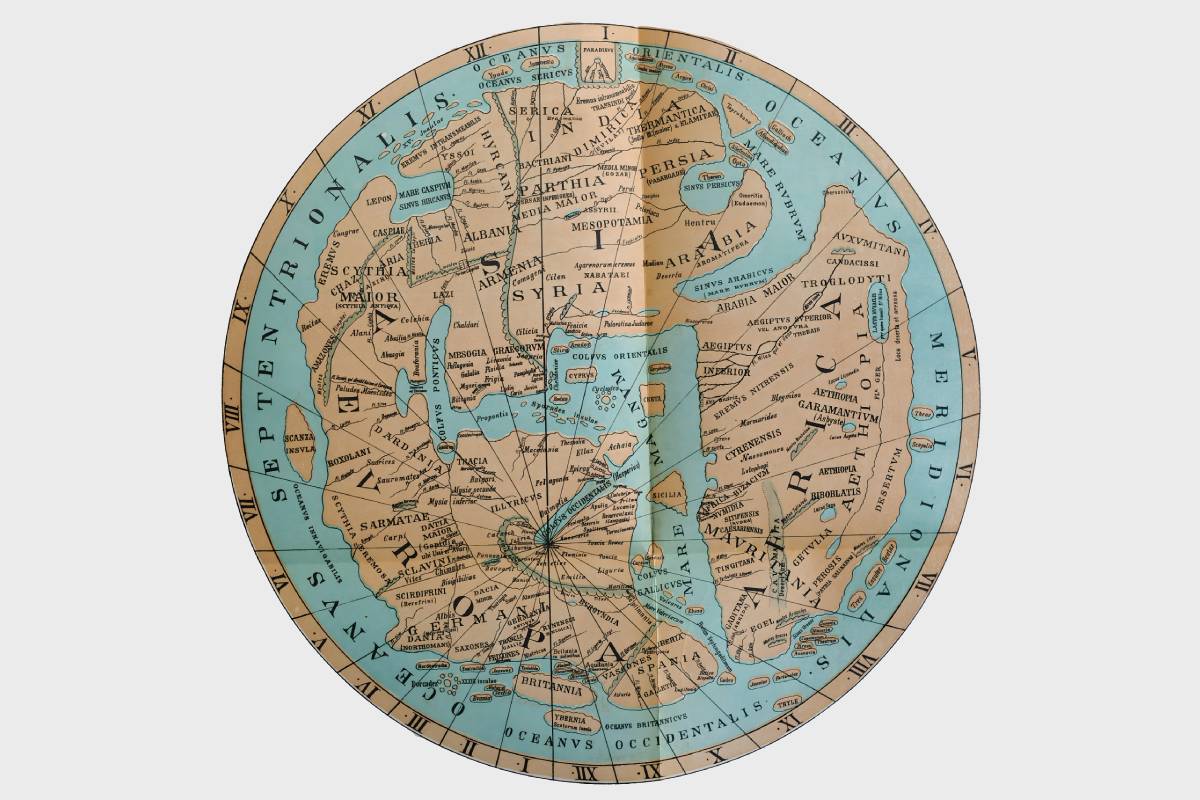
This historical map traces the migrations of the Herules, a Germanic people. Source: © After K. Miller (1898.)
Expressions of power
In part, the book depicts the scope of these archeological investigations and what the finds have revealed to us about the nature of the two sites.
Indeed, Neil Price notes that the two royal seats probably had plenty in common. "Much of the book is devoted to a comparison between Gamla Uppsala and Lejre," he informs The Viking Herald.
"Both sites were definitely of similar stature – they were royal palaces and the seats of small kingdoms."
"They also share some features rather closely, such as monumental burial mounds and halls on raised terraces or at high points in the landscape, and quite similar finds, yet their topography and spatial layout are different."
"The book also compares them to contemporary power centers in Frankia and Andalucía," Neil adds. "It is clear that we must consider the Scandinavian sites in the same light. The early kings of Denmark and Svealand really operated on a European stage."
We get to provide readers with original coverage thanks to our loyal supporters. Do you enjoy our work? You can become a PATRON here or via our Patreon page. You'll get access to exclusive content and early access.
Feel free to reach out to discuss potential stories that may be in the public interest. You can reach us via email at [email protected] with the understanding that the information you provide might be used in our reporting and stories.