

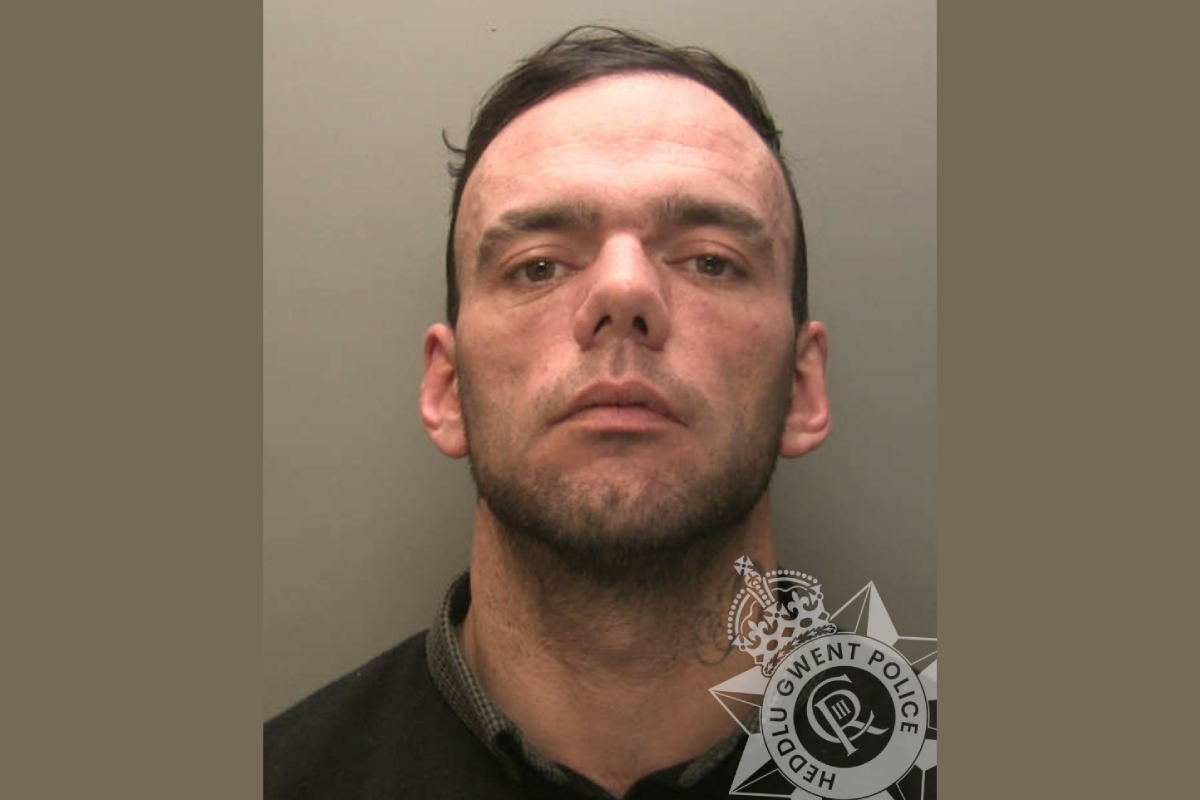
George Powell, a metal detectorist who stole millions of pounds' worth of Viking Age treasure, has been rearrested in the southern English county of Devon. The move comes after the thief broke his parole and went on the run in January of this year.
Stealing history
Together with Layton Davies, Powell discovered a huge hoard of Viking Age treasure in a field next to the village of Eye in Herefordshire, England, in 2015.
Given the clear historical value of the items that they found, Powell and Davies were legally required to notify the authorities within 14 days.
Had they reported the discovery under the United Kingdom's Treasure Act, they could have been eligible for a substantial reward based on the hoard's market value, typically shared between the finder and the landowner.
In search of a quick profit, the pair instead chose to sell the artifacts on the black market. Within weeks, however, Powell and Davies had been apprehended by the police. Unfortunately, by the time of their arrest, the pair had already illegally sold all of the treasure on to third parties.
By the 2019 trial, 31 coins had been recovered; a further 44 coins were seized in 2023, and another coin surfaced in 2025. Many other artifacts have also been recovered, yet police still believe more than 200 coins have not been found.
One coin appears to show that King Coenwulf of Mercia and King Alfred of Wessex ruled together in an alliance, a detail previously unknown to scholars.
The total value of the hoard, including the missing coins, has been placed at GBP 3 million.
After being found guilty of theft and concealing their find, Powell was sentenced to ten years in prison, and Davies to eight and a half years. Two dealers who helped sell the treasure, Simon Wicks and Paul Wells, also received custodial sentences.

Along with coins, the recovered items include a gold ring, a silver ingot, a bracelet, and a gold-and-rock-crystal pendant. Photo: British Museum / Herefordshire Council
On the lam
In 2021, at a proceeds of crime hearing at Worcester Crown Court, a judge rejected varying accounts of the hoard's fate and issued a confiscation order for GBP 600,000, stating he believed around 270 coins were still being deliberately hidden.
In December 2022, Powell and Davies were ordered to repay more than GBP 600,000 each or face an additional five years of imprisonment.
While Davies chose to serve the additional time, Powell was released in 2024 after serving around half his sentence. Yet the conditions of his release stipulated that Powell was required to begin paying back the sum.
Instead, Powell skipped a hearing at Birmingham Magistrates' Court in January 2025 and went on the run, and a warrant was promptly issued for his arrest.
In a single social media post placed before disappearing from view, Powell claimed that he was a victim of injustice and should not be required to return to prison.
Despite police appeals, Powell remained on the run until another arrest in Paignton, Devon, on October 22.
Initially, however, Powell was apprehended for another crime, a charge of GBH (grievous bodily harm), following an alleged incident in the Grange Road area of Paignton on October 18 in which a man sustained a serious head injury.
Though Powell informed the police that his name was George Whittaker, they soon realized his true identity and that he was also wanted for failing to appear in court in January.
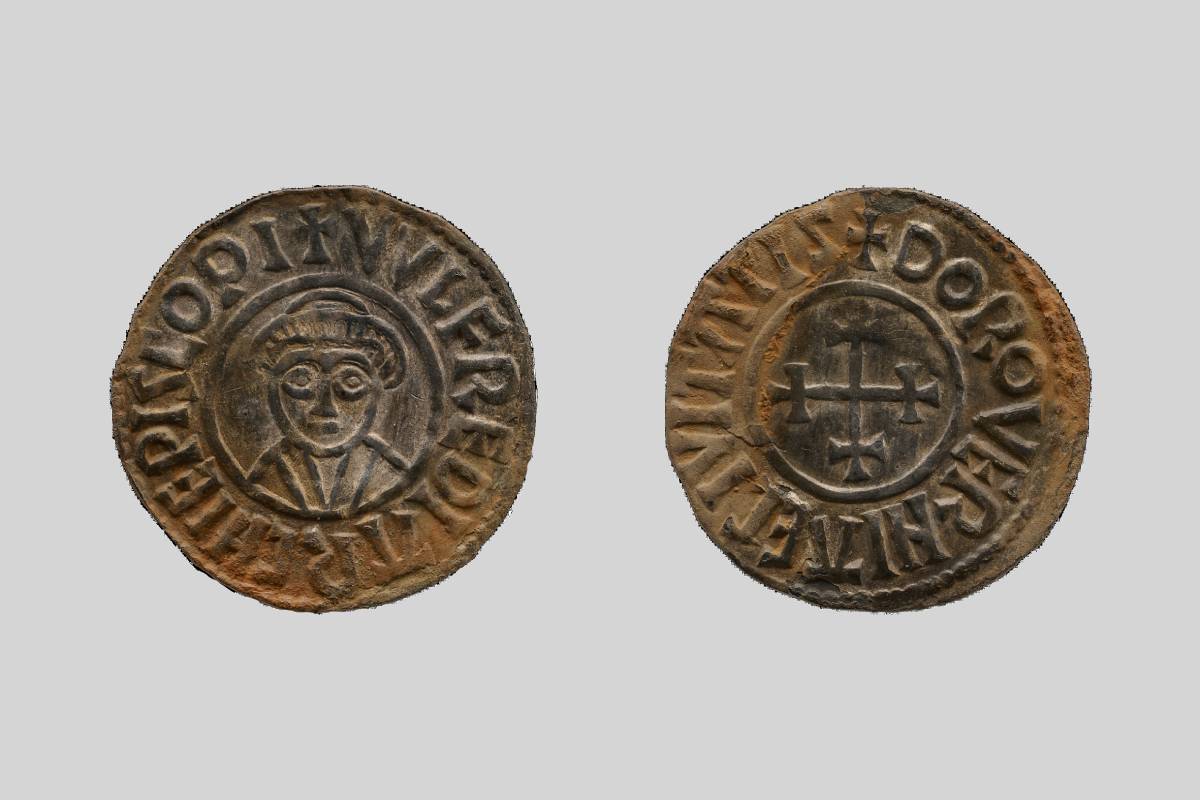
To date, 76 coins have been recovered, and about 240 remain missing. Photo: British Museum / Herefordshire Council
Justice served for a second time
On October 23, Plymouth Magistrates' Court sentenced Powell to a further five years and three months in jail for failing to repay the money. The former metal detectorist is also due to appear at Exeter Crown Court on November 20 to face trial on a charge of causing grievous bodily harm.
Many of the stolen artifacts have been recovered thanks to a campaign from Herefordshire Council, in partnership with the local community.
Today, the collection is known as the Herefordshire Hoard and has been displayed both locally and at the JORVIK Viking Centre in York. A new center is also currently under construction to give the hoard a permanent home.
In May 2023, two men, Craig Best of County Durham and Roger Pilling of Lancashire, were each jailed for five years and two months after attempting to sell 44 rare Anglo-Saxon coins worth GBP 766,000, believed to be linked to the hoard. In May 2025, another coin thought to be from the hoard surfaced for sale in Croydon.
The two dealers, Wicks and Wells, have since been released. Davies, the second detectorist, also remains in prison after failing to pay his share of the penalty.
As noted above, some of the treasure is still missing. Police believe there are still approximately 240 coins that have not been tracked down and that these are in the "hands of organized crime gangs across the world."
We get to provide readers with original coverage thanks to our loyal supporters. Do you enjoy our work? You can become a PATRON here or via our Patreon page. You'll get access to exclusive content and early access.
Feel free to reach out to discuss potential stories that may be in the public interest. You can reach us via email at [email protected] with the understanding that the information you provide might be used in our reporting and stories.