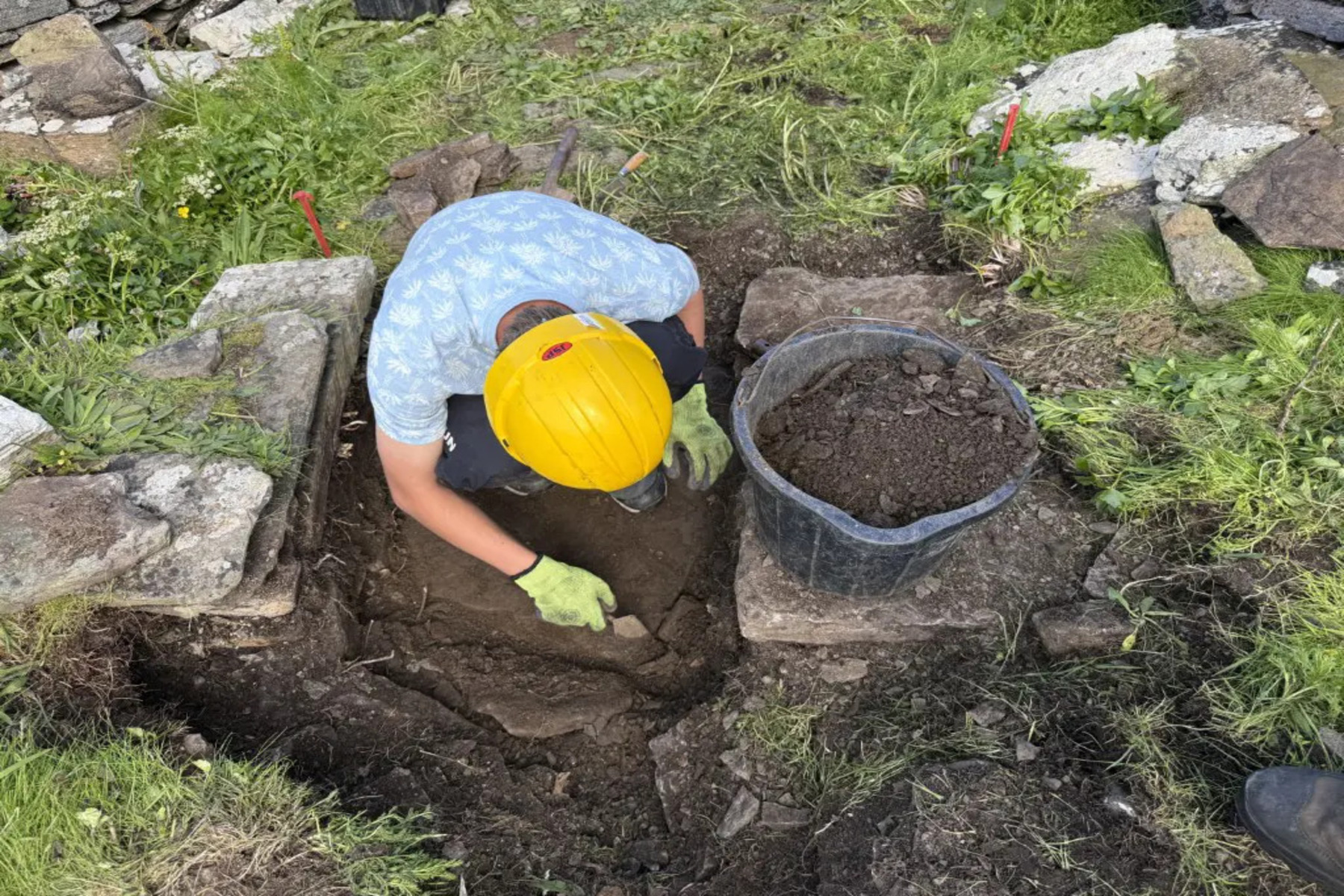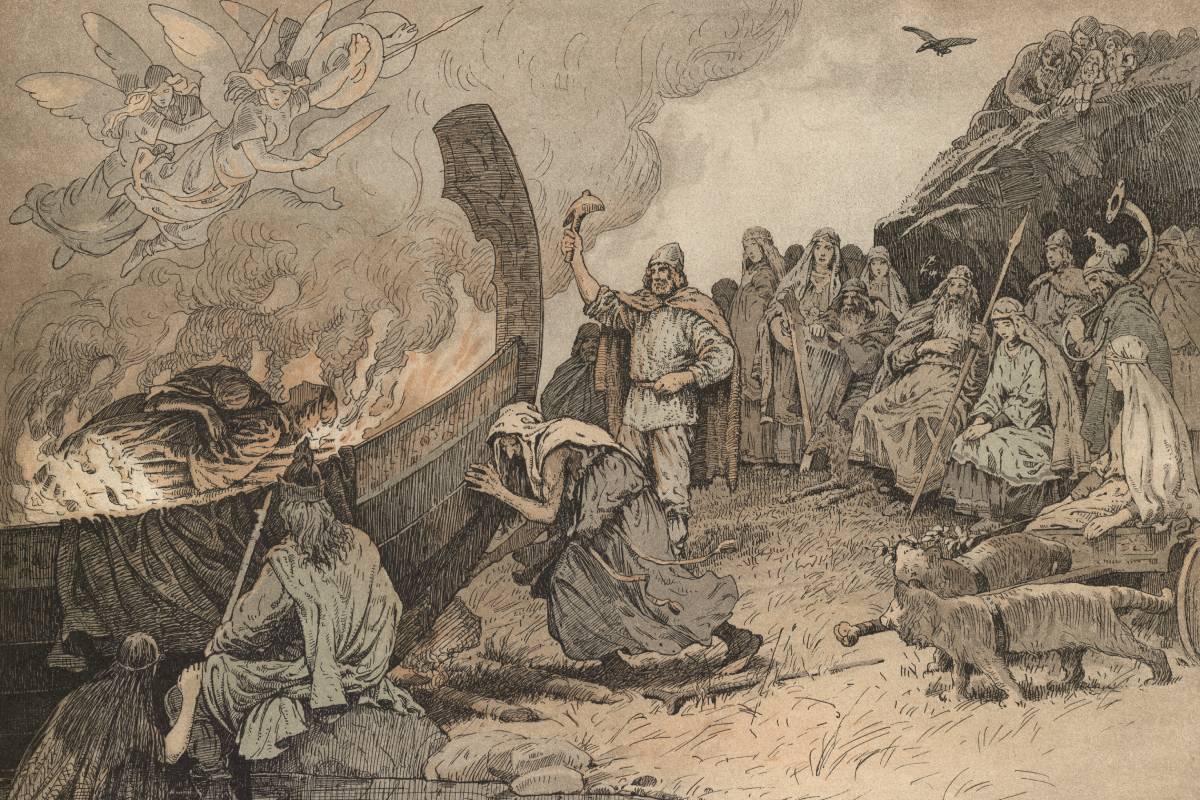


A recent study examining the demographics of Viking settlers in the Scottish islands of Orkney asserts that the Norse relied far more on agricultural means than violence to extend their influence.
The findings were announced after an extensive period of research carried out by a team of archeologists who analyzed data from 21 sites in the North Atlantic, including Britain, Iceland, and Greenland.
Stable settlers
Details of the research have been published in a paper titled A Comparative Study of Norse Palaeodemography in the Journal of the North Atlantic.
The study, part of a larger project funded by the British Academy titled Human Stress, Resilience, and Adaptation in Ancient Ireland and Scotland, examined information from Norse cemeteries to learn more about population development during the Viking Age.
The researchers found that there was a relatively smaller proportion of pre-adults in Greenland compared to the Northern and Western Scottish Isles.
This indicates that levels of fertility were higher in Scotland than in Greenland, suggesting that the settlements in the former were more stable than those in the latter.
The researchers believe that in the case of Scotland, and in particular the Orkney Islands, the higher levels of fertility could indicate a more reliable base of resources and more successful forms of agriculture.

The construction of St Magnus Cathedral in Kirkwall, which started in 1137, highlights the significant and enduring Norse influence in the Orkney Islands. Photo: Gonzalo Buzonni / Shutterstock
An influential presence
The Orkney Islands are an archipelago located just off the north coast of the Scottish mainland.
Previously inhabited by the Picts, it is believed that the islands first received North Germanic peoples from Norway in the late 7th century CE.
The Norse would come to dominate the archipelago over the next 200 years, aided by an influx of disgruntled chieftains apparently fleeing the dominance of Harald Fairhair in Norway.
Though Orkney was absorbed by the Kingdom of Scotland in 1472 and some of the original Viking settlers would later return to Scandinavia or elsewhere, it is believed many Norse remained in the archipelago.
Norn, a language developed from Old Norse, was spoken on the islands until the 19th century, and today, countless place names throughout the region derive from Old Norse.
Greenland, on the other hand, was abandoned by the Norse in the 15th century.
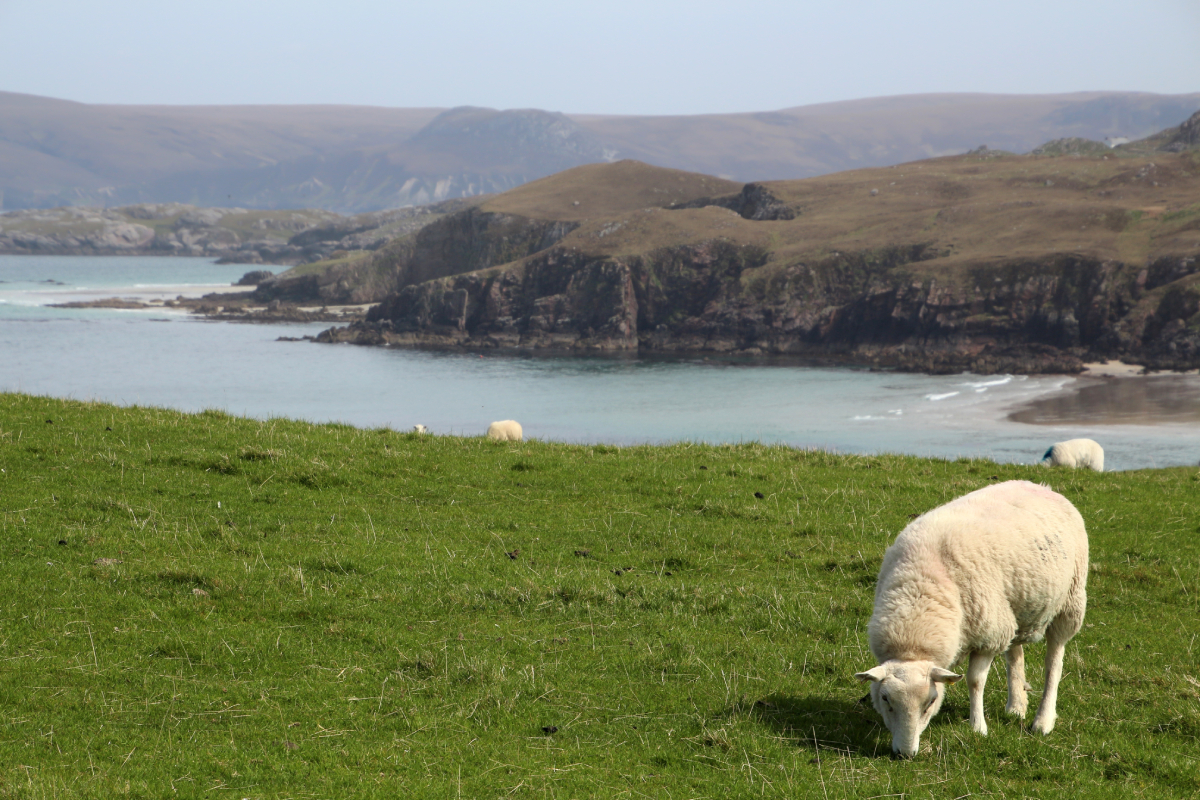
The study suggests that Viking settlers in the Orkney Islands thrived through farming and trading, rather than warfare. Photo: jet 67 / Shutterstock
Here to stay
The paleodemographic evidence from the graves in Greenland indicates a population struggling to thrive in a challenging environment.
In contrast, the researchers believe the Norse population on the Orkney Islands would have been able to rely on prosperous fishing and trading networks in addition to agriculture.
The Norse in Scotland also likely maintained strong relations with the local population, including a significant degree of cultural integration and intermarriage.
These findings are consistent with the changing perception of the Vikings from brutal raiders to skillful farmers and traders who spread their influence as much through cultural and economic integration as warfare.
In comments made to the university's website, Professor Marc Oxenham of the University of Aberdeen remarked, "The research team was intrigued to find that the Viking communities that had settled in Scotland, particularly in the Orkney Islands, had relatively good rates of fertility and higher rates of natural population increase."
"This suggests a long history of very effective land management in Orkney, including the use of seaweed and manure and an increased focus on fishing."
"This, along with evidence for good Pictish-Viking relations in the Orcadian Islands, likely contributed to a much healthier and vibrant community. Ultimately, the Vikings in Orkney found that the plough was mightier than the sword."
We get to provide readers with original coverage thanks to our loyal supporters. Do you enjoy our work? You can become a PATRON here or via our Patreon page. You'll get access to exclusive content and early access.
Feel free to reach out to discuss potential stories that may be in the public interest. You can reach us via email at [email protected] with the understanding that the information you provide might be used in our reporting and stories.