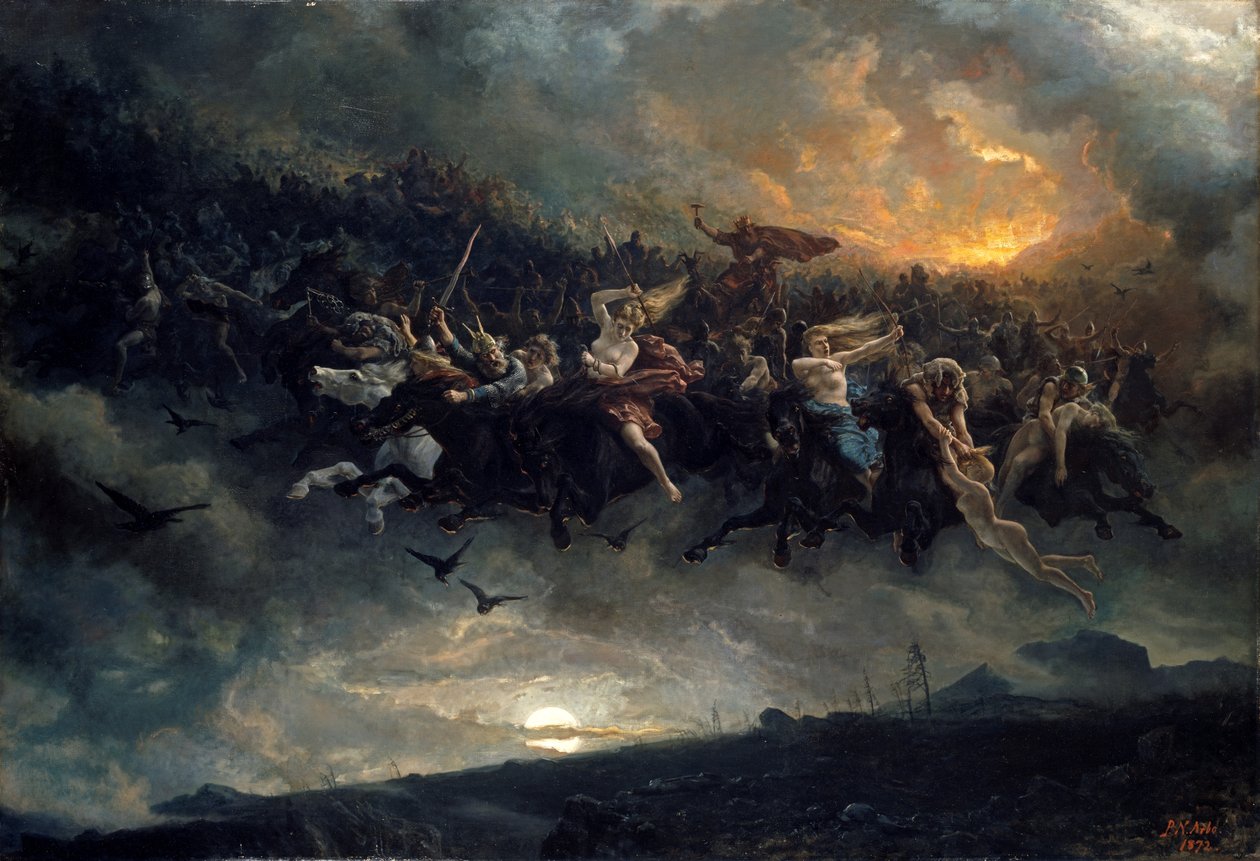


There has been much speculation and interpretation of this opaque and seemingly minor character, but there may be more to the "Frenzied One" than first appears.
They're riding the cats and dogs in Sessrúmnir, Fólkvangr...
Cats. You either love them or hate them. For some, like U.S. Vice President-Elect J.D. Vance, they are a source of derision and division – for him, only a crazed individual would love them.
For others, such as your usual run-of-the-mill Norse goddess, not only do you love them, but they are an integral part of your character that speaks down the ages to cultures, peoples, and societies long distant from the ones that worshipped you.
Yes, we are talking about that Norse goddess of fertility, love, beauty, sex, magic, and war, Freyja.
Not only was she a revered deity in the Old Norse religion, and later Norse mythology, but she surely had the meanest whip in the entire history of deities: a sky-bound chariot pulled by two cats.
It is fair to say that a powerful female deity who clearly loved cats would not be invited for dinner at the Vance household.
As Stephen Grundy writes in his 2002 book The Concept of the Goddess, aside from her association with love, magic, and war, Freyja was also the host of the famous Fólkvangr, where the not-so-brave fallen in battle would wind up in their afterlife.
Long after the last Viking ship sailed and Christianity smashed – literally and metaphorically – what we call the Old Norse religion into oblivion, she has also remained a popular and well-known mythological figure.
Her name even graces arguably Scandinavia's best-tasting chocolate brand.
Despite her powerful presence in the sagas and contemporary culture, only those in academia would know that beside Freyja stands a mysterious and enigmatic partner: her husband, Óðr.
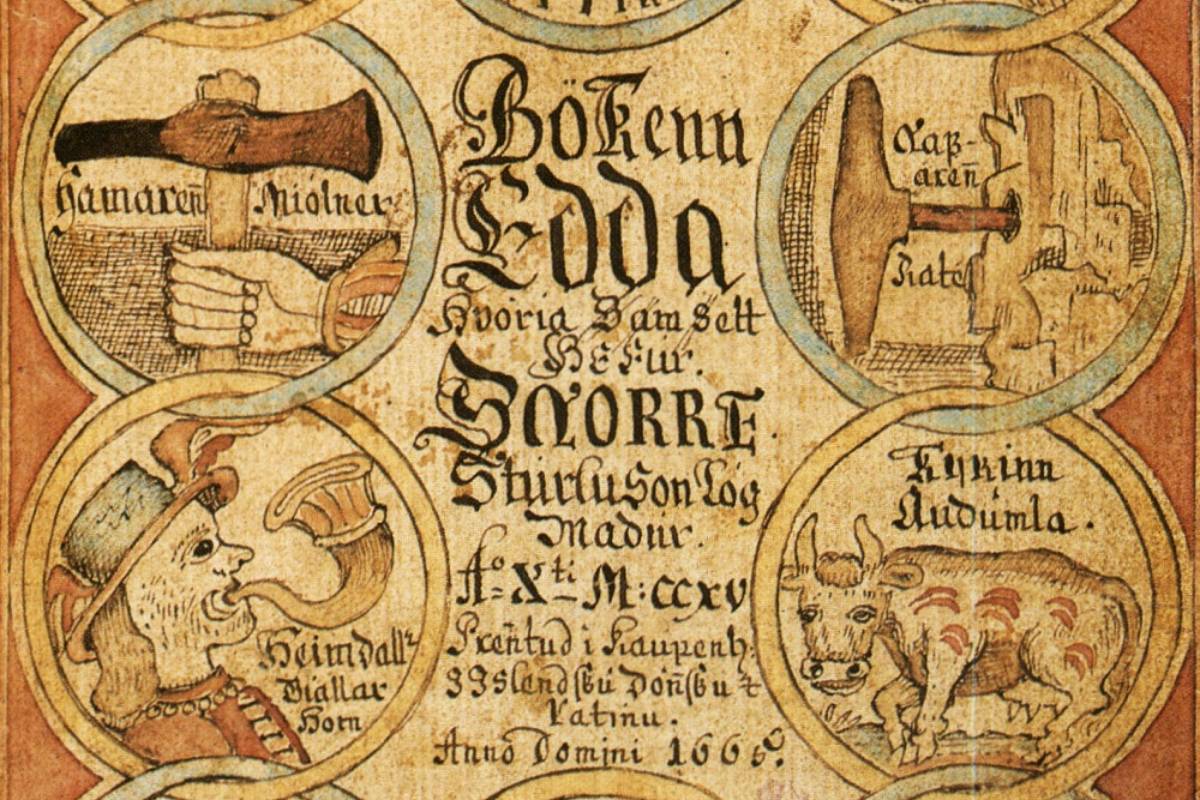
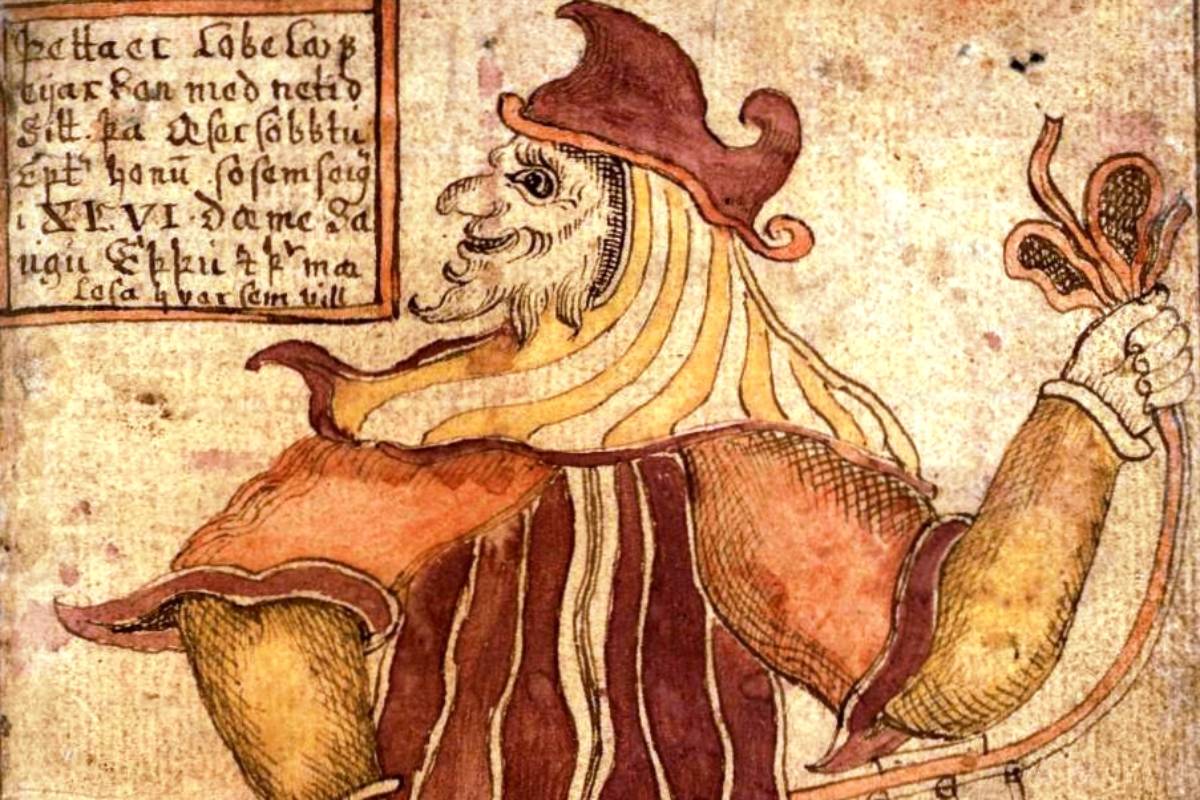
A detail from the title page of an 18th-century manuscript of the Prose Edda featuring figures from Norse mythology. Source: Unknown author
Thanks, Snorri
What little we know of Óðr – like so many other major and minor figures in Norse mythology – we know because of Snorri Sturluson.
We are indebted to this 13th-century Icelandic poet, politician, and man of letters, as he was responsible for the compilation of many of the sagas and stories that echoed down from the Viking Age (c. 750–1100).
He was responsible not only for the compilation of sagas but also for putting quill to papyrus and writing down many of the oral legends, myths, sagas, and stories that had been told by people in Viking societies and passed down to their cultural ancestors in later medieval Scandinavia and the surrounding areas.
Almost all of what we know about Norse mythology – the events, characters, and deeds – stems from Sturluson's compilation or written work.
It is in the Poetic Edda that we find a reference to Óðr as a husband of Freyja.
Like many of the characters in Norse mythology, Óðr is presented as a god – a deity equal to his more famous wife – and his name has several interpretations.
The most common is that it is an Old Norse term for "Divine Madness," but it could also mean "fury" or even "poetry."
There is little about how Freyja and Óðr became married.
The how and why of how these gods fell in love is left out of the record, but this marriage seemed fruitful as it produced two daughters, Hnoss and Gersemi, both of whose beauty was said to have matched their mother's.
Despite having fathered two daughters, Óðr is most remembered for being the classic archetype of an absent parent.
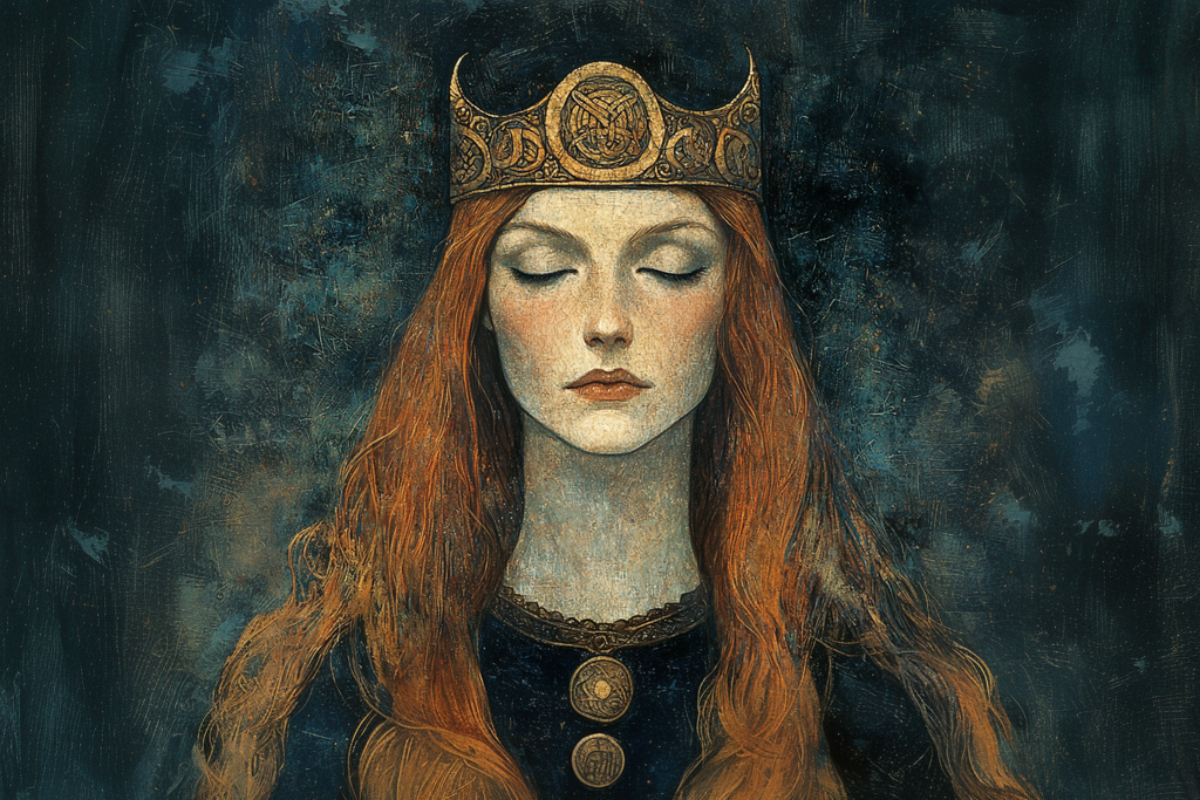
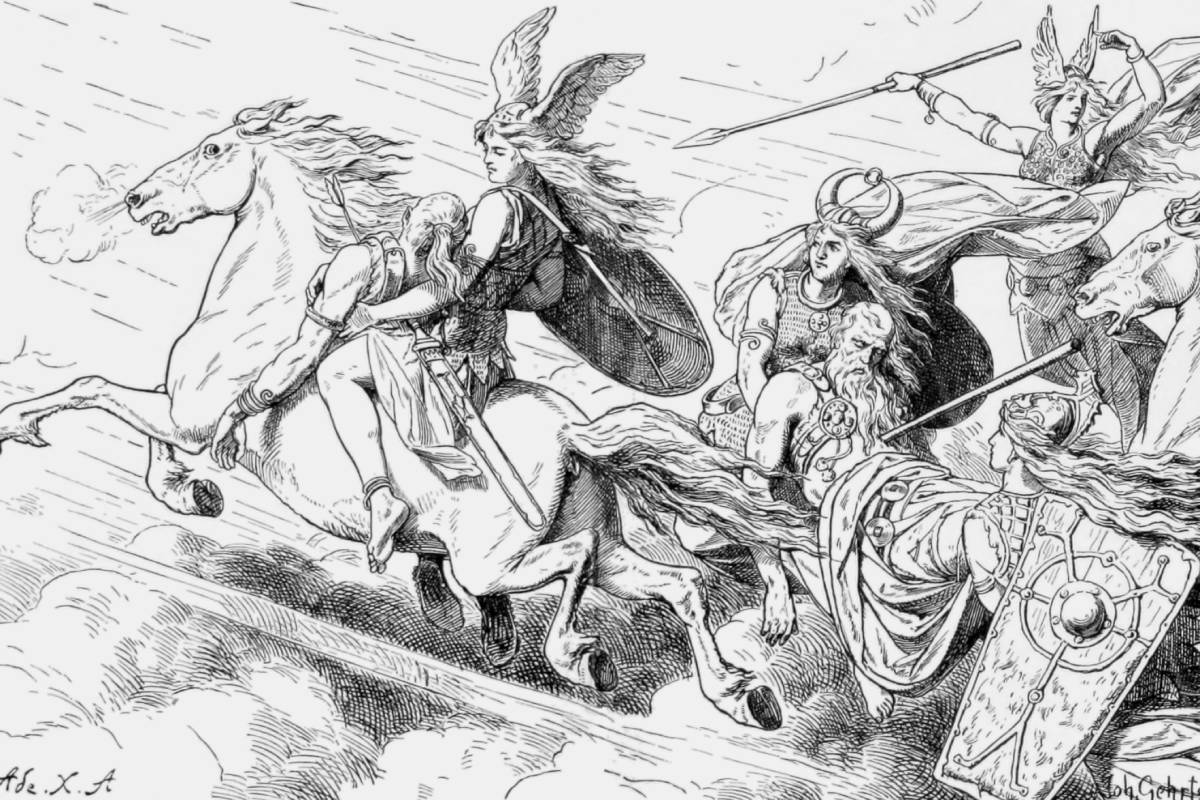
The myth of Óðr’s long absences from Freyja mirrors the experience of many Viking women whose husbands left for extended periods. Illustration: The Viking Herald
An absent husband and father
It is in his role – or perhaps lack thereof – as a parent that many in Viking societies would have empathized with Óðr.
Despite being married and the father of two daughters, Óðr was said to have spent most of his time traveling far and wide and was absent from his family.
His disappearance from home – whether it was intentional or accidental – caused Freyja to weep tears of red gold, surely one of the most beautifully tragic images in the annals of the Norse sagas.
For many people in Viking societies, an absent husband or father was a sad fact of life.
Campaign season – whether this was a military campaign, a Viking raid, or a trading expedition – saw men from all walks of life leave their families and communities and journey outward into the world.
Left to pick up the pieces were the women in their lives: the mothers, sisters, and wives.
Not only was there a temporary sense of loss that hung over communities every year but should their husbands be killed in battle or drowned at sea, this temporary loss became permanent.
The long and dark shadow of loss and longing, of absence and isolation, hung over Viking societies and was a central part of the symbology of Óðr as a character in Norse mythology.
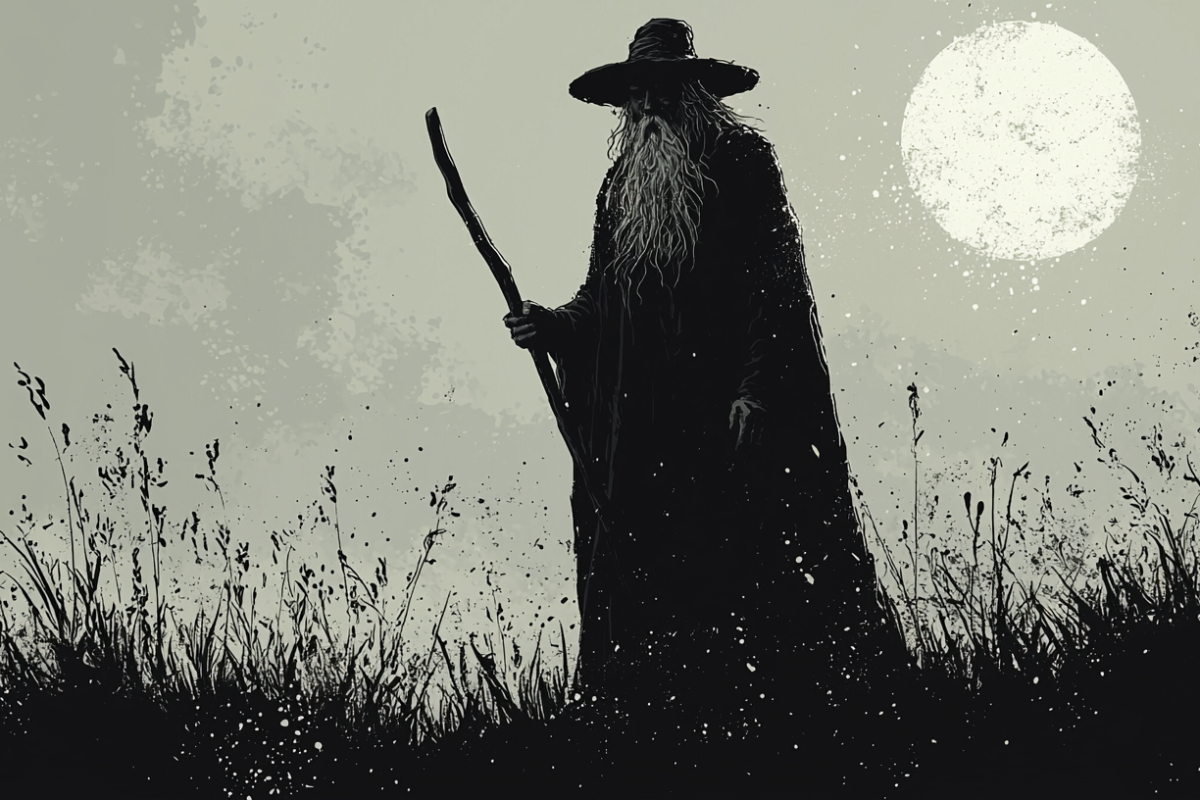
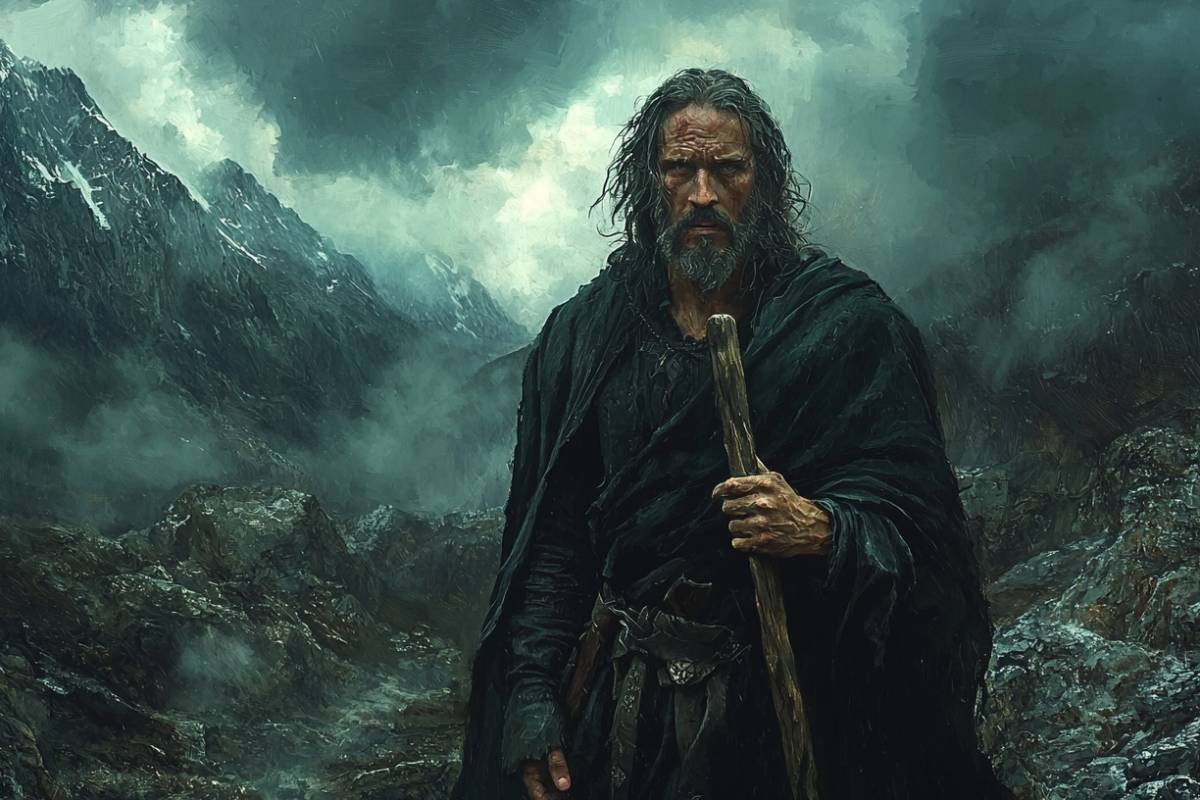
Some scholars suggest Óðr may represent another aspect of Odin due to their shared characteristics as wandering figures. Illustration: The Viking Herald
Another mysterious figure
There is no doubt that Óðr is enigmatic and mysterious, and we know little of his character.
However, there is some academic speculation that Óðr could just be another guise of the mighty All-Father of Norse mythology, Odin.
As John Lindow writes in his 2002 book, Norse Mythology: A Guide to Gods, Heroes, Rituals, and Beliefs, we know that Odin had many aliases and was renowned for taking the guise of a lone wanderer.
This image of a lone wanderer bears a striking similarity to Óðr, who was absent and traveling far and wide.
However, this is only speculation, and any proof of the connection between the two characters has been lost to the tides of history if indeed it ever existed at all.
The mysterious figure of Óðr allows for various interpretations of his character and role in Norse mythology, but he is most remembered as being closely associated with Freyja.
The gaps and holes in our knowledge of him speak to the often fragmented nature of the Norse sagas, where characters are not fully "fleshed out."
Whether this was intentional or the result of the arbitrary exclusion of stories and sagas from the poetic and prose compilations that we rely on for our knowledge of Norse mythology, we may never know.
For more information on famous contemporary and mythological cat ladies, visit the BBC here.
We get to provide readers with original coverage thanks to our loyal supporters. Do you enjoy our work? You can become a PATRON here or via our Patreon page. You'll get access to exclusive content and early access.
Feel free to reach out to discuss potential stories that may be in the public interest. You can reach us via email at [email protected] with the understanding that the information you provide might be used in our reporting and stories.