

In 2022, the National Museum of Norway opened its new building in Oslo. Costing hundreds of millions of dollars and equally loved and loathed for its minimalist/brutalist design, it became the centerpiece of a recent cultural blossoming in Norway's capital.
However, an 1893 painting by Norwegian artist Christian Krohg became the center of a scandal.
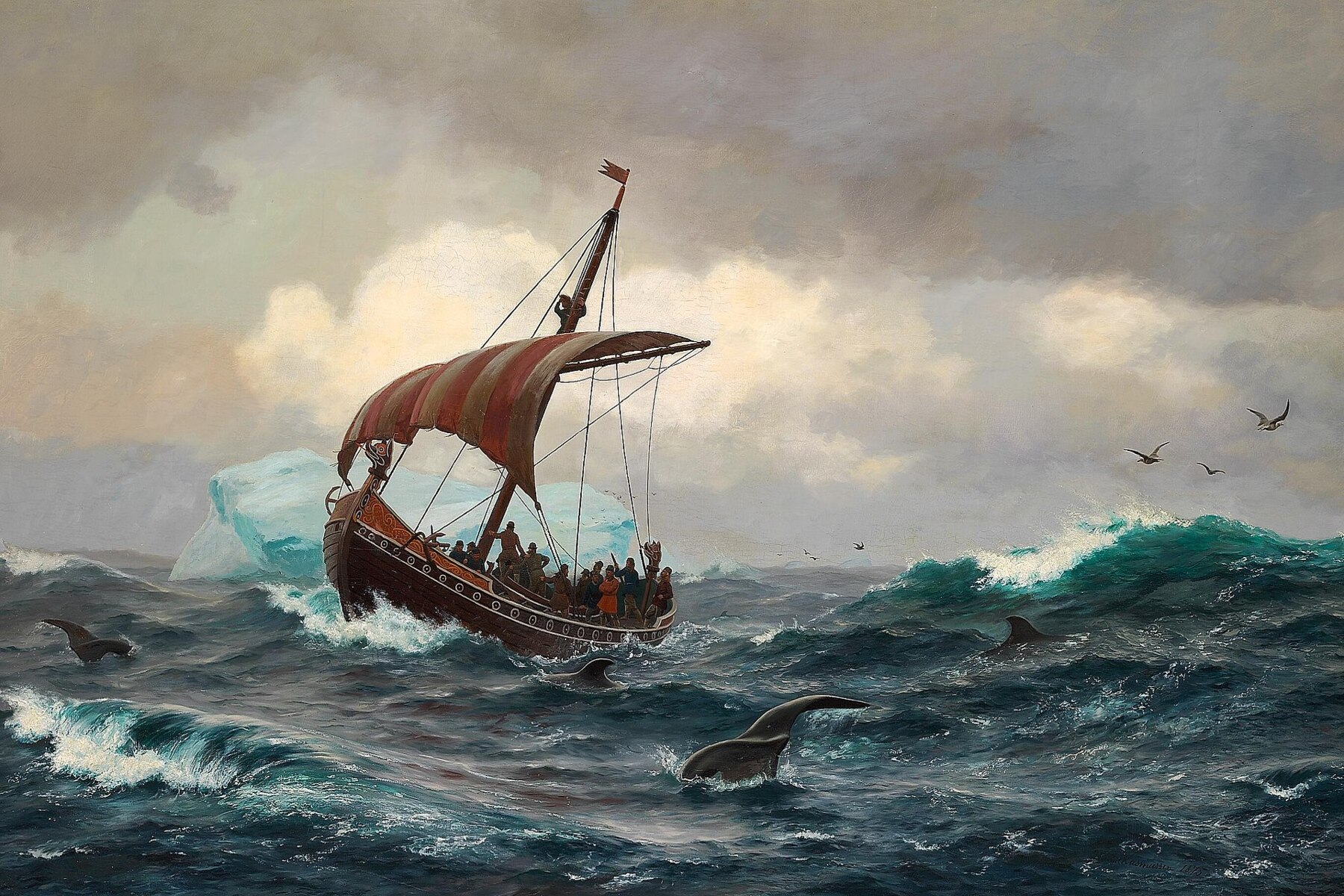
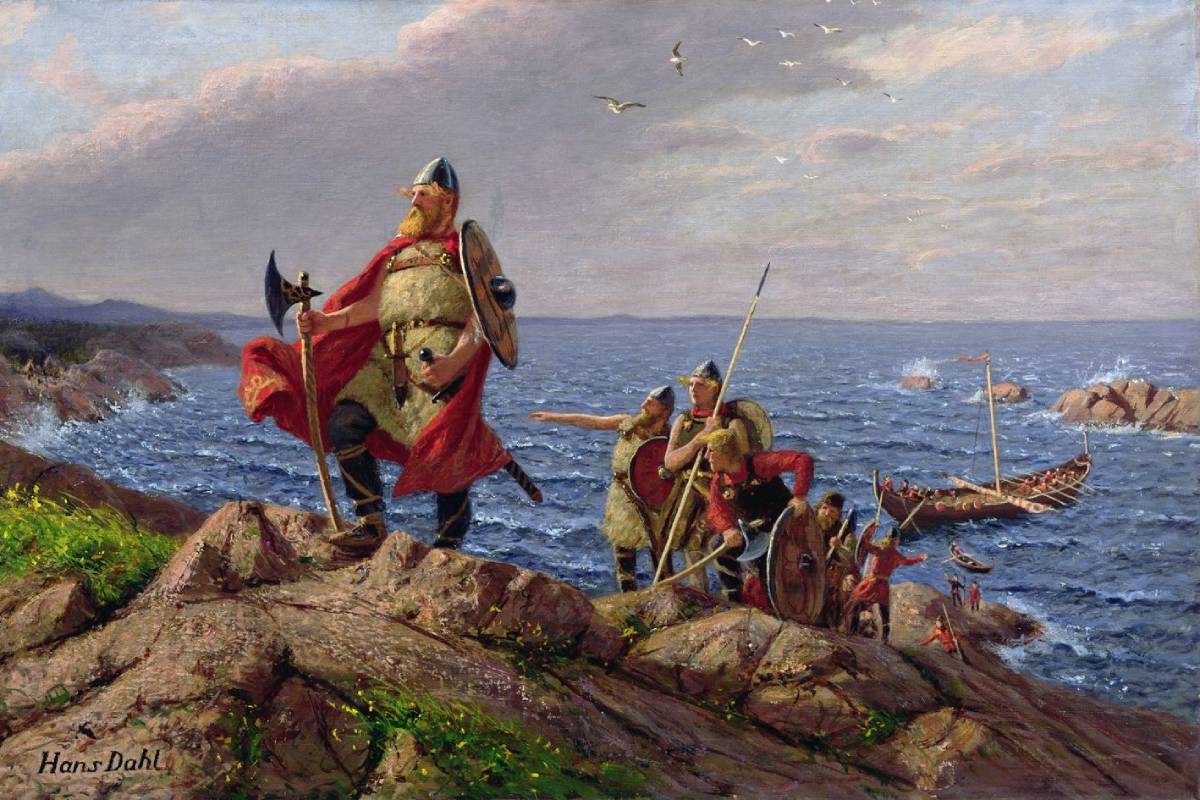
The painting, an oil on canvas, depicts the moment that early medieval explorer Leif Erikson and his crew sight land, as related in the Norse sagas. While it took pride of place in the old National Gallery, it was relegated to storage and not selected for the general display.
The National Museum's new director called it a "colonist image" romanticizing the European "discovery" of the Americas. She later backtracked on these comments, calling them "sloppy," and the painting was eventually shown for a four-week period.
This incident, part of the broader "culture wars" that have gripped the Western world, highlights how a figure from the early medieval past, when Vikings roamed, is still relevant today.
In fact, as Eleanor Rosamund Barraclough writes in her chapter in the 2020 book The Vikings Reimagined: Reception, Recovery, Engagement, this history of Norse exploration "has become fertile ground" for authors and historians the world over.
This debate about Leif Erikson is nothing new, as his legacy has shifted and changed over a millennium since he first sailed into the unforgiving North Atlantic Ocean.

A 19th-century painting of Leif Erikson that later became the subject of debate at the National Museum of Norway. Author: Christian Krohg (1852–1925)
The heroic sagas
Leif's image as presented by the Norse sagas is significant. While many of these were written down centuries after the fact, they contained oral tales and stories from the early medieval period when Leif was alive.
He features heavily in two sagas: The Saga of the Greenlanders and The Saga of Erik the Red.
His father, Erik the Red, was banished twice—first from Norway and then from Iceland—and would "discover" Greenland and help the first wave of Norse settlement there.
Like his father, Leif was also an explorer and settler. Upon returning from the court of Olav Tryggvason later in life, Leif was said to have been blown off course and "discovered" a new world, fertile with resources, which he dubbed "Vinland."
Like his father, Leif led Norse settlers across the Atlantic to settle, colonize, and expand the Viking presence westward.
A leader and settler
The new world that Leif accidentally found is believed to be the island of Newfoundland, off the eastern coast of Canada. The Norse exploration of this part of North America was often dismissed as mere tall tales until the discovery of a settlement at L’Anse aux Meadows in 1960.
Recent radiocarbon dating confirmed that much of the settlement dates from wood chopped down at the turn of the 11th century CE, and many artifacts from Viking societies back in Scandinavia have been unearthed.
Leif was likely a leader, guiding the settlement's first inhabitants from their homes in Viking societies further east to this western edge of the Viking world.
He did not "conquer" or establish a permanent settlement (L’Anse aux Meadows had a rough lifespan of about two generations, or 50 years). Still, he paved the way for the Norse exploration and brief settlement of Newfoundland some 500 years before Christopher Columbus "discovered" the Americas.
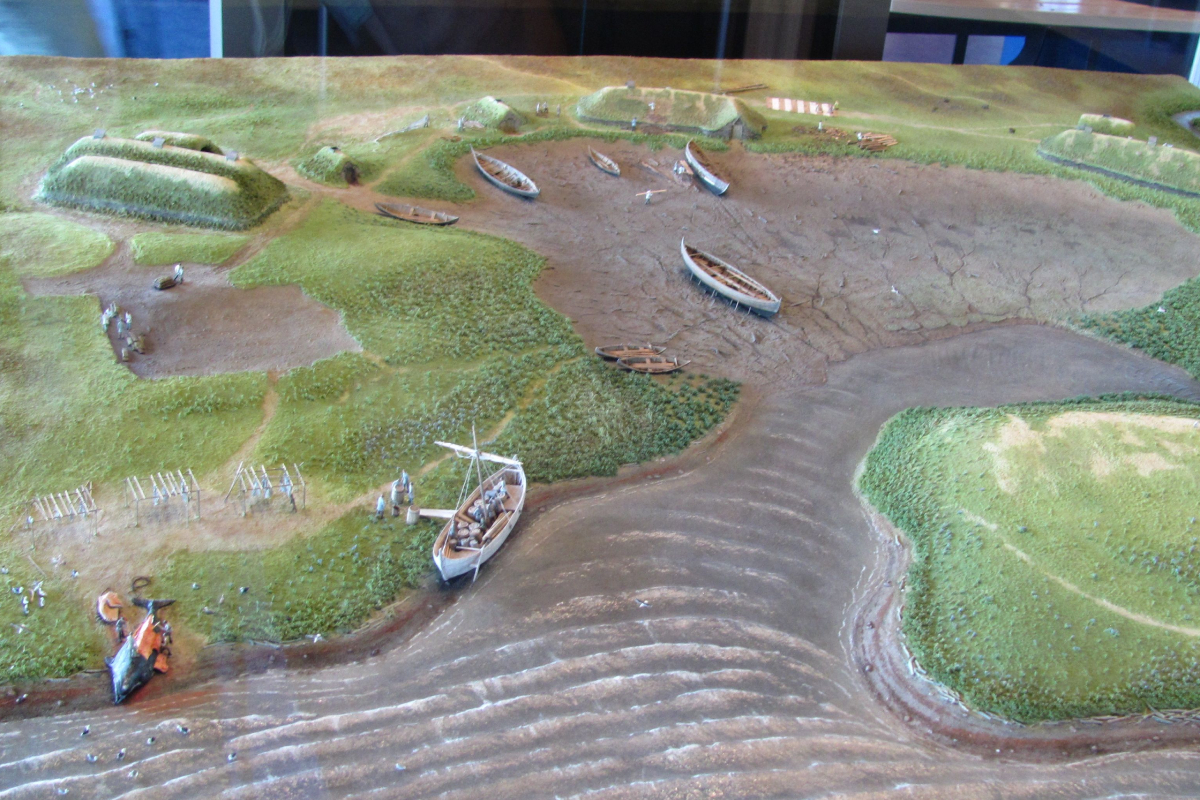
A scale model illustrating the layout of L'Anse aux Meadows, the only confirmed Norse site in North America. Photo: Torbenbrinker (CC BY-SA 3.0)
Legacy in recent times
Centuries after Erikson's voyages to Vinland, Scandinavians emigrated in large numbers across the same ocean to begin new lives in the United States and Canada.
For these newly arrived immigrants, Leif Erikson became a heroic symbol of their history and culture. Like them, he had bravely crossed the Atlantic to find freedom.
Throughout the Midwest of the United States and Canada's Prairie Provinces—all with a large Scandinavian ancestry today—there are statues to him, and in the United States, he even has his own day of celebration, October 9.
As Torgrim Sneve Guttormsen notes in their 2018 article in the journal History and Memory, many still see these monuments "as a heritage value for the public good and as a societal resource."
Leif Erikson's legacy is varied. He was certainly an explorer and settler, but perhaps more than that, as he helped expand (albeit briefly) the Viking influence as far west as Canada.
Renowned for his good luck and fortune—hence his nickname, Lucky Leif—he probably was not as heroic as the sagas portray him but was a practical leader who knew good real estate when he saw it.
Whatever Christian Krohg may have painted, he certainly did not "discover" North America. Just ask the First Nations people of Canada, Mexico, and the United States.
For more information on the debate surrounding Christian Krohg's painting, visit Science Norway here.
We get to provide readers with original coverage thanks to our loyal supporters. Do you enjoy our work? You can become a PATRON here or via our Patreon page. You'll get access to exclusive content and early access.
Feel free to reach out to discuss potential stories that may be in the public interest. You can reach us via email at [email protected] with the understanding that the information you provide might be used in our reporting and stories.