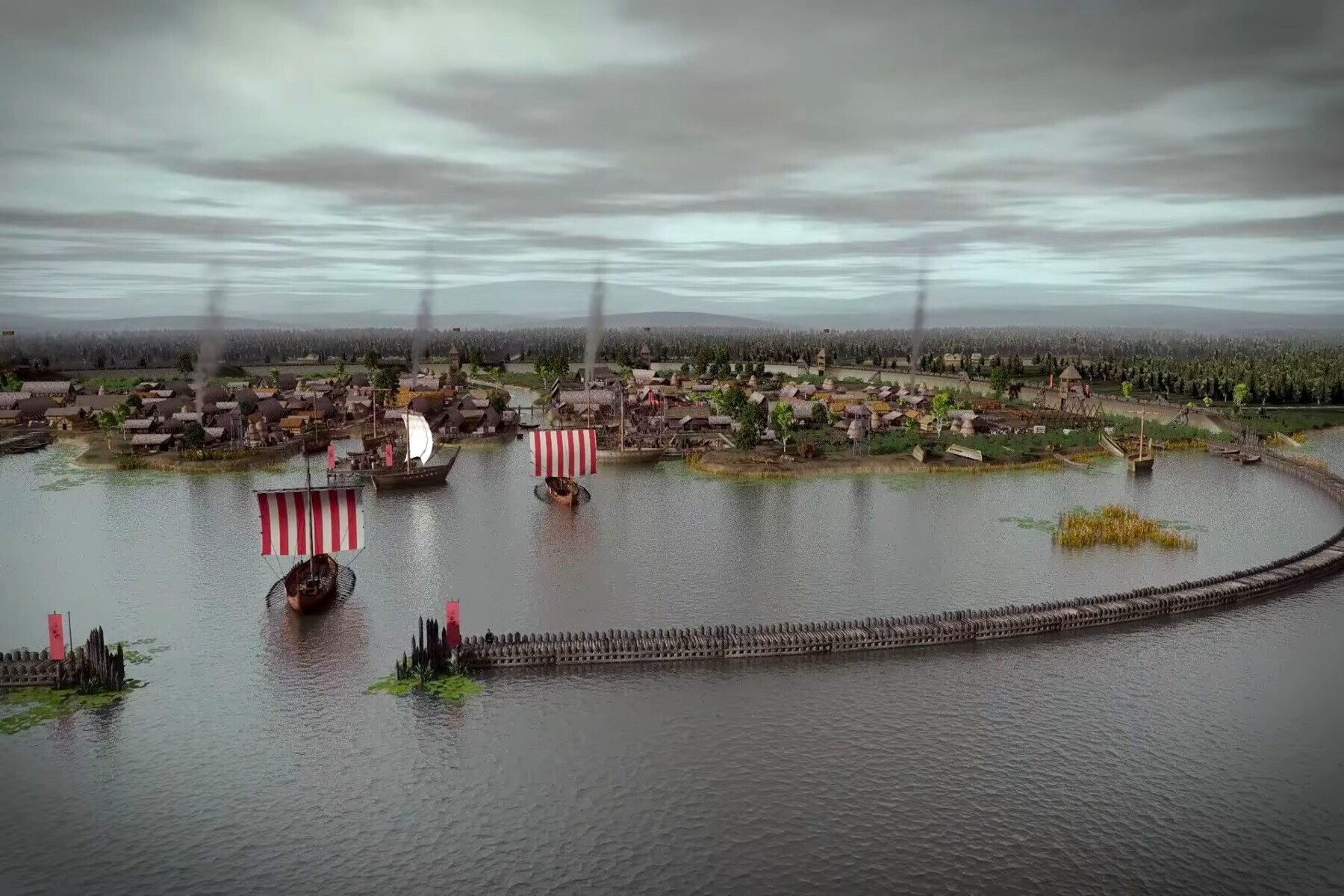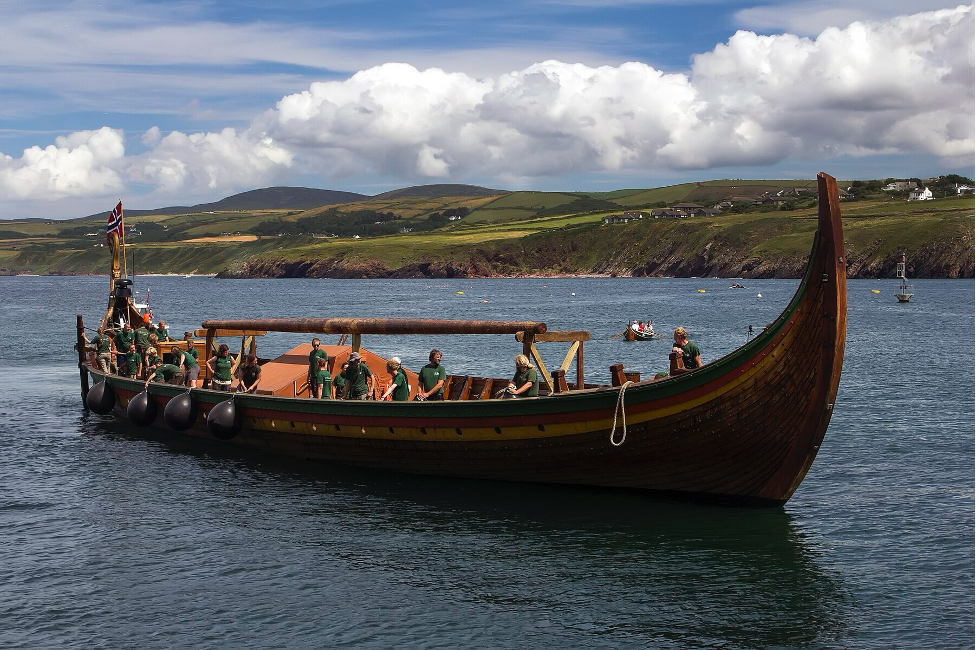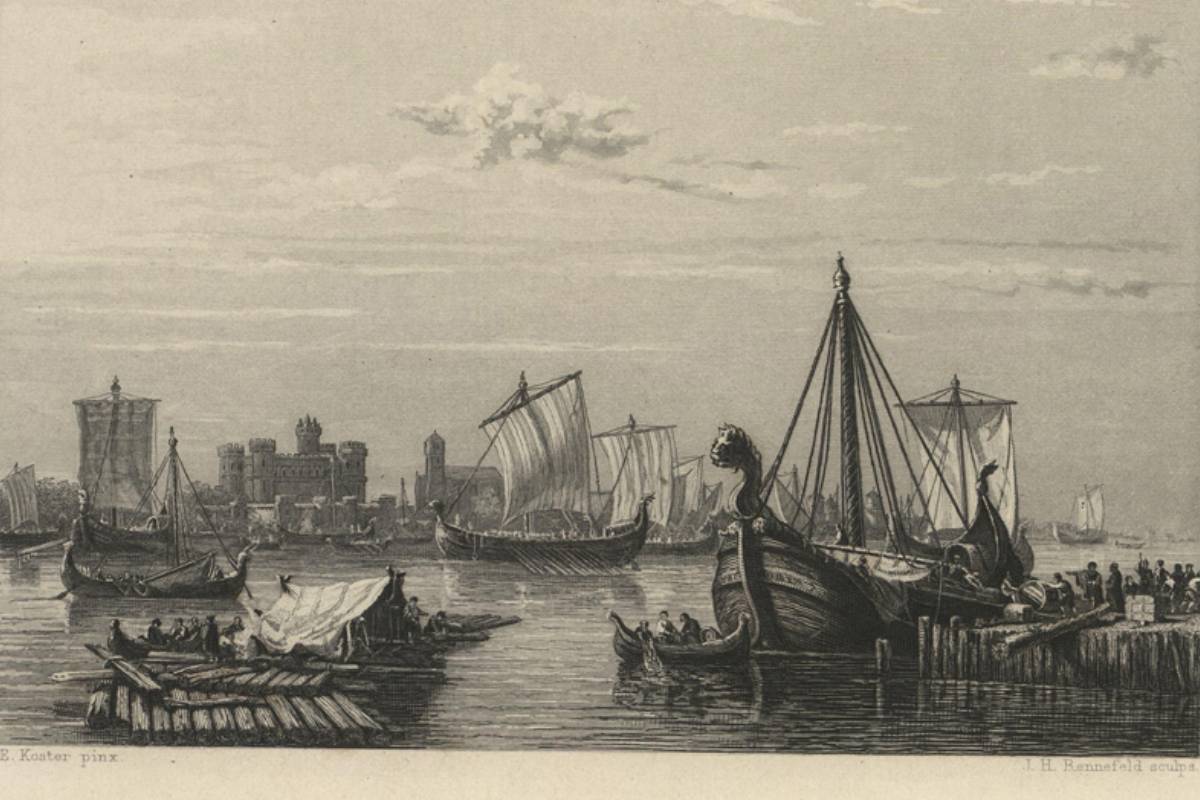


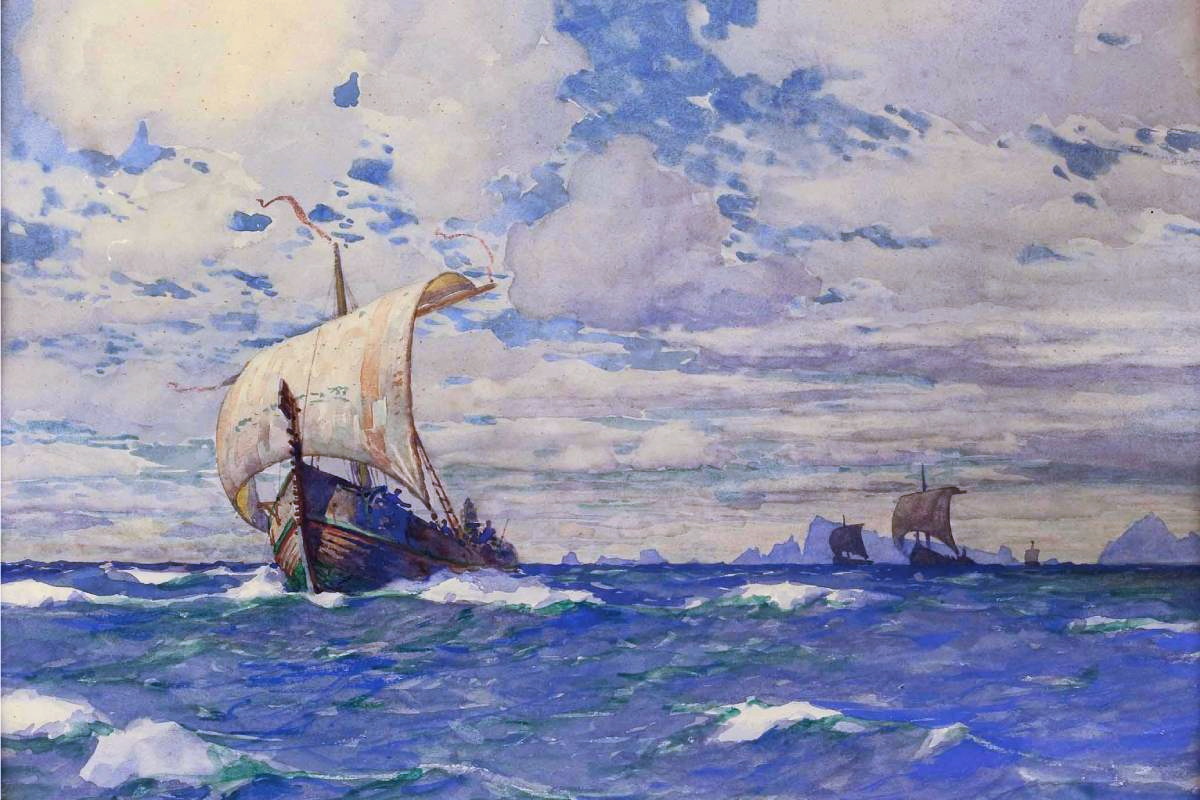
The outward expansion of the Norse people ranks among the most remarkable events of the early medieval period.
From the European periphery in the cold, frozen north, they pushed outward, sometimes peacefully, sometimes profitably, and often violently, to raid, trade, settle, conquer, and explore.
Their reach spanned a huge portion of the Northern Hemisphere, from the shores of modern-day Canada to the Caspian Sea, and it still boggles the modern mind.
Or, as Ashot Margaryan et al. describe it more eloquently in their 2020 article "Population genomics of the Viking world" in the journal Nature, this expansion was a "far-flung transformation in world history."
After they had conquered and settled much of northwestern Europe, including the Baltic region, the British Isles, and the Frankish realms, their domination came to an end on a battlefield in the north of England in 1066 CE.
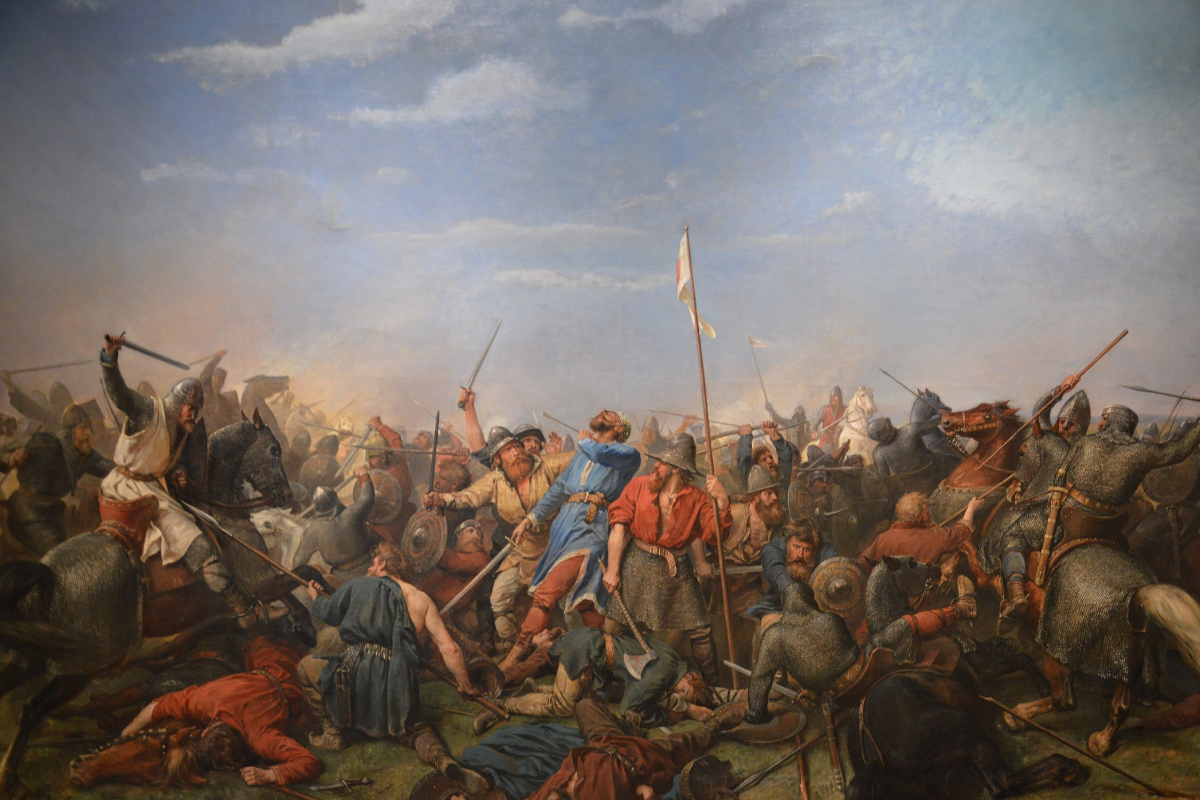
In England, Harald Hardrada's defeat and death at the Battle of Stamford Bridge on September 25, 1066, effectively ended large-scale Viking invasions.
Elsewhere, the Viking Age ebbed more gradually through the eleventh and early twelfth centuries as Christian monarchies consolidated power and raiding economies gave way to taxation and trade.
Why, then, did people from Viking societies not capitalize on their warriors' and traders' gains? Why did the raid and conquest not turn into long-term empire building? Assimilation, geography, and resistance were three key factors contributing to their failure.
- READ MORE: 5 Viking raids that shaped European history
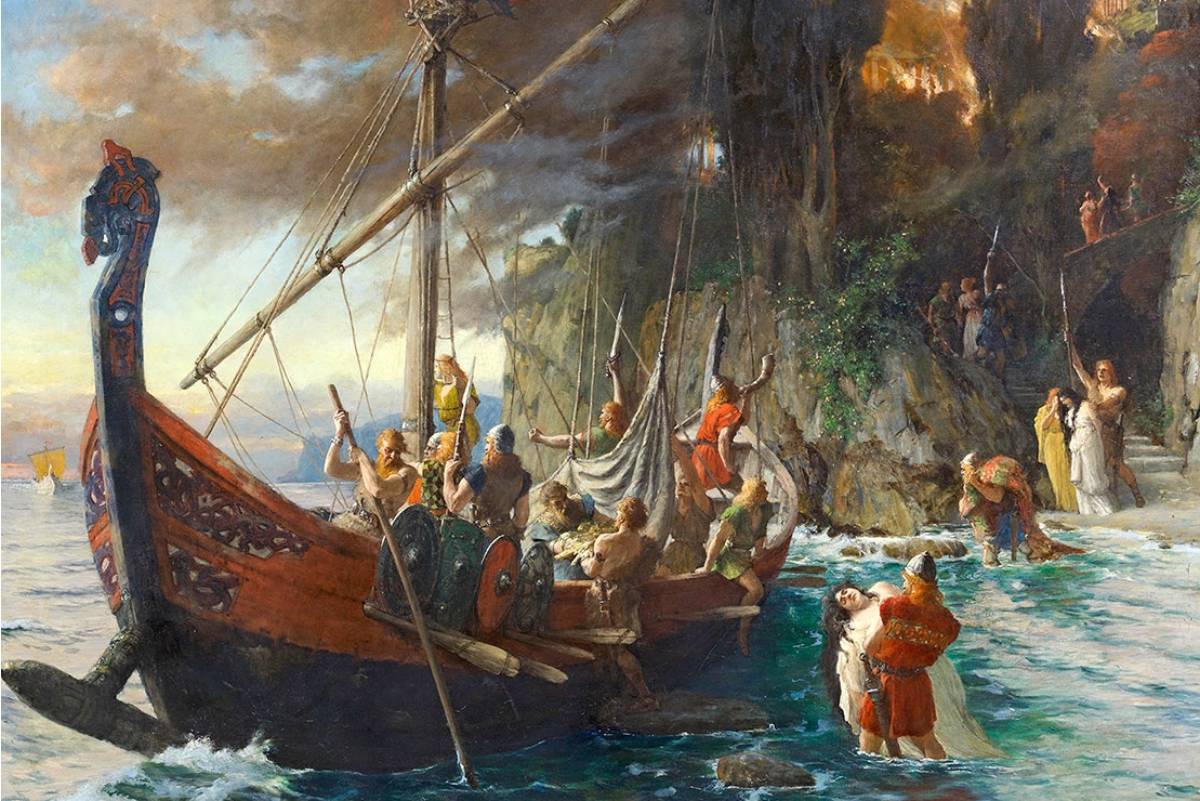
A dramatic depiction of a Viking raid, featuring men abducting women as a longship departs. Author: Ferdinand Leeke (1859–1937)
Assimilation into the local population
While people from Viking societies first came to areas to raid or trade, they eventually came to conquer and settle. Yet having conquered peoples or a region, they went about assimilating as best they could.
Intermarriage and the adoption of Christianity (later led by Rome in the West and Constantinople in the East) saw them seamlessly blend into local populations within a generation or two.
Indeed, as Lesley Abrams writes in her 2000 book, Cultures in Contact: Scandinavian Settlements in England in the Ninth and Tenth Centuries, a vital part of "the subsequent process of assimilation" was the adoption of the Christian faith, which was done quickly.
Think of how Rollo and his followers, who had won Normandy, turned into Romance-speaking Normans within a few decades of the Treaty of Saint-Clair-sur-Epte.
Further east, within three generations of Rurik establishing a dynasty in present-day Eastern Europe, his grandson and successor had a Slavic name, Sviatoslav.
Whilst these two examples saw powerful dynasties being established, within a few generations, they were no longer truly "culturally Viking."
Geography and its impact on demographics and governance
Adding to this assimilation was the tyranny of distance. Whilst people from Viking societies did remarkably well to travel seemingly everywhere, from the shores of North America to Central Asia, geography was their enemy.
Scandinavia, though beautiful, has a dearth of arable land, meaning only a small population could be sustained. This small population could never produce the number of people needed to run and manage an empire, with the small surplus of young men sent off annually on Viking raids and campaigns.
A small homeland population meant that these Viking societies could never truly dominate the huge swaths of Europe in which they operated.
This led to a more decentralized method of control, which saw raiding, ships, and seasonal bases preferred over the more bureaucratic systems needed for an empire, which, for example, Constantinople or Baghdad had.
- READ MORE: When did the Viking Age end?
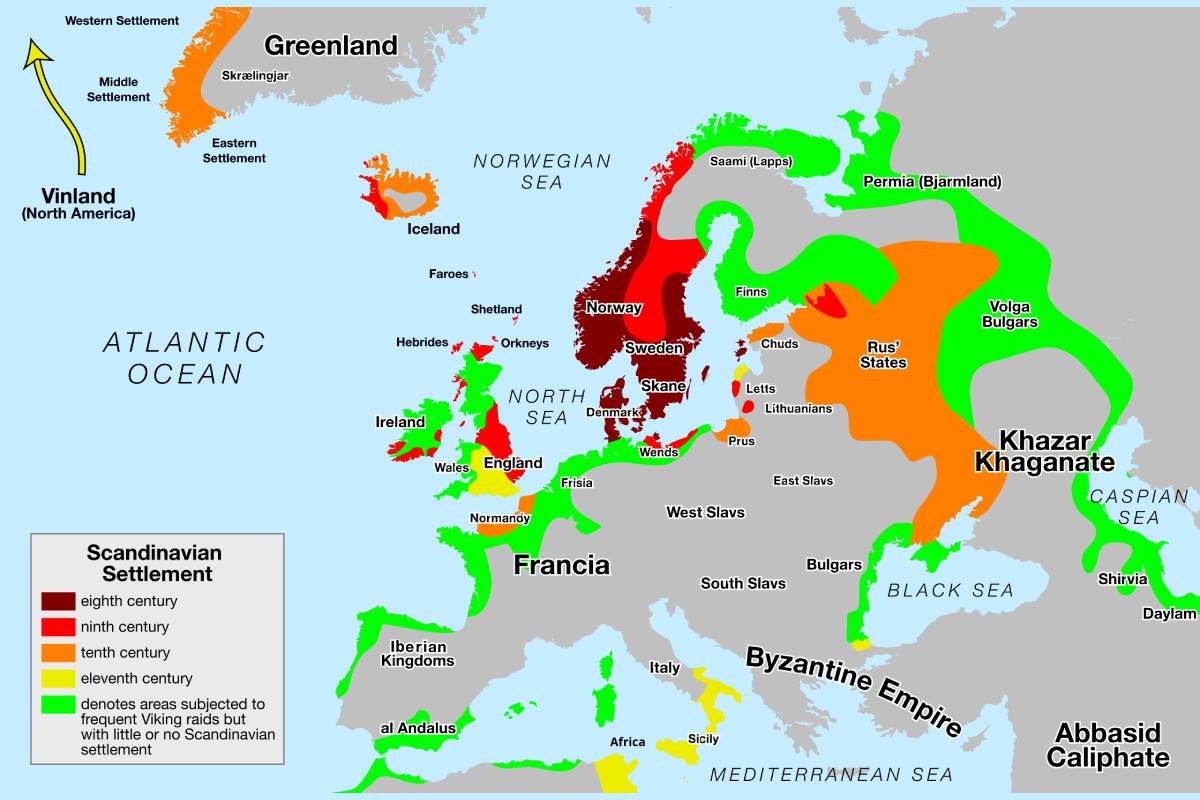
Map showing Viking (and Norman) raids, settlements, and spheres of influence from the 8th to the 11th centuries. Author: Max Naylor
Local resistance stiffened
The final reason in our trifecta for people in Viking societies not to build a lasting empire was local resistance.
Whilst Vikings had whipped about every warrior they faced during the early phase of their outward expansion due to their hit-and-run tactics and lightning raids, the locals eventually clued in.
Think, for example, of the devastation that befell the Vikings laying siege to Seville in 844 CE. Whilst they initially succeeded in capturing Seville, Emir Abd ar-Rahman II sent in a much larger force and smashed them.
Following their withdrawal, he ensured more ships and greater military mobility to ward off further Viking incursions.
On the other side of the Mediterranean, the Byzantine Empire used cutting-edge technology to resist Viking raids. Their elusive and mysterious "Greek fire" (an incendiary weapon system) stopped numerous raids by the Rus (eastern Vikings) throughout the 10th and 11th centuries.
Countless raids and battles led to local populations evolving their military tactics and equipment, which would eventually lead to the Vikings becoming less effective on the battlefield.
Whilst once all Anglo-Saxon England was aghast at fear and trepidation from a small Viking raid, by the mid-11th century, an Anglo-Saxon army could easily fend off the most feared Viking warrior of the day when he invaded with a force to capture the kingdom.
Viking empires?
Assimilation of people from Viking societies into the local population, the demographic limits of their geographic homeland, and improved local resistance all led to the inability to create a lasting Viking empire.
However, it can be argued that in Normandy and the Kievan Rus, the Vikings did create empires, albeit culturally syncretic ones, that lasted until the later medieval period, long after the final Viking ship sailed from Scandinavia.
For more information on the Viking legacy on the Isle of Man, visit BBC News here.
We get to provide readers with original coverage thanks to our loyal supporters. Do you enjoy our work? You can become a PATRON here or via our Patreon page. You'll get access to exclusive content and early access.
Feel free to reach out to discuss potential stories that may be in the public interest. You can reach us via email at [email protected] with the understanding that the information you provide might be used in our reporting and stories.