

When Christopher Columbus arrived in the Caribbean in 1492, he began a process of exchange that would revolutionize the population, ecology and epidemiology of the Americas, not to mention Europe, Asia and Africa. Over the next hundred years or so, diseases such as smallpox, measles, influenza, and typhus spread rapidly through the New World, devastating local populations.
But if European contact caused such devastation in the post-Columbian era, why didn’t the same thing happen five centuries when the Vikings made their way to North America? Epidemiologist Devin Teichrow weighs the evidence.
Disease and the Columbian Exchange
If we look at the Age of Discovery, it is easy to assume that contact equals the arrival of disease. Yet this is both an overstatement and a misconception fueled by hindsight.
The standard narrative is well established: after 1492, European ships brought an arsenal of pathogens into contact with immunologically naive Indigenous populations in the Americas. Within roughly a century, catastrophic population decline had swept across the Americas from the combined impacts of endemic disease, conquest, displacement, forced labor/enslavement, and the accompanying malnutrition.
The scale of this collapse was partially driven by who was contacted. Larger Mesoamerican and Andean urban centers like Tenochtitlan and Cusco were also major trading outposts with some incredibly dense population centers. Those locations became the central nodes of networks through which respiratory and contact-transmitted pathogens could spread quickly and explosively. Often, disease devastated populations before Europeans even arrived.
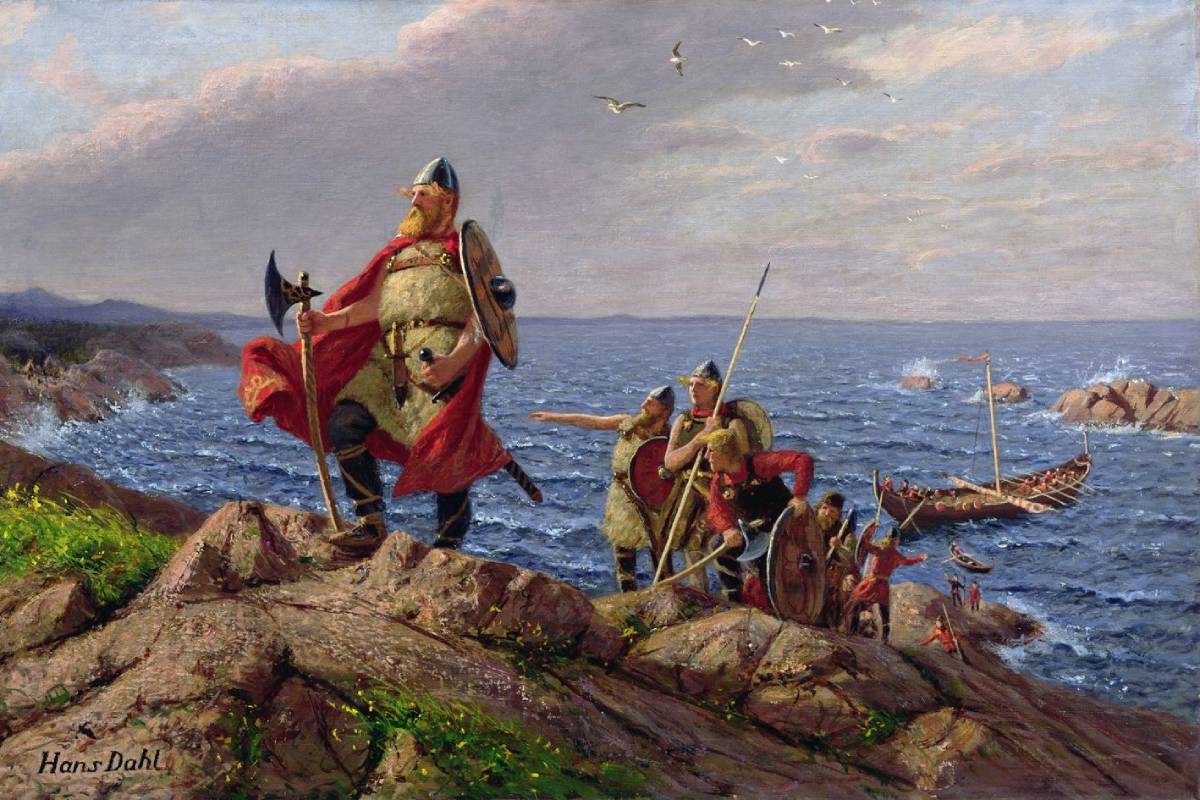
Leif Erikson Discovers America by Hans Dahl. Source: Public domain
Without a trace?
With a backdrop like that, the Norse do look like anomalies. They reached Iceland somewhere around 870 CE, and Greenland around 985. We also have confirmed Norse activity in North America dating to about 1021 CE, roughly 471 years before Columbus. Yet there is no record of any obvious epidemic catastrophe that accompanied their movements.
Here, the question is whether that absence reflects a genuinely different disease impact on the populations they came across, or if we’re just hitting the limits of what sources and methods can detect from the period. There is some truth to both ideas.
To understand what happened when the Norse islanders hopped their way across the North Sea, we must look at both possibilities in turn.
The Norse pathogen toolkit
To understand what infectious diseases the Norse could even have brought with them, we need to dip into the archeological record. It can be seen that the Norse had a substantial endemic disease burden. Roundworms, whipworms, and liver flukes were all recovered through ancient DNA analysis of parasite eggs from Viking-era latrines across Scandinavia, with a latrine site in Viborg, Denmark dated to 1018-1030 CE confirming all three species.
These are organisms that thrive under the conditions of close human-animal cohabitation and limited sanitation, which are exactly what you will find in Norse longhouse settlements. The burden of these parasites left a genomic legacy that extends to the present. The sustained immunological pressure from intestinal helminth infections seems to have selected for a form of alpha-1-antitrypsin with an elevated frequency in Northern European populations, now known to be a risk factor for emphysema and COPD.
We also know the Norse also had chronic issues like osteoarthritis, dental disease, nutritional stress, and physical traumas. While these don’t tell us anything about transmissible infections, they do let us know we’re characterizing a population that’s operating under a significant chronic disease burden combined with a number of acute disease risks.
Smallpox: The big one
What about smallpox? This was arguably the scourge of the Western Hemisphere during the contact era. Well, a 2020 study in Science by Mühlemann and colleagues recovered variola virus DNA from teeth and bones of 13 individuals from Northern Europe, 11 of whom dated to the Viking Age between 600 and 1050 CE.
This pushed back the definitive date of variola infection in humans by around 1000 years and suggests a presence of smallpox across Europe from the late 6th century at the latest.
But there’s a major nuance with these findings. The Viking Age strains formed a previously unknown and now extinct sister clade of the more modern variola viruses. These strains are completely distinct from lineages that caused the epidemics post-1942. Those more modern strains appear to represent a later evolutionary development.
Epidemic fade-out
Crowd diseases like measles also did major damage during and after the Columbian Exchange, so did the Norse carry these with them as well? To answer that we need to understand something important in disease ecology called the critical community size (CCS) for crowd-based diseases.
This is the idea that below a certain host population size, infections like measles undergo “epidemic fade-out”, where the pathogen exhausts all of the available susceptible victims.
Transmission chains then break and the infection disappears until it is reintroduced from the outside. Pre-vaccination measles data estimated the threshold at around 200,000 to 500,000 individuals for a sustained endemic persistence, although high birth rates and population connectivity via trade routes can allow more persistent infectious burden in smaller groups. This is crucial to understanding why the Norse voyages look so different from the 15th century colonialism in the Columbian Exchange.
Icelandic road. Source: Public domain
The staging points: Iceland and Greenland
Iceland was settled somewhere between 870 and 930 CE, primarily from Norway and the British Isles. The founding population has been well characterized through ancient genomics. A 2018 study by Ebenesersdóttir et al. used genome-sequencing data from 27 ancient Icelanders to estimate the founders as a mixture of Norse (57%) and Gaelic (43%) with many of the latter likely being slaves brough from Viking outposts in the British Isles.
They also showed that modern Icelanders have diverged substantially from those founders due to more than 1,100 years of genetic drift. The authors attribute this to the repeated famines and epidemics having created population bottlenecks.
Iceland (and other island populations) are perfect examples of how geographic isolation can transform infectious disease dynamics. Since they can’t maintain endemic circulation, island populations experience importation-driven boom-bust cycles where a pathogen arrives by ship, burns through the available susceptibles, then disappears until the next introduction.
The most dramatic demonstration of this is the Black Death, which devastated mainland Europe between 1345 and 1353. Iceland didn’t get reached until about 50 years later; it likely had a mortality of at least 25% of the population. Plague apparently didn’t reach Norse Greenland at all, despite the ongoing trade connections with Iceland. It seems that disease transmission attenuated across the North Atlantic. Even a highly lethal pathogen that reached Iceland couldn’t make it across the next maritime barrier to Greenland. That has a significant implication for what we should expect from the Norse pathogens that could have reached Vinland.
Changing environments
The Norse in Greenland were estimated to have had approximately 26,000 individuals over the entire period of settlement, implying something like 1,400 individuals at any given time. An analysis of Norse Greenland’s ancestry based on 3D-shape analyses of crania suggested that 63% were of British and Irish origin and 37% from Scandinavia.
Dietary analyses suggest a dramatic shift from terrestrial food in the era of Eric the Red to marine food in the 15th century, with seals eventually making up 50-80% of the diet. This lines up rather well with the decline on the eastern settlement, which has been attributed to a drying period that would have reduced grass production, leading to a lack of livestock.
That shift toward marine mammal hunting would have likely increased the contact range with the indigenous populations who hunted the same animals, a point that is reinforced by the genomics of walrus ivory sourced from far into the Arctic.
Vinland and the Americas
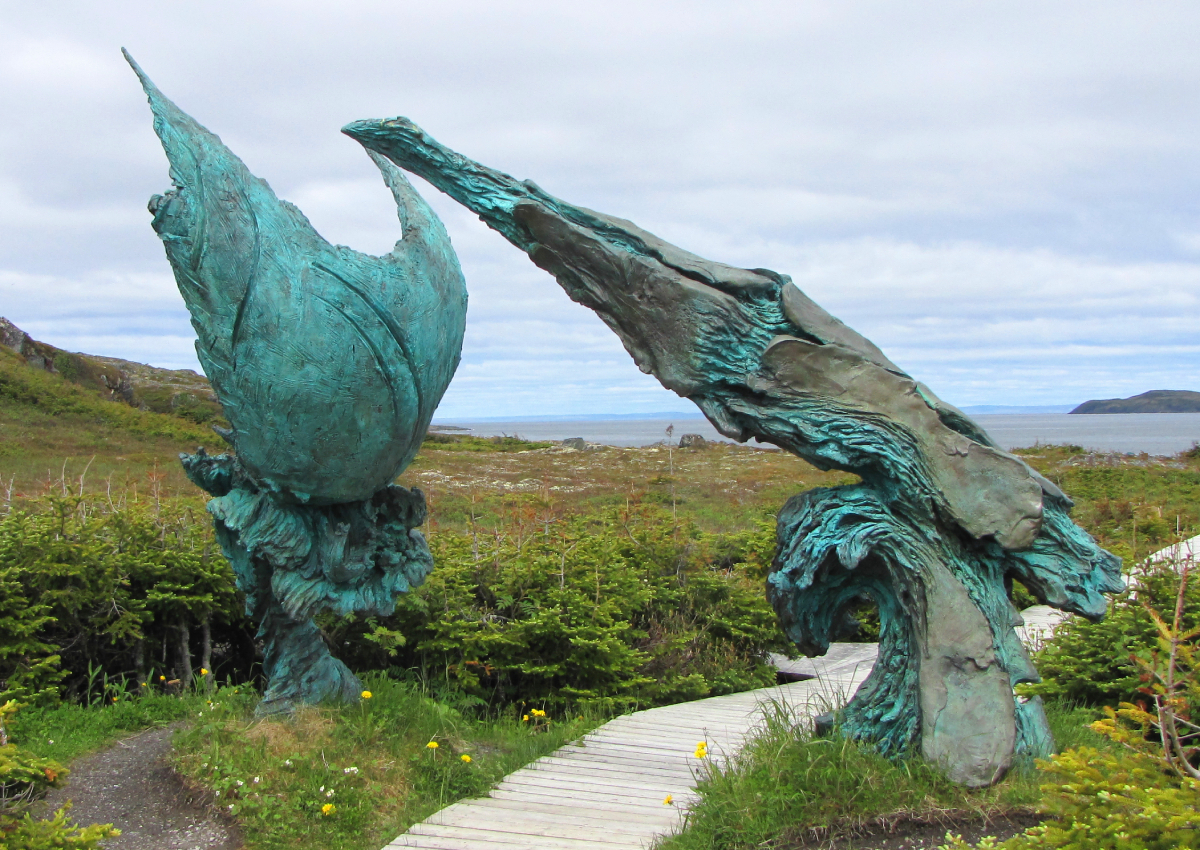
In 2021, an incredible study came out that confirmed exactly when the Norse had been present in the Americas. The researchers sampled pieces of wood from L’Anse aux Meadows that were cut in exactly 1021 CE. They identified that date via a 993 CE cosmic ray event that was preserved in the tree-rings carbon 14 records. But while we can definitively say when the Norse were in North America, we can’t be certain who they encountered or if any biological consequences arose from their presence in what is now Newfoundland, Canada.
The site has eight buildings with estimates of a total estimated capacity of 30-160 people. The material excavated from the site is more consistent with something like a transient basecamp than a permanent settlement. in her book Beyond the Northlands, historian Eleanor Barraclough argues it may have been a temporary boat repair facility.
While the site itself may have been a temporary outpost as opposed to an established colony, we do have some evidence of encounters with the indigenous populations of the area via the Norse sagas The Greenlanders’ Saga and the Saga of Erik the Red. They describe encounters with Skraelingar, which the modern Icelandic dictionary translates to savage and was likely a generic term for non-Norse encountered on those journeys.
The relevant cultures in the Northern Atlantic that may have been contacted around 1000 to 1100 CE would be the Late Dorset (Tuniit) culture, who were the dominant Paleo-Eskimo culture in the eastern Canadian Arctic for something like 3,000 years prior to the Norse arriving; the Thule Inuit, who had expanded eastward from Alaska around 1,000 CE; and the Point Revenge culture, who were an Algonquian group in Labrador and Newfoundland.
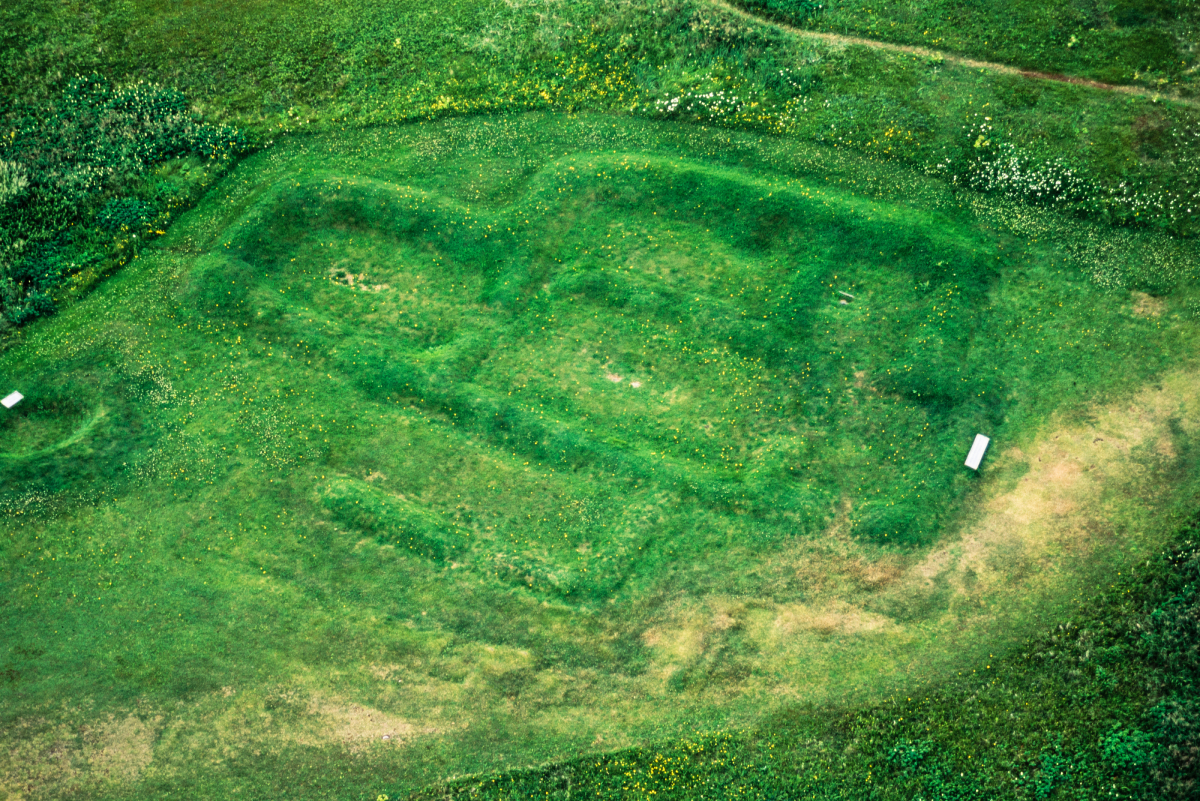
Aerial view of L'Anse aux Meadows. Source: Public domain
Contact unknown
A 2008 study by Robert Park on the archaeological evidence on Norse-Dorset contact had a strikingly direct headline conclusion, in that the Dorset “owed nothing to the Norse and probably had no contact with them.” That argument rests on the total absence of Norse material culture from Dorse sites, inconsistencies in purported Norse-influenced Dorset artifacts when examined more closely, and geographic/chronological evidence suggesting the Dorse had basically reduced their range from the regions where Norse activity was confirmed.
The decline in the Dorset around 1300 CE is also better explained by a Thule Inuit expansion from the north and west as opposed to disease or contact with the Norse. The Thule, having been genetically and culturally distinct newcomers, with possibly superior cold-weather maritime technology, seem to have outcompeted, displaced, and/or absorbed the Dorset populations across the eastern Canadian Arctic.
The population genetic evidence allowed researchers to directly test the hypothesis that Norse contact produced detectable biological effects. In an analysis of 26 ancient individuals from across the Arctic Paleo-Eskimo and Thule cultural groups and six modern, high-coverage genomes, they found that the Paleo-Eskimo metapopulation showed no evidence of gene flow with the Norse groups. The Dorset lineage appears to have been in near isolation for over 4,000 years, only to vanish about 700 years ago, coinciding with the Thule expansion.
And while an absence of Norse-Indigenous genetic admixture doesn’t rule out any pathogen transmission, it does confirm that the interactions between the two groups weren’t intensive enough to produce detectable geneflow. Repeated contact (which often comes with reproduction between groups) is a plausible requirement for the kind of recurrent biological exposures that would result in a new endemic disease reservoir. That Norse walrus hunting paper previously mentioned showed them traversing the High Arctic also confirmed the Norse hunters were active in areas occupied by Thule Inuit and possibly Late Dorset groups. But these would’ve likely been seasonal and done by relatively small parties that didn’t sustain settlement in those regions.
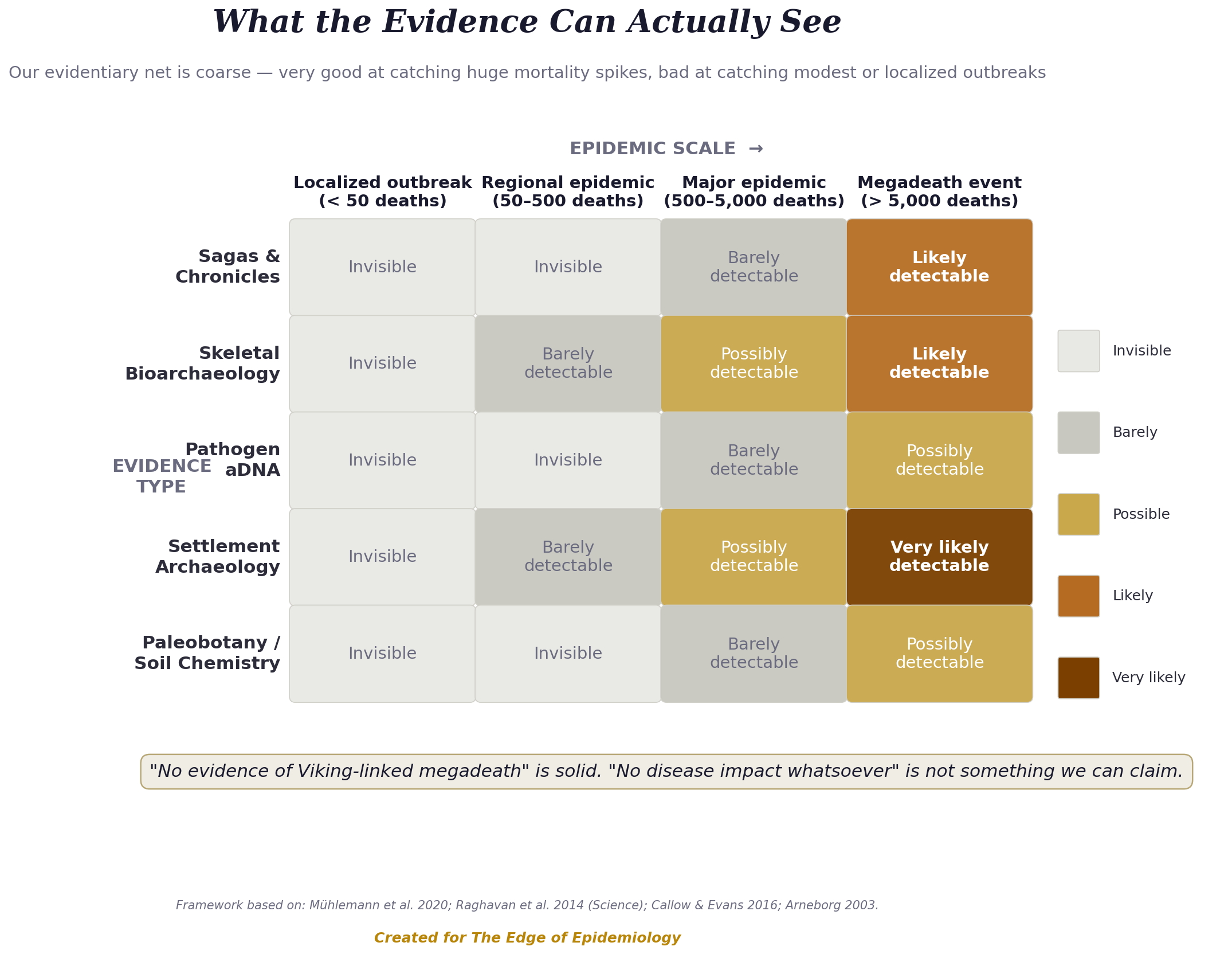
Evidence available. Source: Devin Teichrow, The Edge of Epidemiology
What we can’t know
While ancient DNA methods have transformed what we can know about ancient cultures, we are still extremely limited in what we can say about the Norse and their travels in the North Atlantic. The relevant primary texts, the Greenland Saga and the Saga of Erik the Red, were written down more than 200 years after the events being described. In other words, they are not exactly the pinnacle of epidemiological evidence. And the best of ancient pathogen DNA detection methods haven’t yet been applied systematically to the Norse-period skeletal material from Iceland and Greenland.
The archeological record is also limited in its interpretability. The absence of mass burial events, skeletal markers of acute epidemics, or demographic collapse signatures in the skeletal are also evidence that whatever health problems the Norse faced in the Northern Atlantic weren’t the kind that left us with recognizable signatures.
But these methods can’t detect mortality events among the indigenous people in the contact zone (yet) since that population’s archeological record for the period is sparse and incompletely studied. And the detection of extinct strains of smallpox in those populations is no guarantee that the same pathogens were circulating in their outposts more than one thousand miles away.
All this to say absence of evidence is not the same as evidence of absence. The epistemically honest position based on the current evidence remains nuanced. The Norse seem to have carried pathogens that could have caused some local mortality events in the contact zones. The sporadic introduction of some illnesses is, in my opinion, plausible.
We also don’t see the same structural conditions that allowed for the Columbian Exchange scale epidemic events, as these were events of brief, limited contact outside of large urban centers, as confirmed by the genetic and archeological evidence.
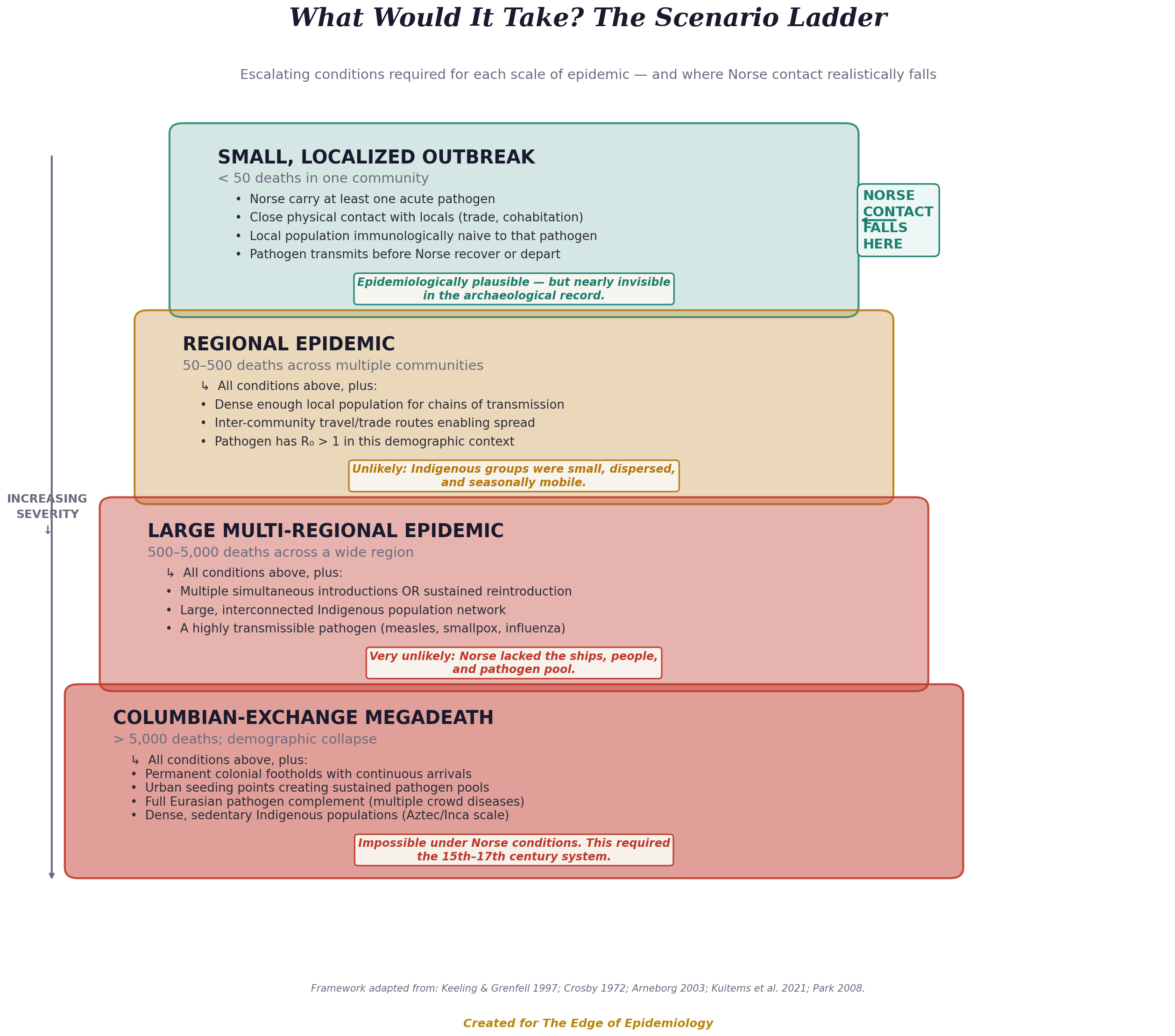
Scenario ladder. Source: Devin Teichrow, The Edge of Epidemiology
Barely a splash
So, the best answer to the question “did the Vikings bring epidemic disease to the Americas?” is: definitely not at a scale comparable to the Columbian Exchange, probably not in any sustained or catastrophic form, and not in any way that left detected genetic or archeological signatures in the North Atlantic contact zone.
The pathogen combination required for the genocide-scale epidemic mortality was structurally absent from the North Atlantic Viking Age expansions. That said, the evidence base has some meaningful gaps that are yet to be addressed. We don’t have systematic ancient DNA surveys of the contact-era North Atlantic Norse communities yet.
Nor do we have bioarcheological data on the Indigenous sites from the contact zone that would allow us to detect or exclude some sort of minor mortality event. As a historical epidemiologist, I see both the strong argument against any large-scale disease impact and the real evidentiary limits we’re coming up against in the available literature.
We get to provide readers with original coverage thanks to our loyal supporters. Do you enjoy our work? You can become a PATRON here or via our Patreon page. You'll get access to exclusive content and early access.
Feel free to reach out to discuss potential stories that may be in the public interest. You can reach us via email at [email protected] with the understanding that the information you provide might be used in our reporting and stories.