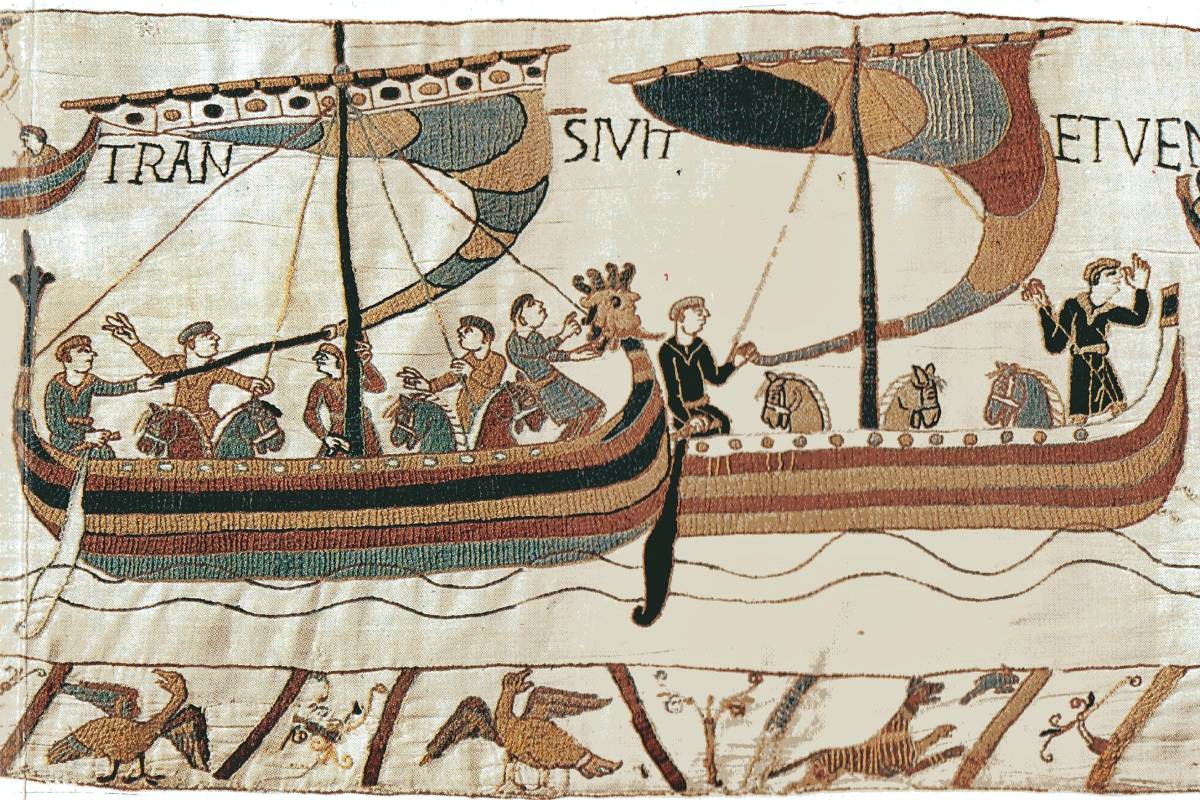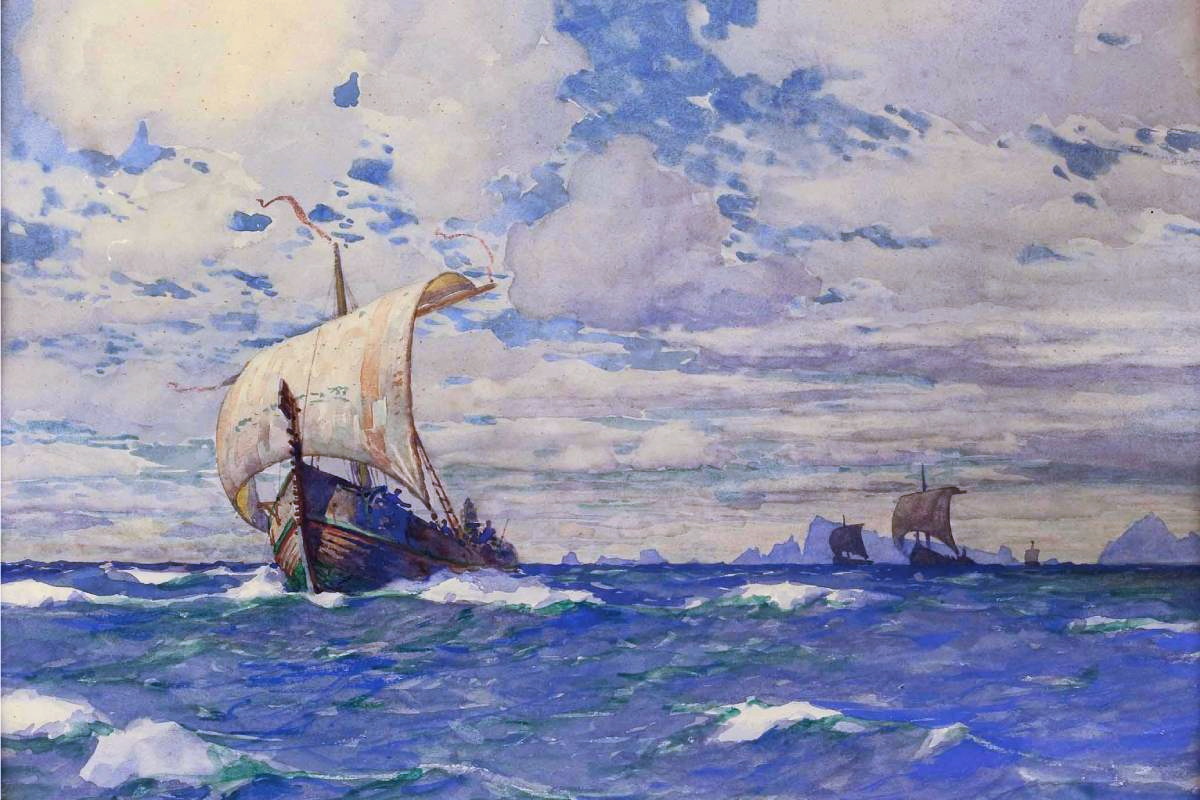


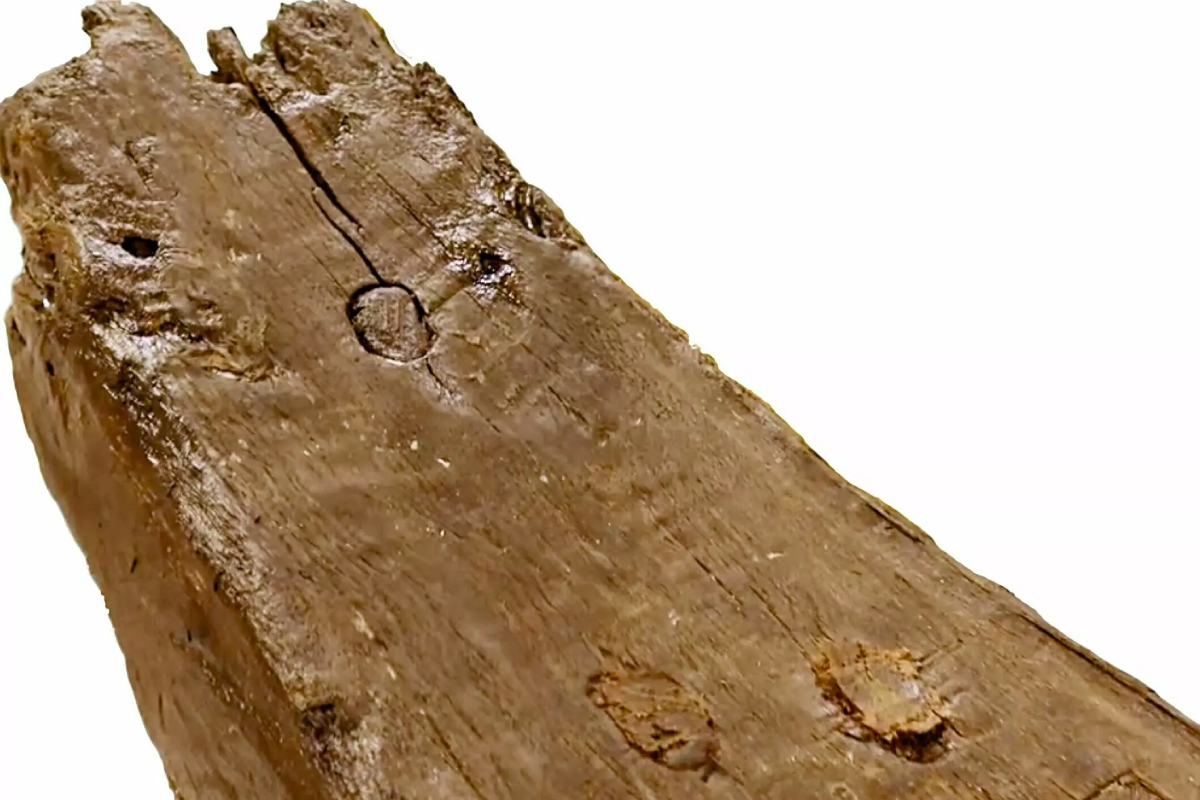
A ship fragment found in the very center of Oslo has unexpectedly been dated to the Viking Age.
Although most of the ship parts found in the former harbor at Bjørvika are from the 16th and 17th centuries, archeologists from the Norwegian Institute for Cultural Heritage Research (NIKU) have confirmed that one fragment is much older than they first imagined.
A special area of interest
As reported on the website Science Norway, the team was investigating the seabed at Bjørvika, a modern port district in Oslo that is home to the Oslo Opera House and the ultra-trendy Barcode Project, a collection of futuristic office and residential buildings.
Bjørvika is also the location of King's Wharf, which was excavated in 2023 and has since been dated to the end of the 13th century.
It is believed the wharf was erected by Haakon V, who initially ruled Oslo and the surrounding area as a duke. In 1299, Haakon became King of Norway after the death of his brother Eirik and went on to declare Oslo as the new capital of the country.
Though the wharf fell into disuse not long after, Bjørvika remained a major harbor for several centuries, providing access to the inlet of Oslofjord and the North Sea beyond.
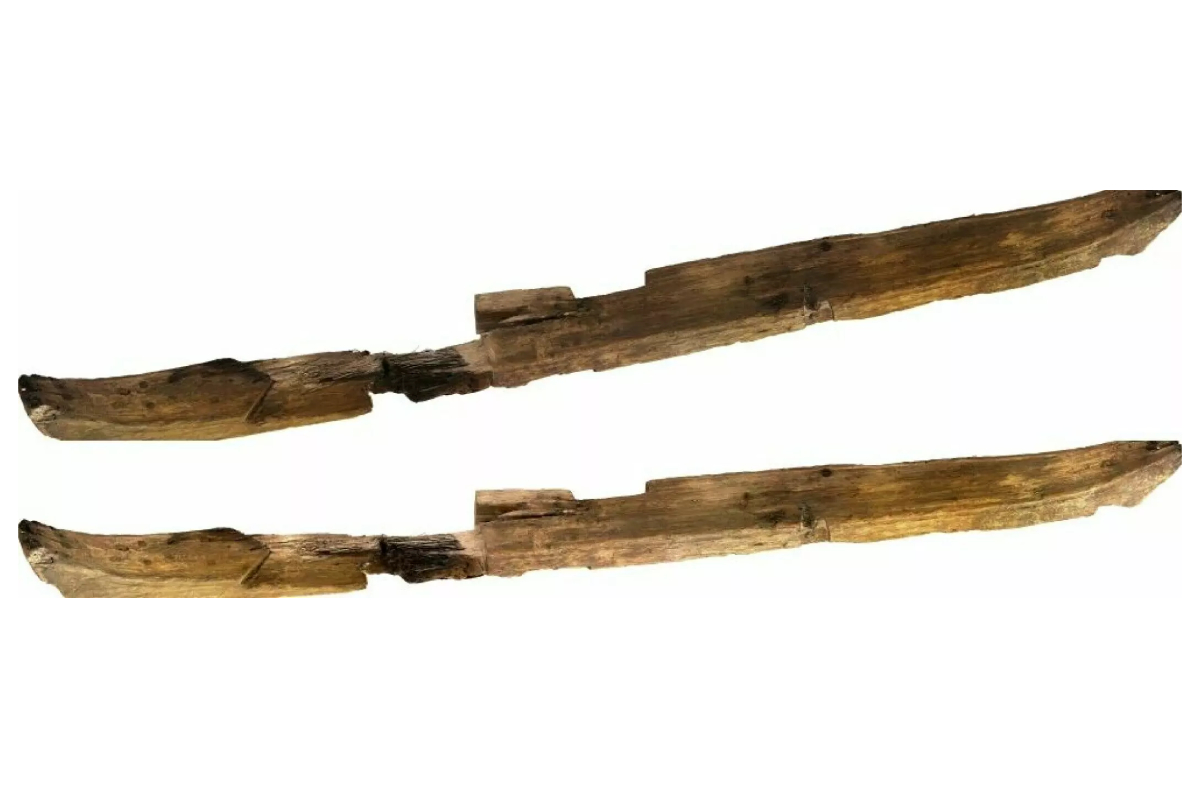
Archeologists have created two 3D models depicting the central part of the ship, showcasing the connection point for the mast of the sail. Photogrammetry: Cornelia Eilertsen / NIKU
Surprising results
The archeologists have successfully extracted a wide selection of wood from the bottom of the fjord.
Though there are isolated examples from the 13th and 14th centuries, most pieces have been dated to the 16th and 17th centuries.
One particularly well-formed fragment, however, caught the eye of archeologist Håvard Hegdal, who sent it away for dendrochronological testing.
Dendrochronology is used to date trees and wood by examining growth ring patterns to ascertain the approximate age of the wood. The findings revealed that the tree was felled sometime between 1087 and 1100.
This would make the fragment approximately 200 years older than the wharf itself and places the age of the ship towards the end of the Viking Age.
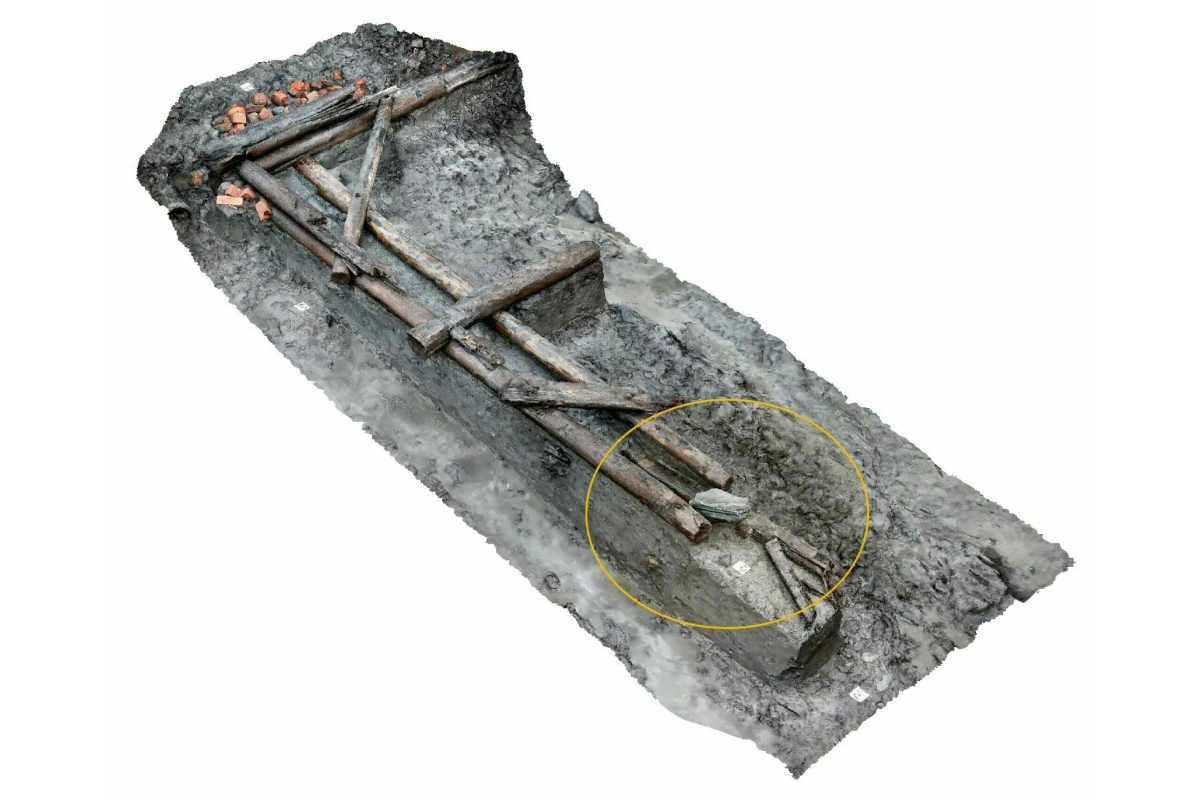
The ship part was found beneath a 14th-century wharf foundation, just below the stone to the right in the image. Photogrammetry: Cornelia Eilertsen / NIKU
A link to Harald Hardrada?
Oslo has long been said to have been founded by Harald Hardrada in 1048, though some attribute this to wishful thinking on the part of Oslo residents and history enthusiasts.
Many similar fragments have been found in Norway; however, this is the first time that part of a ship from the Viking Age has been found at the port of Bjørvika.
The find, therefore, provides some support for the idea that Oslo was already an important town at this time, and also indicates the harbor may have been in use for shipping much earlier than the era of Haakon V.
The archeologists also noted the difference in form compared to other fragments in the same area.
Speaking to Science Norway, Håvard commented, "There's an aesthetic quality to the ship part we've found that we don't find in the more roughly hewn parts from cargo ships and work ships made in the Middle Ages."
"In older ships, it sometimes happens that the planks in the hull are decorated externally with planed lines, but this ship part has decoration on all sides."
- READ MORE: All you need to know about Viking ships

The new district of Bjørvika is being constructed on the historic harbor site used from the Viking Age until 400 years ago. Photo: Markus Mainka / Shutterstock
Preserved in clay
The section of the seabed at Oslofjord adjacent to the harbor area at Bjørvika largely consists of a type of clay that is particularly well-suited to preserving older objects.
Although much of the area had never previously been explored in great detail, the latest round of investigations has turned up samples of leather, bones, and rope alongside the ship fragments.
There are plans for more research at Bjørvika in the future, and further analysis will also be carried out on the Viking Age ship fragment found in the seabed.
Given the nature of this unexpected find, the archeologists will surely be keen to see if any comparable pieces can be uncovered in the coming months and years.
We get to provide readers with original coverage thanks to our loyal supporters. Do you enjoy our work? You can become a PATRON here or via our Patreon page. You'll get access to exclusive content and early access.
Feel free to reach out to discuss potential stories that may be in the public interest. You can reach us via email at [email protected] with the understanding that the information you provide might be used in our reporting and stories.