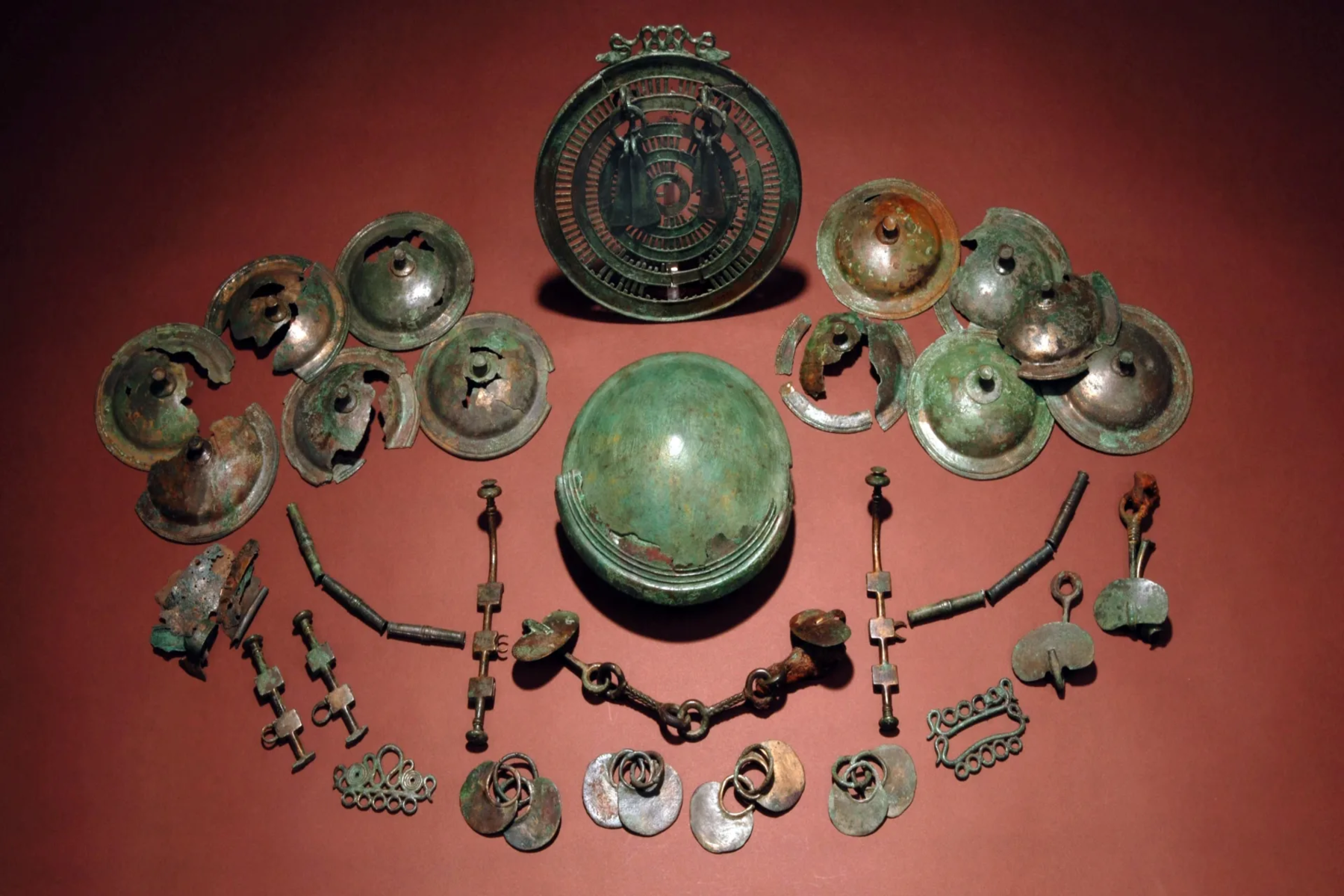


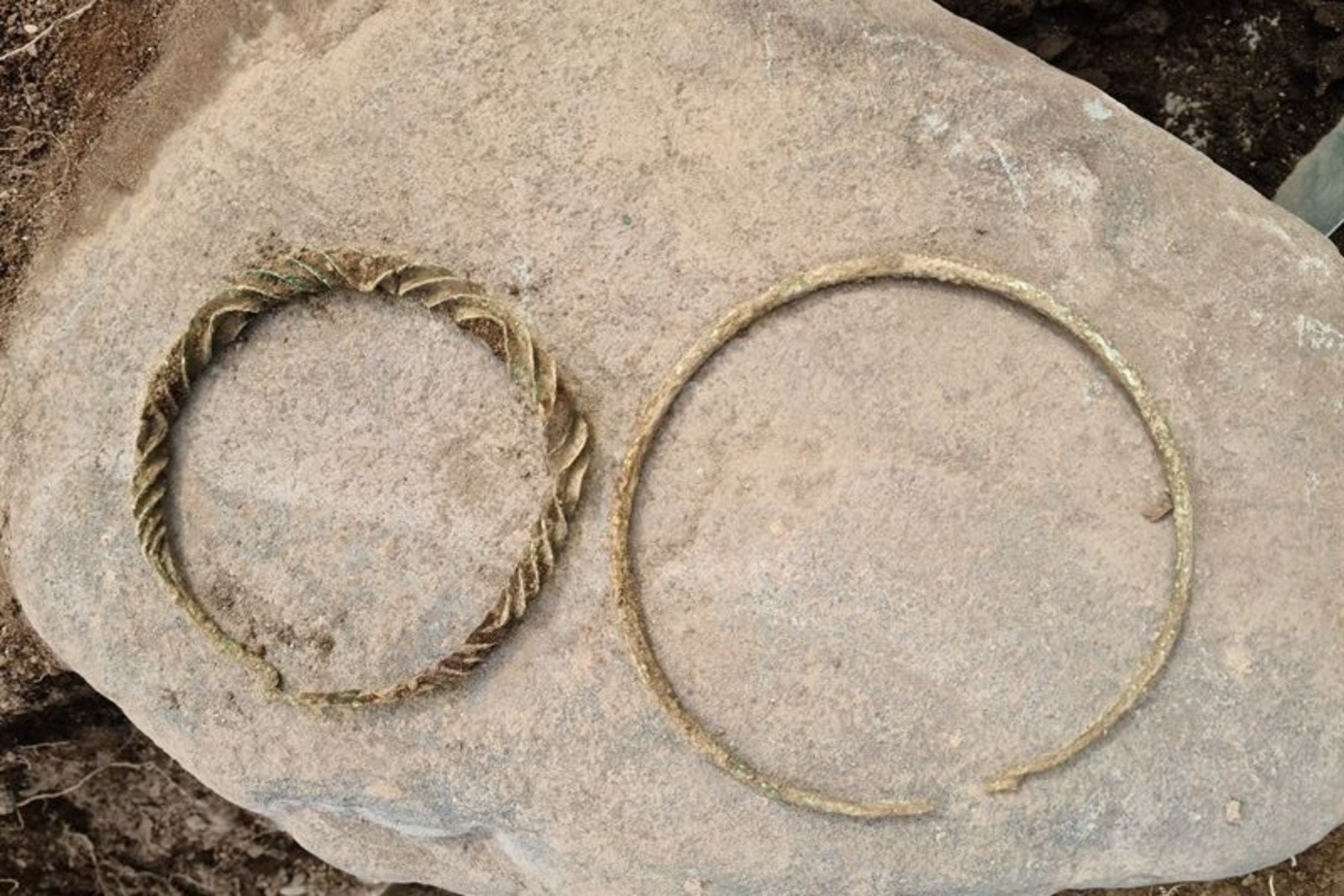
Two neck rings from the Bronze Age have been discovered near the town of Marby in eastern Sweden. The rings are thought to have been deposited as ritual offerings. Alf Ericsson of Arkeologerna has described the find as “highly unusual, and perhaps unique.”
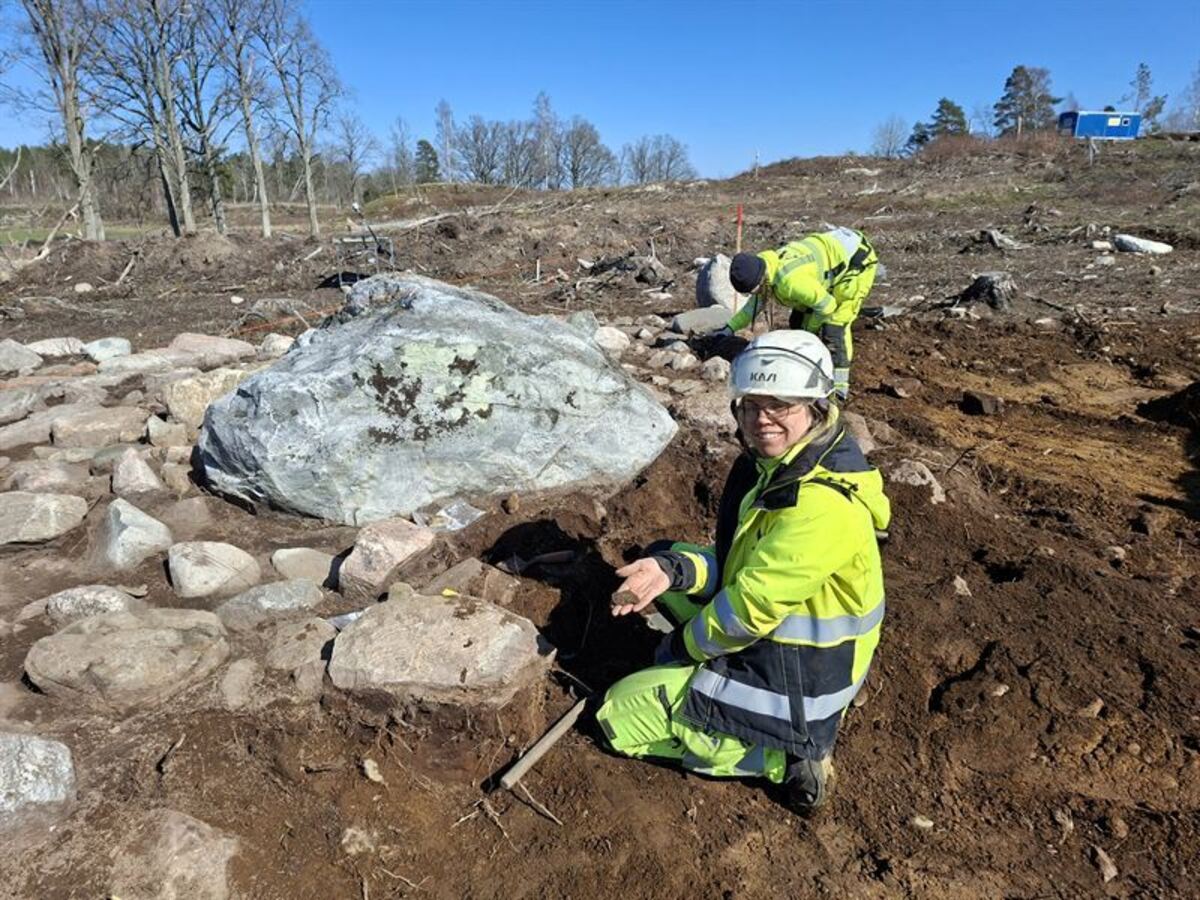
The archaeological excavation in Marby, just outside Norrköping. Source: Arkeologerna/The Archaeologists
Rich pickings
The Marby archeological site is located on a wooden hillside close to the city of Norrköping. Over the last few weeks, archeologists have uncovered a series of artifacts from the Late Bronze Age (c. 1100–500 BCE), including graves, rock carvings and settlement remains.
The neck rings, however, are undoubtedly the most remarkable find so far. The two rings were unearthed from a grave alongside human bones deposited in noth an urn and in small pits in the ground.
The neck rings were wedged between some stones in the grave. Known as Vendel rings, they are characterized by their twisted form. One of the rings is larger and thinner, while the other is thicker and more heavily profiled. “Wendel rings are relatively rare finds,” commented Alf Ericsson. “They are often discovered in hoards together with other objects, typically in wetlands such as bogs or marshes.”
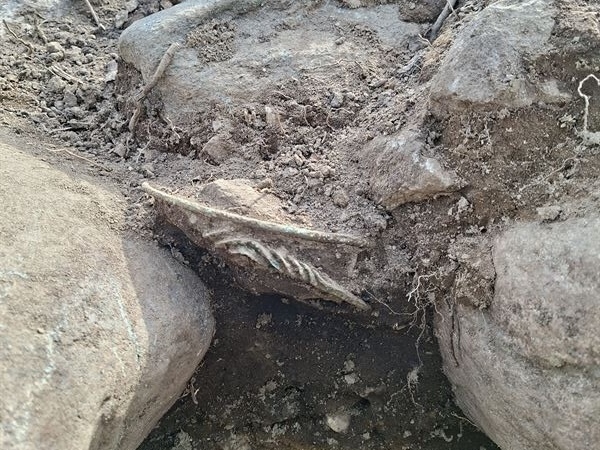
The rings where they were found. Source: Arkeologerna/The Archaeologists
Something else
As Ericsson notes, it is the context of the rings that makes them special. “Near our excavation site, in Häradshammar in Östergötland, two Vendel rings were previously found deposited in a bog. But finding two neck rings placed together inside a grave monument containing burials is extremely unusual – perhaps unique. We never expected to find anything like this. We still haven’t fully taken it in.”
It is believed that in this period neck rings were usually worn by women and were a marker of status. In this particular case, however, it appears the rings may have been used in some kind of ceremonial ritual.
It is hoped osteological analysis will reveal more about the people that were buried in the grave site. The excavations have also revealed large quantities of fire-cracked stone, pottery fragments and pieces of clay. The team has also identified two concentric stone circles that could indicate that the hill itself was a grave monument.
We get to provide readers with original coverage thanks to our loyal supporters. Do you enjoy our work? You can become a PATRON here or via our Patreon page. You'll get access to exclusive content and early access.
Feel free to reach out to discuss potential stories that may be in the public interest. You can reach us via email at [email protected] with the understanding that the information you provide might be used in our reporting and stories.