

Can you imagine a world without early medieval Europe’s most feared warriors, the Vikings? I know that sort of existential question is enough to keep you, dear reader, up all night with bad dreams (or maybe that’s just here at The Viking Herald office), but there was a time when the Scandinavian peninsula had no Viking warriors and no Viking societies. Or did it? In the West, and especially the Anglosphere, we tend to pick an arbitrary date of a Viking raid to signal the start of an entire epoch of North European history.
Whilst the 793 CE raid on the island of Lindisfarne was important, it was certainly not the first Viking raid (perhaps that took place half a century earlier on what is now the Estonian island of Salme) and should really not be seen as a conclusive starting date for the Viking Age. The factors that pushed those warriors to board that boat to sail to Lindisfarne the late 8th century were the culmination of a centuries-long process of cultural, economic, political and social development.
To best understand these developments, we will look at some of the cultures, kingdoms, and people that were to be found in Scandinavia long before the first Viking ship sailed.
The Frozen North thaws to the advent of bronze
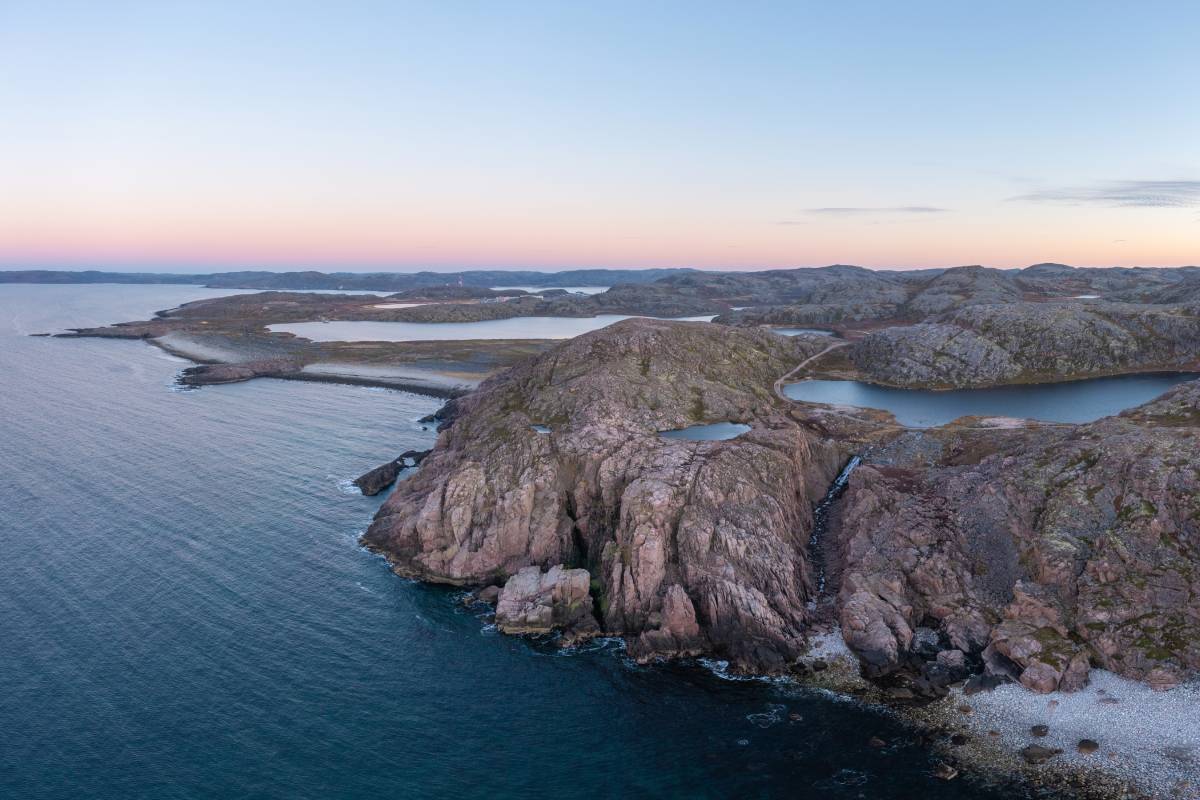
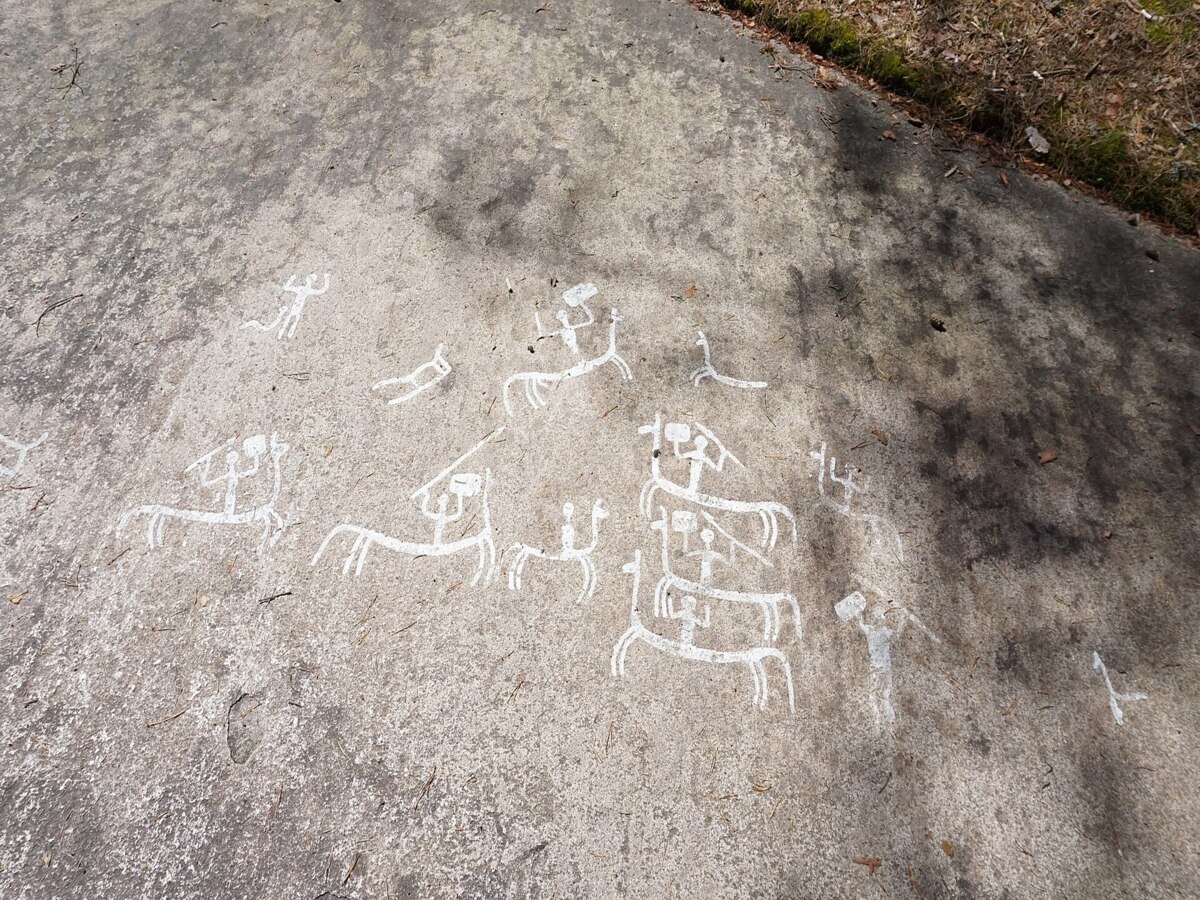
The ending of the last Ice Age allowed people to settle in Scandinavia, a region that had previously been quite literally the frozen north. It is believed that hunter-gatherer groups headed north to the Scandinavian peninsula from continental Europe, somewhere around 12,000 years ago. Up until about 6,000 years ago, these hunter-gatherers roamed Scandinavia to fish, hunt elk, reindeer, and seals.
It was with these people that Scandinavia’s love affair with water was created as they developed very basic boats. Think simple rafts, nothing like the mighty Viking vessels that would ply the waters around Scandinavia at a later point.
By about 4,000 BCE, farming arrived in Scandinavia. This meant a gradual ending to the hunter-gatherer societies as communities settled to cultivate crops like barley and wheat. More permanent settlements – rudimentary villages – replaced temporary camps, and the presence of animals like cattle and pigs became more commonplace.
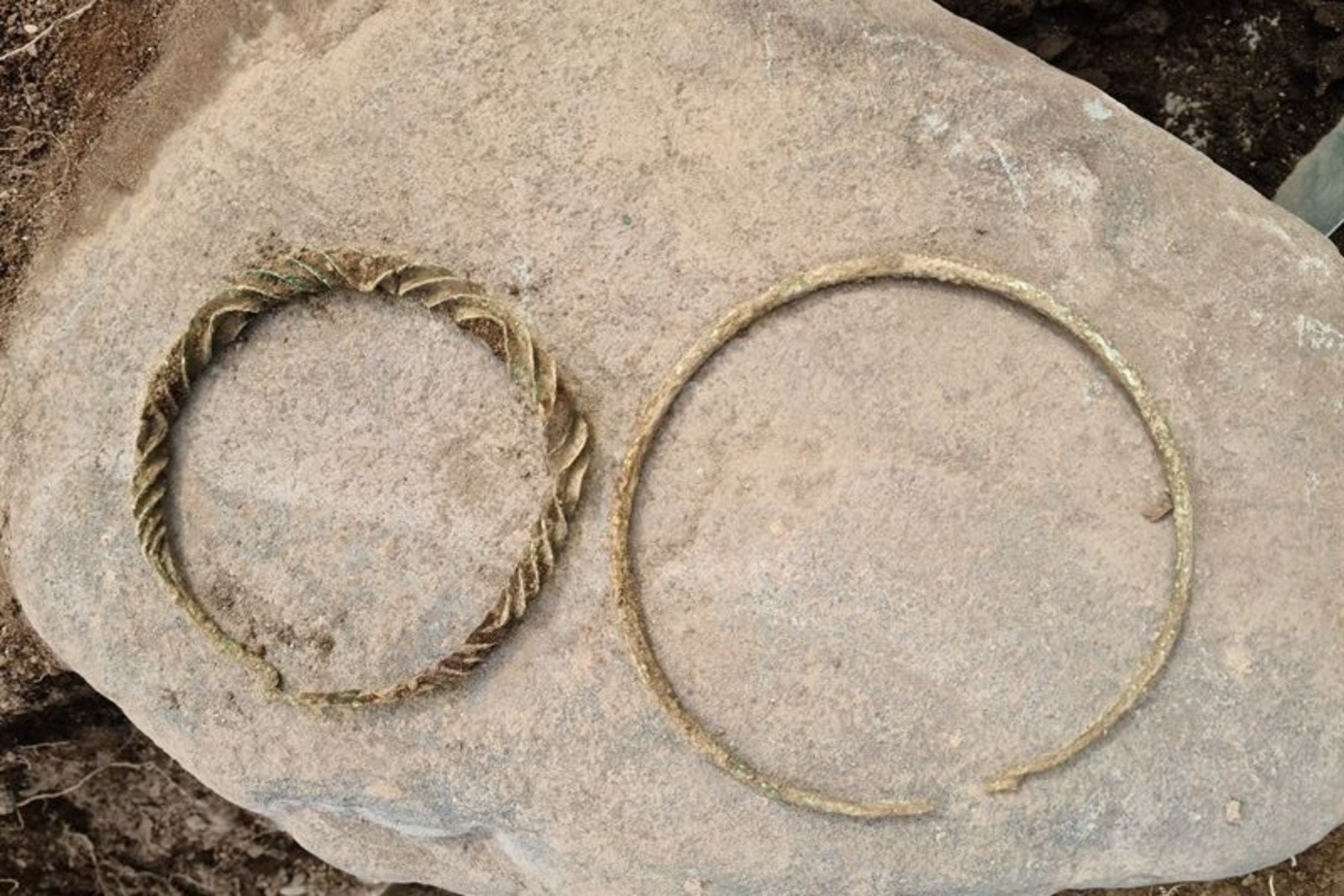
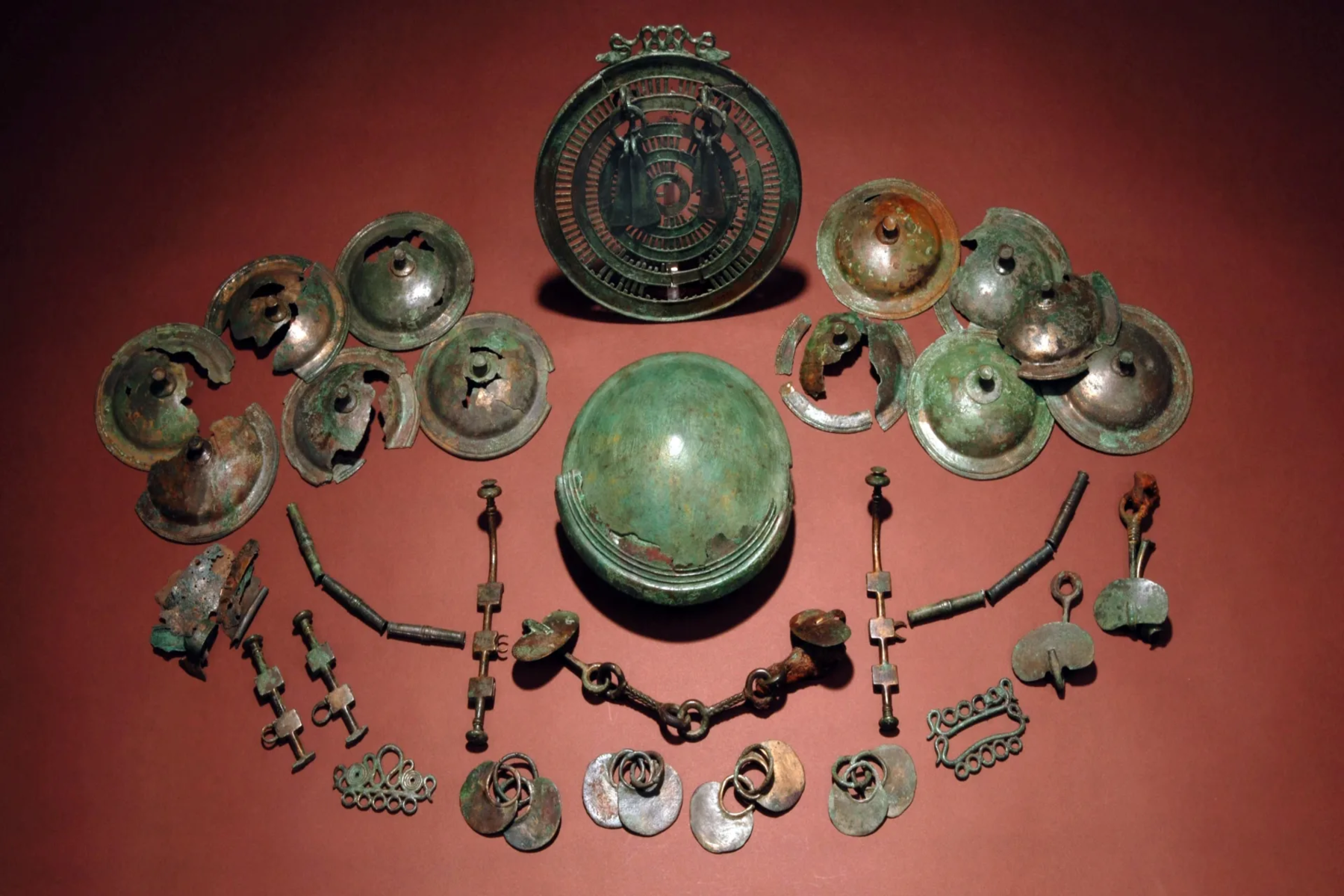
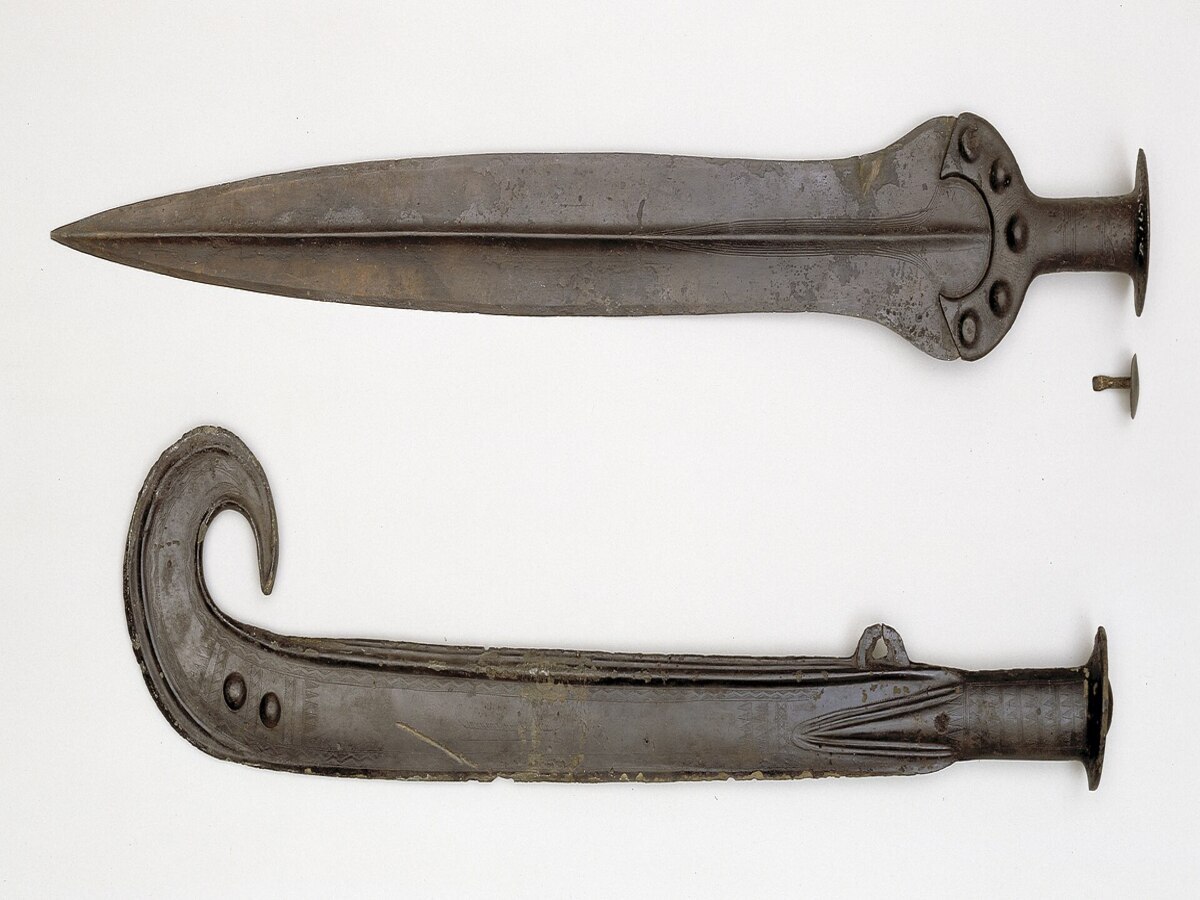
The next phase of human development has been dubbed the “Scandinavian Bronze Age” (c. 1700 – 500 BCE). Due to the distance from other more advanced cultures and civilizations during prehistory, human societal and technological development was done at a slower pace in Scandinavia.
The use of bronze, which as we should all remember from our high school chemistry classes (the current author claims ignorance as history was always his first love) an alloy of tin and copper, as the primary material for crafting tools and weapons occurred at a much later date than in other locations in the world, as Scandinavia had little natural copper or tin.
As such, the people living in Scandinavia had to establish long-distance trade networks (that would later be exploited by people in Viking Age societies) to obtain the raw materials needed for bronze production. In return, the natural resources that were abundant in Scandinavia, like amber, were traded. This was a prized luxury item favored by people far away in the Mediterranean basin and beyond, think the Mycenean civilization and early Roman Republic.
Nordic Iron Age and the long shadow of Rome
Like the Bronze Age, the Iron Age started much later than in continental Europe. Historians normally date the advent of the use of iron to about 500 BCE, when iron replaced bronze as the dominant metal. This meant increased population thanks to stronger farming tools, meaning large food production. Here, societies throughout Scandinavia became more unequal as powerful families hoarded wealth. It was during this age that small kingdoms popped up throughout the Scandinavian peninsula.
Speaking of Rome, we finally turn to the long shadow it cast up north. Scandinavia, during Classical Antiquity, saw a large amount of indirect contact with Rome through commerce and trade. Artifacts of Roman origin have been uncovered throughout southern Scandinavia, particularly Denmark and southern Sweden.
It is also possible that warriors from Scandinavia served as auxiliaries under the Roman eagle. As Bjorn Myhre talks about in his chapter in the 2001 book The Cambridge History of Scandinavia, it was during this age, and especially the first half of the first millennium CE that “...Scandinavia changed from being a separate region in Europe to becoming a border area, initially to the Roman Empire and then the Merovingian and Carolingian kingdoms.”
Following the end of Rome’s influence in Western Europe, Germanic peoples, the Angles, Saxons and Goths (all with their origins in Northern Europe and/or Scandinavia) migrated westward. Back home in Scandinavia, gold became the status symbol of choice as great halls (such as Lejre) developed and larger kingdoms emerged.
Germanic people were not alone
Whilst it was Germanic societies that would dominate Scandinavia throughout Classical Antiquity and into the early medieval period, Germanic peoples were not alone.
The ancestors of the Sami, whose traditional lands stretch across much of the northern Nordic region, were also living throughout northern Scandinavia before the Viking Age. Their relationship with Germanic peoples further south was similar to that with people from Viking societies later in the medieval period, a complex one that oscillated between mutual benefit and outright conflict.
In the few centuries before the raid on Lindisfarne, it was especially northern chiefs and rulers became rich from a lucrative trade with the ancestors of the Sámi, foreshadowing the influence, power and wealth of Viking era elites like the Jarls of Lade. In fact, extensive trade networks were established in the centuries before the Viking Age in order to gain much of the raw materials that was to be found in northern Scandinavia, the timber, furs, antlers, and walrus ivory. This trade route, which involved sailing up and down the western coast of Norway to tap into more established trade networks, bequeathed Norway its name, as it was known as the ‘Northern Way’.
Despite the presence of the ancestors of the Sami, by the early 8th century CE it was the Germanic societies which occupied southern Scandinavia that would drive the story of Scandinavia for the next few centuries. Myhre talks about this development more in his chapter, where, as time passed, it was “...the dominating culture and language of the warlike Germanic petty kingdoms of southern Scandinavia” that became “ ...increasingly supreme in northern Scandinavian territories” by the turn of the 8th century.
In other words, while Scandinavia before the Viking Age was never monocultural, it would be the Germanic people that would largely determine the cultural, economic, and political future of this part of northern Europe.
Setting the stage for the Age of Vikings
By the beginning of the 8th century, Scandinavia was almost recognizable to any fan of the Viking Age.
The political landscape was dominated by local elites and chieftains that ruled petty kingdoms from the Danevirke to the Arctic Circle. Further agricultural development, thanks to the development of iron metalworking, saw greater food production, meaning a larger population squeezed into a peninsula that possessed minimal large farming land. The use of iron for weapons too meant large forces could be sustained and thus enabled ambitious chieftains to wage war more frequently and try to extend their influence with the help of an axe or sword.
Shipbuilding technology had been honed over centuries, allowing longer-distance travel for trading and raiding. What once had been coastal raiding and exploration would soon become overseas raiding, conquest and settlement. So it was that in the mid-700s the culmination of all these centuries-long developments saw a Viking force to hop onto a ship and sail across the Baltic Sea. The stage had been set for the Viking Age.
We get to provide readers with original coverage thanks to our loyal supporters. Do you enjoy our work? You can become a PATRON here or via our Patreon page. You'll get access to exclusive content and early access.
Feel free to reach out to discuss potential stories that may be in the public interest. You can reach us via email at [email protected] with the understanding that the information you provide might be used in our reporting and stories.