

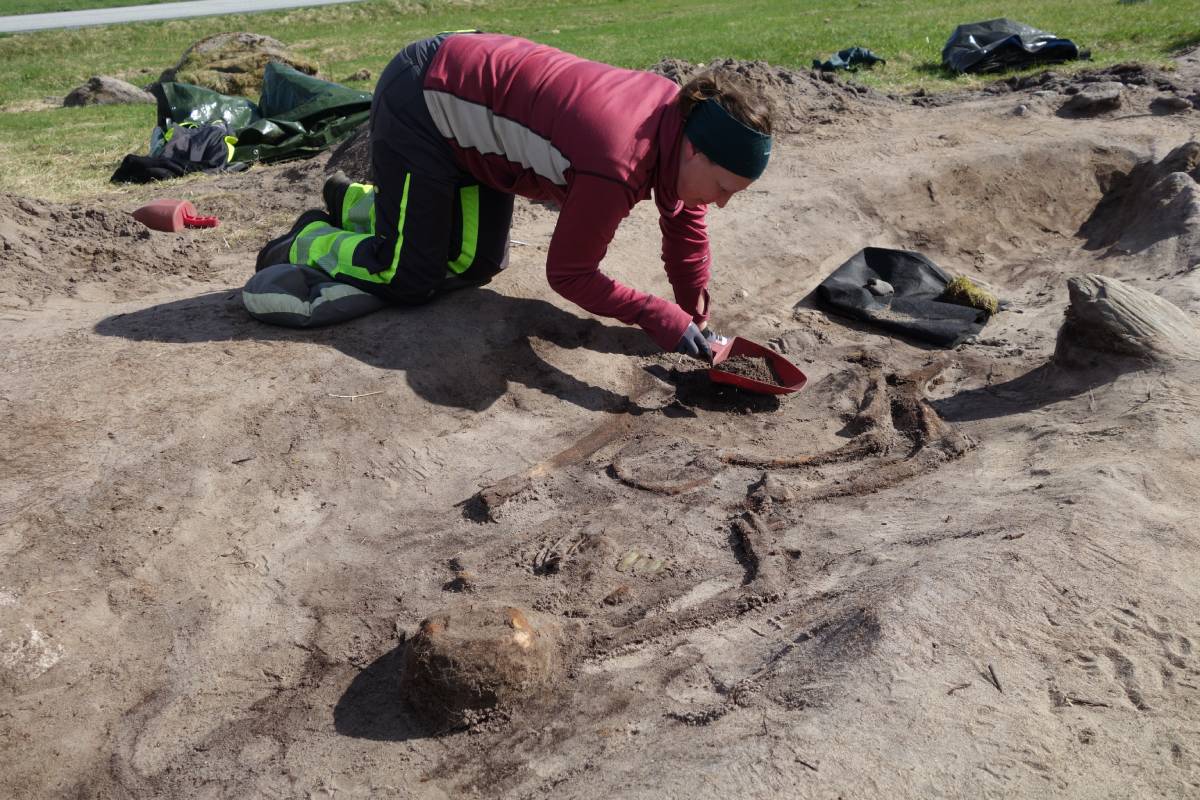
Archeologists in Norway have excavated a boat burial from the Viking Age that contains the remains of a woman, a dog, and several artifacts that could potentially explain the buried person's role in the local area.
The Viking Herald speaks to Arctic University Museum of Norway archeologist Anja Roth Niemi about the details of the grave site and the potential symbolic meaning of its contents.
Just below the surface
As Anja informs The Viking Herald, the grave was unearthed in 2023 on private land on the island of Senja in northern Norway.
It is only in the last few weeks, however, that archeologists have had the chance to explore the find in full.
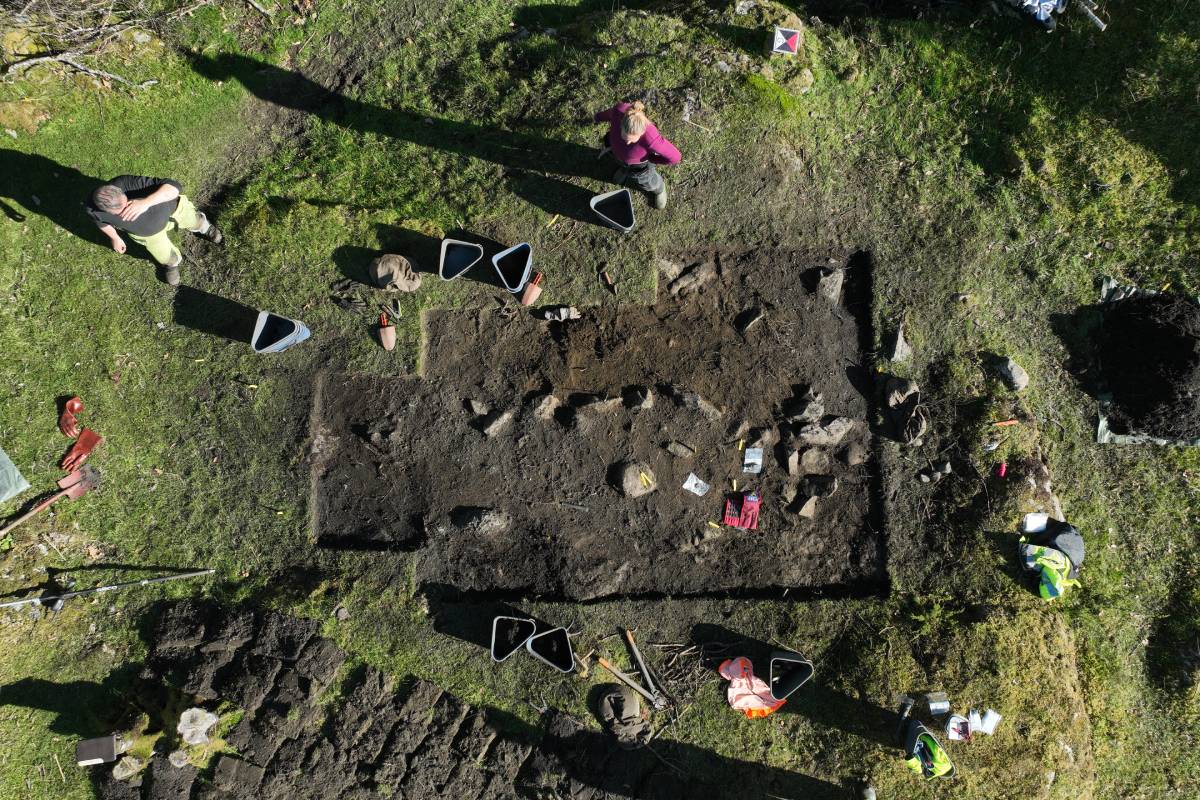
"We first looked at the site two years ago after two metal detectorists uncovered the remains of a grave," Anja begins. "When they got the signal with their metal detectors, they dug a small hole and retrieved two Viking Age oval brooches. Some ribs from a human skeleton were also visible, so we understood that this was a hidden grave."
"However, we only excavated a very small area," Anja admits. "The general rule is to leave all cultural remains where they are unless they are under threat. At the same time, we were a bit concerned about the preservation of this find, as it was in very shallow earth, maybe 20 centimeters below ground."
"We told the Directorate for Cultural Heritage Management that there was a need to secure the find, but they didn't accommodate our wishes."
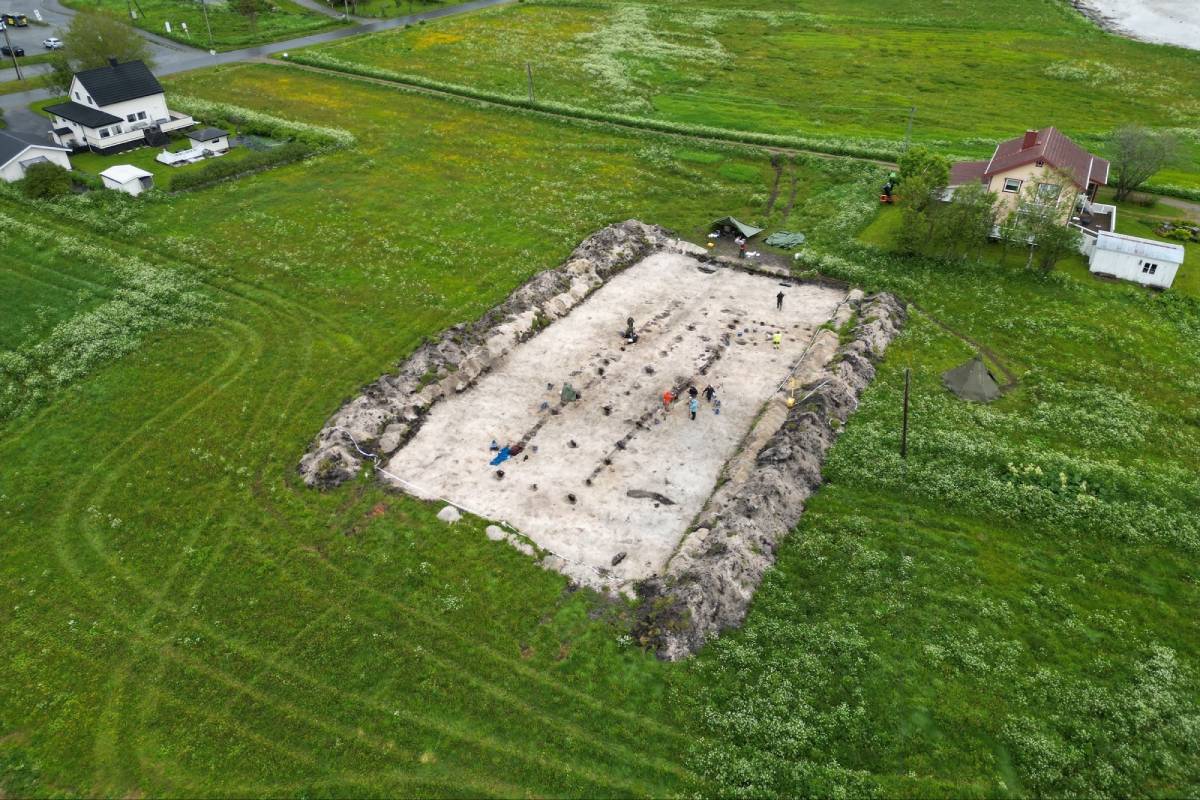
Fortunately, however, earlier this year, the landowner decided he would like to build an extension to his garage. By Norwegian law, this meant the archeologists would be able to go back to the site for a more extensive excavation.
"That opened the door," Anja confirms. "We returned to the site and finished excavating it just last week."
- READ MORE: A Viking history of Norway – Part 1
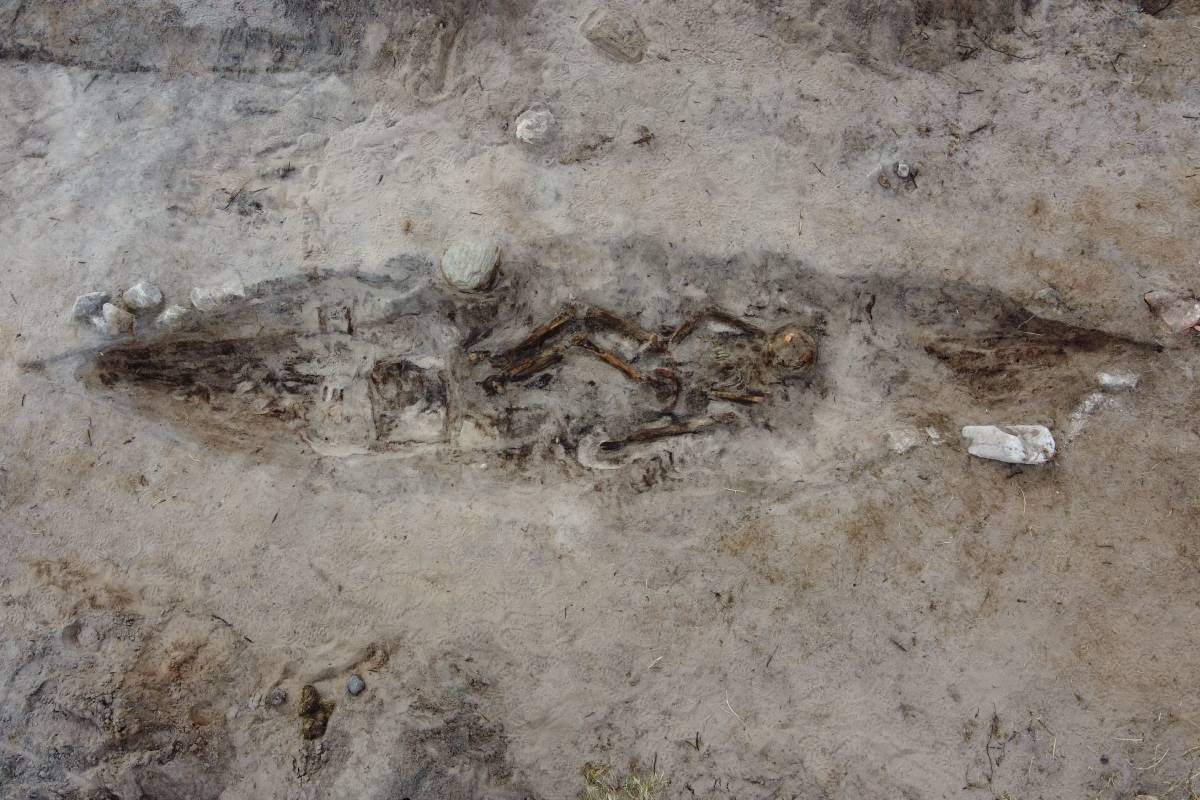
Archeologists see the spindle whorl and sickle found in the grave as signs of the woman’s high status in the community. Photo: The Arctic University Museum of Norway
"A high-status woman"
Grave goods not only provide insights into everyday life and beliefs in the Viking Age, but can also give us a clearer picture of the type of person who has been buried.
"This find contains some textile objects that are quite commonly found in high-status graves from the period," Anja informs The Viking Herald.
"Items like the spindle whorl typically signify the role of the leading woman at the farm. The person buried here would likely have been in charge of textile production at the farm," Anja adds.
"This was high-status work. Good quality textiles were really valuable and tell us something about wealth and status. They were traded and also exhibited in clothes, sails, or tapestries."
"Sickles are also sometimes found in women's graves and perhaps say something about the agricultural dimensions of the society."
"Even up here in the north, where grain production was not so big, it was important to own land," Anja points out.
"The elite also liked to have a symbolic inventory of their status. The boat also indicates this was a leading person in the local society."
"It has been suggested that only one or two people from each generation receive this kind of burial. So the woman found here could be a leading housewife of her generation."
The North Way
As Anja notes, a "housewife" in the Viking Age would have been responsible for far more than just managing domestic chores. Instead, she often took control of key economic work.
"I would say it was just as equally important a role as the 'houseman,'" Anja explains.
"They were in charge of different spheres of the farm and often the local community, too. We have female graves containing scales, which shows that women were also important in trade."
The island of Senja is situated above the Arctic Circle, just off the mainland of Norway. As Anja explains, the area where the grave was found was likely a key location in both the Merovingian era and the Viking Age.
"It is on the northern side of Senja, and the site looks straight north across to the Kvaløya and Hillesøy islands," Anja explains.
"This was a kind of district in the northern societies, with a string of chieftains all along the coast, following the shipping lane. As you may know, this lane is where Norway got its name from, Norþweg, or the North Way."
"From the south, they would import metals, iron, weapons, beads, and high-status objects, even from as far away as Kaupang and Birka in Sweden," Anja continues.
"In return, the northern areas would send things like marine ores, which were needed for impregnating ropes and sails. They would also have traded whalebone and reindeer antlers. Whalebone, for instance, was used to make playing pieces that you can find in gravestones in Sweden."
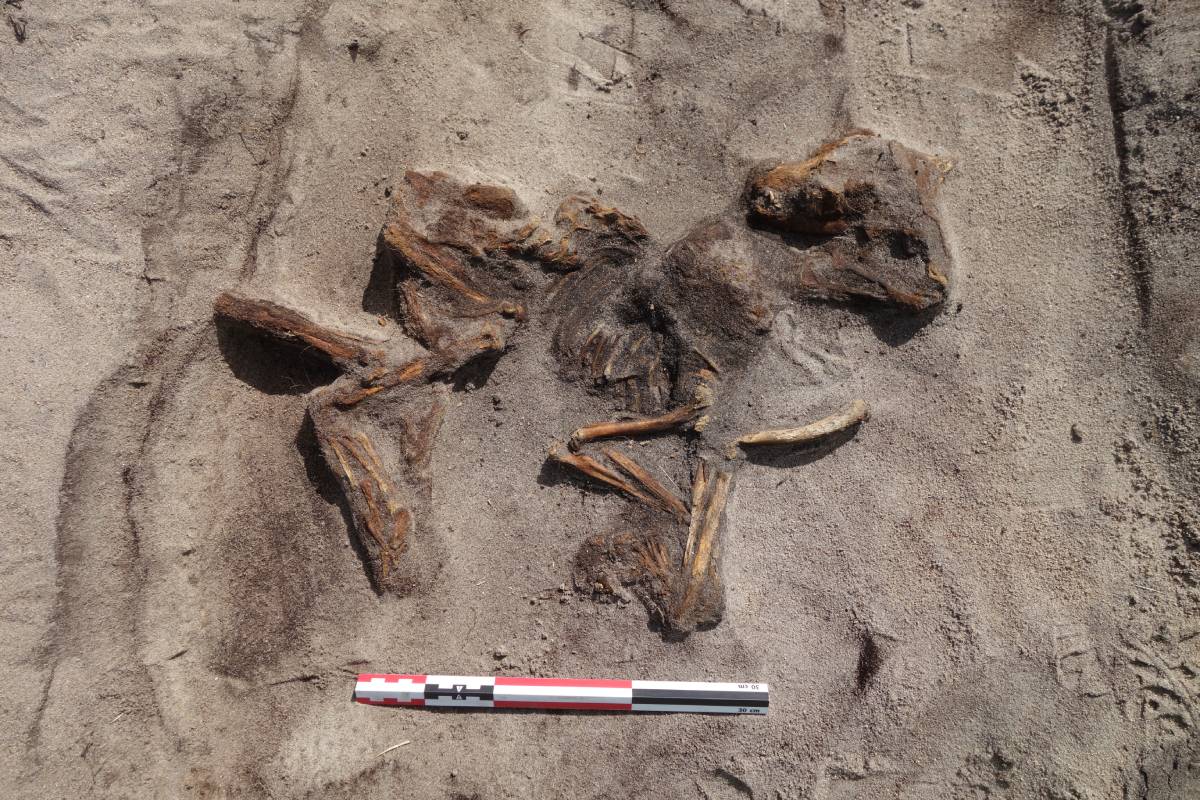
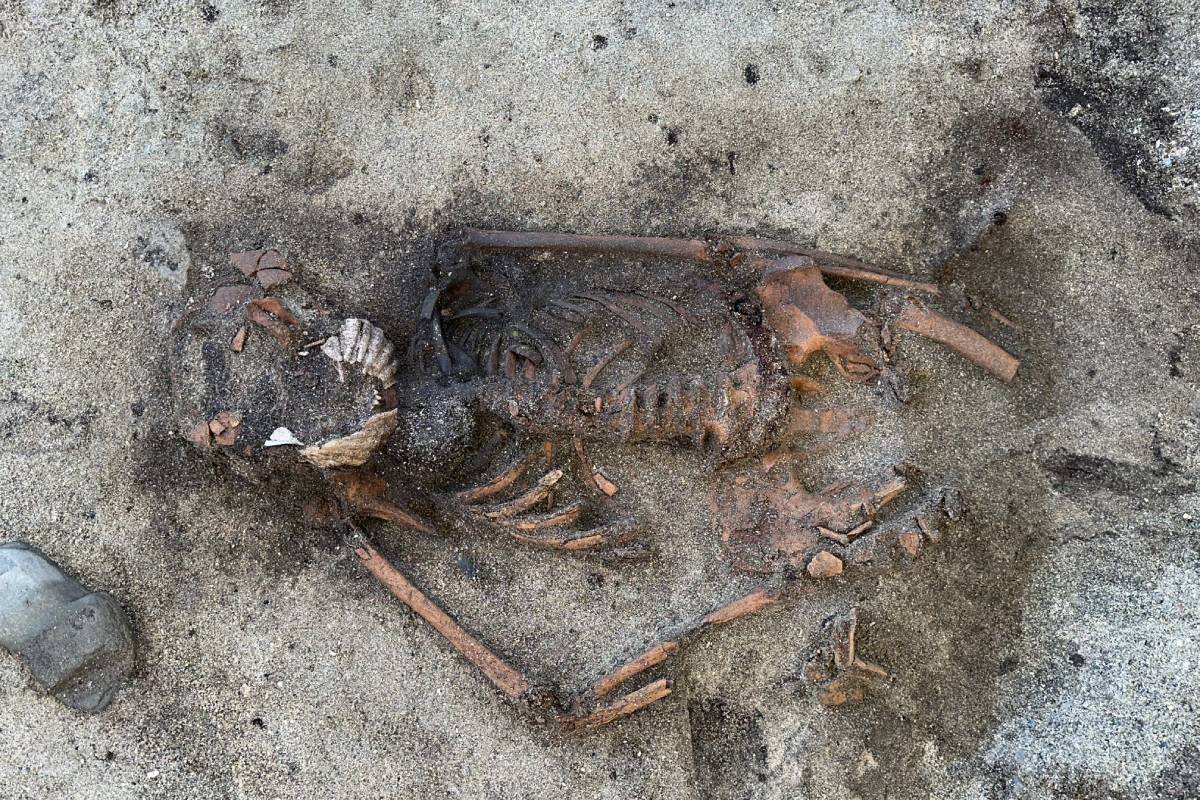
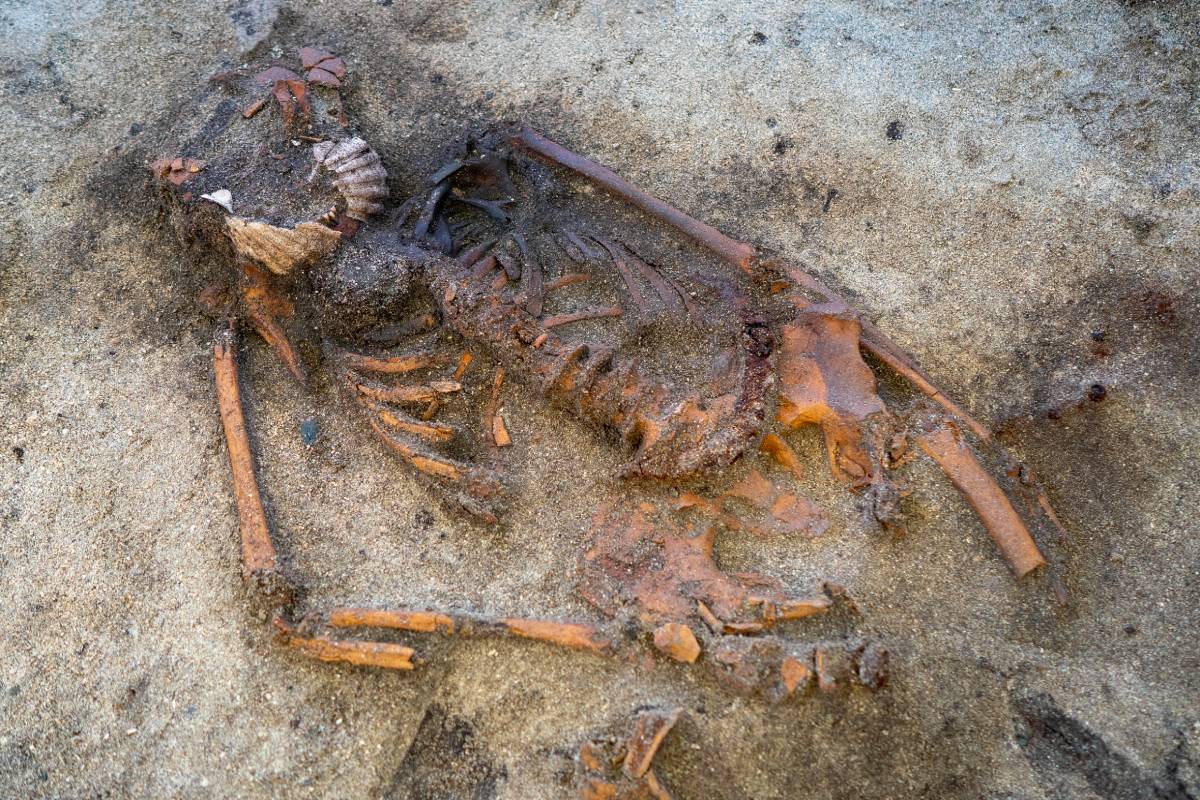
The burial of the dog alongside the woman points to the possibility of a trusted companion in life and in death. Photo: The Arctic University Museum of Norway
A faithful friend
Perhaps the most striking feature of the grave, however, is the dog lying curled at the feet of the deceased person.
So what can we say about the presence of an apparent pet in the grave of a powerful Viking Age woman?
"It certainly looks like they had a relationship of some kind," Anja admits. "Dogs and horses are actually the most common animals found in Viking Age graves. Horses are sometimes found in pieces, but dogs are usually complete."
Of course, the dog was almost certainly put down so it could rest with its owner.
"We don't know how this was typically done," Anja admits. "That would be an entirely new field of study.
"There are also different theories about why they were placed in the graves. The most obvious would be that they were companions in life, so the dog would accompany the deceased in the beyond."
"Other researchers have suggested they may have had other functions, however," Anja adds. "They may have been used to symbolically alleviate the pain of death, as a kind of transfer away from the person."
"It could also have indicated protection. In this case, however, I believe the dog was a companion to the person buried there."
"It is small, perhaps even a puppy, and it is placed by the person's feet, just like when they were alive. I think this is the most straightforward explanation."
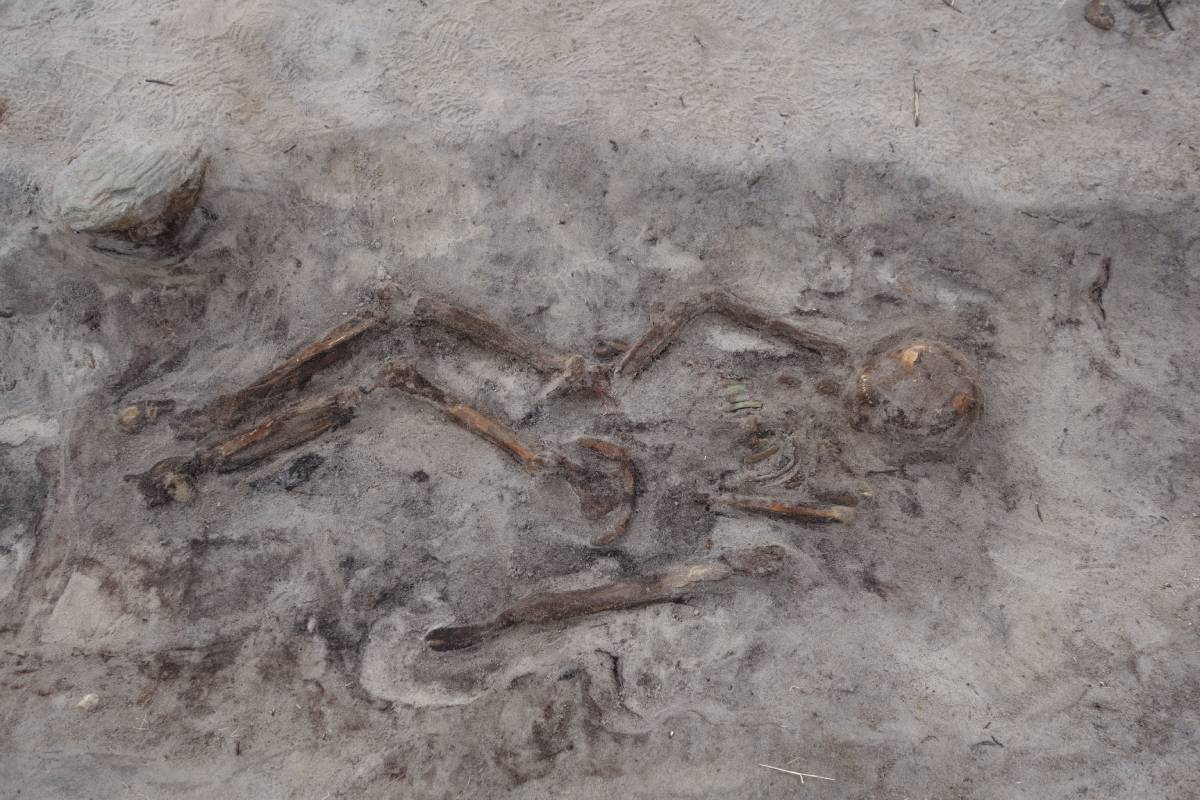
The next phase involves expert paleopathologists assessing the skeleton for age, stature, health, status, and injuries. Photo: The Arctic University Museum of Norway
A private glimpse of history
As Anja tells The Viking Herald, it is a unique task to excavate the grave of another human being from a different era.
"Personally, graves are one of the most exciting things I think we can work on as archeologists," Anja informs us.
"You are close to people who lived a long time before us. Most of the time, we are dealing with the leftovers and waste and with other kinds of materials and excavations that act more like proxies to our understanding."
"With these kinds of graves, on the other hand, we are in direct contact with people. They are right in front of you. It is an intimate experience, a kind of direct connection with the past."
"So, it's a special feeling, no doubt about that. Though you also feel a lot of respect towards them. You try to do it as delicately and respectfully as you can, to be really careful."
With the find only recently revealed, Anja stresses the importance of the work to come.
"The experts need to preserve the material in the right condition, then the analysis will start," Anja explains to The Viking Herald.
"Expert paleopathologists will look at the skeleton to sort of assess everything from age and stature to health, status, injuries, and so forth."
"There's also a lot of other scientific analysis to do, including carbon dating. It took six days to excavate this, but I estimate we need months or even years to carry out the post-excavation analysis. The real work starts now!"
We get to provide readers with original coverage thanks to our loyal supporters. Do you enjoy our work? You can become a PATRON here or via our Patreon page. You'll get access to exclusive content and early access.
Feel free to reach out to discuss potential stories that may be in the public interest. You can reach us via email at [email protected] with the understanding that the information you provide might be used in our reporting and stories.