


Whilst their seafaring abilities, whether raiding or trading, often get pride of place in our modern perceptions of people from Viking societies, this is only part of the fascinating story.
Aside from the pillaging, plundering, and profits, these people, like us, needed time to wind down and be entertained.
There were, after all, only so many times you could hear about the exploits of Freyja or Thor or listen to the dulcet tones of the local skaldic poet. Other forms of entertainment were direly needed.
Gambling and games of chance held a special place in the mostly dreary and sometimes dangerous daily lives of people in Viking societies.
Not only did they serve as fun-filled forms of entertainment, but they also provided a way to educate and test luck, skills, and wits.
These pastimes, more than just harmless fun, actually reflected the societal practices, norms, and values of the very societies that produced early medieval Europe's most feared warriors.
Let us wind the clock back to the Viking Age (c. 750–1100 CE) and look at some of the gambling practices of the Norse.
Rolling the wrist over
Entertainment today is easily accessible with just a swipe of your finger. In the early medieval period, however, it was much harder to come by.
This was an era before all the modern conveniences, like the iPhone or healthcare, and people's lives were, as Thomas Hobbes once said, mostly "solitary, poor, nasty, brutish, and short."
One of the best ways to while away the hours when your field had been harvested, the cows milked, or your village wasn't under attack from marauding warriors was dice games.
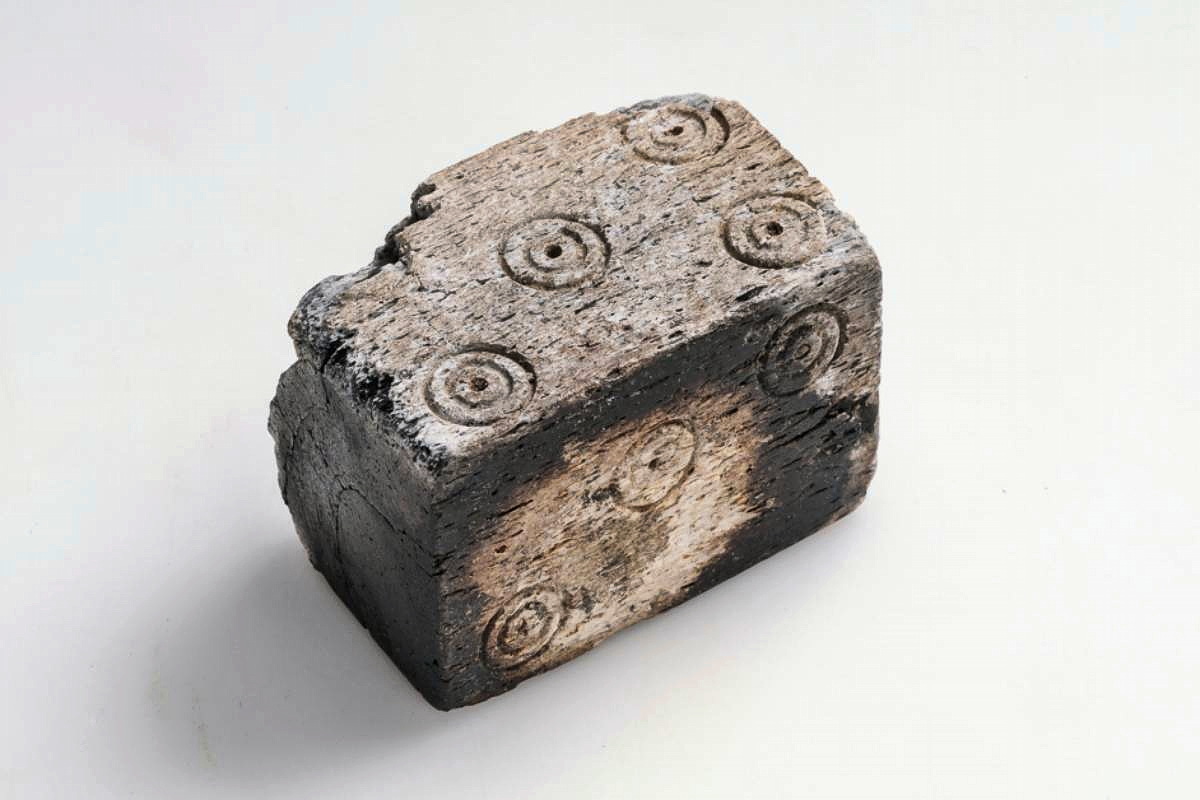
Dice pieces were often fashioned or whittled from bone or antlers, both in plentiful supply in agricultural and pre-industrial societies throughout the Scandinavian Peninsula.
Archeological excavations from places like Birka (in modern-day Sweden) and Hedeby (then part of the burgeoning Danish kingdom but now part of northern Germany) have uncovered dice with markings similar to modern ones, suggesting the use of six-sided dice in games.
One remarkable find from Birka's famous Bj 581 grave – a burial of a high-ranking female, possibly a warrior – contained 28 game pieces, three dice, and what is presumed to be the iron frame of a game board.
These items, wrapped in a bag alongside weapons, fine textiles, and other symbols of status, suggest that games of chance and strategy were not only a form of leisure but also carried cultural and possibly ritual significance.
There is no doubt, however, that these games, like their modern equivalent, could have high stakes – perhaps expensive livestock, jewelry, or even social standing changed hands on the simple roll of dice.
The very presence of dice in such an elaborate burial hints at their importance not just as entertainment but as a reflection of the individual's life and priorities.
Sadly, we have no detailed records of the exact rules or regulations of these simple games of chance, as they have been lost, like many a fortune, to the tides of history.

Found in Birka's famous Bj 581 grave, 28 game pieces, dice, and a game board frame reflect the value of gaming in Viking Age life. Source: Hjalmar Stolpe (1841–1905)
Playing at the king's table
One of the most perplexing Viking games we have yet uncovered is Hnefatafl.
Resembling modern chess, this board game saw one player control a king and his defenders whilst the other player controlled an attacking army.
The aim of the game was to either capture the king or plot the king's escape to the edge of the board.
Again, we have few detailed records of the exact rules and regulations, and much of the knowledge and popularity of this game's workings has been largely based on guesswork.
As Mark A. Hall writes in his 2011 book, A History of Everyday Life in Medieval Scotland (available on Amazon here), Hnefatafl game pieces and boards have been found across the wide range of the once Viking world.
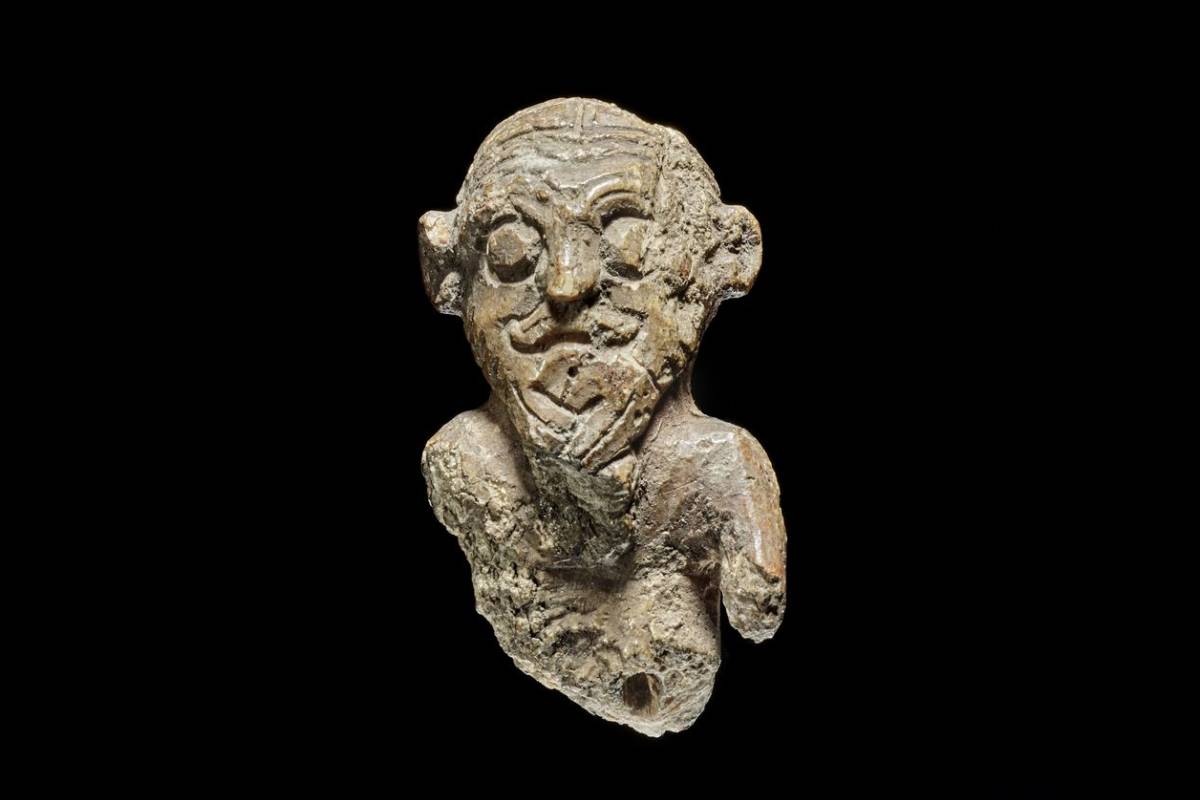
Whilst pieces were uncovered at Jelling (in Denmark) and Gokstad (Norway) – the Viking heartland – archeological traces of the game have been uncovered as far afield as Wolin, in modern-day Poland (thought to be the location of the famous fortress of the Jomsvikings), and York, in England (once the capital of Viking-controlled England).
Like dice games, great sums of money, goods, or perhaps even slaves (slavery was an economically and socially important part of Viking societies) could have been bet on a game of what has been dubbed, in English, The King's Table.
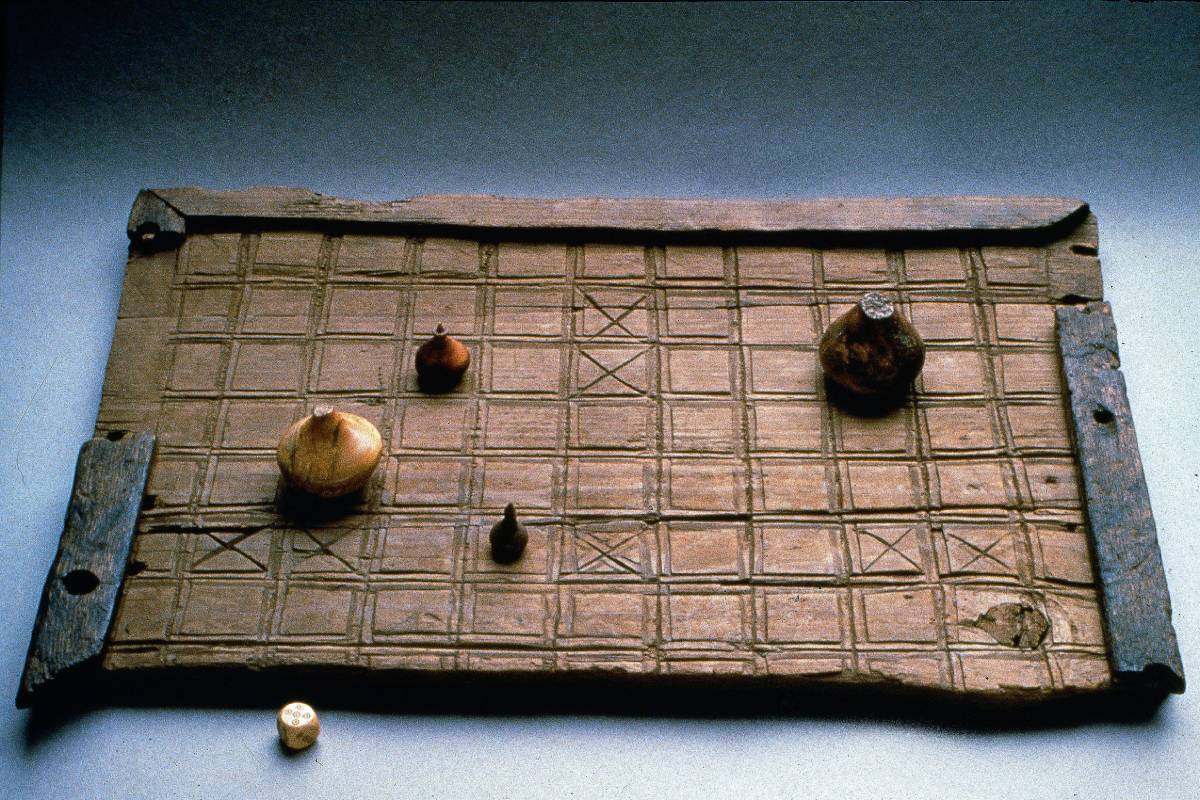
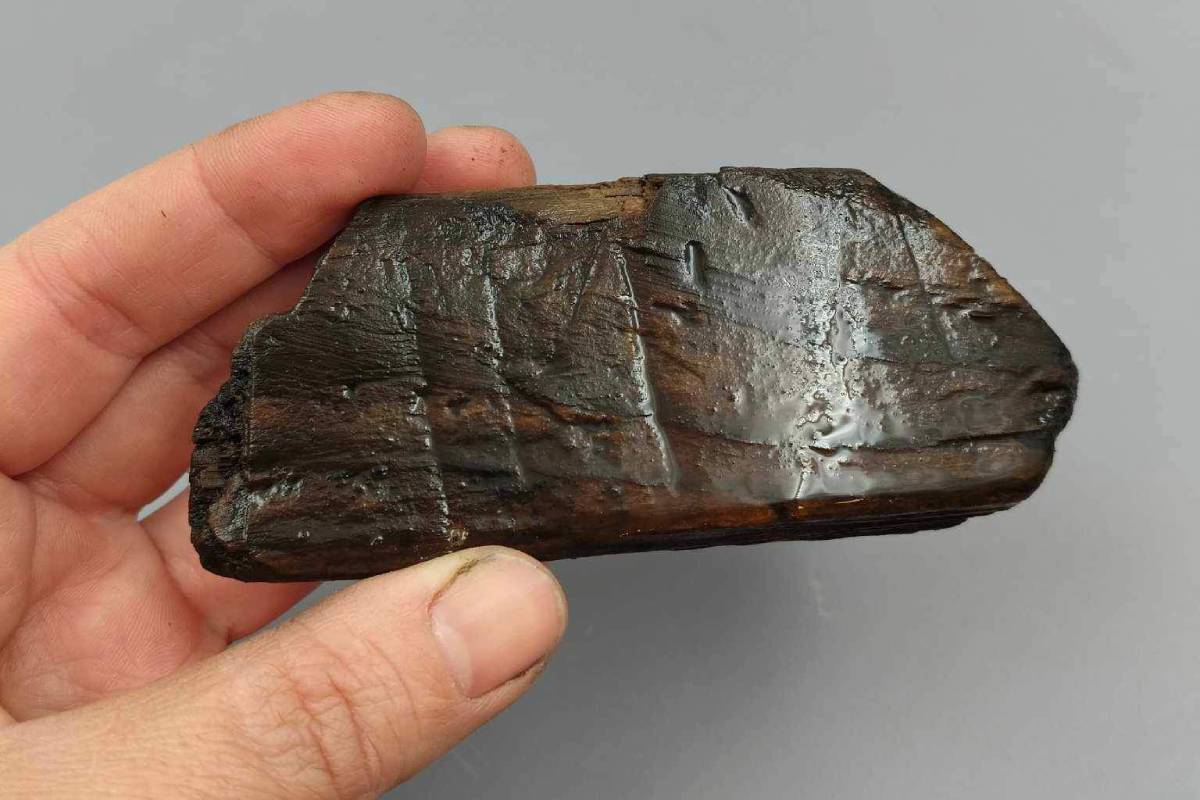
This Hnefatafl board dating to the 1100s, along with 1200s bone gaming pieces, was excavated in Trondheim, Norway. Source: Åge Hojem / NTNU Vitenskapsmuseet
Gambling is about chance and fate, chaos and order
Aside from board and dice games, we believe that gambling was an inherent part of Viking societies.
We know that Viking society was a three-tiered system between Thralls (slaves), Karls (free people), and Jarls (the nobility).
Gambling was more than mere entertainment in Viking societies – it could act as a social equalizer.
In theory, Thralls might have changed hands or even gained their freedom through games of chance, while mighty Jarls could lose their wealth, power, and prestige with a roll of a die or a quick game of Hnefatafl.
Given their fatalistic view of life, it is no surprise that people in Viking societies embraced gambling, often with high stakes.
In an era rife with physical and sexual violence, societal insecurity, and a lack of modern healthcare, gambling reflected their appreciation for the invisible hand of fate.
There was also the underlying tension between fate and skill, mirroring the Norse cosmological worldview of an eternal struggle between order and chaos, with we mere mortals caught helplessly in the middle.
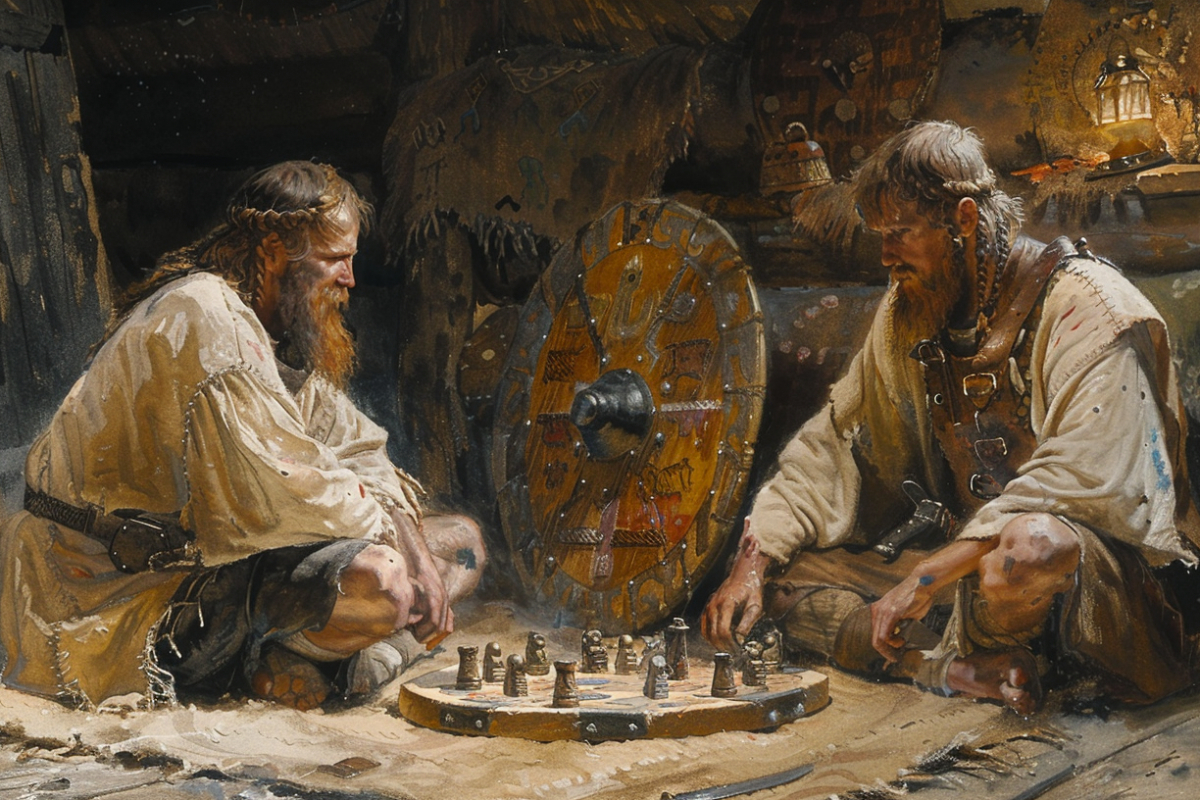
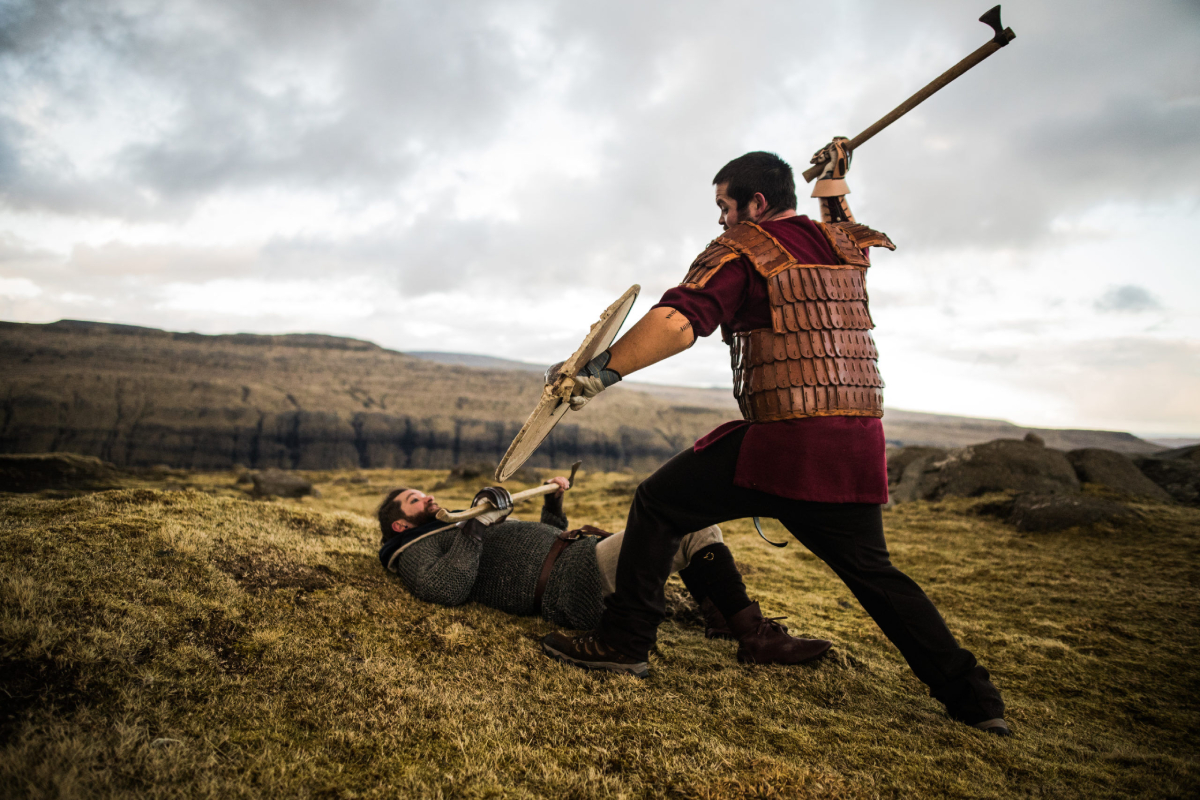
The strategic nature of Viking games mirrored the tactical skills valued in warfare and leadership. Source: The Viking Herald
A lighter side of the "Dark Ages"
The gambling practices of people in Viking societies show us how these societies were interested in much more than death, glory, and pillaging.
One of the pitfalls of reading or studying history is that it can be hard to put ourselves in our ancestors' shoes.
By analyzing the gambling practices of people in Viking societies, we can see that they, like us, enjoyed fun forms of entertainment and moments of leisure.
Gambling could result in fortunes won or lost, a change in one's social standing, or simply a way to spend a few hours of thrilling fun, showing a lighter side to life in the so-called "Dark Ages."
Discover more about Viking games and recent finds from Oslo’s Medieval Park on Science Norway here.
We get to provide readers with original coverage thanks to our loyal supporters. Do you enjoy our work? You can become a PATRON here or via our Patreon page. You'll get access to exclusive content and early access.
Feel free to reach out to discuss potential stories that may be in the public interest. You can reach us via email at [email protected] with the understanding that the information you provide might be used in our reporting and stories.



.jpg)