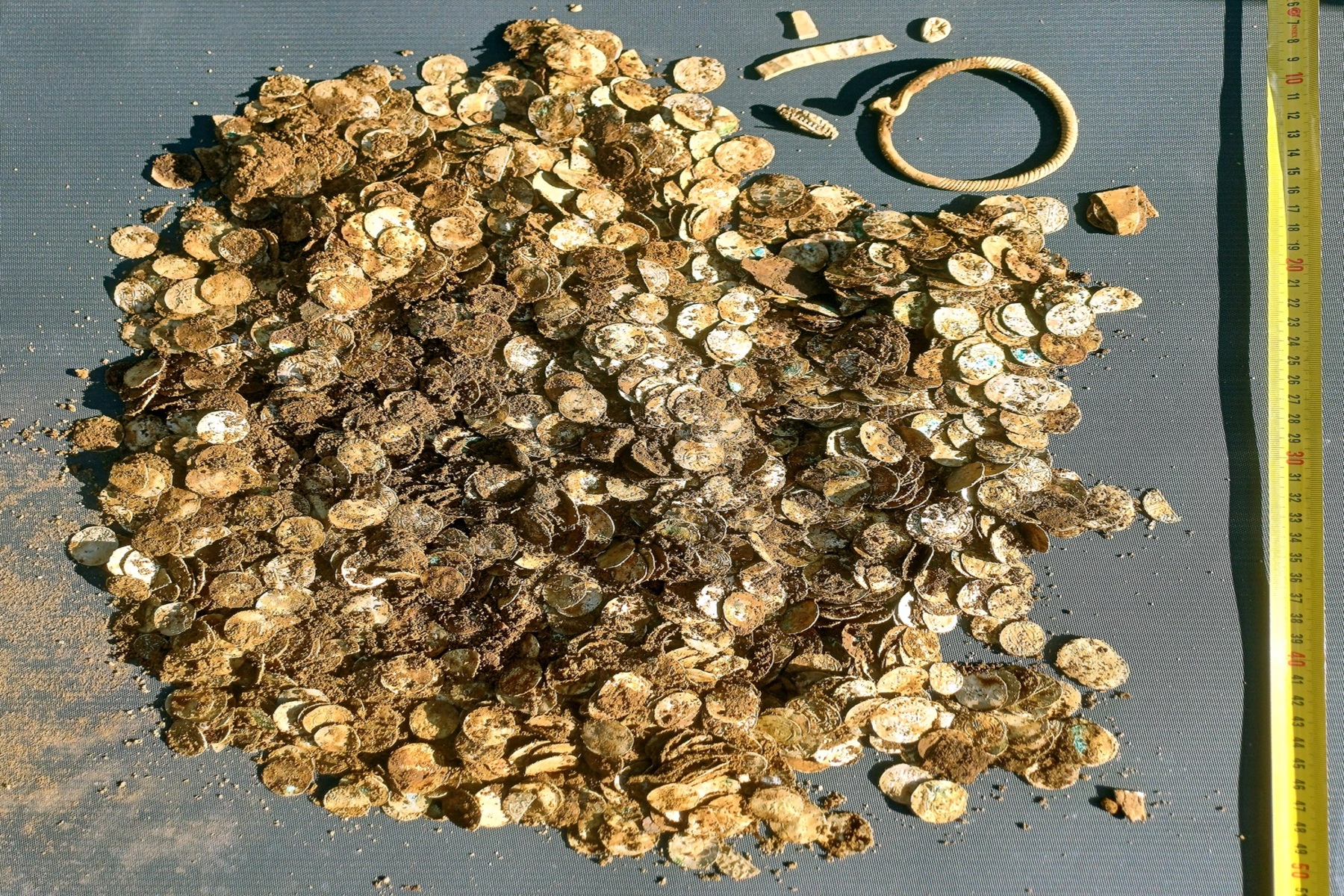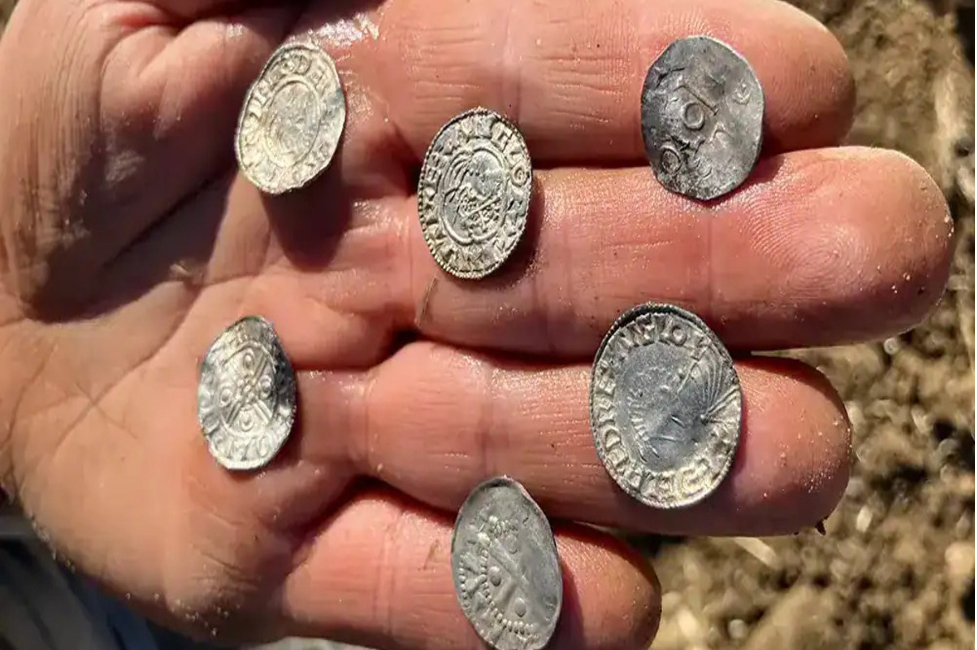


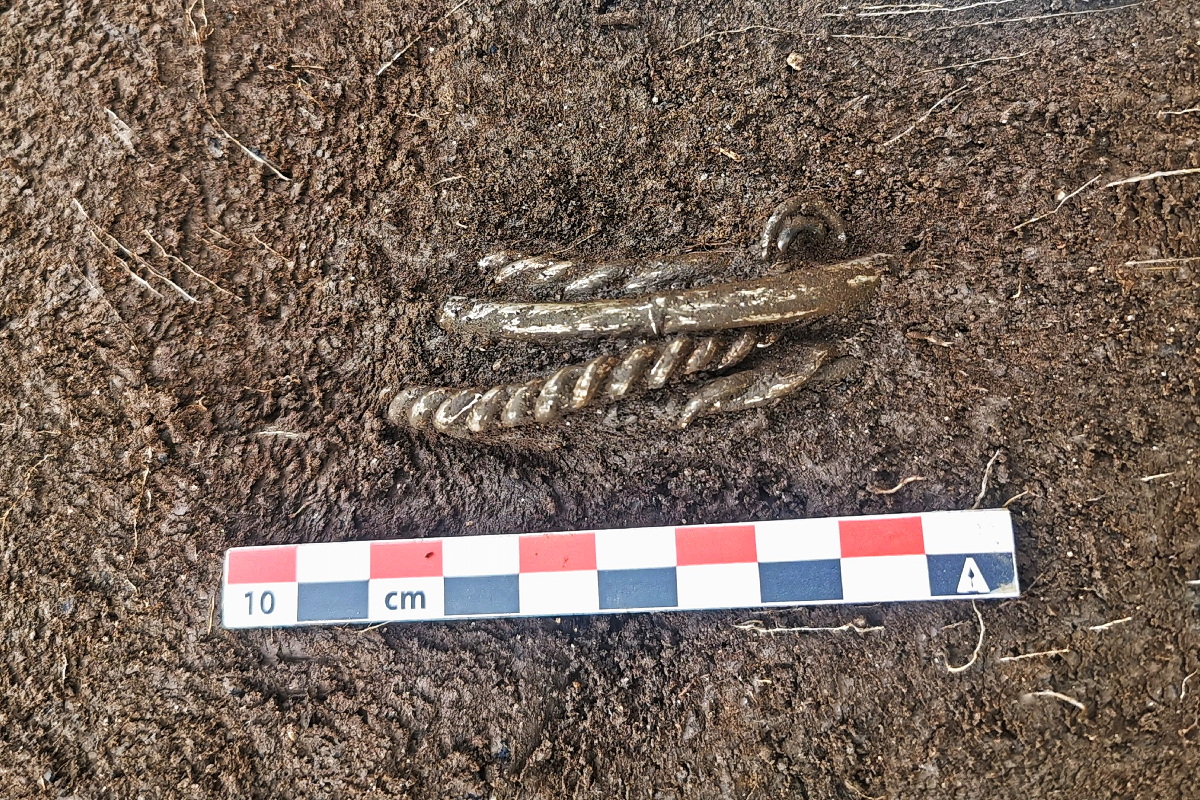
Archeologists working in the municipality of Årdal in Vestland County have uncovered a cache of silver bracelets that one archeologist has described as the biggest find of his career.
Although a full analysis has not yet been carried out, the treasure is thought to date from the Viking Age and may have been buried during a local skirmish.
A key position
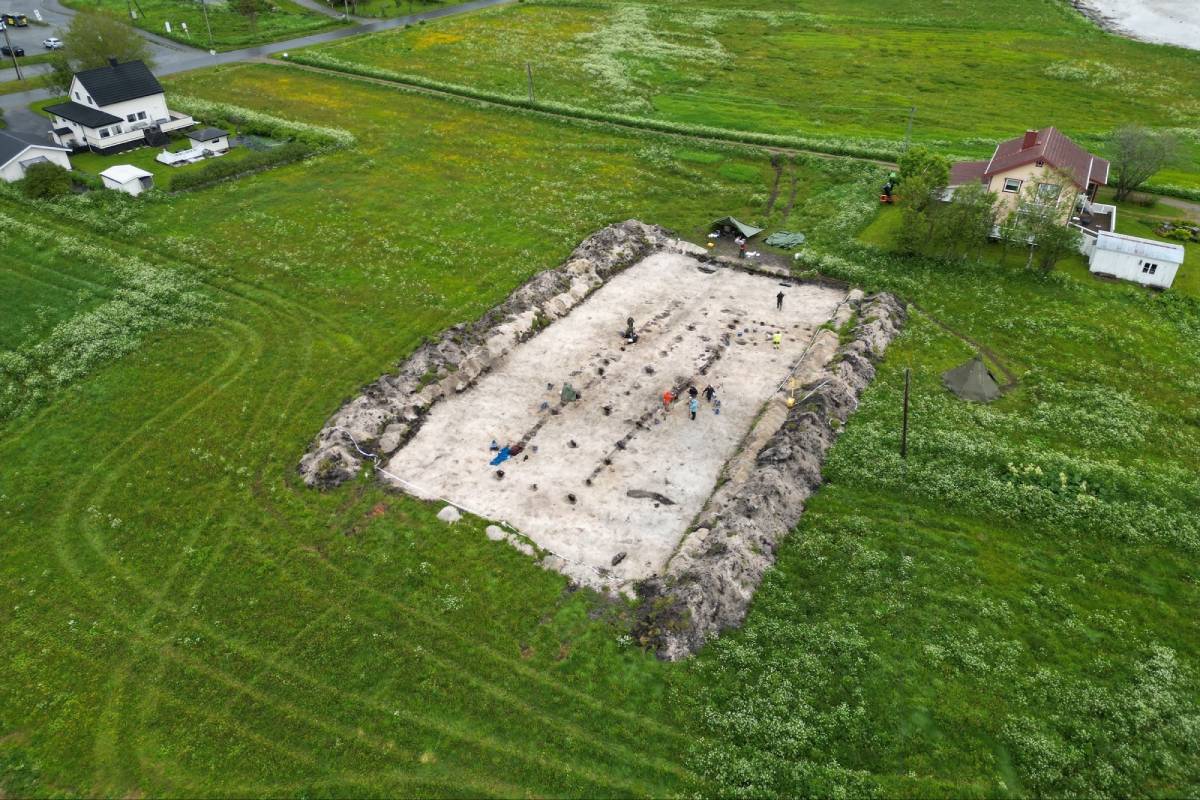
The excavation work on the farm is being carried out after a farmer, Tårn Sigve Schmidt, decided to build a new road on his farm for his tractor.
Archeologists were then asked to investigate the area–a standard procedure before new construction.
Over the last few weeks, a picture has begun to emerge of a potentially significant settlement.
Speaking to the University of Stavanger website, the archeologist Volker Demuth, project manager at the Museum of Archaeology in Stavanger, explains that there was much to discover.
"The excavation shows that there was a large and powerful Viking farm here, consisting of several houses for both people and animals," he comments.
"We have found remains of soapstone pots, rivets, knife blades, and whetstones for sharpening tools. Here, they had full control of the entry into what is today Årdal."
Indeed, because it is located adjacent to Årdalsfjorden, an inlet in central Norway, the farm at Årdal could have been of major strategic importance during the Viking Age.
- READ MORE: A Viking history of Norway (Part 1)
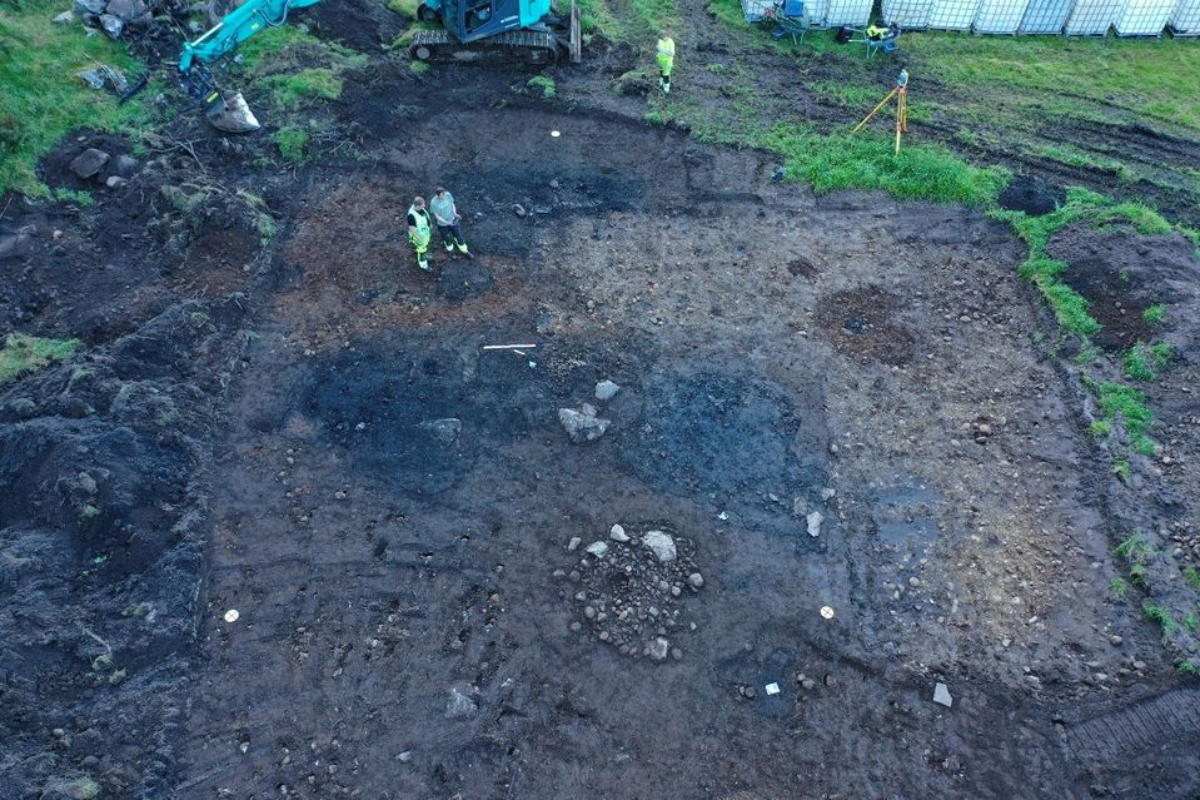
The bracelets were found buried about 20 centimeters under the floor of a small house on a Viking farm. Source: The Eli Gil Bell / Arkeologisk museum / UiS
Something special
Despite the emergence of evidence of several buildings at the site, field archeologists Mari Krogstad Samuelsen and Ola Tengesdal Lygre were nevertheless amazed to come across the bracelets.
"At first, I thought it was a question of some twisted copper wires that you can often find in agricultural land," Lygre commented to the University of Stavanger.
"But when I saw there were several lying next to each other and that they were not copper at all, but silver, I realized we had found something exciting."
As the archeologists removed the find from the earth, they saw a total of four heavy silver bracelets.
The bracelets were found buried together about 20 centimeters under the floor of what was a small house, which is thought to have belonged to the enslaved people on the Viking farm.
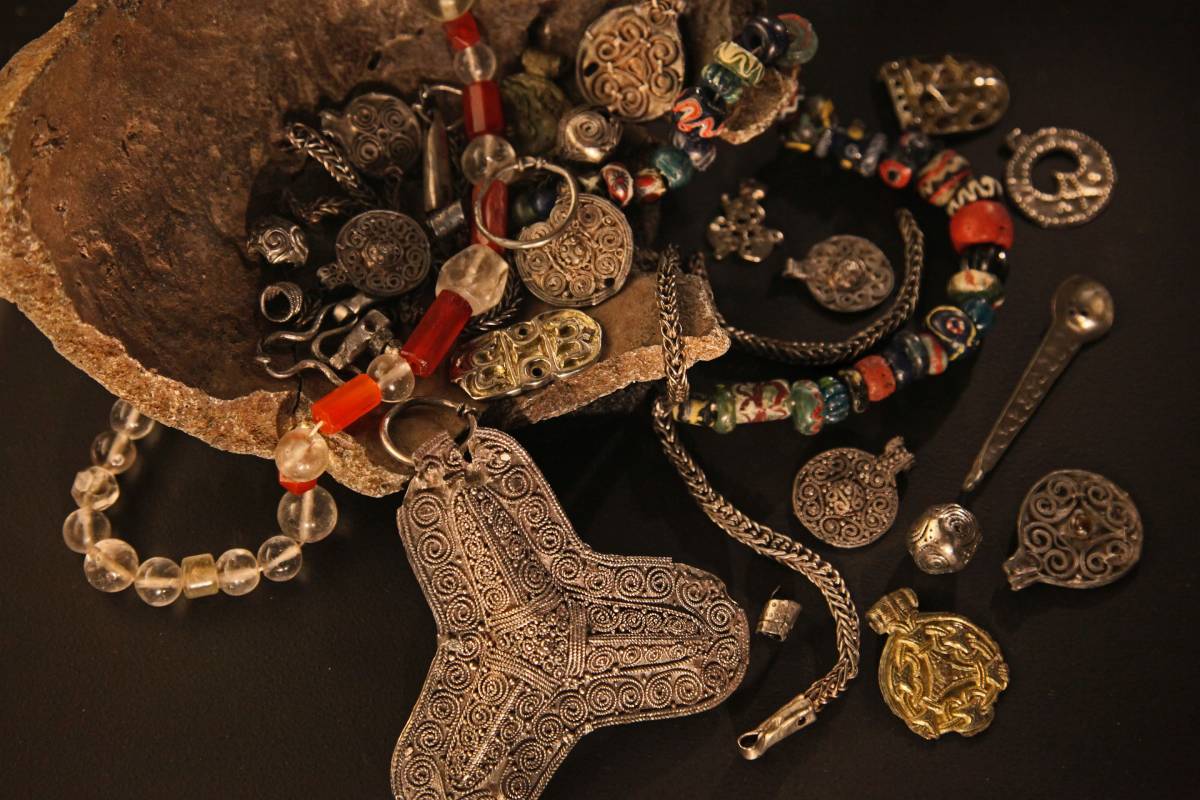
The bracelets feature several unique designs that appear to confirm that they are from the Viking Age.
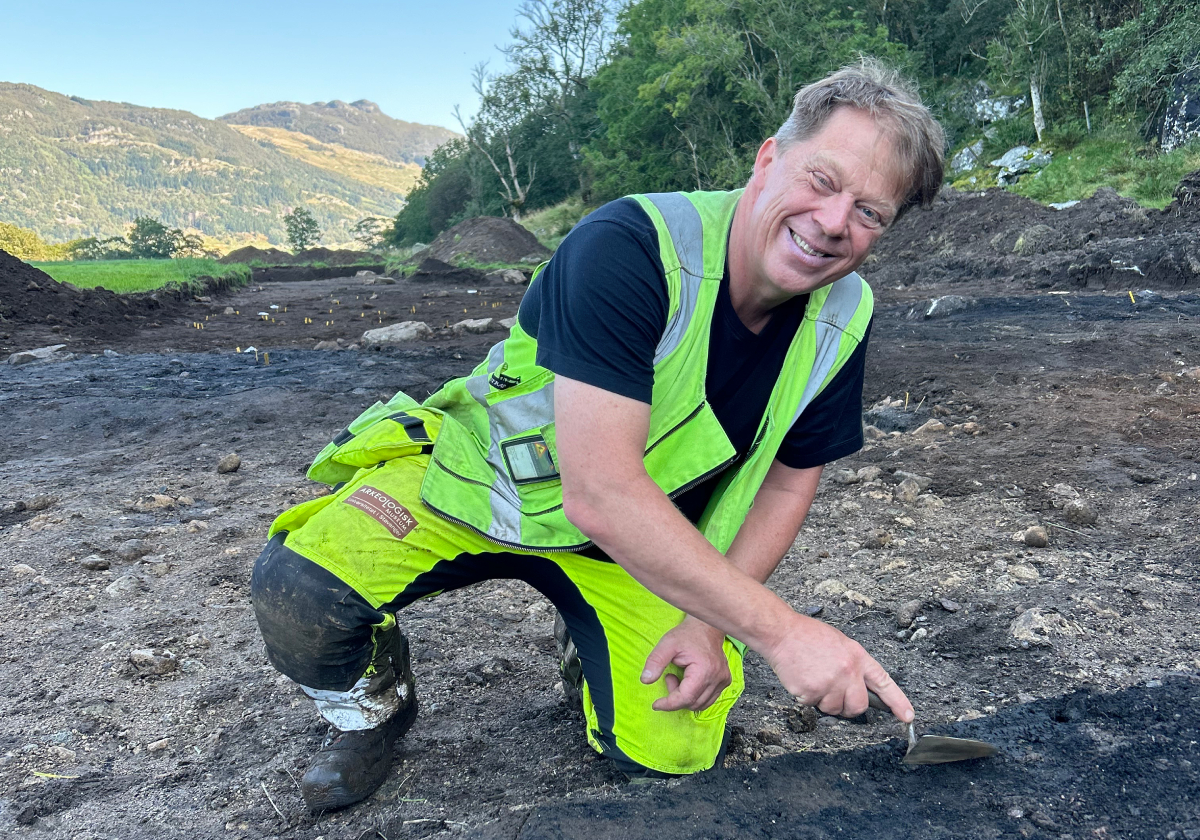
After discovering Viking silver, archeologist Volker Demuth is expanding the excavation he leads in Årdal. Source: Anniken Celine Berger / Arkeologisk museum / UiS
"A unique find"
Although nothing else has been found in the exact area where the bracelets were unearthed, the excavation has now been extended due to the significance of the discovery.
"This is definitely the biggest thing I have experienced in my career," says Demuth. "This is a unique find because we very rarely find such objects exactly where they were placed."
"As a rule, such valuable objects are discovered on fields that have been plowed, where an object has been completely taken out of its original context."
"Since the silver hoard has not been moved, it can give us completely new insights into life and society in the Viking Age."
It is also clear from the excavation that the farm was razed to the ground at one point.
The archeologists have speculated that whoever buried the treasure might have done so due to fear of an impending attack.
"If people who lived on this farm had to flee from an attack, it would be natural to hide away the valuables you had before escaping to the mountains," says Demuth.
"Perhaps in a place where you wouldn't have thought that a treasure was hidden."
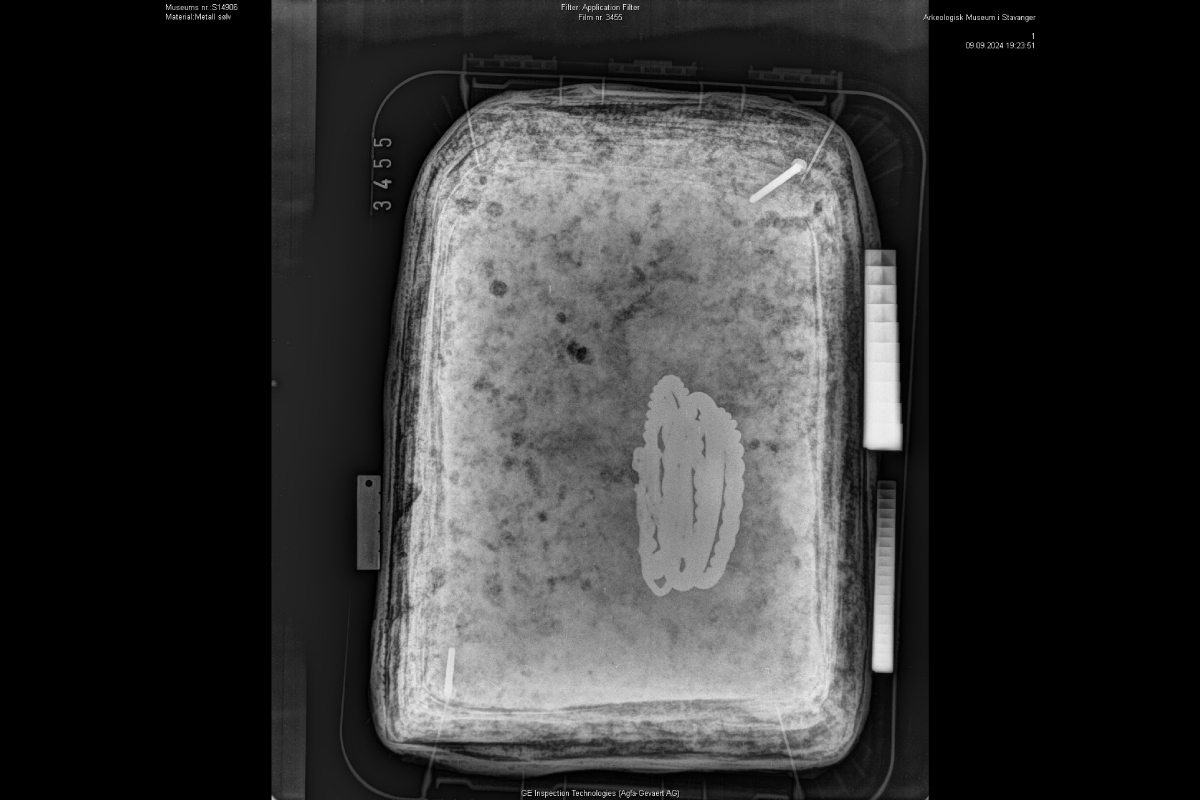
The four bracelets display different shapes and decorations, as revealed by X-ray imaging. Source: Arkeologisk museum / Universitetet i Stavanger
Soon to be on display to the general public
The team believes that the bracelets date to around the 9th century, though this assertion is subject to confirmation.
The archeologists have also noted that the four bracelets have much in common with some silver necklaces that were also found in the same region in 1769, and believe there may be a connection between the two.
The block of earth containing the four silver bracelets has now been transported to the Museum of Archeology for in-depth analysis.
Conservators have already taken X-rays of the artifacts and will subject them to further tests, including the examination of soil samples.
Once the analysis is complete, the finds will then be put on display at the museum.
"This is an absolutely fantastic find, which gives us completely unique knowledge about one of the most central eras in Norway, namely the Viking Age," comments museum director Ole Madsen.
We get to provide readers with original coverage thanks to our loyal supporters. Do you enjoy our work? You can become a PATRON here or via our Patreon page. You'll get access to exclusive content and early access.
Feel free to reach out to discuss potential stories that may be in the public interest. You can reach us via email at [email protected] with the understanding that the information you provide might be used in our reporting and stories.