


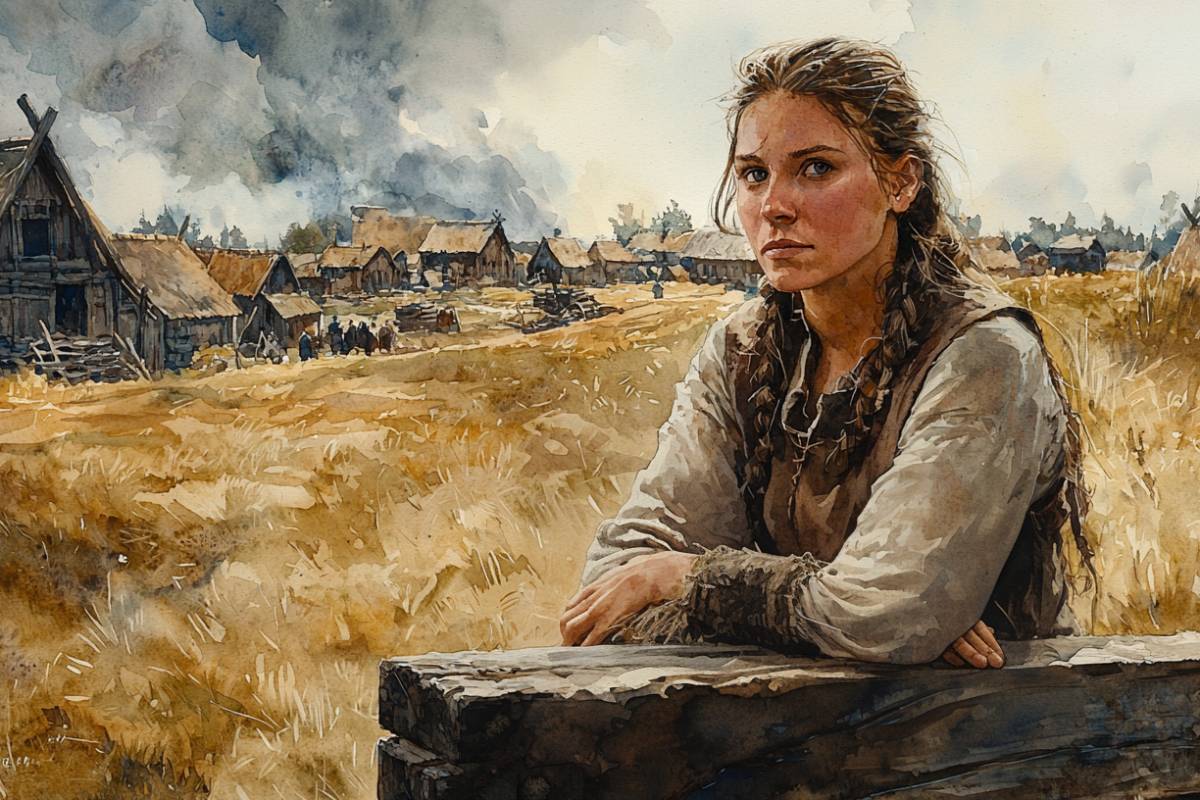
A new academic paper from Shanna Bryman argues that the role of women in Viking society is far more complex than previously thought.
Bryman notes that women performed a large number of roles in the Viking Age and that many "housewives" were influential members of society, often vital to economic and social development.
Embracing complexity
Bryman, a PhD student at the Institute for Northern Studies at the University of the Highlands and Islands in Scotland, has published her findings in the article Power and Legacy: Re-evaluating Women's Roles and Leadership in Viking Society.
Bryman argues that while the tendency is to assign simple labels to people in historical societies, the reality is often much more complicated. As she points out, this is particularly true when it comes to the role of women in Viking society.
In many cases, analysis has tended to confine women to simple domestic roles. Yet women in Viking society performed a variety of functions and had influence in many areas of life.
In particular, Bryman notes that while the housewife's status was inextricably linked with that of her husband, housewives often possessed a large degree of autonomy, particularly in more wealthy families.
In many instances, they fulfilled a number of roles that were crucial to the functioning of society and, in some cases, enjoyed a notable degree of power.
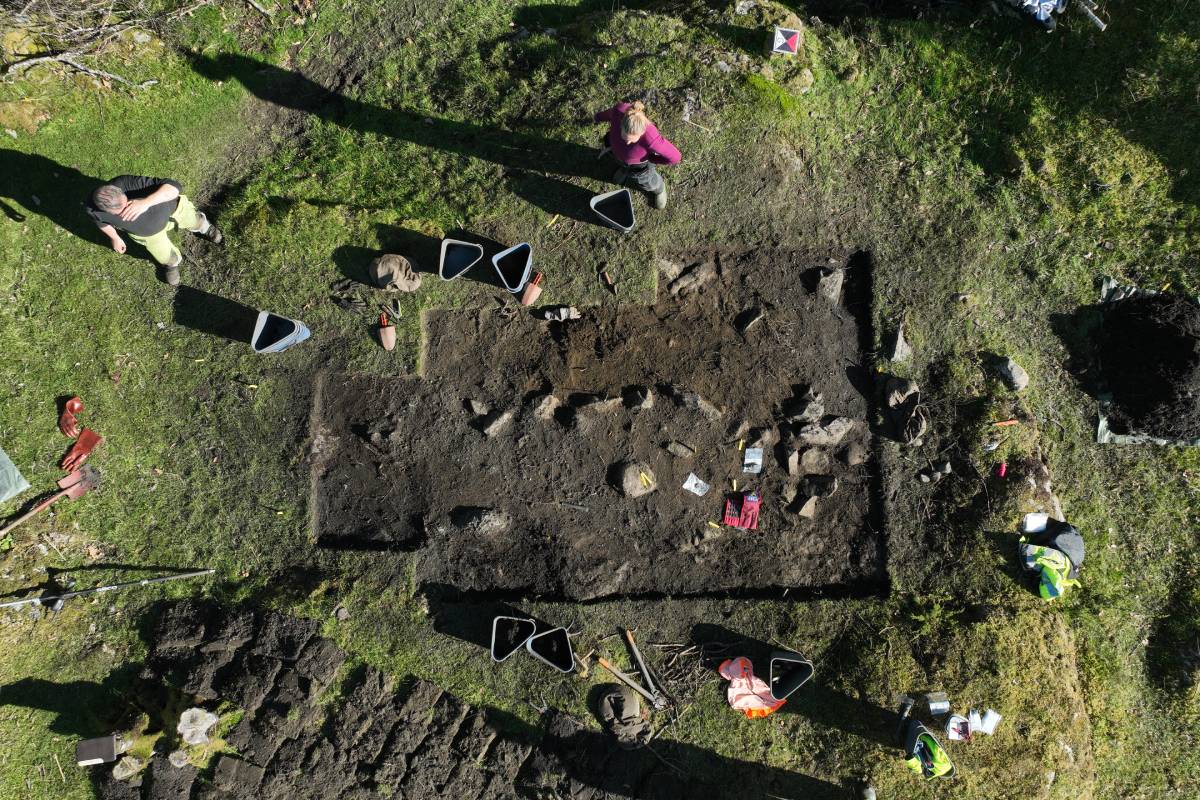
The recently discovered Skumsnes archeological site in Norway revealed a burial with symbols of female authority and economic control. Photo: The University of Bergen
The household and beyond
As Bryman points out, the housewife, or "húsfreyja", was primarily responsible for managing the household.
Yet, in this era, the concept of the household had a broader meaning, and the responsibilities of the húsfreyja often encompassed important economic activities.
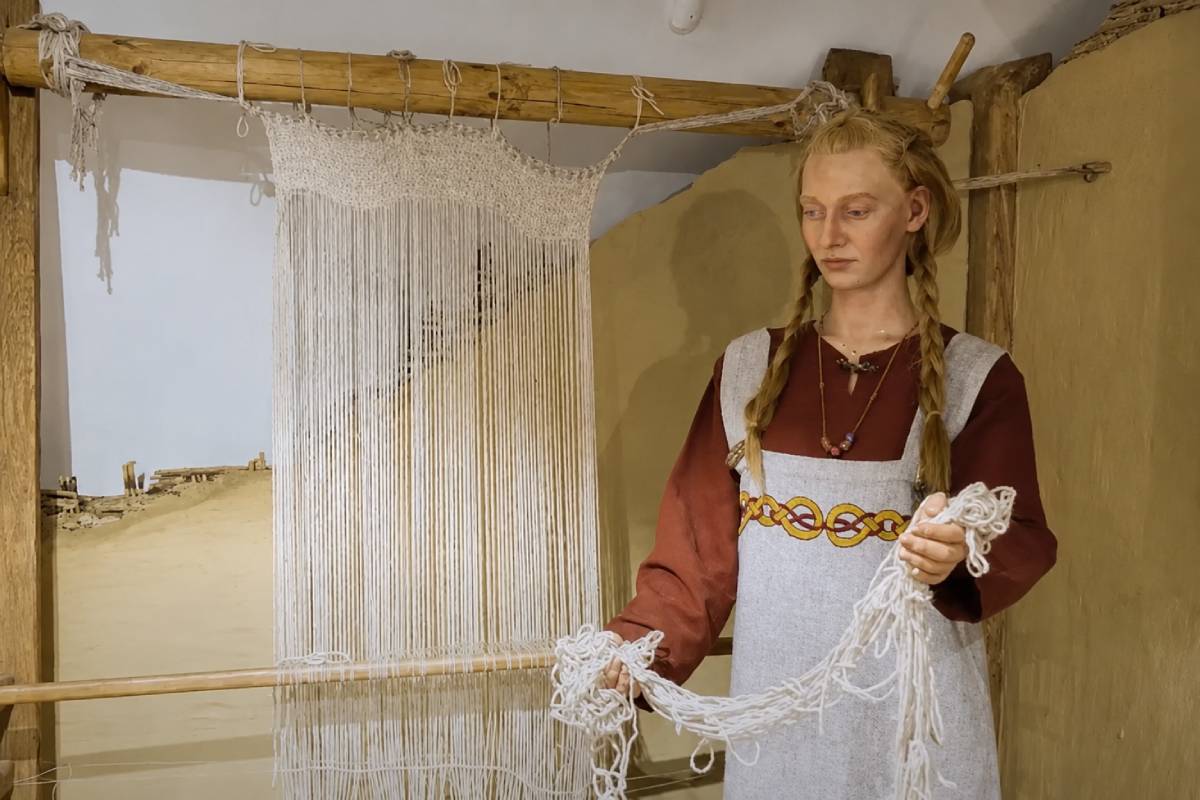
If, for example, a given household was involved in textile production, the húsfreyja would be responsible for managing the production line and dealing with working staff or slaves.
This observation echoes a recent find in Norway.
As reported by The Viking Herald, the grave of a female found at the Skumsnes archeological site contained both a stone with a vulva carving and a key that signified the woman's responsibility for the household.
The artifacts were found alongside several tools related to textile production—a symbol of the woman's control of a major area of income.
- READ MORE: Five Viking queens who shaped history
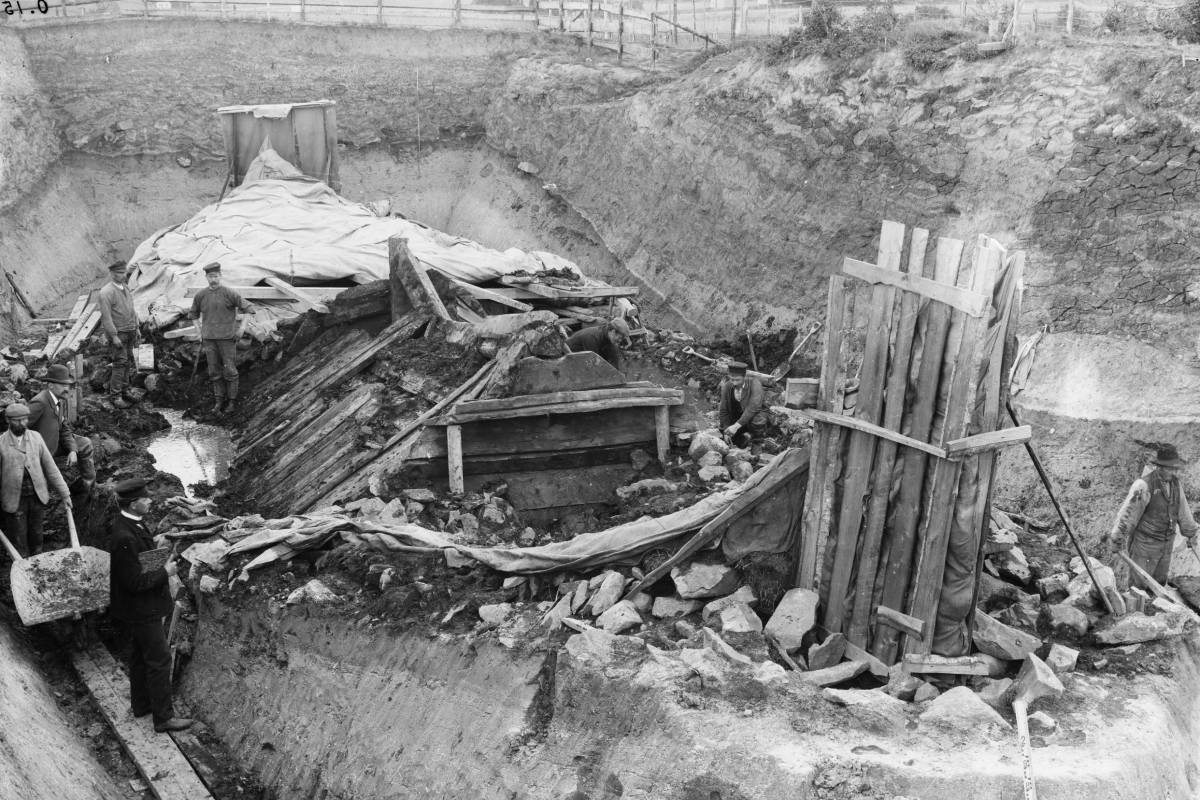
The Oseberg burial challenges assumptions about gender roles by placing two women at the center of a monumental grave. Photo: Kulturhistorisk museum (CC BY-SA 4.0)
Part of the ruling class
Yet Bryman also argues that the idea of a clear and fixed division of labor between the "outdoor realm"—where men were responsible for activities such as fishing, agriculture, trade, and political governance—and the household for women is too simple an approach.
As she notes, women who inherited land or wealth after the death of their husband or relative, for example, could become leaders themselves in economic and social terms.
Indeed, Bryman states that ten percent of the participants at things—Viking gatherings to decide rules and pass judgments—were women.
This elevated status appears to be reflected in the fact that several runestones contain notable dedications to women.
Similarly, to the best of our knowledge, the Oseberg grave burial, a famous and highly notable display of ostentatiousness, was created as a tribute to the two women (or at least one of the two women) found inside.
Bryman believes there has been a tendency to downplay the role of women in the Viking Age.
As an example, she notes that male leaders are known as "goði" in Old Norse, while their female equivalents were called "gyðja."
While both were known to have performed religious duties, "goði" is usually translated as "chieftain" or "priest," yet "gyðja" is usually only translated as "priestess."
In other words, there is an assumption—in contrast to the available evidence—that only a man would ever perform a leadership role.

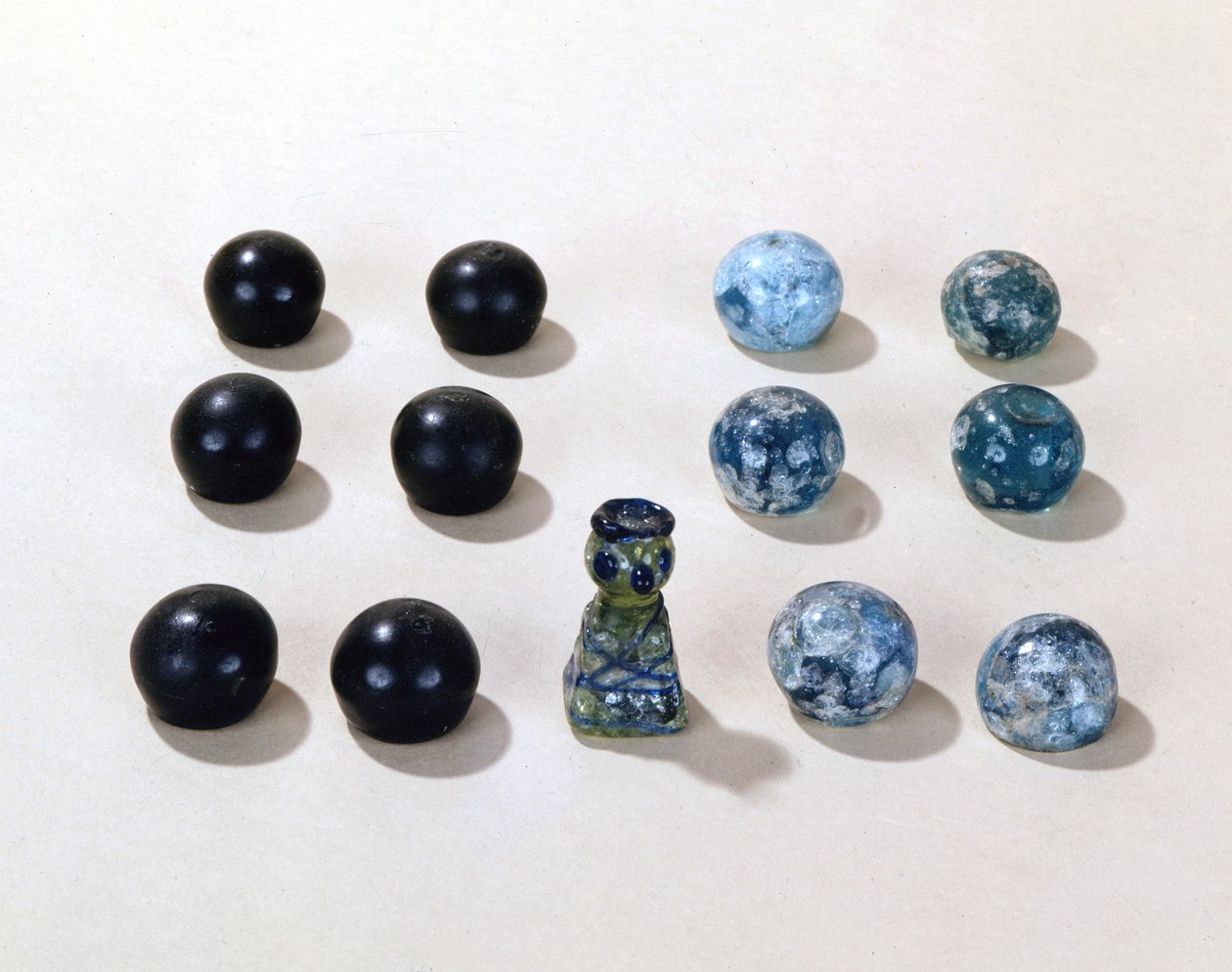
Grave Bj 581 at Birka sparked new debate about Viking gender roles after a supposed warrior burial was found to contain a woman. Illustration: Hjalmar Stolpe (1841–1905)
Looking deeper
Bryman argues that a similar bias or preconception is at play in the argument about female warriors in the Viking Age.
Bryman cites the famous case of grave Bj 581 at Birka, where a warrior grave was assumed to belong to a male for over a century before genetic analysis confirmed that it actually belonged to a female.
In reality, very few people in Scandinavian society during the Viking Age functioned solely as warriors.
Instead, in many cases, they would have worked predominantly in other roles, such as farmers or traders, and would only have taken up arms in specific circumstances.
In this context, it makes sense that some women would have been expected to fight in times of necessity.
Bryman is currently working on a doctoral thesis in the same area. She argues that this research will help us to view women not as passive supporting characters but as active and influential members of society.
By doing so, we will be able to form a more nuanced and historically accurate view of their role.
We get to provide readers with original coverage thanks to our loyal supporters. Do you enjoy our work? You can become a PATRON here or via our Patreon page. You'll get access to exclusive content and early access.
Feel free to reach out to discuss potential stories that may be in the public interest. You can reach us via email at [email protected] with the understanding that the information you provide might be used in our reporting and stories.



.jpg)
