

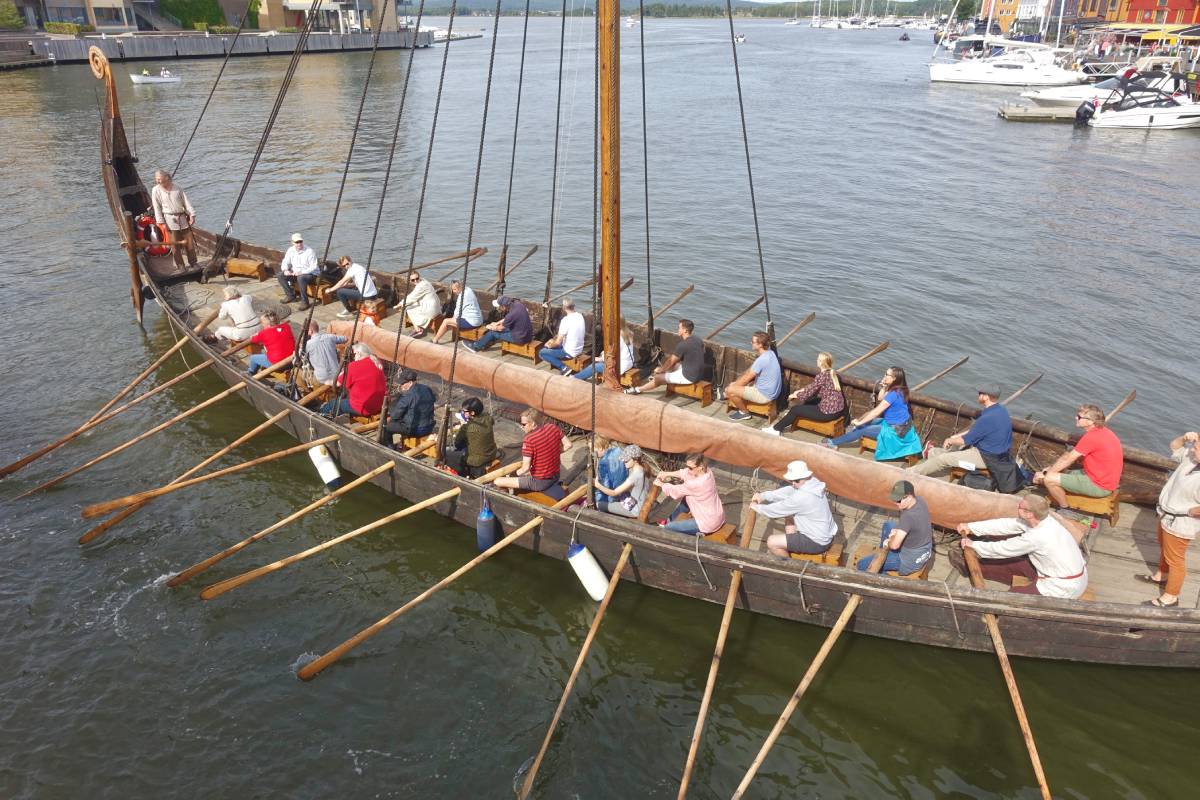
This article is the second of two responses to a question submitted by our Patron Bruce Rose. Part one looks at how Norwegians engage with Viking heritage today, and you can find it here.
Norway today is one of the most prosperous and progressive societies in the world.
Fueled by smart strategic decisions by generations of governments to invest and spend oil revenues wisely, this small Scandinavian country of just over 5 million punches above its weight in global politics, progressivism, and humanitarian aid.
When not peacefully exerting its influence overseas, at home, Norway is one of the safest societies and most secure democracies in the world. People can live freely and prosper peacefully whilst exercising their democratic rights securely in an era of creeping authoritarianism.
Over the course of the past half-century or so, however, it has experienced a totally new historical trend: immigration.
For much of the Scandinavian nation's recent history, especially during the 19th and early 20th centuries, there was a population drain and people left in hordes (not of the Viking kind, thankfully) to seek their fortune elsewhere, largely in North America.
Suddenly, in the late 20th century, a discovery turned this nation of emigrants into an attractive prospect for immigrants the world over.
North Sea oil and immigration
Since gaining freedom and independence in 1905, Norway's most important modern event has been the discovery of vast oil reserves in the North Sea in the late 1960s.
Rather than becoming a society of spendthrifts, successive governments, of all political stripes, invested these revenues wisely in their people and built the foundations of a welfare state that turned Norway into one of the most prosperous, harmonious, and equal societies in the world.
The economic boom of the North Sea discovery, along with the social security and safety assured by the state, has seen Norway become a desirable destination for immigrants since the late 1960s.
This immigration surge may now be in its third successive generation, but it has totally transformed Norway into a society where, as Grete Brochman notes in a 2025 article in the journal Migration Information Source reporting 2024 figures, 16.8% of the population in 2024 was "foreign-born," whilst immigrants and their children account for about one in five people living in Norway.
Whilst immigration has influenced every aspect of modern Norwegian life, from politics to language to food and fashion, it has also shifted how Norwegians relate to their history and especially how they view their Viking heritage.

The discovery of North Sea oil in the late 1960s marked a turning point in Norway’s modern history. Photo: Knudsens Fotosenter (CC BY-SA 4.0)
A unifying source of national pride
For many Norwegians – regardless of their background – their Viking heritage is a source of immense national pride.
As Guðrún D. Whitehead writes in her 2024 book, The Performance of Viking Identity in Museums, Viking history, "...is present in collective memory and plays an important role in the construction and modification of collective, national, and personal identities..." in Norwegian society.
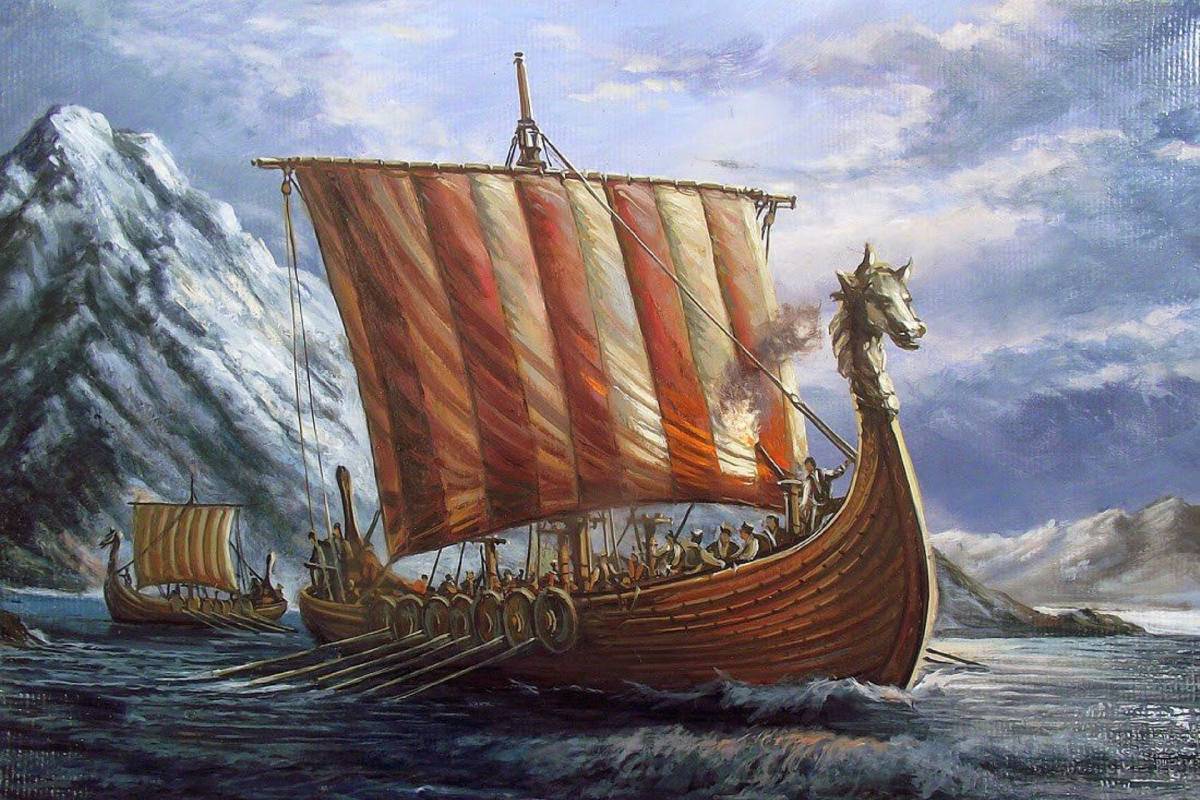
Despite it being centuries after the last Viking ship ever sailed, the Viking Age is an everyday presence in the nation's life through entertainment, festivals, and tourism, and certainly still plays an important part in how Norwegians see and define themselves.
A large segment of Norway's population engages with its Viking history daily, and tapping into this heritage has been a lucrative source of income for museums, tour operators, bus drivers, and academics alike.
Viking history in Norway is big business and thus a large indirect employer of the nation's citizens, regardless of their origin.
Given the myriad cultures and origins of many who live in Norway today, the nation’s Viking heritage and history can be used as a unifying symbol.
This cultural symbol binds citizens across generations, cultures, religions, and backgrounds as it seeks to evoke inherent traits that are seen as quintessentially "Norwegian," such as an adventurous and independent spirit and a deep connection to, and reverence for, nature.
Furthermore, this Viking heritage has been reinterpreted repeatedly as Norwegian society has changed to fit contemporary societal expectations and cultural norms.
Norwegians now like to focus on traits inherited from their Viking forebears, like adaptability, commercial nous, and communal spirit.
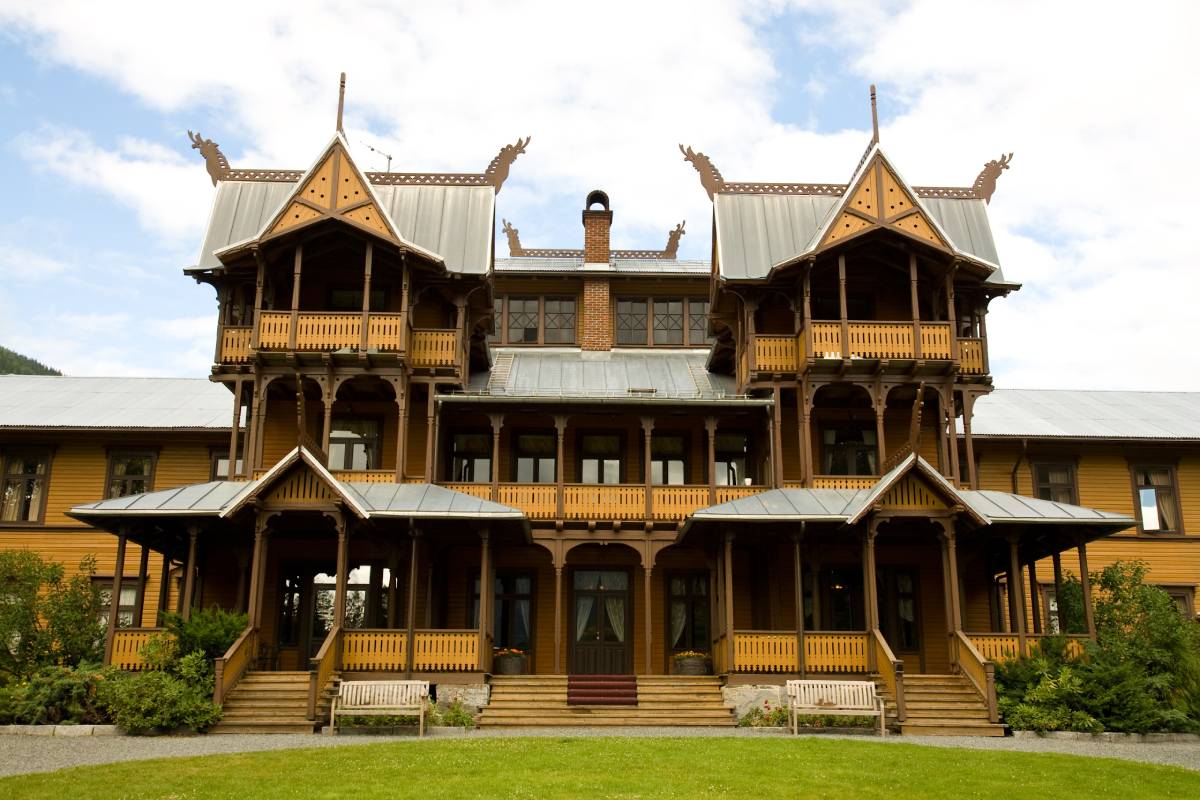
Dragon Style architecture reflects how Viking imagery shaped Norwegian national identity in the late 19th century. Photo: Eirik Solheim (CC BY-SA 2.0)
The adaptability of cultural institutions
Modern Norway has seen a need for its Norwegian cultural heritage institutions, like museums, to change and reinterpret how they present Viking history to a more diverse audience due to immigration.
For so long, the traditional history of Norway's Viking history has been westward-facing and has stressed the links between Norway and other Western European nations, like England or France.
The background and origin of recent migrants to Norway, however, has sparked renewed interest in the nation's ancient links eastward.
A recent exhibition by the Museum of Cultural History in Oslo (University of Oslo) highlighted the Viking foundation of, and connection with, the Kievan Rus, which encompassed much of what is now Belarus, Russia, and Ukraine.
This exhibition was partly inspired by the successive waves of Eastern European immigration to the country over the past 3 decades and the more recent influx of Ukrainian refugees offered asylum by Norway following Russia's illegal invasion in 2022.
As part of an ongoing Viking history exhibition, VÍKINGR, the Museum has also created a section called "Journeys."
Here, artifacts from the Viking Age – largely but not exclusively from Norway – are presented by emphasizing their role in the movement and cultural exchange of people from Viking societies with the cultures and communities they traded with, preyed upon, and settled among.
These interactions shaped Viking societies back in the Scandinavian homeland, and this ties in with a broader cultural shift that has seen many Norwegians acknowledge the formative force that immigration has played in their recent history.
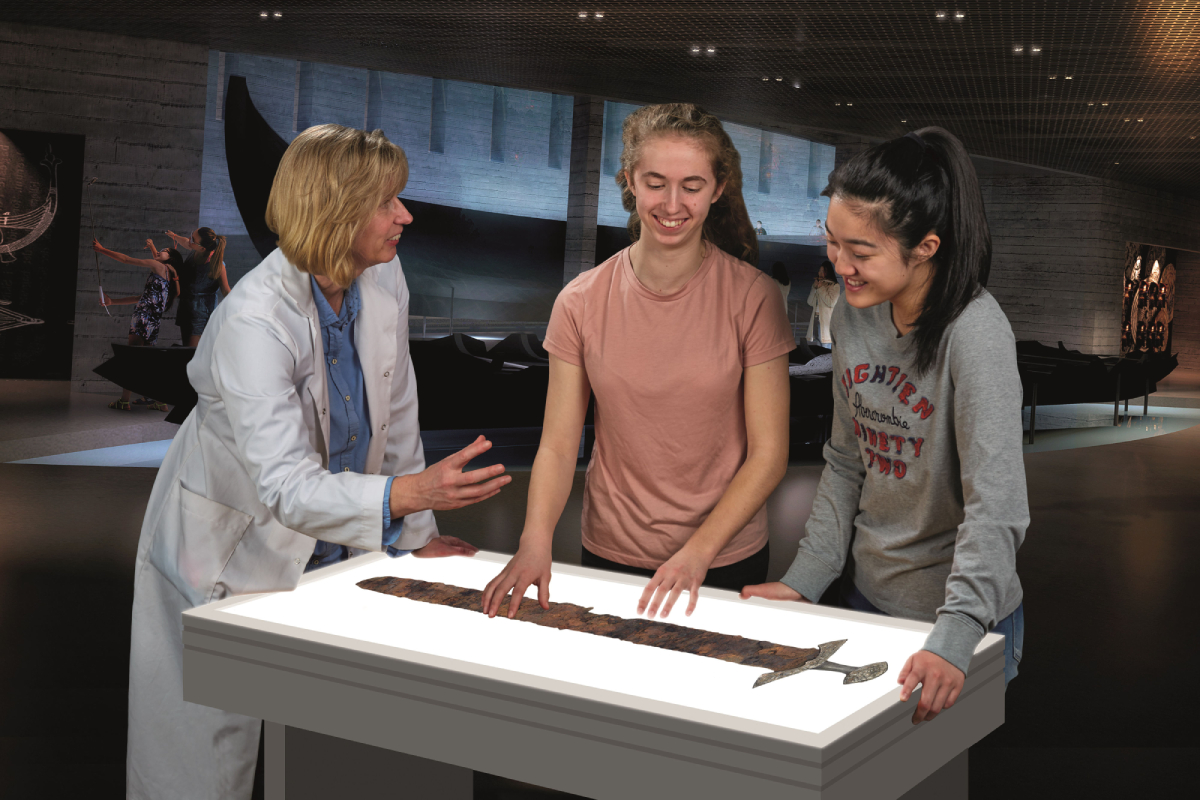
Concept image for the Museum of the Viking Age, a venue that aims to connect local finds to global networks. Source: RAA
Global networks and links
Heading further east still, scholars are increasingly examining people in Viking societies' indirect connections with Western, Southern, and Eastern Asia.
Recent technological advances have helped reinterpret and properly analyze a whole range of archeological evidence, including buckets, silks, coins, and artifacts from Viking-era hoards that show the global connections of Viking societies.
These global connections, which saw Scandinavia connected through trade to places as far afield as China, India, or Iran (albeit indirectly), have become more important to stress as Norway's population has diversified.
A whole new generation of Norwegian academics, who have grown up in a multicultural society, is busy today linking Norwegian Viking history with the wider global context.
Scholars like Dr. Cat Jarman have written widely on how people from Viking societies were interconnected with larger global networks of trade and cultural exchange.
This academic interest has been influenced by recent immigration and has led to a more inclusive and global perspective on the nation's Viking history.
Challenges and change
Finally, immigration has also presented challenges to how this Viking history is being presented. There is no doubt that there is an ongoing societal tension between the use, abuse, and interpretation of certain aspects of Viking history.
Some Viking imagery and symbolism – be it Thor's hammer, Mjöllnir, or references to Valhalla – have been appropriated by extremist far-right groups in Norway, like the Neo-Nazi "Nordic Resistance Movement," who are vehemently opposed to all aspects of multiculturalism and immigration.
Concurrently, this abuse of Viking history leads this heritage to be not a symbol of unification but rather a symbol of division among those with a culturally and linguistically diverse background in Norway.
Despite these challenges, Norwegian society is remarkably flexible and resilient. Over the course of the past half-century, the social fabric of Norway has been completely transformed by immigration.
As Norwegian society has changed, so too have its views on its rich Viking heritage and history.
The way that Norwegians connect with this cultural heritage – like the food they eat, the clothes they wear, or the language they speak – has been shaped by the influences and experiences of the many diverse people who now call Norway home.
For more information on how Viking heritage is shaping modern Norwegian tourism, visit The Guardian here.
We get to provide readers with original coverage thanks to our loyal supporters. Do you enjoy our work? You can become a PATRON here or via our Patreon page. You'll get access to exclusive content and early access.
Feel free to reach out to discuss potential stories that may be in the public interest. You can reach us via email at [email protected] with the understanding that the information you provide might be used in our reporting and stories.