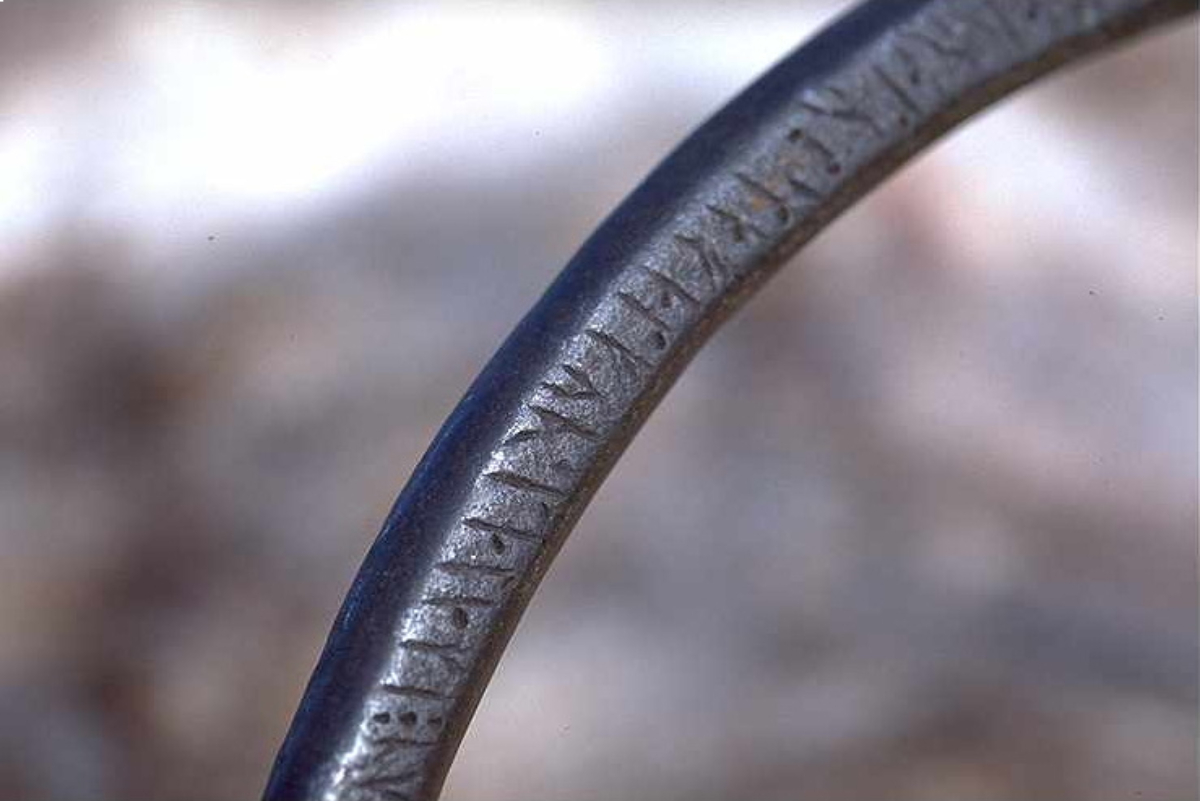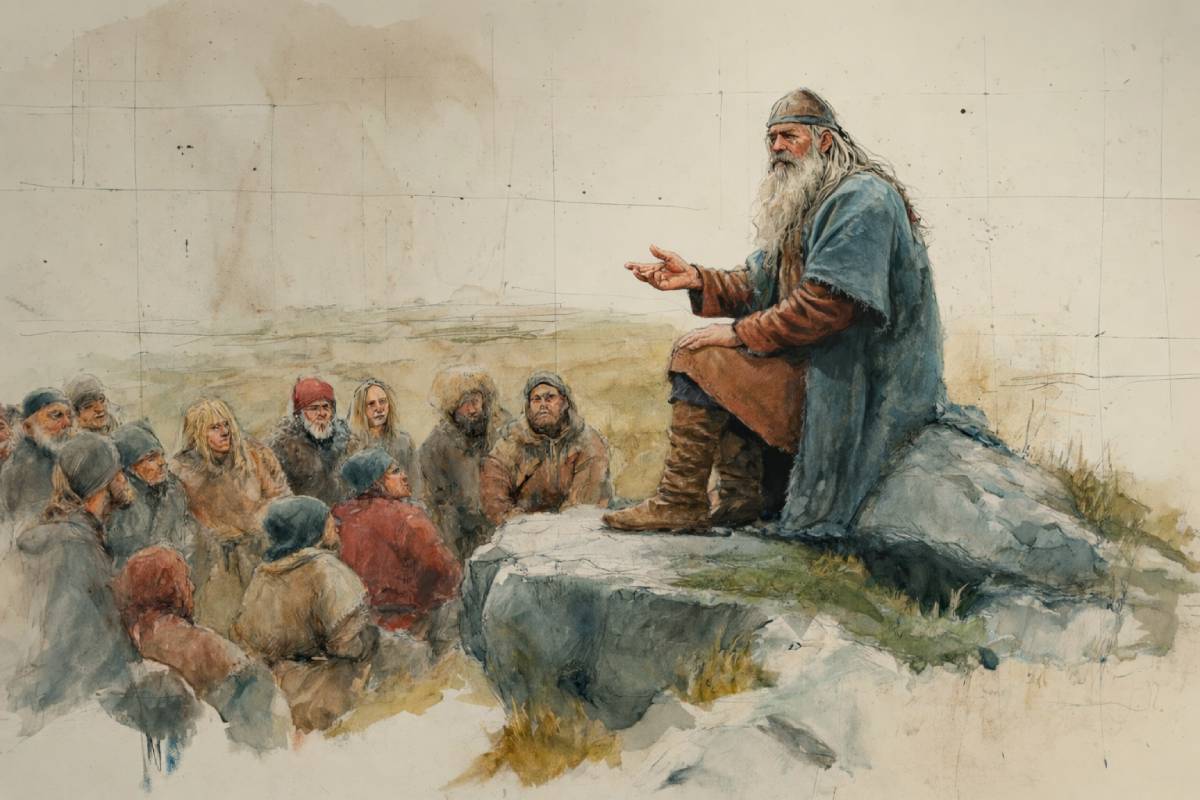


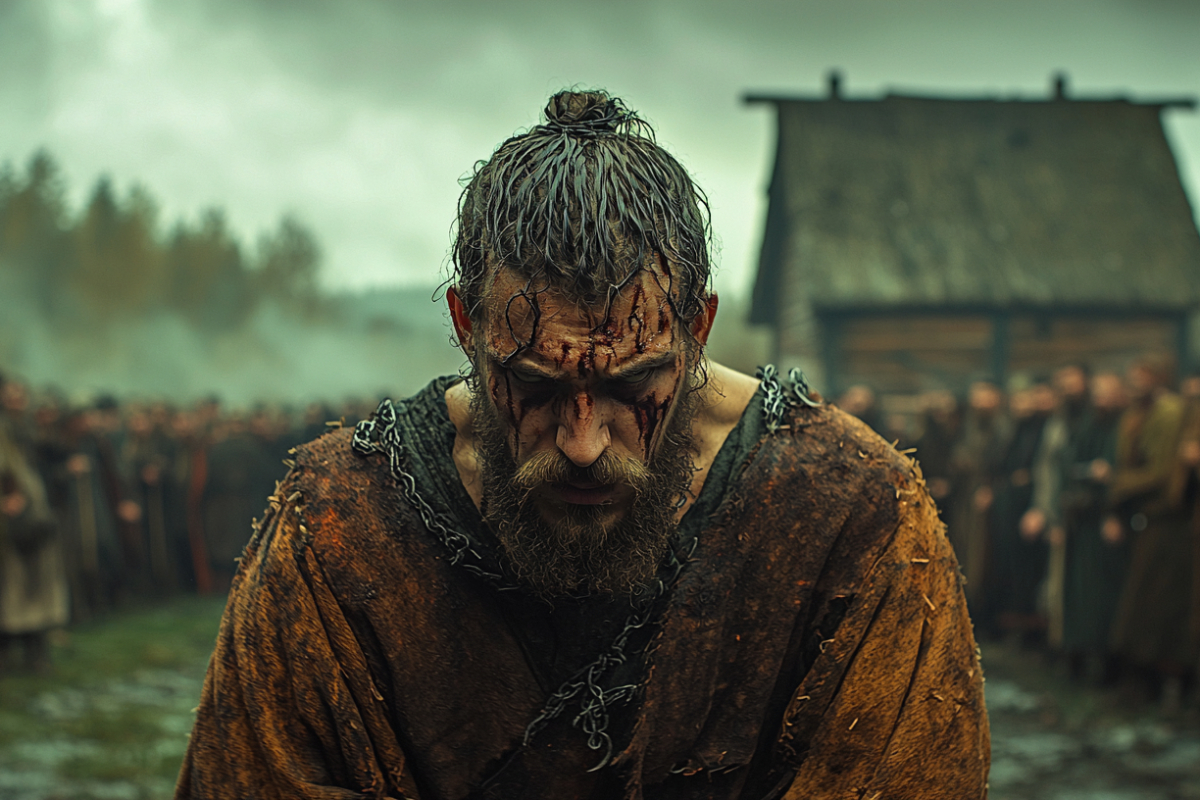
People in Viking societies lived in a violent and insecure era. There was no central government, police force, or emergency services in the Viking homeland of Scandinavia until the modern era.
The early medieval period, throughout Europe, where Vikings roamed, was, at best, a time of rampant violence, injustice, and societal insecurity.
Scour any of the historical accounts, chronicles, or sagas, and you will find myriad examples of persecution, political, personal, and societal violence, slavery, depravity, and torture.
Yet despite all this blood and gore, despite the multiple accounts of bloodthirsty Viking raids, the societies that produced Vikings had a remarkable degree of law, order, and justice.
That societies with rudimentary forms of representative democracy, collective and communal accountability, and codified forms and degrees of punishment could then produce and churn out early medieval Europe's most ferocious warriors is not a historical paradox.
It speaks more of the dark side of human nature than of the particulars of Viking law and justice.
Are the same crimes that Vikings committed more than a millennium ago – murder, rape, enslavement, and torture – not still carried out daily throughout the modern world, despite all the talk of universal human rights?
Before we judge earlier cultures, civilizations, and (Viking) societies too harshly, let us remember that these predecessors helped to build and shape the modern foundations of democratic liberalism that many of us are lucky to enjoy today.
So then, how did Viking societies try to keep law and order, resolve disputes, and administer justice? For that, we must first look to a Thing, the fabled Viking assembly.
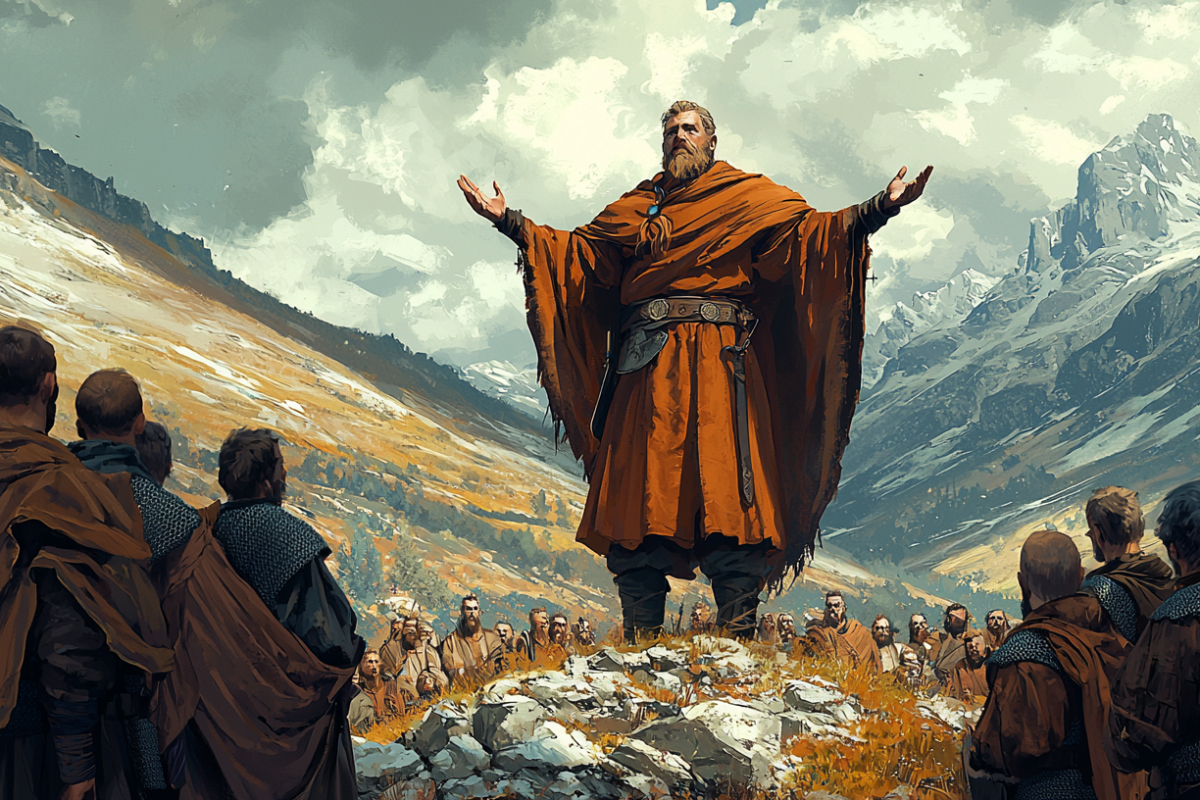
The Viking Thing, where free men debated and passed judgments, is seen by some as an early step toward democracy. Illustration: The Viking Herald
Not your average Thing
Some historians – like Ellen Ahlness in her 2020 article in the journal World History Connected – have argued that the foundation of modern parliamentary democracy can be traced back to the Viking assembly, the Thing.
This was an assembly of free men – and it was only men – who would gather to debate and decide on a whole range of issues, from political decisions to legal disputes.
These free men had the right to speak and vote on matters of importance, providing a forum where disputes and disagreements could be aired openly (before they festered into blood feuds), judgments could be passed, and compensation awarded.
Whilst not democratic in the sense we think of today, it helped lay the foundation for later forms of parliamentary democracy to build upon.
Each Thing had respected legal or political minds who sat in judgment, whether they were respected elders, judges, or even local rulers and chieftains.
One of the most revered and respected members of any community was the lawspeaker, whose job it was, during a Thing, to be the font of legal and judicial wisdom.
They literally had to memorize all the laws and judgments passed and then be able to recite them at a whim.
Whilst each region held its own Thing, larger regions would gather for an Althing.
Although this was a larger form of assembly held at certain times throughout the year, it had a festive spirit, as people would often travel to attend. Huge feasts and much frivolity accompanied the serious judicial and legal matters settled.

The former site of Iceland's Althingi stands as a reminder of the Viking Age assemblies, where punishments were decided and justice served. Photo: trabantos
Crime and punishments
Should a person in Viking society err on the dark side and commit a crime, they could expect swift and sudden punishment.
Having had their crime announced to everyone in their community at a Thing – itself a form of psychological punishment shaming the individual(s) and their family(ies) – a punishment would then be decided by the great and good of the community.
For minor offenses, temporary exile was often the best way to ensure no blood was shed. This was very much a case of "out of sight, out of mind" and helped ensure that communal peace was kept.
Compensation – often in the form of livestock or precious objects – was also a popular form of punishment, ensuring the guilty party took a financial hit for their offense.
Should the lawbreaker commit a more serious offense, then exile – or in Old Norse, fjörbaugsgarðr, a form of three-year banishment – was handed down.
Now, from the safety of the 21st century, exile may not sound like a serious punishment, but it forced the individual out of their home society to seek refuge elsewhere, away from family, friends, and the comfort of home.
They were driven not only into a harsh environment but were left vulnerable to revenge attacks or at the mercy of brigands.
For the most heinous of crimes – say murder, arson, or treason – the most severe form of punishment that people in Viking societies handed out was a death sentence.
Sometimes, however, this was carried out before a Thing could be held, and this arbitrary style of justice often led to bloody familial or community feuds that could last generations.

In Viking society, honor shaped every aspect of life, and close-knit communities enforced standards through collective accountability. Photo: LGieger
Close-knit communities that placed a high value on honor
Unlike many of us in the 21st century, people in Viking societies lived in close-knit communities where you not only personally knew your neighbors but knew almost all of the community... and their business.
Whilst this may sound like an introvert's nightmare, it allowed a form of communal and collective accountability, like an early medieval version of "neighborhood watch."
Without any sort of police force to keep an eye on naughty neighbors, it was up to families or kin groups to enforce judgments and compensation, creating a tight network that relied upon reputation as much as social ties.
Failing to rein in a naughty family member or ensuring they paid the prescribed compensation would result in great shame.
As Isbel Travis writes in her 2022 article in the Wittenberg History Journal, for people in Viking societies, a person's honor affected all aspects of life, from their standing in the community to their economic prospects and even marriage opportunities.
Both individuals and families or kin groups had to ensure that honor was always upheld, and the failure to do so could result in communal or societal shame and ostracization, a form of collective psychological punishment.
Generally peaceful in insecure and violent times
We often think of the early medieval period, when Vikings roamed, as one of great violence and insecurity.
Whilst this is generally true, people in Viking societies did their best to keep the peace, resolve disagreements and disputes, and administer justice.
From the rudimentary democratic nature of the Thing, where legal and judicial matters could be discussed and decided, to a range of punishments and collective accountability, people in Viking societies did their best to provide a solution to the violent and insecure era they lived in.
Compared to the relative smugness and comfort of contemporary liberal democracies, Viking societies may look like the Wild West. Still, there was a general degree of law, order, and justice that ensured that peace generally reigned.
For a more modern case of Viking-themed law and justice, visit the BBC website here.
We get to provide readers with original coverage thanks to our loyal supporters. Do you enjoy our work? You can become a PATRON here or via our Patreon page. You'll get access to exclusive content and early access.
Feel free to reach out to discuss potential stories that may be in the public interest. You can reach us via email at [email protected] with the understanding that the information you provide might be used in our reporting and stories.