

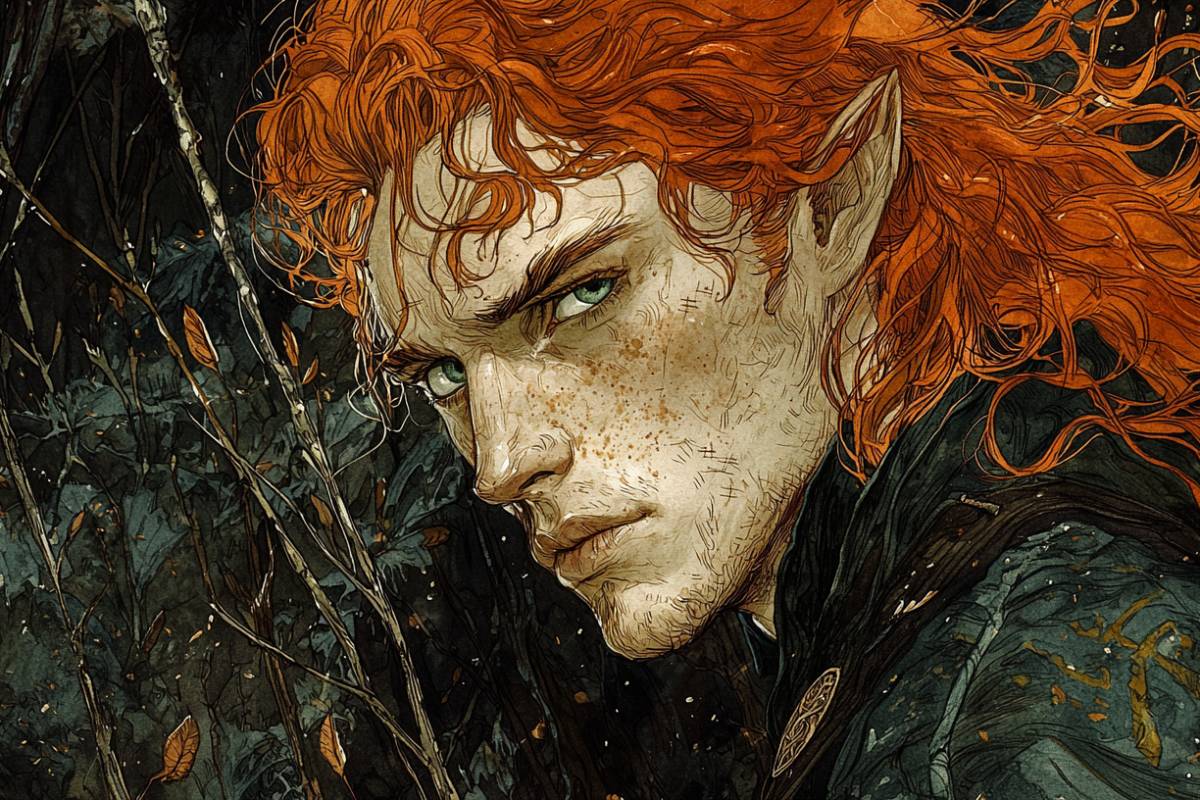
We have spoken often about the power that magic held – real or imagined – in Viking societies. To our modern minds, it can often be hard to comprehend just how pervasive magic was in the early medieval period for people in Viking societies.
From warfare and battles to healing and prophecy, magic was the invisible presence inherent throughout Viking societies.
Adding to this magical realism was a belief in mythical beings, creatures, and entities that were often imbued with magical powers and properties.
For much of the early medieval period, believing in magic and magical beings was an intrinsic and integral part of Viking society.
Their whole worldview, encompassing the physical and natural world as well as the spiritual and inner emotional one, was imbued with a belief in what we now know (don't tell anyone under the age of about 10 this) is simply not real.
Elves, but not as you know them
From the religion they practiced to the oral stories they told each other, magic was, for people in Viking societies, not make-believe but a real and sometimes scary part of their everyday lives.
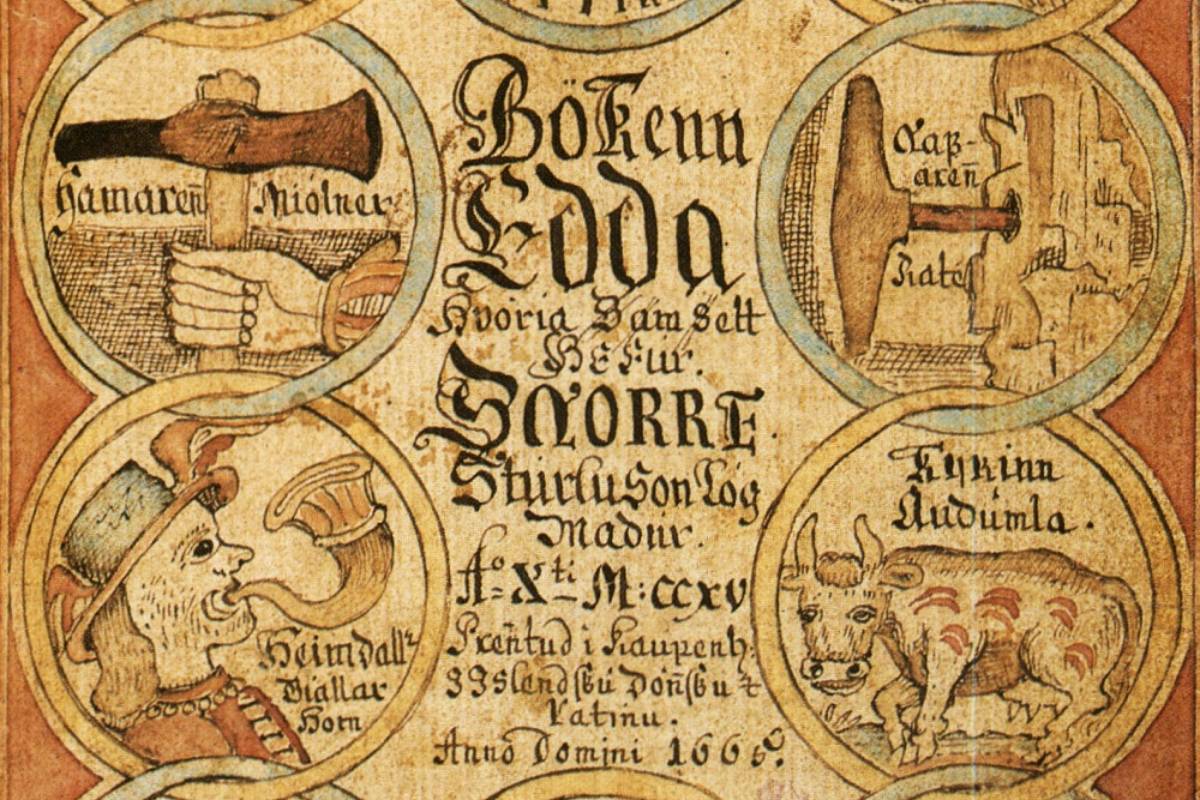
It is in these oral stories, later written down by medieval scholars like the great 13th-century Icelandic literary giant Snorri Sturluson, that we find the presence of two types of elves (Álfar) – the light elves (Ljósálfar) and the dark elves (Dökkálfar).
For many of us of a certain vintage – including the present author (I'm looking at you, my fellow millennials) – our only modern reference to elves is either those cuddly critters that help Santa come Christmastime or a broodier and more ethereal version sprawled on the silver screen as part of recent movie adaptations of J.R.R. Tolkien books.
Forget all you think you know about elves or whatever depictions you may have seen, as the elves in Norse mythology are completely different.
These elves of Norse mythology are divided into two distinct groups. Let us look at the lighter version before taking a trip on the dark side.
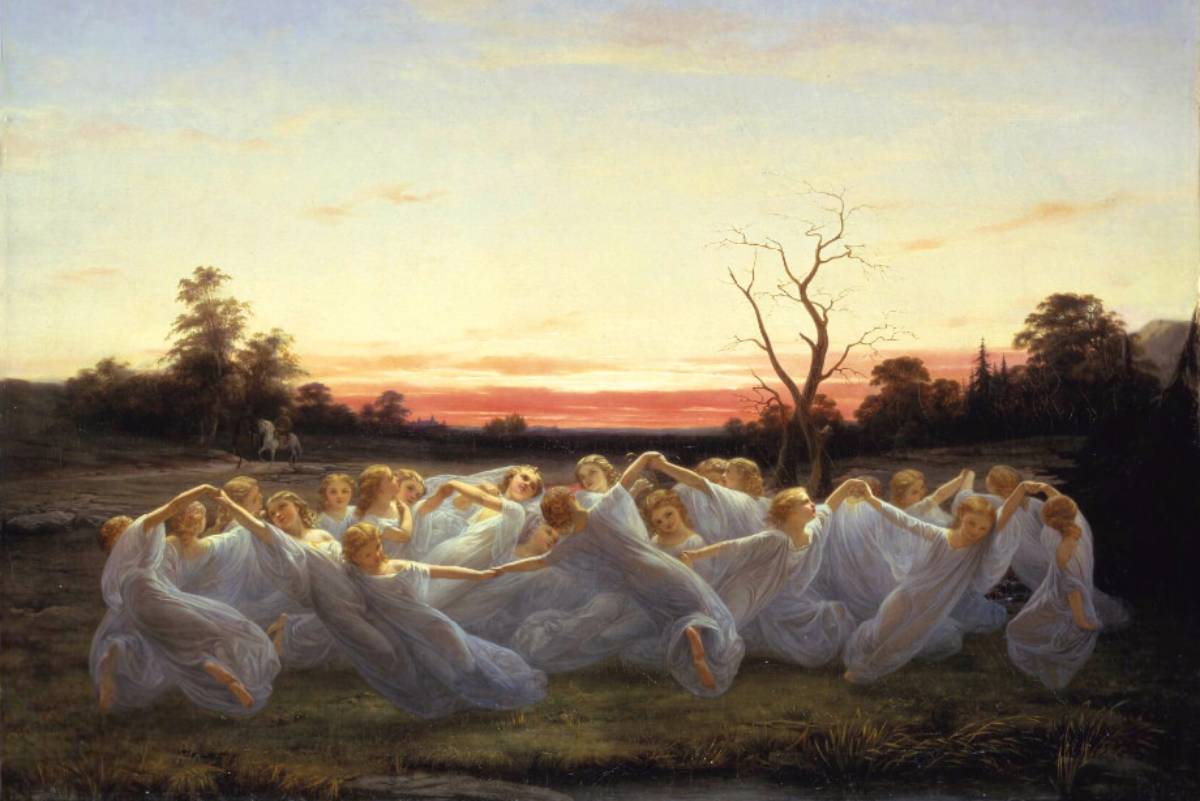
Norse mythology describes light elves as luminous and benevolent beings connected to Freyr and the divine realm of Alfheim. Source: Nils Blommér (1816–1853)
All that lightness
The light elves (Ljósálfar), as their glowing name would suggest, are normally associated in the rich tapestry of Norse legends, myths, and sagas as radiant and beautiful beings. They are said to reside in Alfheim (in English, "The Land of the Elves").
According to the Grímnismál, one of the poems that make up the Poetic Edda, this realm was a present to the god Freyr – somewhat bizarrely, when he was said to have lost a tooth. Stanza 5 of the 1936 Henry Adams Bellows translation states:
"Ydalir call they the place where Ull
A hall for himself hath set;
And Alfheim the gods to Freyr once gave
As a tooth-gift in ancient times."
(Grímnismál, Stanza 5, translated by Henry Adams Bellows)
This stanza suggests that it was Freyr, the Norse god associated with fertility and prosperity, who ruled over this realm and may have been a sort of magical overlord for the light elves.
Freyr's divine influence could explain why these elves are associated with glowing goodness, lightness, and general positivity.
Additionally, author Mary Elizabeth Litchfield, in her 1890 book The Nine Worlds: Stories from Norse Mythology, describes this realm as full of beauty, light, and purity and as one of the nine realms of Norse cosmology.
Due to their association with lightness, it has been speculated that these elves were perhaps benign to us mere mortals, but there are only scant records of their appearance in the sagas, and thus we can never truly be sure.
We now dim the lights and darken the mood to find out about the other elves.
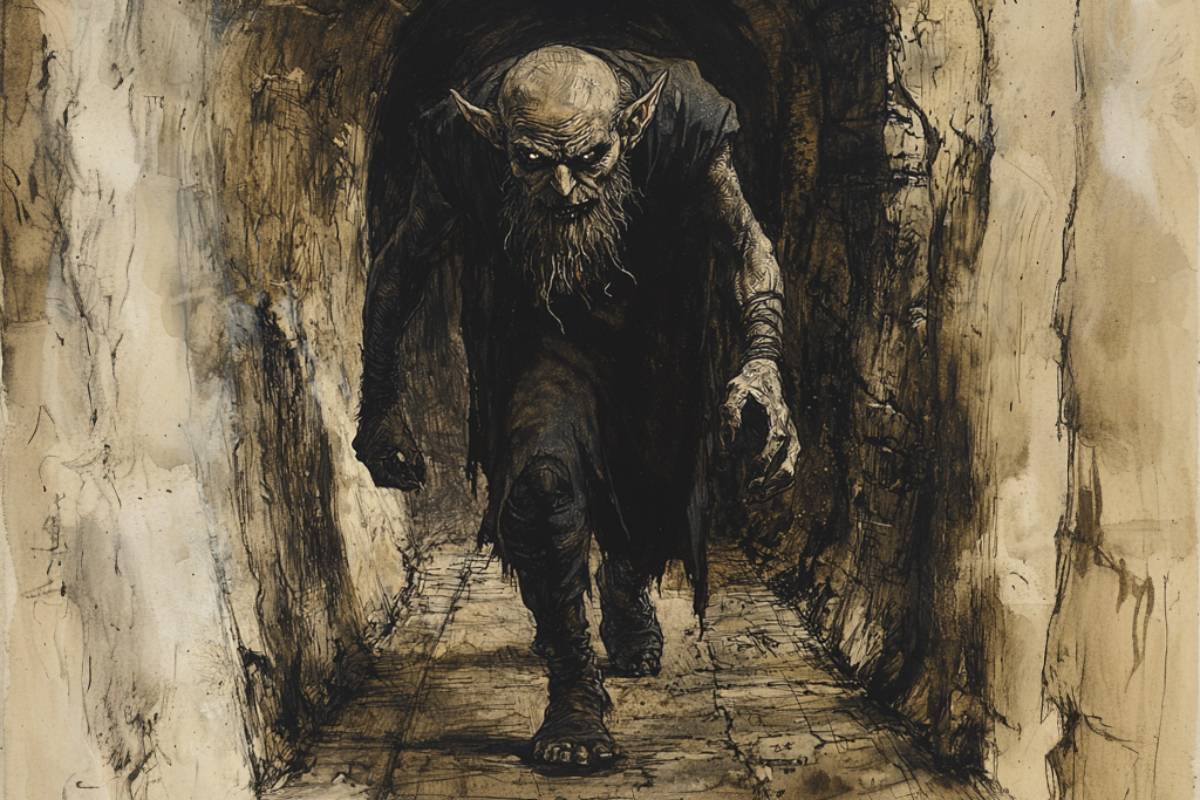
Norse sagas mention dark elves, but their nature is unclear, with some sources suggesting they may have been another name for dwarves. Source: The Viking Herald
Knowing your dark elves and your dwarves
The opposite of the light and ethereal elves were said to be the Dökkálfar, often translated as something akin to "Dark Elves."
They were said to take their dark appearance – and possibly even their darker nature too – from the fact that they were subterranean dwellers.
There appears to be quite a lot of overlap and similarities between these "Dark Elves" and other magical creatures found in the rich tapestry of the Norse sagas.
First up, aside from the Dökkálfar, we find other references to "dark elves" – the so-called Svartálfar.
Whilst the name Svartálfar is also confusingly translated into English as "Dark Elves," the best possible translation is something akin to "Swarthy Elves."
To make matters even more confusing, some speculate that either or both of these creatures may simply be two different poetic descriptions of dwarves.
Like these obscure "dark elves," dwarves were also said to live underground and were not necessarily friendly to us mere mortals.
Sadly, though, we have even fewer references to these mysterious creatures in the Norse sagas. They will remain forever in both literal and figurative darkness... annoying, right?
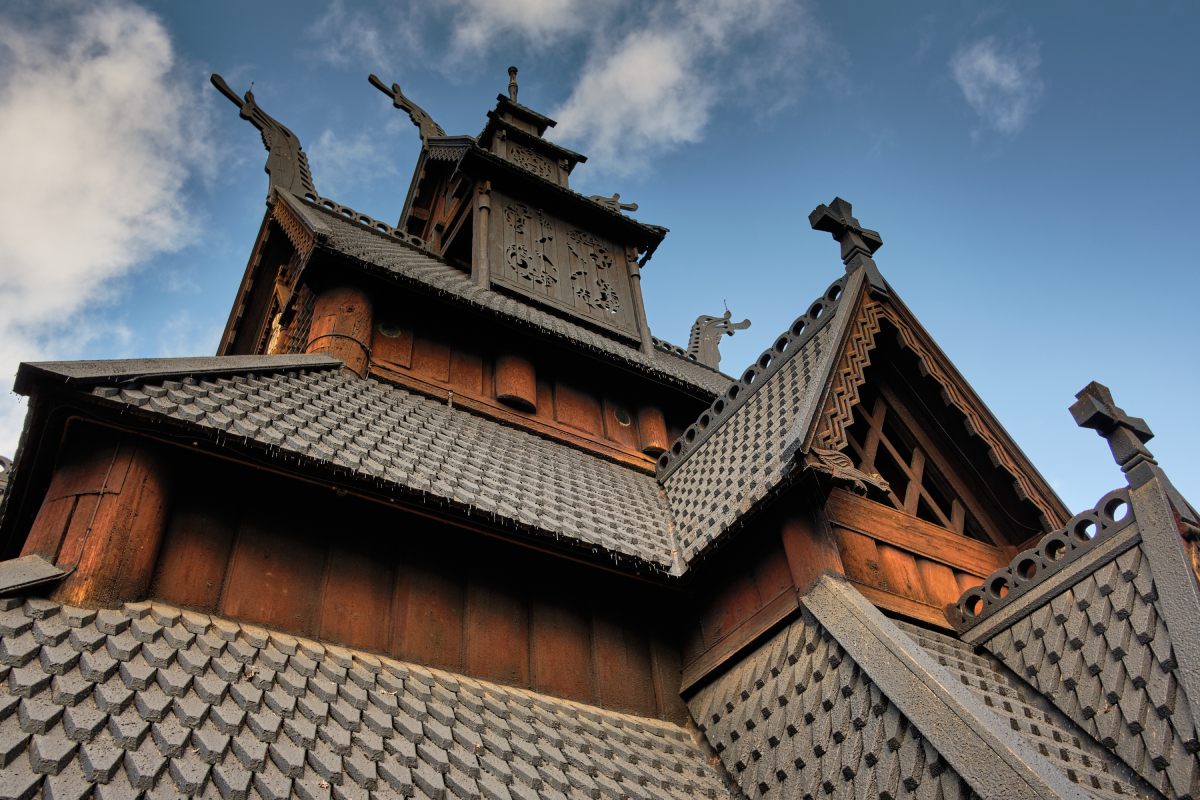
Christian ideas of good and evil may have shaped the contrast between light and dark elves in Norse mythology. Source: Barnabas Davoti
Later Christian influence?
It is hard to gauge the impact that Christianity had on the hearts and minds of people in Viking societies in everyday life.
Yet, spanning the Viking Age was the slow and steady – sometimes bloody – process of the Christianization of Scandinavia.
By the end of the 11th century, all of the Viking world saw Christianity rise to supremacy, becoming the dominant religion it remained from the medieval to the modern period.
The Christian notion of good and evil may have influenced the characters and, indeed, the nature of the elves in Norse mythology.
The Christian dichotomy between virtue and sin, Jesus and the Devil, and goodness and darkness may have shaped the representation of these elves.
Whilst this tension between good and evil – two stark opposites – was certainly not exclusive to Christianity, other cultures, civilizations, religions, and spiritual belief systems spoke of these opposites long before Jesus was born.
Still, we can be reasonably sure that this Christian notion seeped not only into the lives of people in Viking societies but also into their mythological creations.
Whilst not perhaps as well-known as other magical and mythical creatures in Norse mythology, the light elves (Ljósálfar) and the dark elves (Dökkálfar) deserve some attention, as they add to the richness of the Norse sagas and help explain why these stories have entertained diverse audiences through the ages.
For insight into why Norse sagas still matter today, visit the BBC here.
We get to provide readers with original coverage thanks to our loyal supporters. Do you enjoy our work? You can become a PATRON here or via our Patreon page. You'll get access to exclusive content and early access.
Feel free to reach out to discuss potential stories that may be in the public interest. You can reach us via email at [email protected] with the understanding that the information you provide might be used in our reporting and stories.