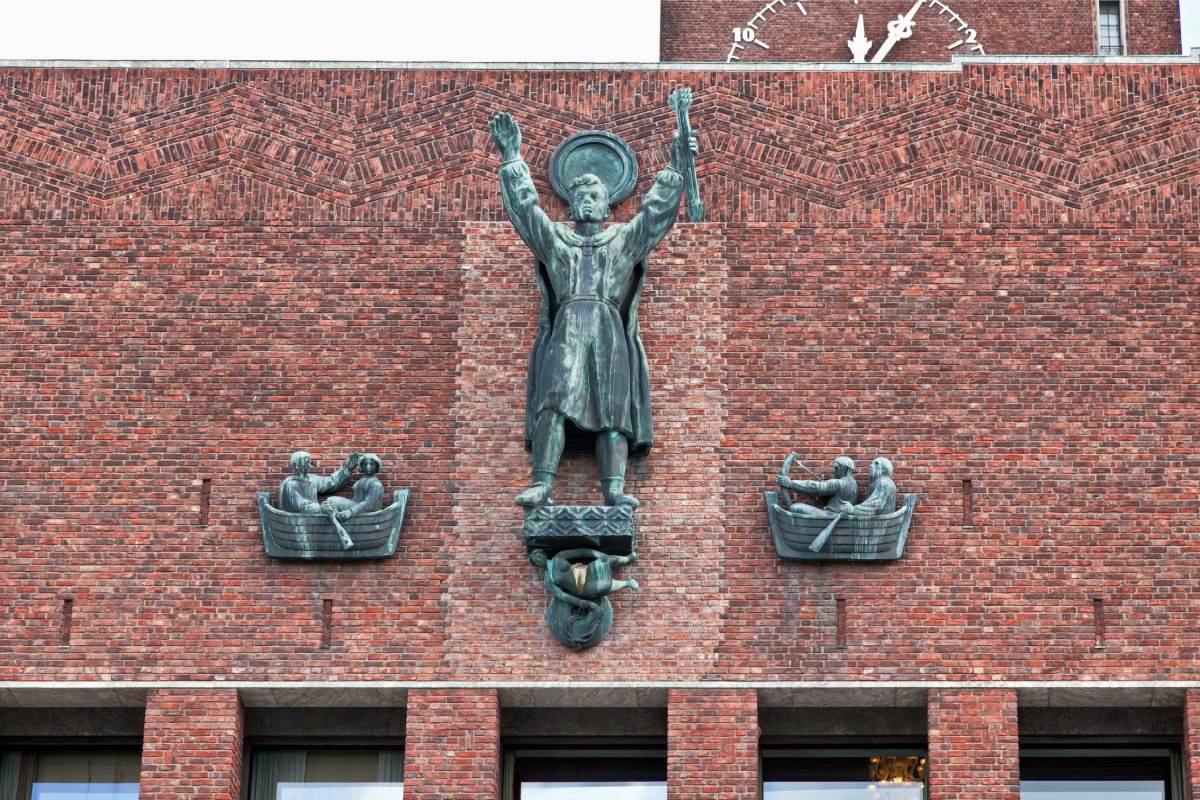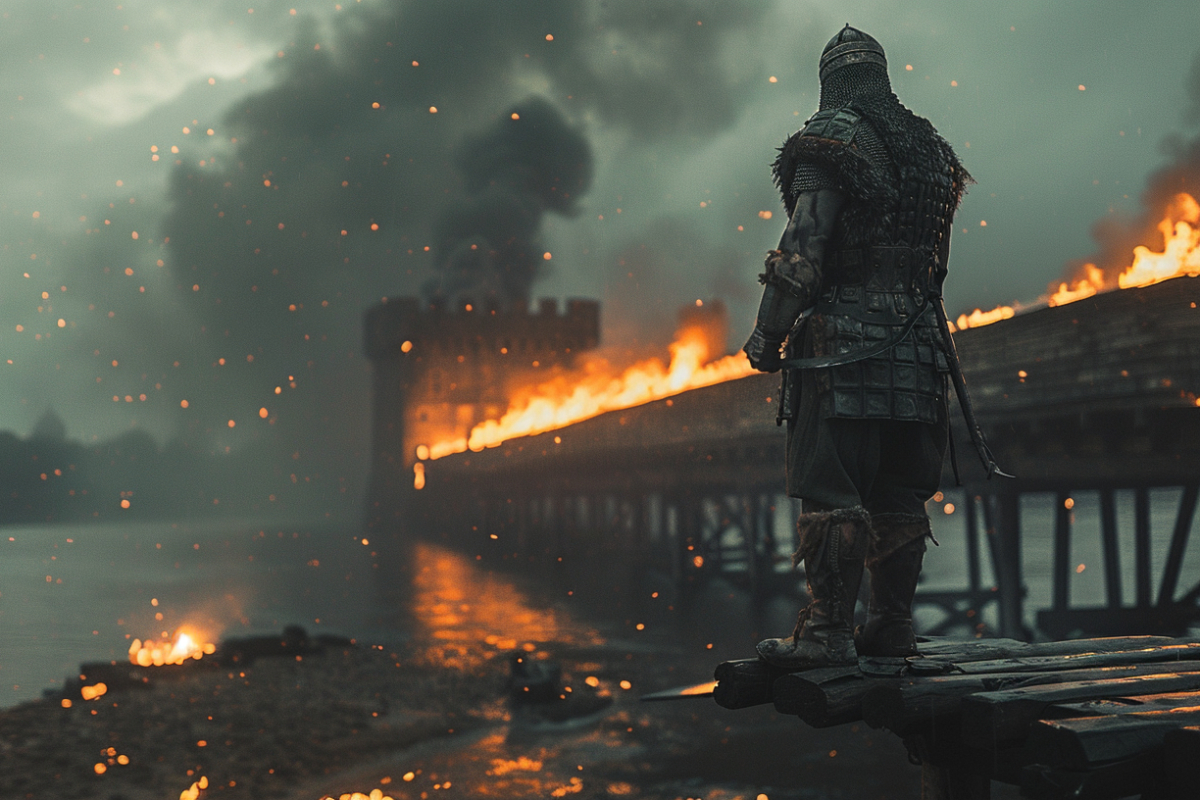


Kicking off with a series of opening events around the first weekend of February, the exhibition NOREGR – Medieval Stories at the Historical Museum in Oslo celebrates 750 years since King Magnus VI of Norway introduced a new national code of laws in 1274.
Who was Magnus the Law-mender?
Also known as King Magnus Håkonsson, the Tønsberg-born monarch became the first to apply a single functioning law to a unified European kingdom.
The common legal code introduced in Norway served two major purposes.
Firstly, it replaced the distinct regional laws of Frostating, Gulating, Eidsivating, and Borgarting, effectively unifying the kingdom under a single, consistent legal system.
This shift marked a significant move towards a more cohesive and centralized form of governance.
Secondly, the code brought about a fundamental change in the principles of justice. It abolished the long-standing practice where family honor and the power of the sword heavily influenced legal outcomes.
Decisions regarding the punishment for misdemeanors and matters of inheritance were now to be made more fairly and justly under the new legal framework.
The initiative led to King Magnus VI, the first Norwegian monarch to use an ordinal number in his name, being forever known as Magnus Lagabøte or Magnus the Law-mender.
Kicking off with a series of opening events around the first weekend of February, the exhibition NOREGR – Medieval Stories at the Historical Museum in Oslo celebrates 750 years since King Magnus VI of Norway introduced a new national code of laws in 1274.
The upcoming exhibition focuses on the centuries immediately after the Viking Age when Norse customs, Christianity, and previous traditions converged, and the origins of what we know today as Norway began to emerge.
Medieval Norwegians spoke Old Norse and used it to define the country where they lived.
The Norwegian Middle Ages cover a 500-year period, from the middle of the 11th century to the first half of the 16th.
Archaeologists and researchers continually uncover new findings that illuminate life in this era. A selection of these artifacts, unearthed in recent Oslo excavations, will be featured in the NOREGR – Medieval Stories exhibition.
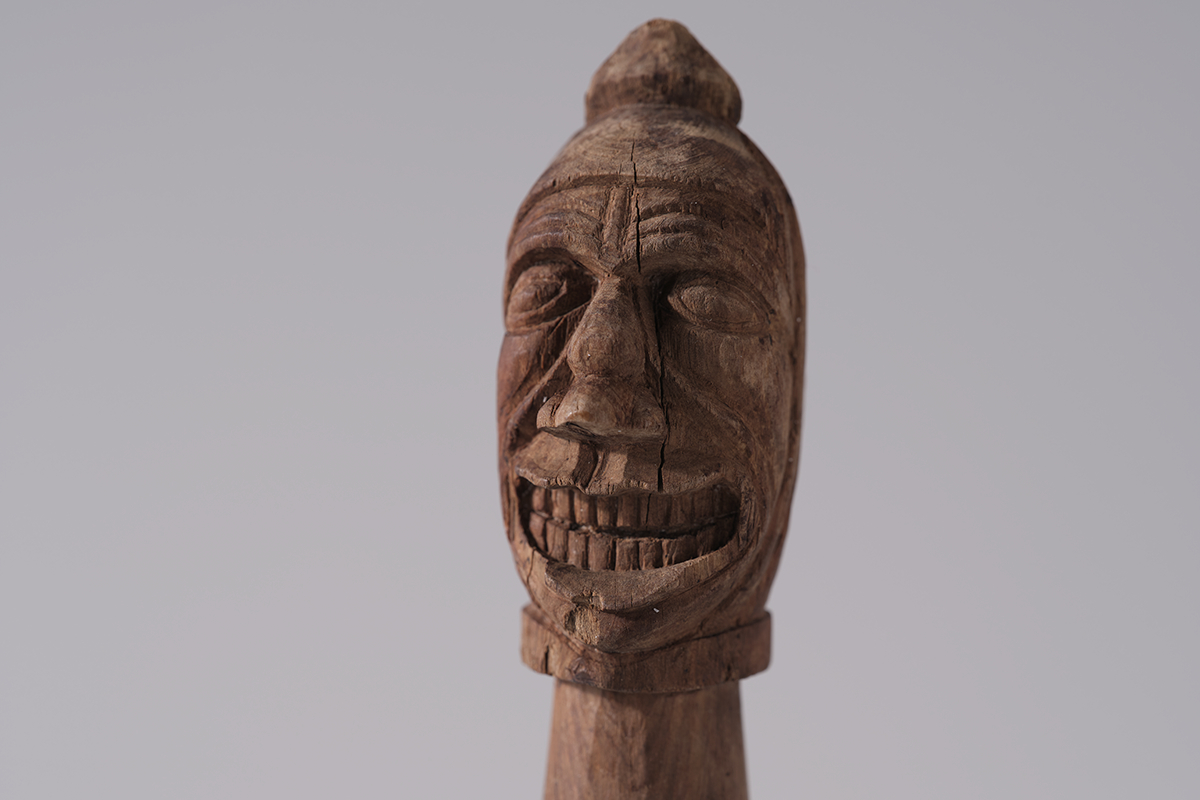
A wooden jester figure, dating back to between 1275 and 1350 and possibly from Magnus the Law-mender's era, showcases medieval entertainment tools in the exhibition. Photo: Mårten Teigen / KHM
Knights, jesters, and saints
For instance, during a significant 2015 excavation in the area that was medieval Oslo, now set for the Follo rail line construction to Ski, archaeologists unearthed a stunning pewter figure of a knight on horseback.
This find raises questions: was it merely a toy or a souvenir brought back from distant lands?
A wooden likeness of a court jester was unearthed during the same excavations.
It was likely created between 1275 and 1350, possibly during Magnus the Law-mender's lifetime, who died in 1280.
This object is typical of those found in a jester's collection, used for juggling and storytelling entertainment.
In the Middle Ages, foreign influences spread north far more quickly, and Norwegian society changed accordingly.
The first cities began to emerge, and the marketplace, the assembly, the church, and the tavern became central meeting places to hear stories, legends, and news.
Tales about saints, knights, and mythical beasts were educational and entertaining at the same time. The written word took on greater importance, but oral storytelling lived on in the spirit of the jester.
Also on view will be large, gilded statues of St Mary and St Olaf, the most notable saints revered by medieval Norwegians.
While everyone attended church and followed the example set by the clergy, locals still enjoyed bawdy stories at public gatherings.
As part of the exhibition, talks and presentations will be given by English-speaking experts, who will also be on hand during the opening weekend.
Exhibition: NOREGR – Medieval Stories
Location: Historical Museum, Frederiks gate 2, 0164 Oslo.
Opening hours: Tue-Wed, Fri-Sun 11 am-4 pm; Thur 11 am-8 pm. Admission: Nkr 120; students/seniors Nkr 90; under-18s free.
We get to provide readers with original coverage thanks to our loyal supporters. Do you enjoy our work? You can become a PATRON here or via our Patreon page. You'll get access to exclusive content and early access.
Feel free to reach out to discuss potential stories that may be in the public interest. You can reach us via email at [email protected] with the understanding that the information you provide might be used in our reporting and stories.