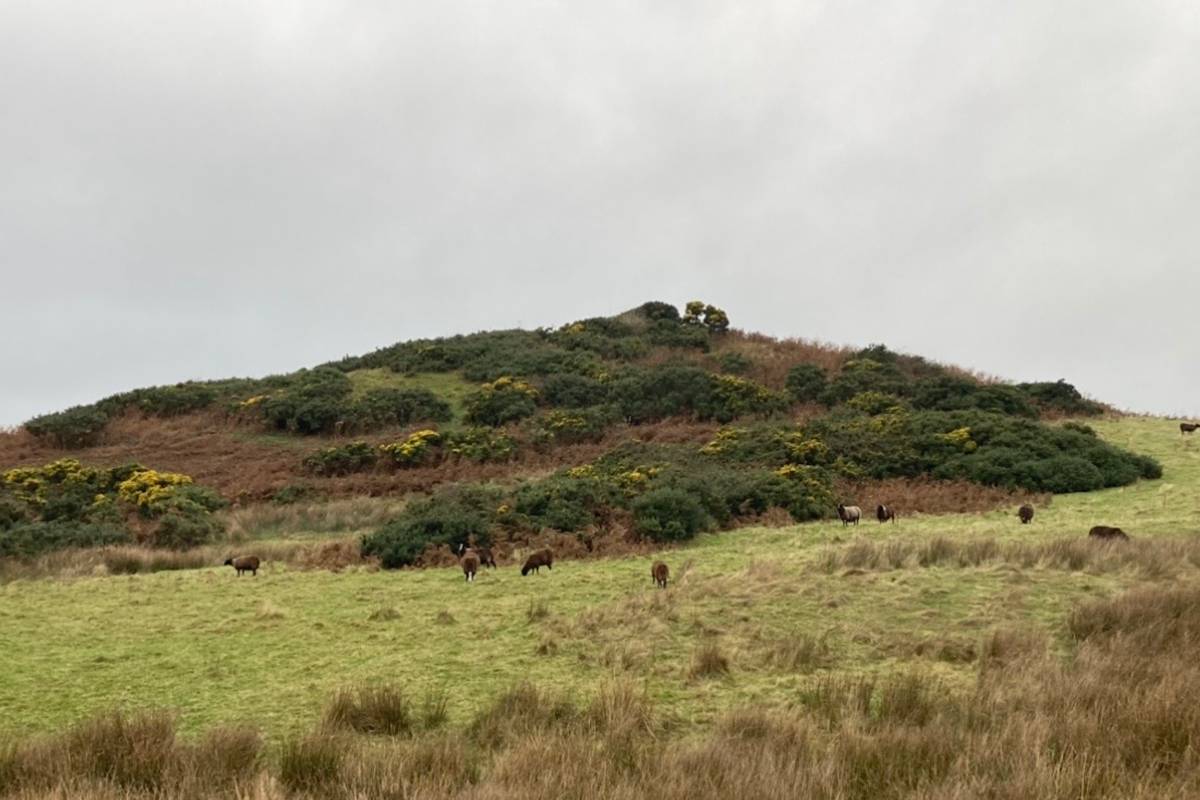


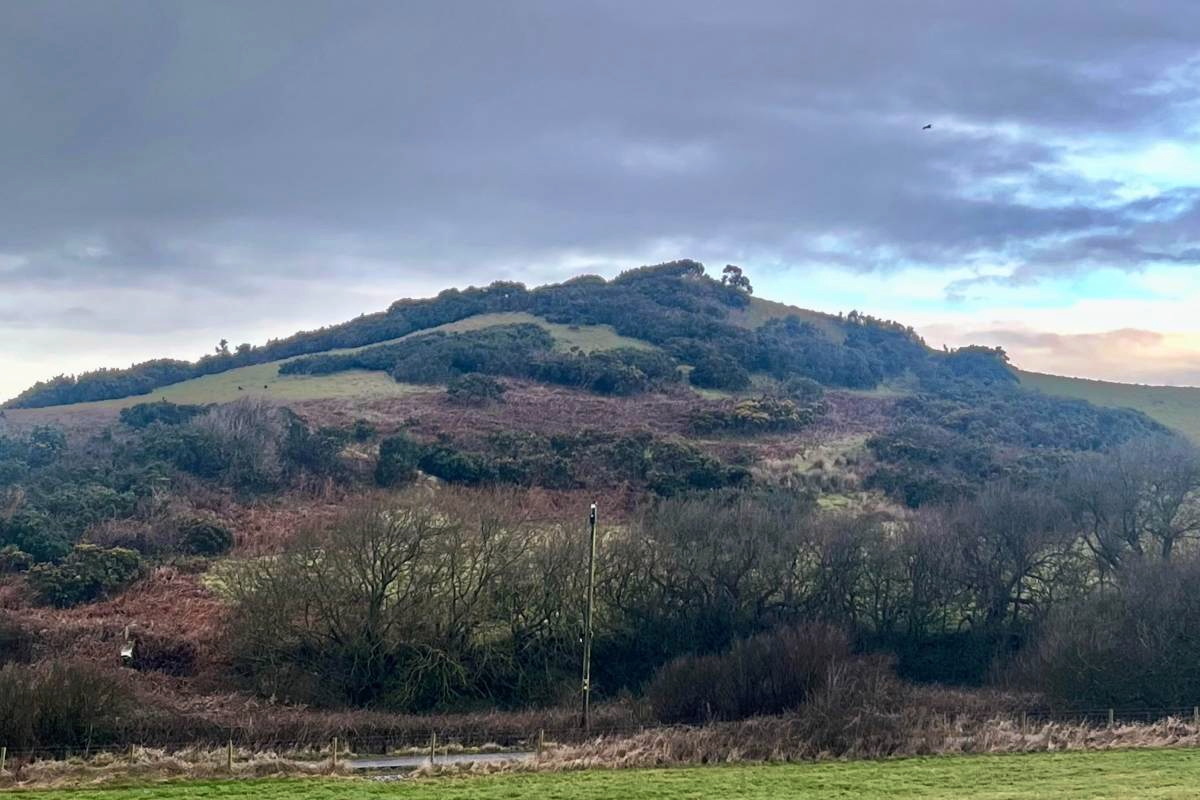
An archeologist in Cumbria, England, thinks he may have uncovered the resting place of Ivar the Boneless. Steve Dickinson believes the hill, known as The King's Mound, could be the site of an ancient ship burial from the Viking Age.
The burial of a legend
Ivar the Boneless is one of the most legendary figures of the Viking Age. Although the historical records are at times contradictory, he is generally considered to have helped lead a full-scale invasion of England with his brothers in the 9th century.
He is also thought to have ruled the northern English city of York and Dublin in Ireland. He was almost certainly buried somewhere in the British Isles, with Repton Woods one possible site for the grave.
The archeologist Steve Dickinson, however, believes he has found a new contender.
Dickinson became interested in identifying the possible burial site of Ivar the Boneless after researching the Icelandic sagas. He repeatedly found references to Ivar being buried at a place called Coningeshou – the King's Mound.
After careful research, Dickinson found mention of a King's Mound in Cumbria in the historical records that fit the description.
- READ MORE: Born of legend – The sons of Ragnar Lothbrok
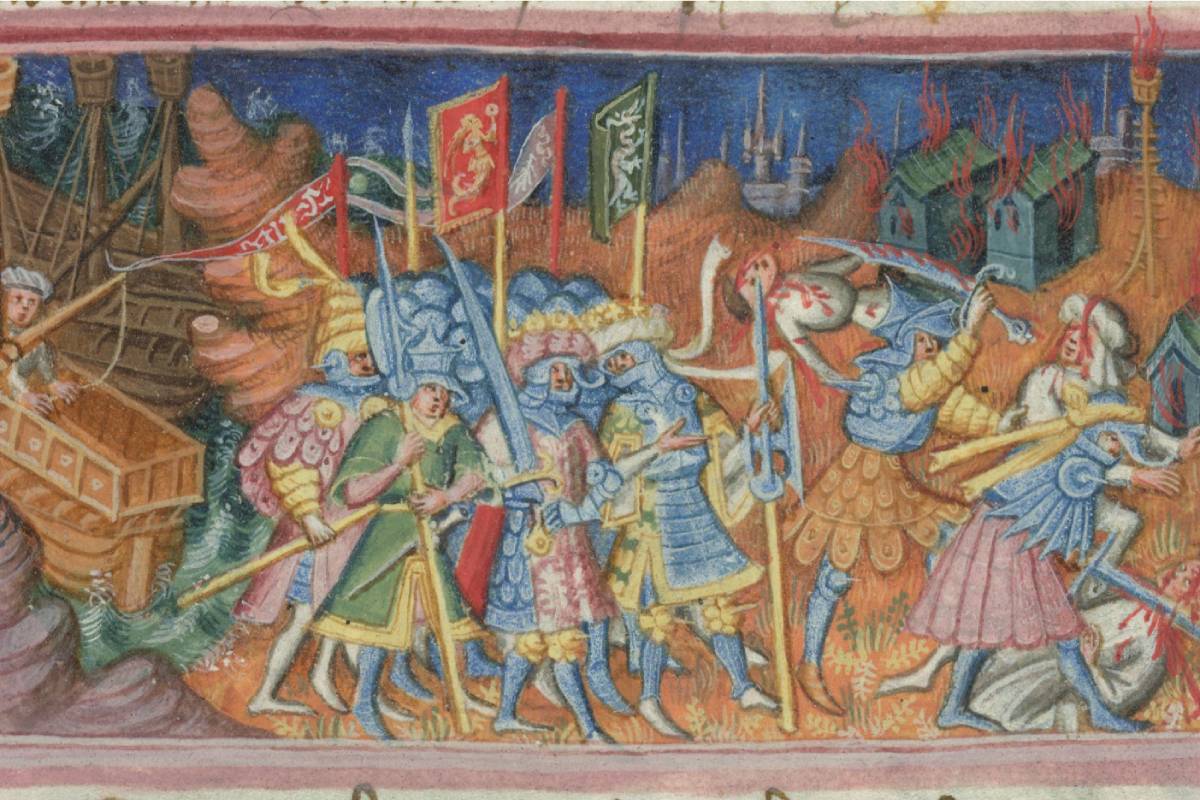
A fifteenth-century depiction shows Ivar the Boneless and Ubba in a raid scene that reflects late medieval English memory of Viking violence. Source: Public domain
"A Viking necropolis"
The site in question is on the west coast of Cumbria. Dickinson plans to carry out further investigations as part of the Cumbria Viking Project.
Although the exact location has not yet been named, it is a mound approximately 60 meters in diameter and 6 meters high, and it is surrounded by smaller mounds.
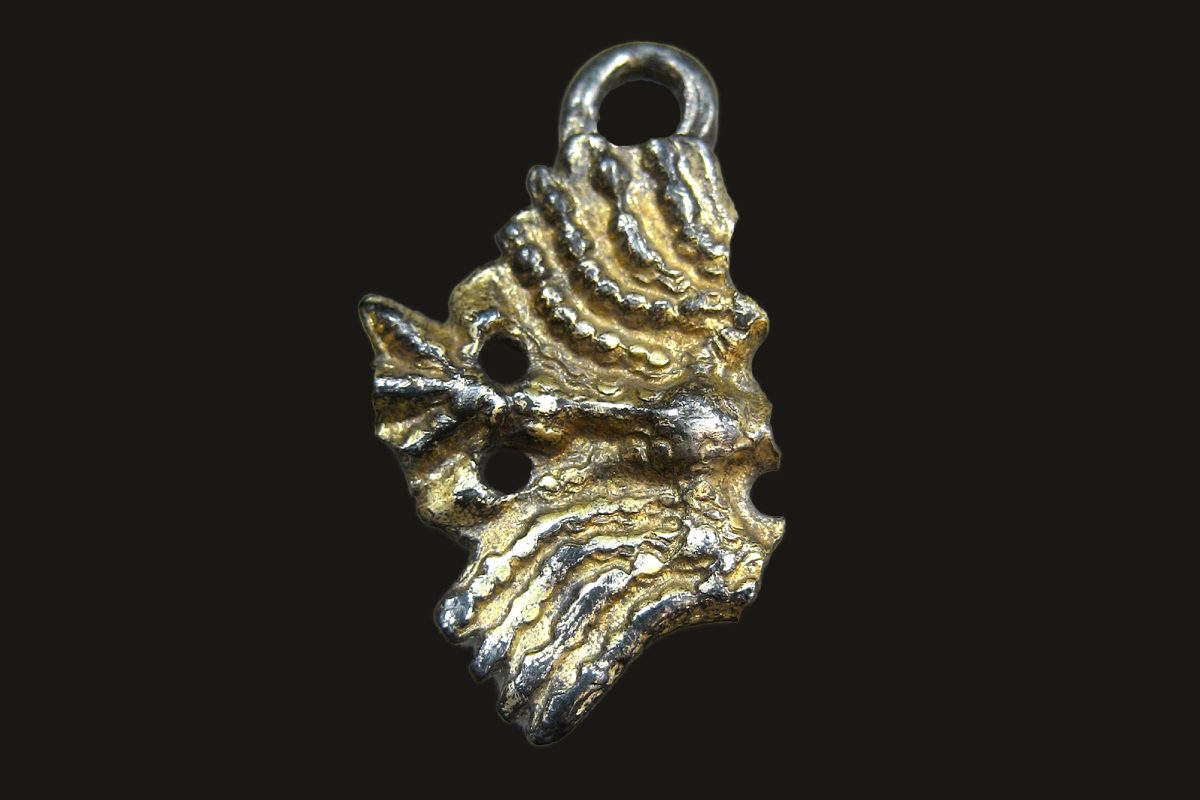
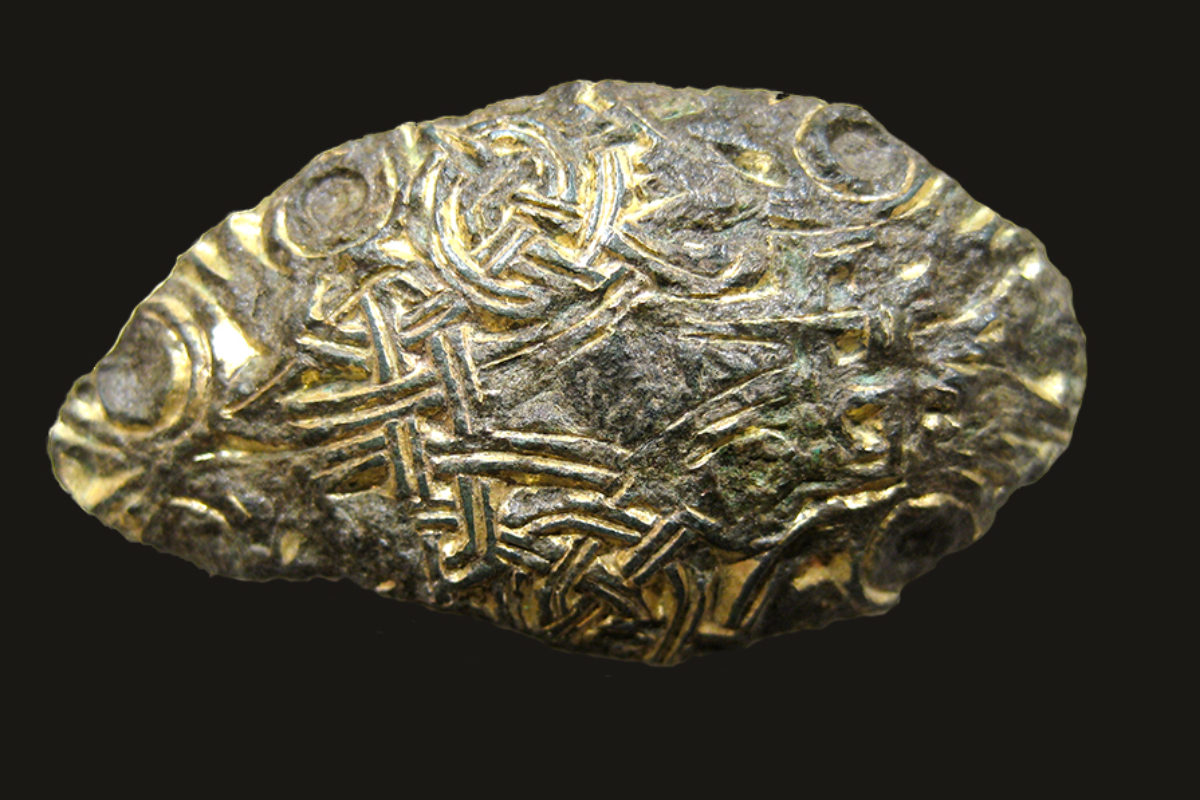
Archeologists and metal detectorists have already uncovered a number of Viking Age finds in the local area, including the Beckermet Hoard, a collection of Viking silver found in 2014.
Dickinson believes the largest mound could contain a ship burial, with rivets found nearby that may indicate a ship under the ground. He also suggests the smaller mounds may belong to the retinue of a Viking chief. "They kind of formed the honor guard for the ruler," Dickinson commented to the BBC.
"It's quite exciting, really. There's a whole kind of Viking necropolis up on the coast of Cumbria, which can keep archeologists busy for years."
The Viking Herald has contacted Steve Dickinson for further details, so stay tuned for updates.
We get to provide readers with original coverage thanks to our loyal supporters. Do you enjoy our work? You can become a PATRON here or via our Patreon page. You'll get access to exclusive content and early access.
Feel free to reach out to discuss potential stories that may be in the public interest. You can reach us via email at [email protected] with the understanding that the information you provide might be used in our reporting and stories.