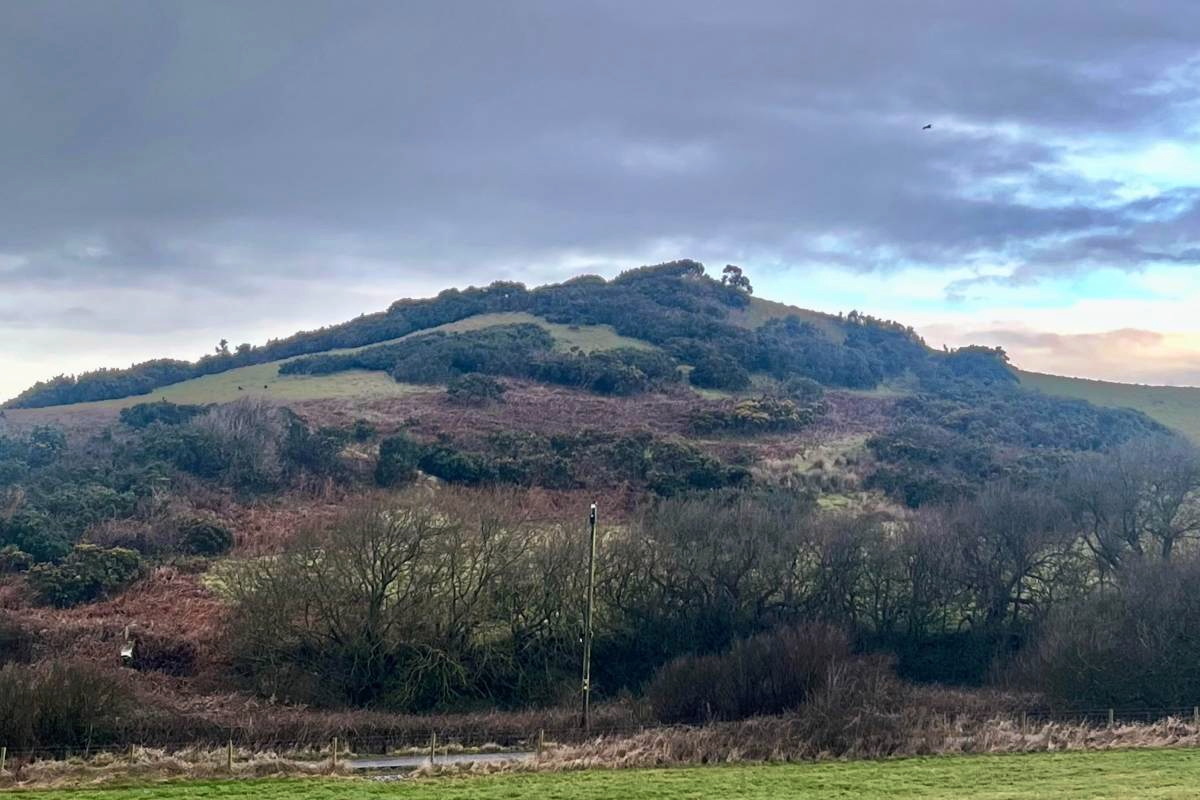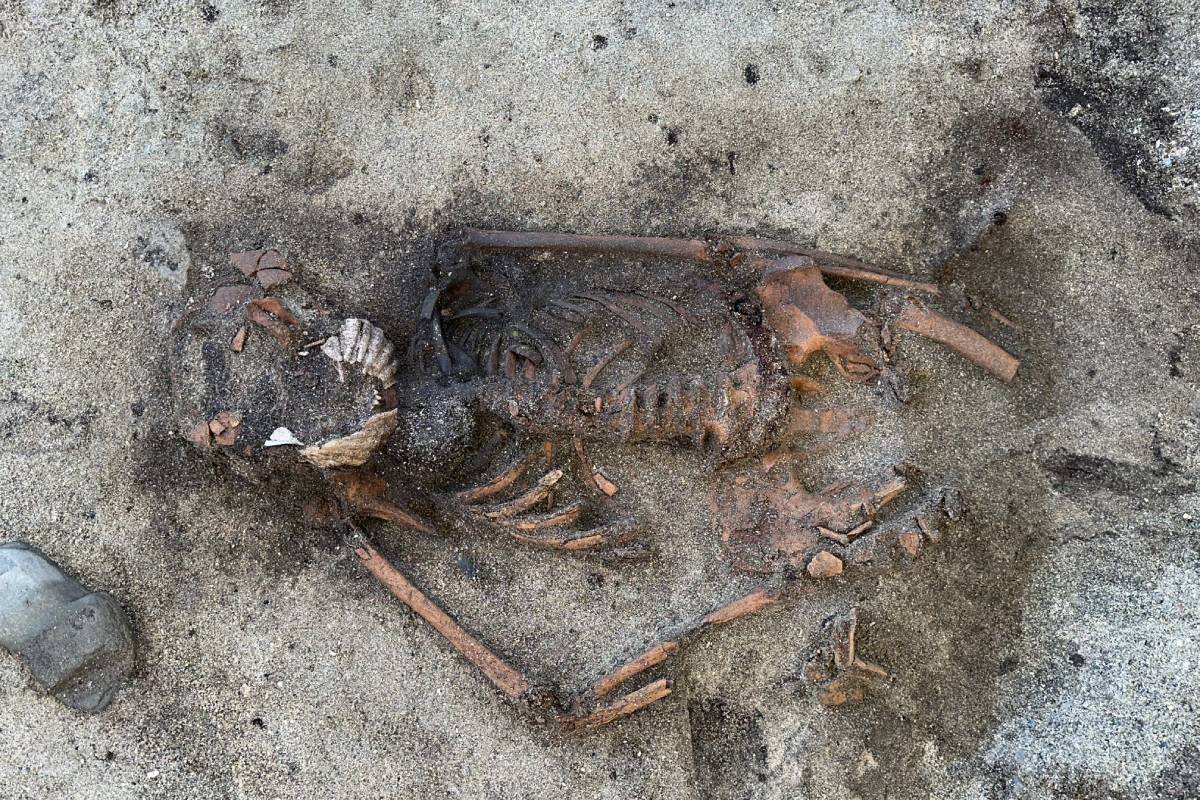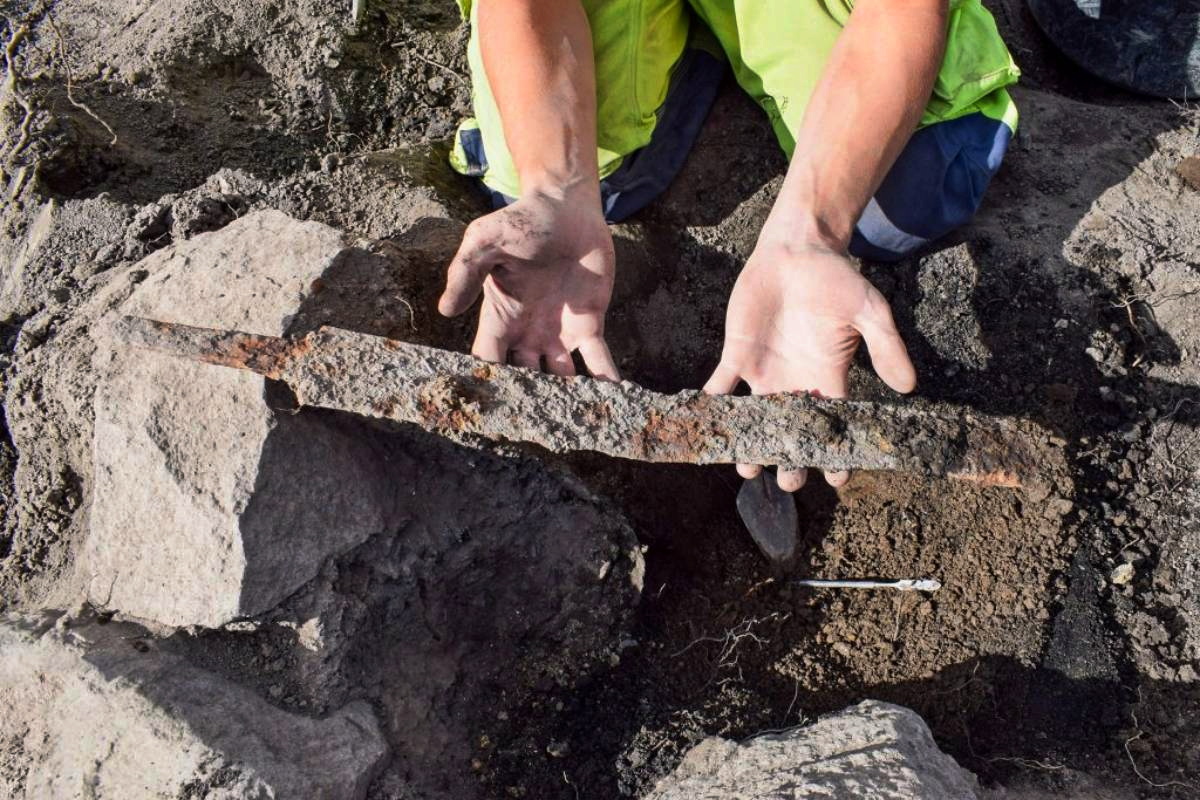


As reported by The Viking Herald a little over a week ago, an extensive excavation of a site in the Swedish town of Tvååker has revealed a large Viking graveyard and evidence of a ship burial.
To find out more, we speak to Petra Nordin and Anders Kjellin, two archeologists who have worked extensively at the site.
No easy excavation
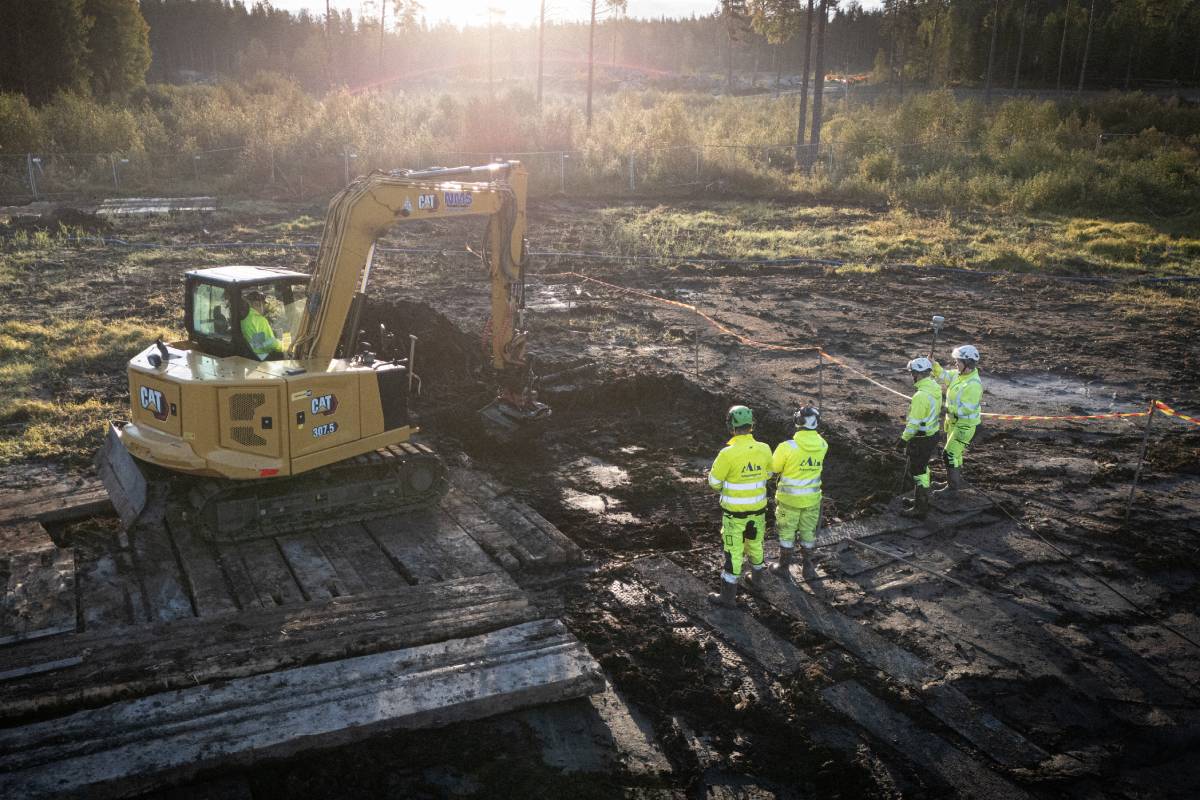
As the pair explain, pre-excavation work began in 2017 on a presumed Stone Age site at Tvååker in Halland County. Soon, however, evidence of several Viking Age graves emerged.
"We therefore began documenting the remains of a large Viking Age burial ground," report the pair, who work for the archeological consultants Arkeologerna.
"There is a historical map from 1811 where the Jydenshögen mound and several fields were labeled as 'fields with mounds.' This is the area we investigated."
The excavation work has been complicated by the fact that the site has been repeatedly plowed by farmers – many of the mounds and artifacts have been either destroyed or severely damaged.
Much of the original burial ground is also thought to be located under modern buildings. Fortunately, the team has still been able to develop a clear overview of the site.
"We have estimated that we have only excavated six percent in total, but the analysis so far shows that this was a burial ground in use from the 8th to the 11th century CE," Nordin and Kjellin tell us.
"We have discovered the remains of 139 burials, including three ship-formed stone settings and a ship-formed mound."

The Viking burial ground at Tvååker revealed 139 graves, including ship-formed stone settings and a ship-formed mound. Photo: Arkeologerna
Ship made of oak and stone
The latter appears to be the remains of a wooden ship burial that may have been relatively common in the local area.
"Scientists in the 1950s discovered a characteristic local grave type in Halland County known as 'oblong mounds,'" Nordin and Kjellin tell The Viking Herald.
"These have been interpreted to be the remains of a cremation in a ship site. The cremation here appears to have taken place in the ship."
"Analysis shows that oak was mostly found at the cremation sites, and the shape of the mound corresponds to the shape of a ship."
The team also revealed three stone ships, otherwise known as ship settings – where the grave is surrounded by slabs or stones in the shape of a boat or ship.
"Ship-formed stone settings are also symbolic," Nordin and Kjellin continue.
"Other archeologists have discussed the importance of large ship-formed stone settings as a manifestation of power by local elites in the Viking Age."
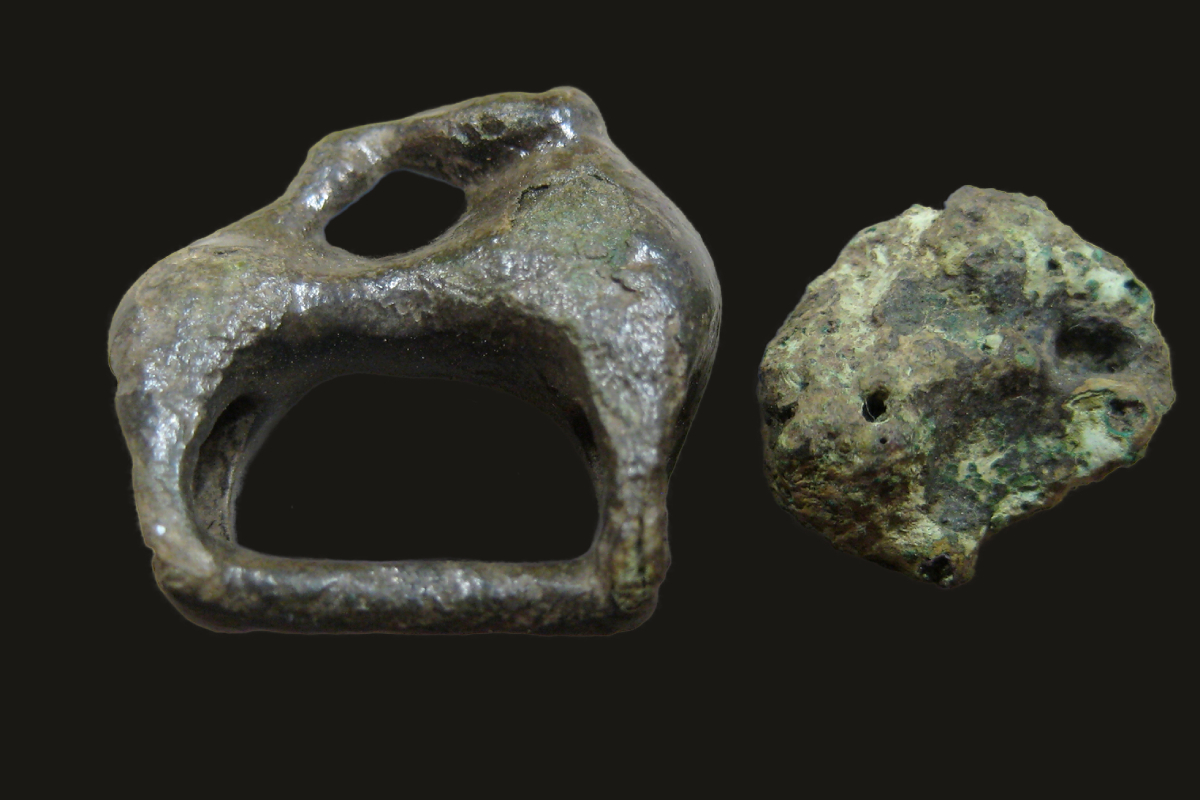
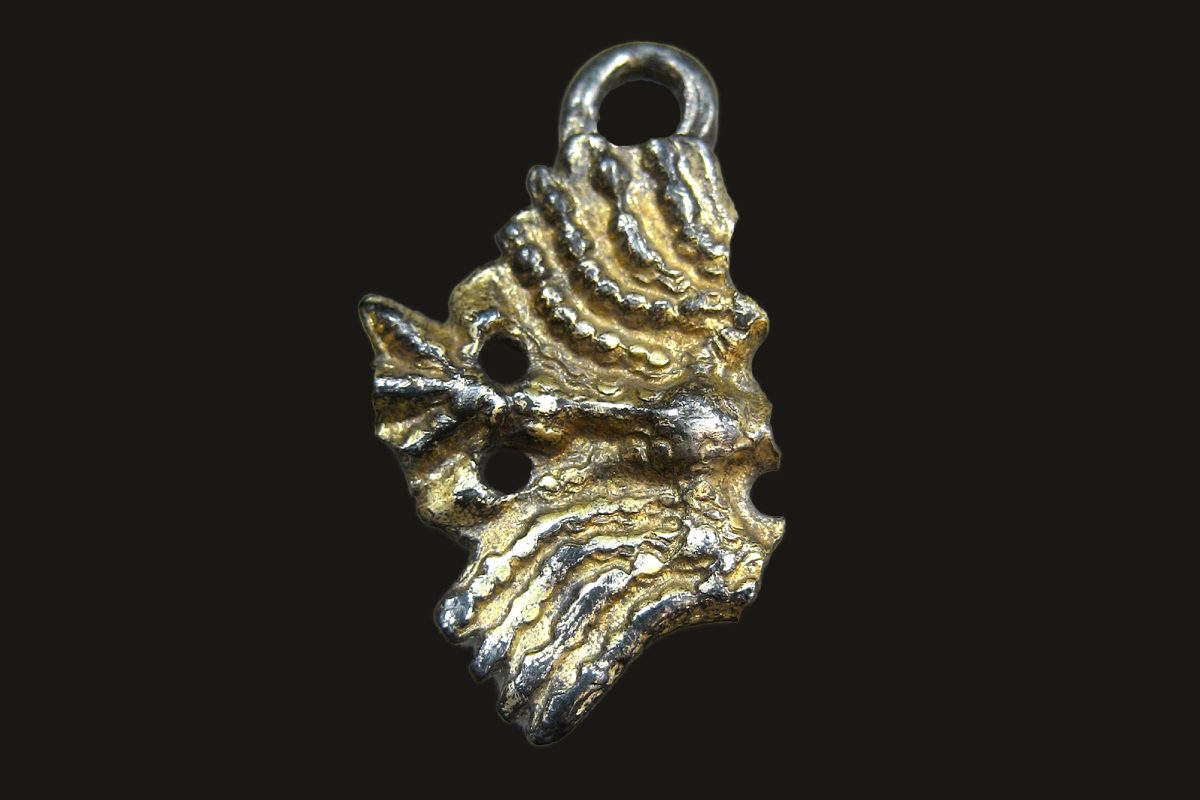
Among the numerous finds were a silver Arabic coin, a gilded bird pendant, and an artifact with a horse biting its own tail, similar to a Danish piece. Photo: Arkeologerna
Arabic coins and bird pendants
The excavations have also revealed a number of other intriguing grave goods, including well over a hundred items of bronze and iron and four silver artifacts.
"The finds from the graves included an Arabic silver coin that dates to 795–806 CE in the ship-formed mound, as well as a gilded bird pendant that was found in the largest ship-shaped stone setting," Nordin and Kjellin report.
"The coin was produced in Baghdad, while the pendant bears similarities to items found in mounds at Jelling in Denmark," the pair explain.
"There was also another item that featured a depiction of a horse biting its own tail. With this, a parallel could be found with a round buckle discovered in a shaman's grave at Fyrkat, Denmark."
"Another notable artifact is an equal-armed brooch – a type of jewelry that was worn by the Viking Age elite in the 9th century. This type of brooch has also been found in Birka, Uppåkra in southern Sweden, and Staraya Ladoga in Russia, for example."
Other finds include a suspected brooch depicting two birds that may represent Odin's ravens, Huginn and Muninn, as well as 246 vessels of imported and locally produced pottery.
Detailed analysis has also suggested that some of these items were produced in the Tvååker area, and the archeologists believe that this could be the earliest production of this type of ceramic on the west coast of Sweden.
- READ MORE: The Viking history of Sweden at a glance
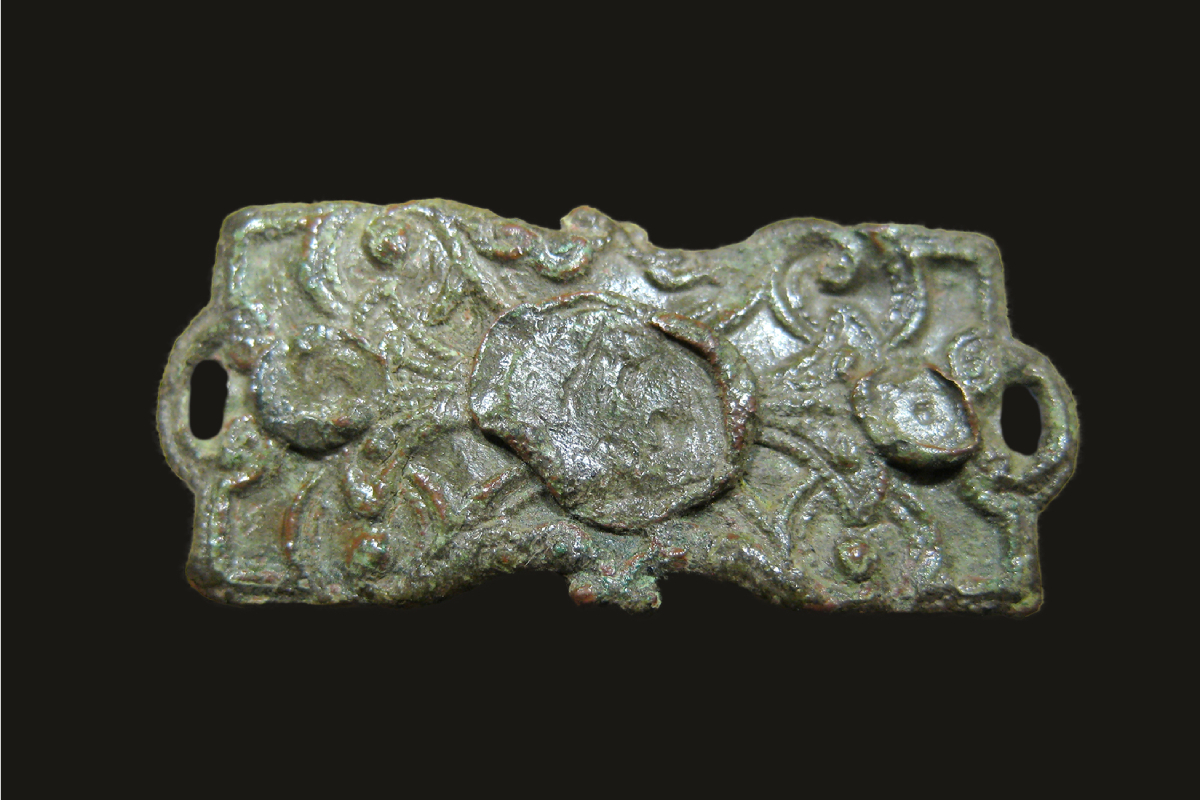
The Tvååker excavation revealed a snake brooch with interlaced patterns typical of Viking Age jewelry. Photo: Arkeologerna
Cremation and animal sacrifice are prevalent
The site also appears to show that, unlike some other parts of Scandinavia, cremation was a typical practice in this area in both the early and later parts of the Viking Age.
"The remains of cremated bones of humans and animals were found in the cremation layer on the bonfire of the grave," Nordin and Kjellin tell us. "The cremation ritual appears to have been essential in Halland County."
"One grave has been interpreted as a mound containing the remains of a cremation of a human and five animals in a ship. Two layers of stone that have been virtually destroyed by fire formed the basis of the grave."
"A similar grave was excavated in 1951 – some 70 years ago – at the burial ground of Korsgata, which lies just 10 kilometers north of the Tvååker burial ground."
There is also an indication that animal sacrifice may have been practiced at the site.
"The burial ground was very damaged," Nordin and Kjellin admit. "However, we have found burnt bones of cattle, pig, bird, and goat or sheep. We have interpreted these as a votive or food offering."
Dogs of different sizes also likely accompanied the individual to the pyre, and it appears that unburned cattle heads were placed in some of the graves before they were sealed."
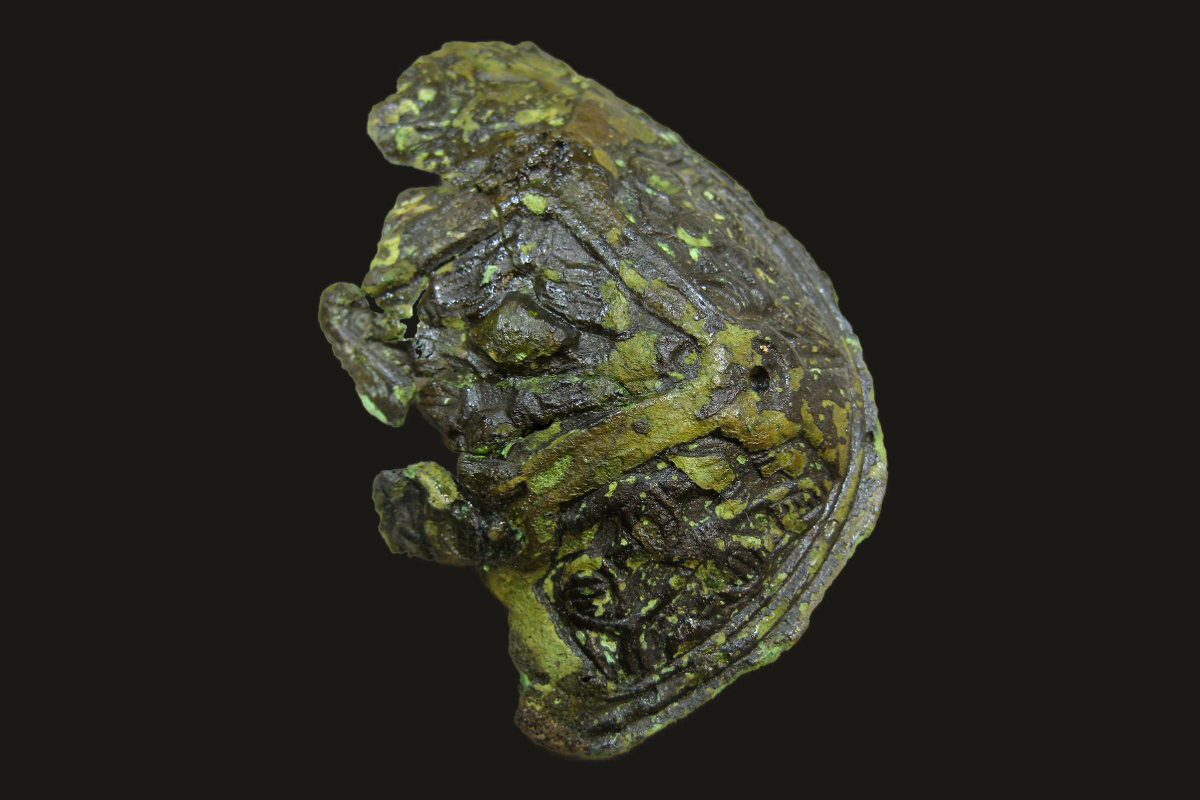
The findings at Tvååker hint at trade and settlement in the region, lending support to theories of a Viking marketplace near Varberg. Photo: Arkeologerna
Mapping Viking history
As the pair indicate, there is still much work to be done to understand the site's full significance in relation to the local area.
"Colleagues of ours have tried to find a Viking marketplace at Gamla Köpstad, which is situated by the sea, south of the city of Varberg. Our discovery of this burial ground supports their project," Nordin and Kjellin explain to The Viking Herald.
The pair also mention another study in the 1990s that identified some intriguing finds close to Tvååker. "There were two water-powered mills with parts that can be traced back to the late Viking Age."
"Here, in grave 20, we found a part of a mill that had been used for grinding. This is another interesting question: could the use of water power be traced back to the Viking Age?"
Signs of pottery and bronze production from the local area also indicate that there may have been a large settlement nearby.
"This work indirectly provides information on the importance of this site. It could also help other archeologists find the remains of burial grounds in the future," Nordin and Kjellin tell us.
"By focusing on metal detection abilities and combining these with archeological skills, we hope it will make it possible to better see the context in the remains of the graves."
We get to provide readers with original coverage thanks to our loyal supporters. Do you enjoy our work? You can become a PATRON here or via our Patreon page. You'll get access to exclusive content and early access.
Feel free to reach out to discuss potential stories that may be in the public interest. You can reach us via email at [email protected] with the understanding that the information you provide might be used in our reporting and stories.