

Archeologists have announced the discovery of a potential Viking longhouse and grave in an excavation at a farm in western Norway. The find is one of several discoveries made at the site, spanning a range of historical periods.
Layers of Norwegian history
The excavations at Ovra Farm in Møre og Romsdal County in Norway were initially commissioned as part of the planning process for new municipal water utilities.
Even before digging started, there was already much anticipation among the archeological team, given that a suspected Viking Age burial was unearthed at the same location in 2009.
Over the course of the investigations, the archeologists revealed a 4,000-year-old Stone Age house and tools that could be up to 7,000 years old, as well as signs of Iron Age activity.
The team has now announced that they have also identified the remains of a longhouse from the Viking or Merovingian era, with the use of post holes at this location reminiscent of techniques commonly employed during the Viking Age.
- READ MORE: A Viking history of Norway (Part 1)
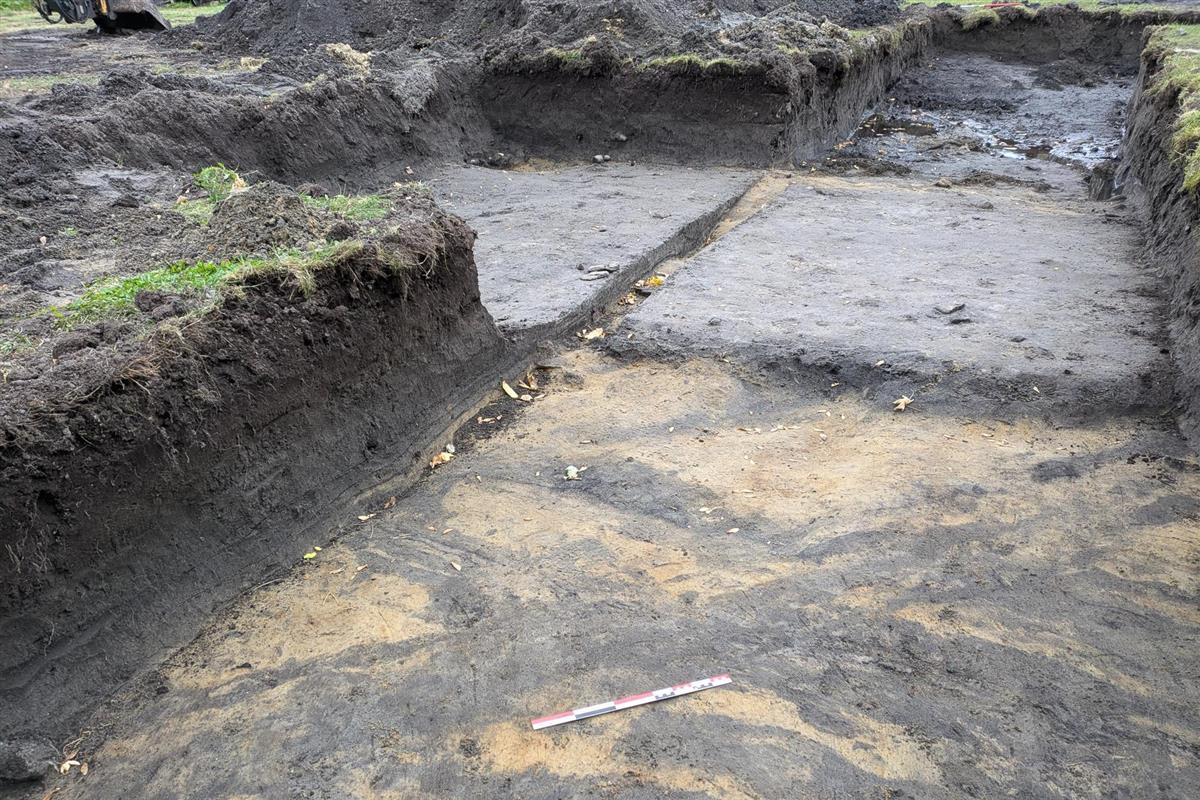
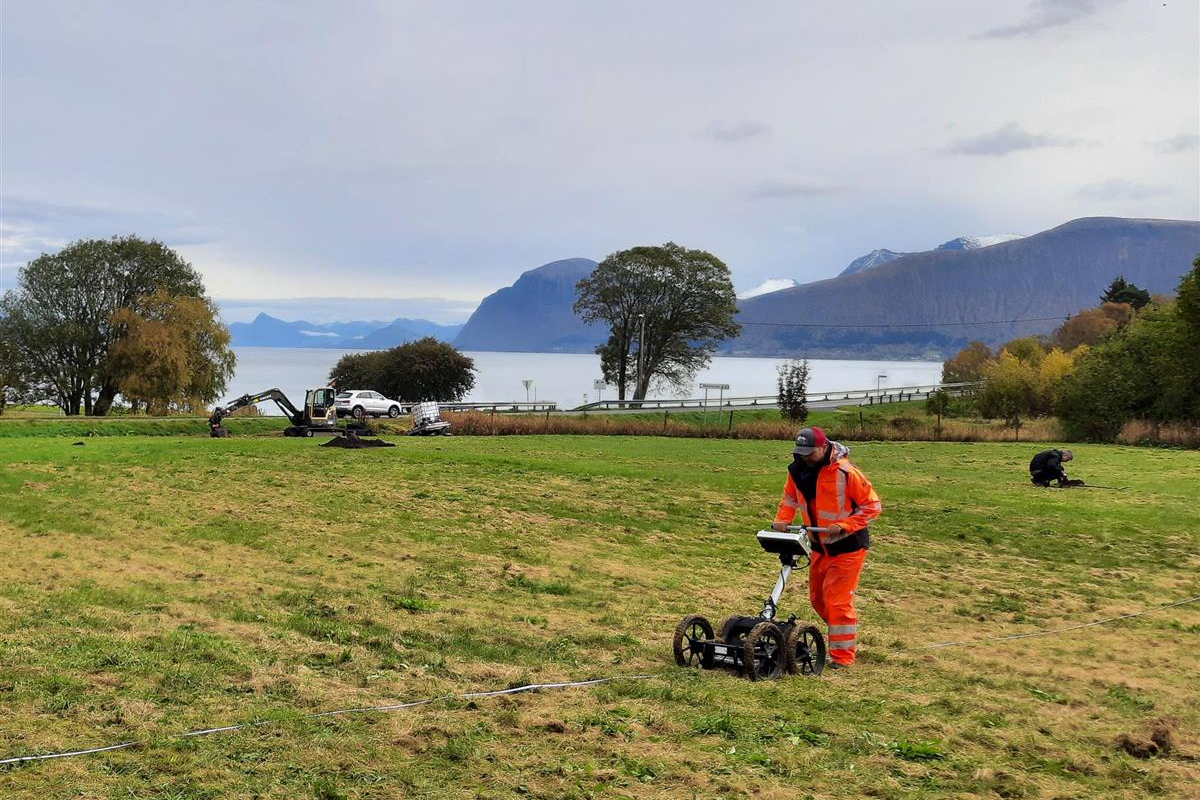
Archeologists found traces of a potential Viking longhouse with radar scans and aerial imaging, then confirmed them through excavation. Photo: Arve Nytun
Radar helps make the breakthrough
The possible presence of a longhouse at the site was first identified through the use of ground-penetrating radar and aerial photographs.
The archeological team then excavated the area to see if it was possible to identify traces of the house.
Though the material remains appear to confirm the presence of a longhouse dwelling, further analysis is required before any definitive conclusions can be drawn.
"Of course, we cannot be 100% sure that the longhouse is from the Viking Age, but the way the post hole is constructed, with stone packings that hold the posts in place, is typical for the period," commented archeologist Inherit Nytun in a recent press release issued by Møre og Romsdal County Council.
"We have also found a pendant that could be dated to the Viking Age. However, we are still waiting for the results from C14 dating."
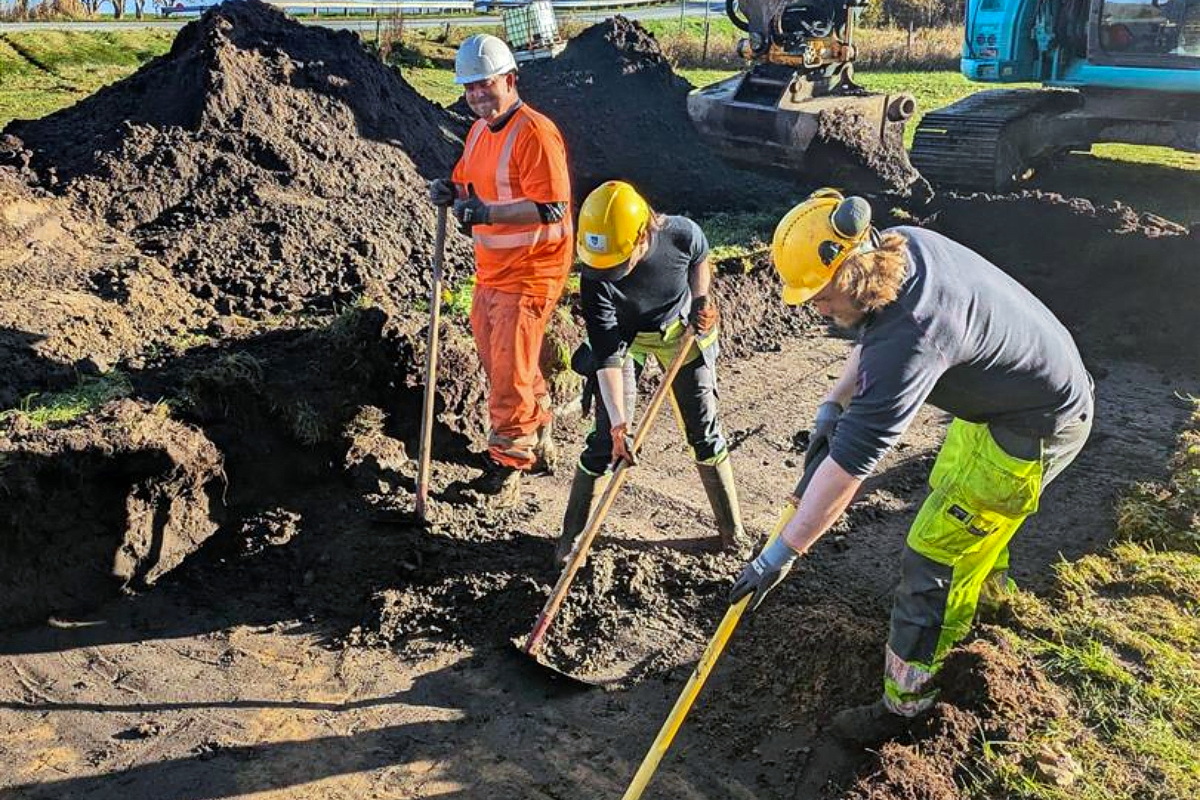
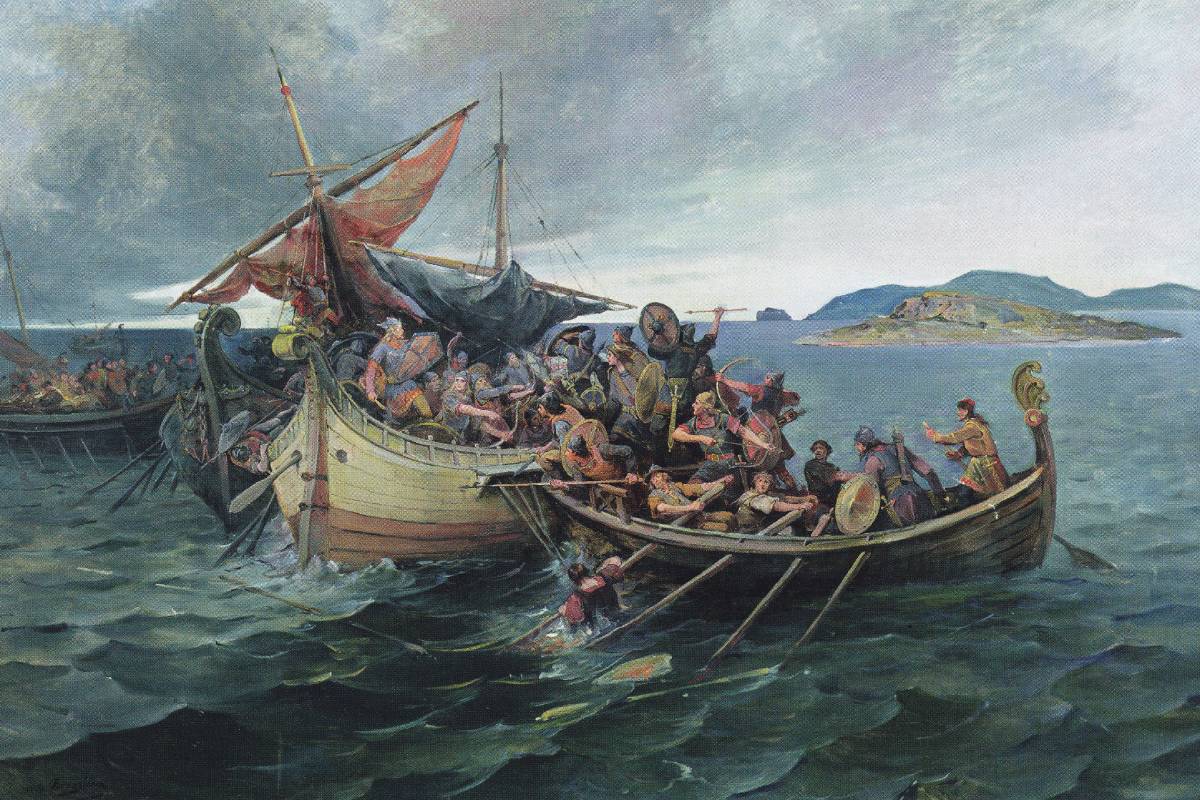
Remains identified near Hjørungavåg could be linked to the Viking Age battle between Earl Håkon and the Jomsvikings. Photo: Arve Nytun
The battle has just begun
In many ways, the identification of possible Viking Age remains at Ovra should come as no surprise, given that it is located close to the historical battle site of Hjørungavåg, where Earl Håkon is said to have fought against the Jomsvikings of Denmark.
The battle is believed to have taken place in 986 CE and is described in both Heimskringla and the Jómsvíkinga saga.
Although confirmation is difficult, given that most of the accounts of the battle were written long after the alleged events, many historians believe some kind of clash likely did take place at Hjørungavåg around this time.
It is hoped the latest discovery could shed new light on this tumultuous era when the likes of Harald Bluetooth and Earl Håkon struggled for power across both Denmark and Norway.
At the same time, we will have to wait for further analysis regarding the exact date of the longhouse and whether it truly could have had any links to the Battle of Hjørungavåg.
We get to provide readers with original coverage thanks to our loyal supporters. Do you enjoy our work? You can become a PATRON here or via our Patreon page. You'll get access to exclusive content and early access.
Feel free to reach out to discuss potential stories that may be in the public interest. You can reach us via email at [email protected] with the understanding that the information you provide might be used in our reporting and stories.