

From the safety of the 21st century, the early medieval period can appear to be a bloody and violent era to live in. Part of this violence, of course, was handed out by our favorite early medieval warriors, the Vikings.
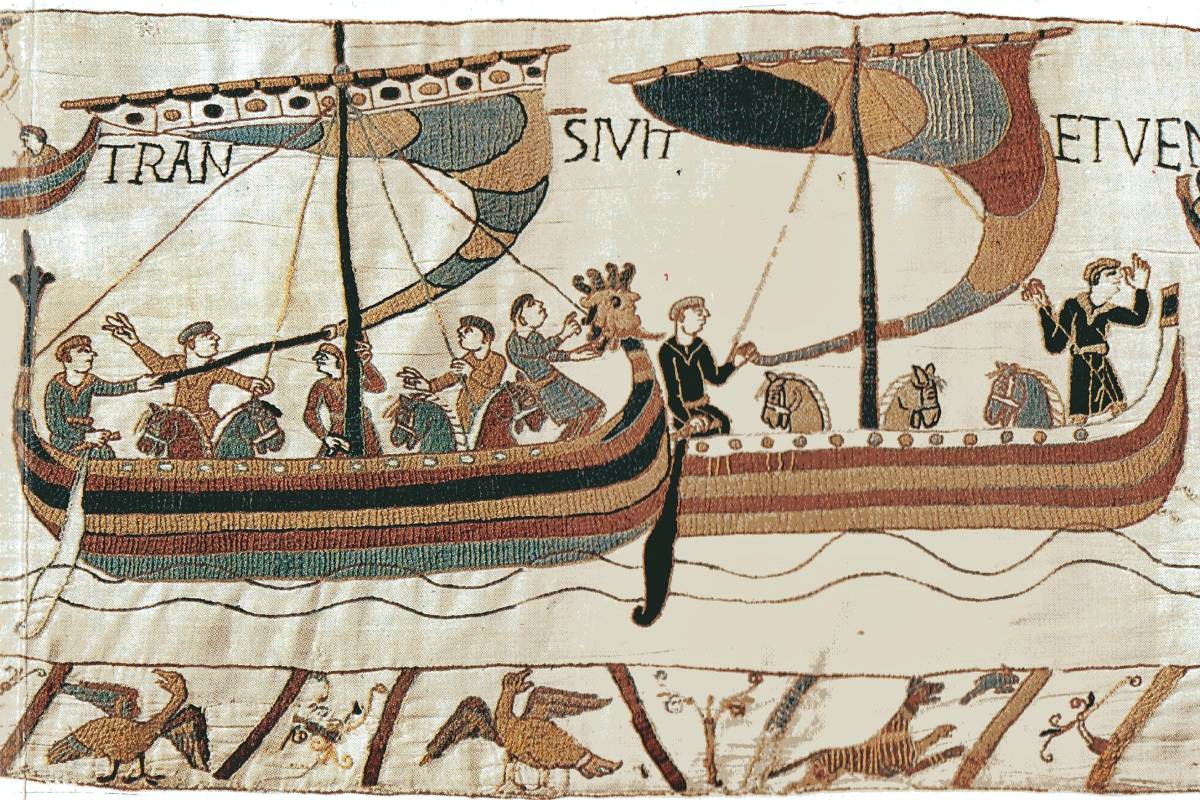
The outward expansion of people from Viking societies, from the mid-8th century CE onwards, was certainly not peaceful. This expansion was certainly fueled by Viking warriors, by the pointy edge of a sword or battle axe, ensuring loot was taken, people enslaved, power secured, and new territories conquered and settled.
Thanks to recent Hollywood depictions of the military exploits of Vikings, be it the series Vikings on the small screen or Robert Eggers' 2022 film, The Northman, we in the modern age have become used to the idea of a Viking berserker.
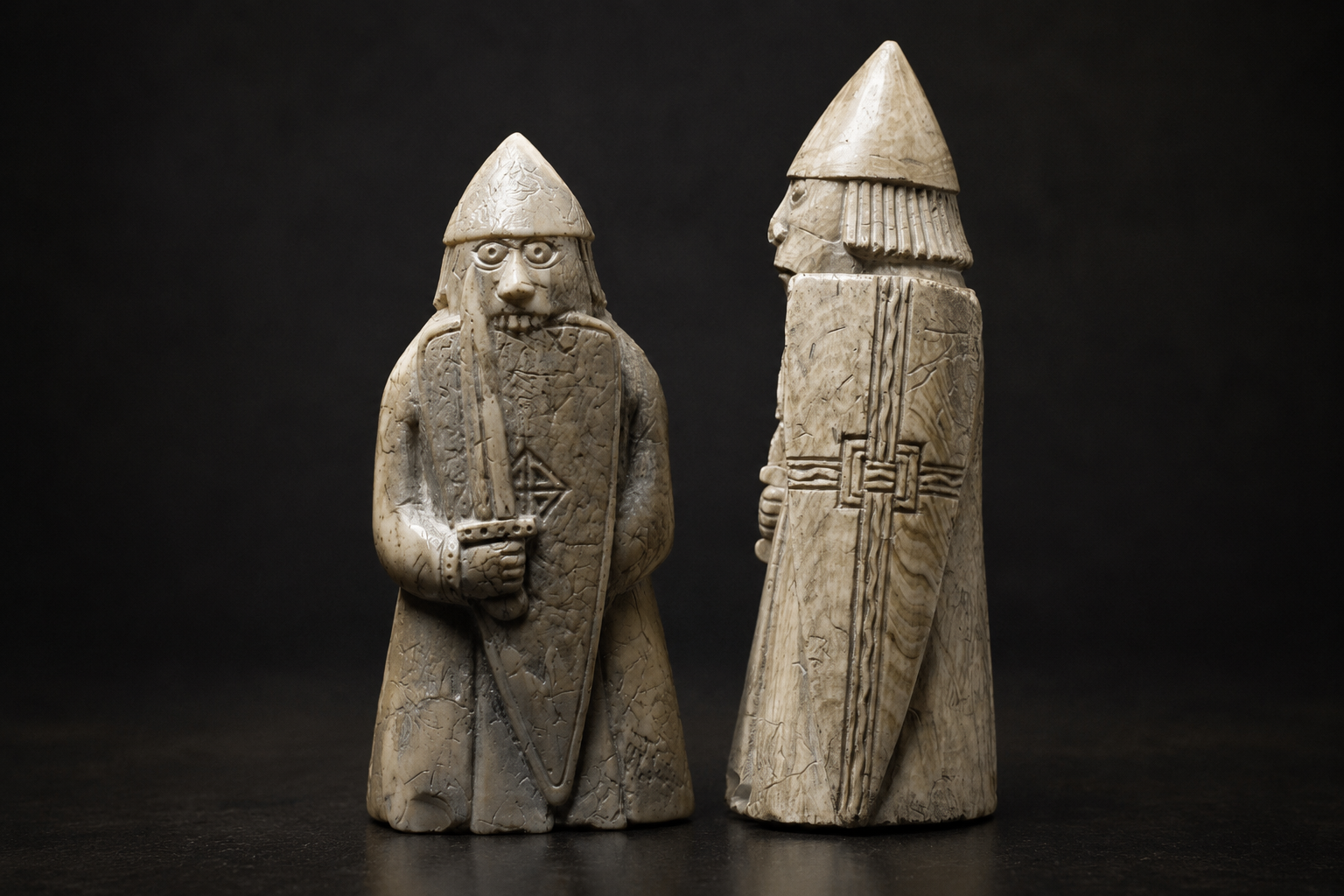
Here, a berserker is presented as the shock troop of a Viking raiding force, thrust into the heart of battle, clothed in a bearskin, perhaps experiencing some sort of trance-like state after consuming mushrooms or some other drug-inducing herbal remedy. They cut a bloody swathe through enemy lines and seem to have superhuman bloodlust to match enhanced strength and stamina.
Entertaining though these types of depictions are (the current author is an unabashed fan of both Vikings and The Northman), do they hold any historical weight? After all, films and streaming series are there to turn a tidy profit and entertain, not necessarily to educate and teach.
To help rid us of these Hollywood stereotypes, we thought we'd go back to the early medieval sources and see exactly what people in Viking societies thought and wrote about Viking berserkers.
Harald Fairhair and howling wolf skins
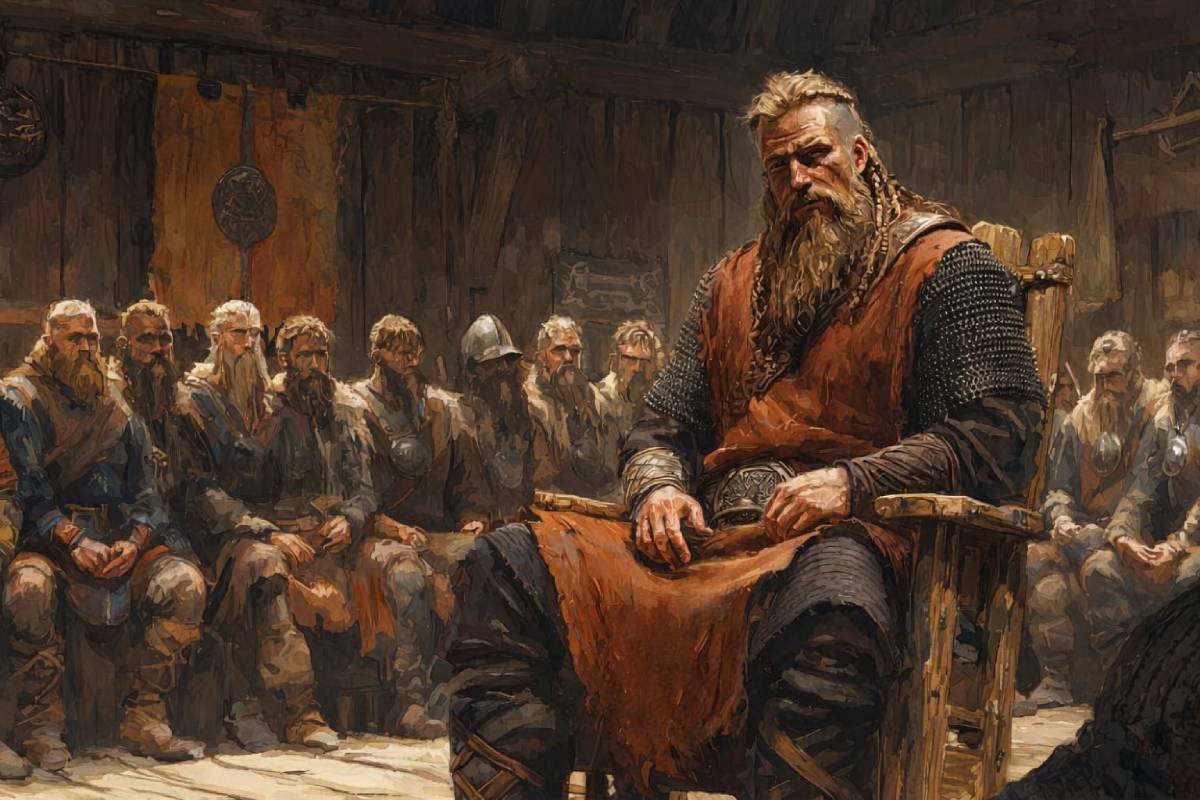
We turn first to one of the earliest poetic sources we have from the Viking Age. The poem, Hrafnsmál (Old Norse for "Raven's Song"), was said to have been written in the mid-9th century CE by Þorbjörn Hornklofi. Aside from being a poet, Hornklofi was said to have a cushy job as the court poet to none other than the man who was said to have unified Norway into a single kingdom, Harald Fairhair.
The poem that Hornklofi wrote is a lengthy conversation between a valkyrie and an unnamed raven who go into great detail about the deeds and exploits of Harald Fairhair. As such, the poem has many elements of what historians call a "praise poem" and was even perhaps spoken aloud in the court of the Viking king himself.
In this poem, we find a specific early mention of a berserker when discussing a battle. Turning to the poem (we use an online version of Diana Whaley's 2012 English translation), we find a discussion of one of Fairhair's victories in which the valkyrie asks:
"Have you heard how the high-born king fought with Kjǫtvi inn auðlagði there in Hafrsfjorden? ... Ships came from the east, eager for battle ... they were loaded with men and white shields, western spears and Frankish swords. Berserks bellowed; battle was underway for them; wolf-skins howled and brandished iron spears..." [Stanza 8]
PLEASE NOTE: The rest of this article is only available to our paid Patreon subscribers.
The topic was selected by our Patrons in a weekly poll. Support The Viking Herald on Patreon to read the full article and help choose future topics.
If you would like to learn more about Patreon and why we have decided to restrict access to some content, please take a look at this article.
Feel free to reach out to discuss potential stories that may be in the public interest. You can reach us via email at [email protected] with the understanding that the information you provide might be used in our reporting and stories.