

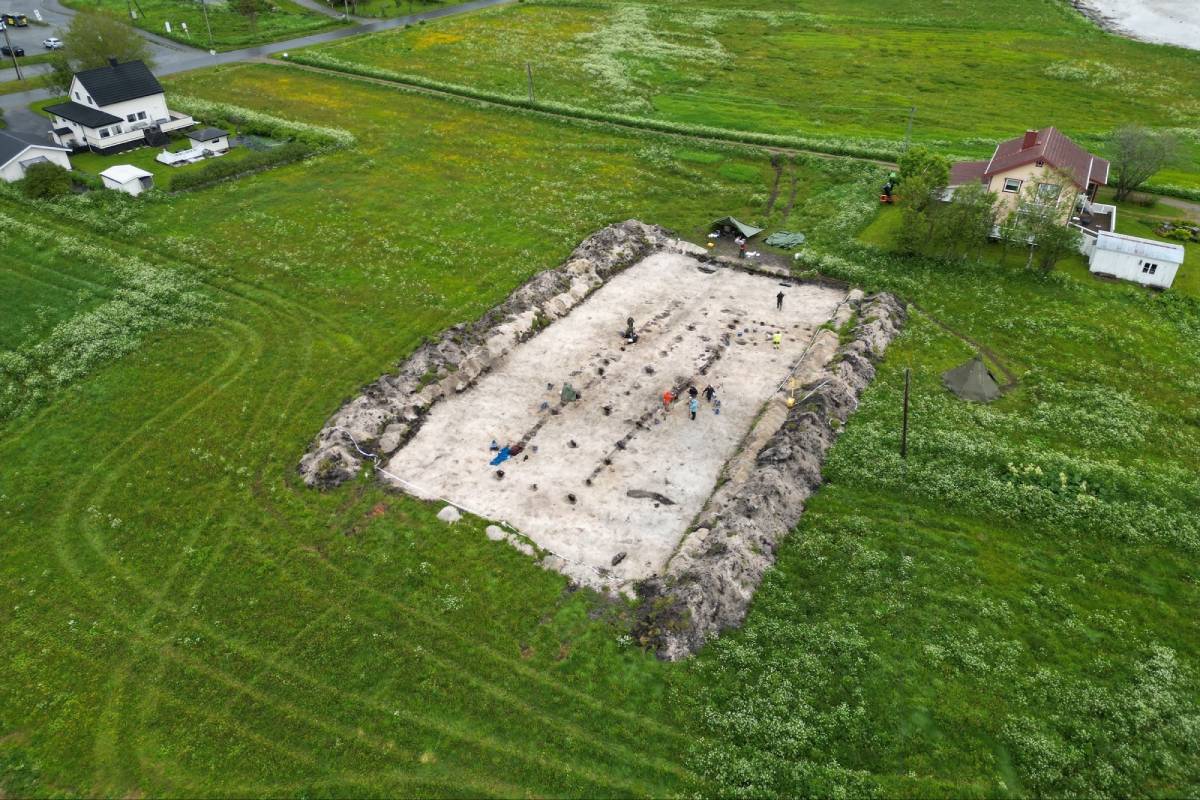
Archeologists in Norway have completed a new excavation on a distinctive two-aisled longhouse at a site at Evenskjer.
The Viking Herald speaks to archeologist Johan Arntzen of the University of Tromsø about the significance of the find and the extent of the investigations.
An eight-year wait
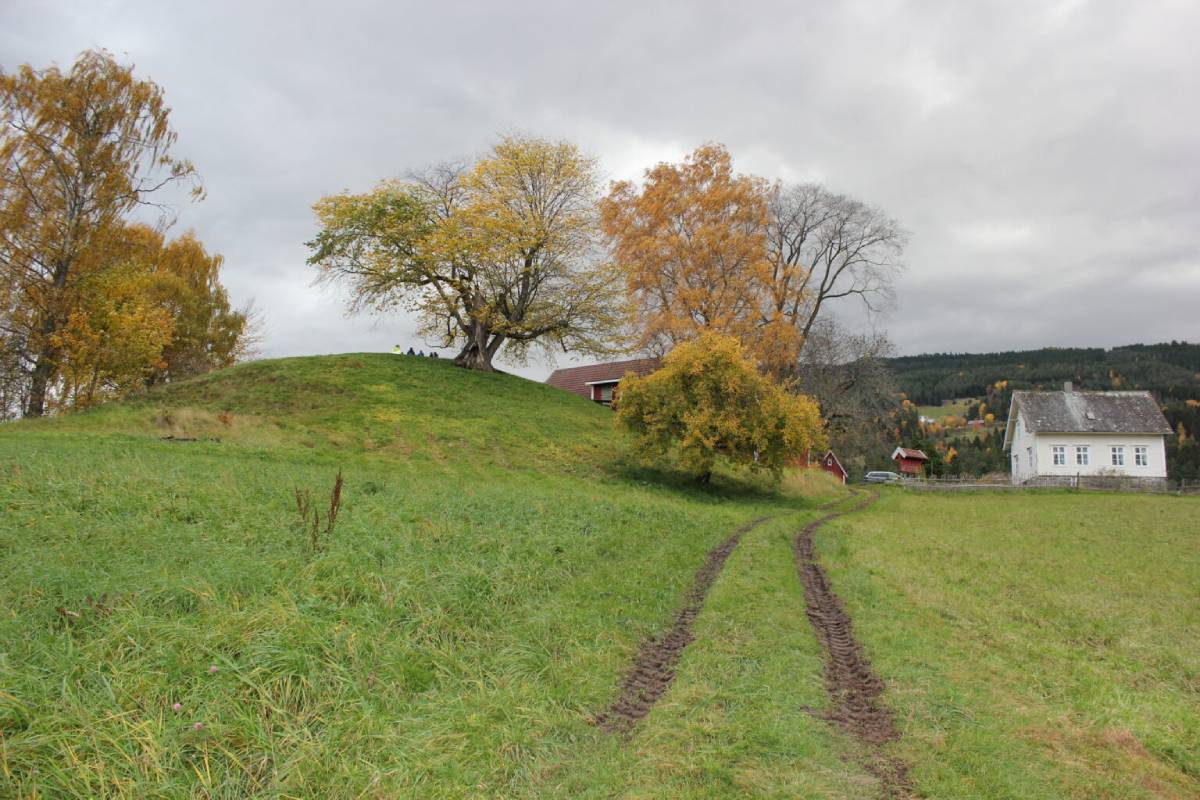
The Evenskjer longhouse is situated in the Norwegian county of Troms, just above the Arctic Circle in the municipality of Tjeldsund.
As Johan tells The Viking Herald, the presence of the building was initially detected in 2017 during a project to evaluate the potential of ground-penetrating radar, with the Norwegian Institute for Cultural Heritage Research (NIKU) working in collaboration with archeologists from Troms County Administration.
"The results were exceptionally clear and unmistakable," Johan informs The Viking Herald.
"The findings were published in a report and presented at our research seminar in Tromsø by the project leader, Manuel Gabler, in 2018. There was significant interest in investigating the site further. This year, we finally secured the necessary funding."
The team began their work in early June, first using a mechanical excavator to remove the topsoil. "The longhouse was then fully excavated during two intensive weeks, from June 9–20 of this year," Johan tells us.
"We decided to relocate the field course for both our Master's and Bachelor's students to Evenskjer for the dig. We collected several hundred kilograms of soil for macrofossil analysis and hundreds of samples for soil chemical analysis."
- READ MORE: Exploring the Viking longhouse
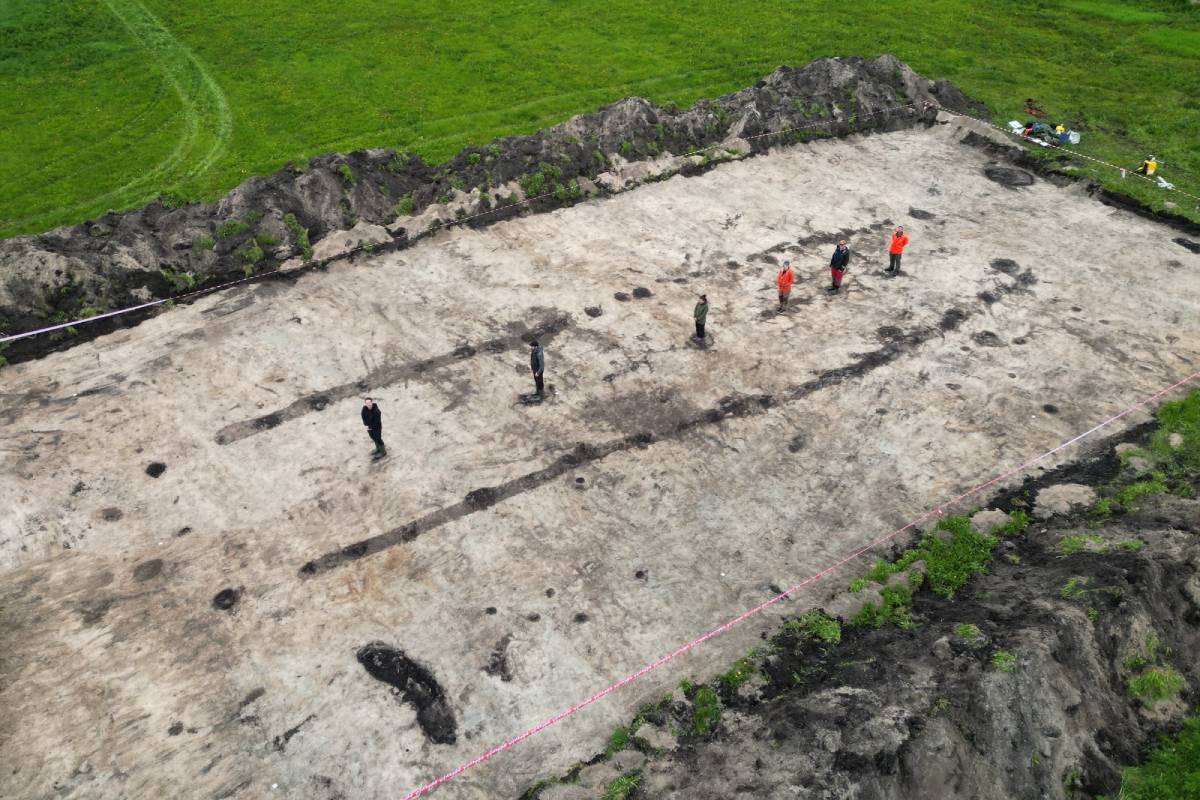
Built with three rows of posts, the structure features two distinct aisles instead of the typical single space. Photo: AHR / UiT The Arctic University of Norway
One of a kind
The results indicate that the find is one of the largest longhouses in Northern Norwegian history.
It also has a particularly noteworthy design. "The longhouse is unique due to its basic construction type, which is a very distinct two-aisled structure," Johan tells The Viking Herald.
While most longhouses have a single aisle, two-aisled longhouses are built using three rows of posts—two for the outer walls, and one in the center to support the roof, creating two separate aisles, or spaces.
It is thought the longhouse may have been built somewhere towards the end of the Scandinavian Iron Age.
As Johan points out, while two-aisled buildings have been unearthed before, it is rare to find such an impressive example. "Two-aisled buildings are known in northern Norway, but they are generally less distinct and 'messier'," Johan explains.
"One poorly preserved example has been tentatively dated to the Pre-Roman Iron Age, another to the Migration Period, and a third to the Merovingian Period."
"Yet these examples cannot be directly compared to the longhouse at Evenskjer, whose layout closely resembles houses from the Early Bronze Age and Late Neolithic periods found further south."
"Some two-aisled houses are also known from the Viking Age," Johan adds. "There is a notable example from central Norway, and many more are documented in Denmark."
"However, the Evenskjer longhouse is not identical to these. Its preservation conditions, such as the preserved wood, and its location just six meters above sea level, suggest it is likely from the Iron Age."
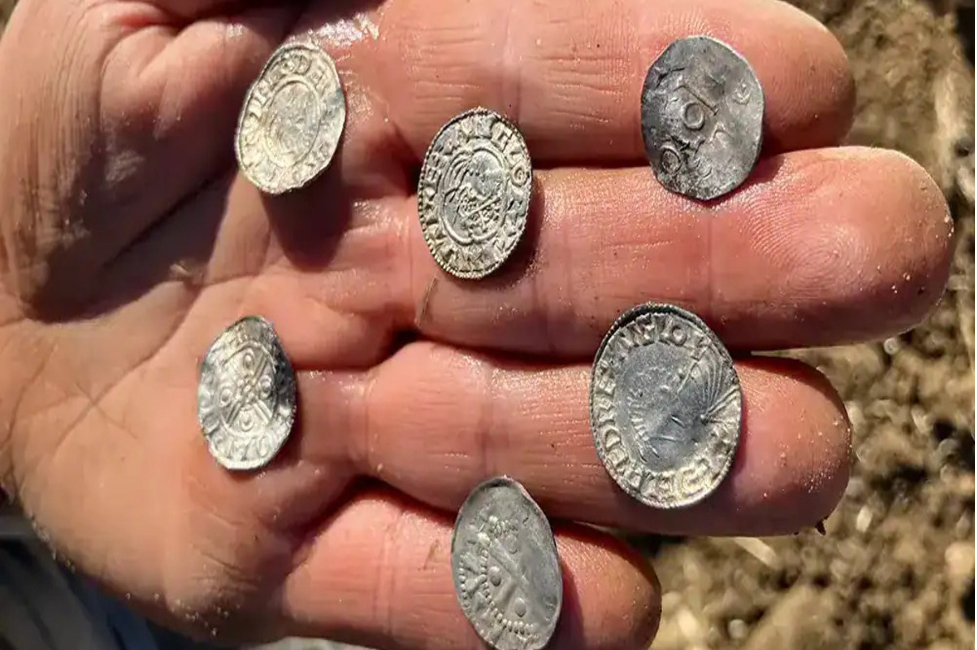
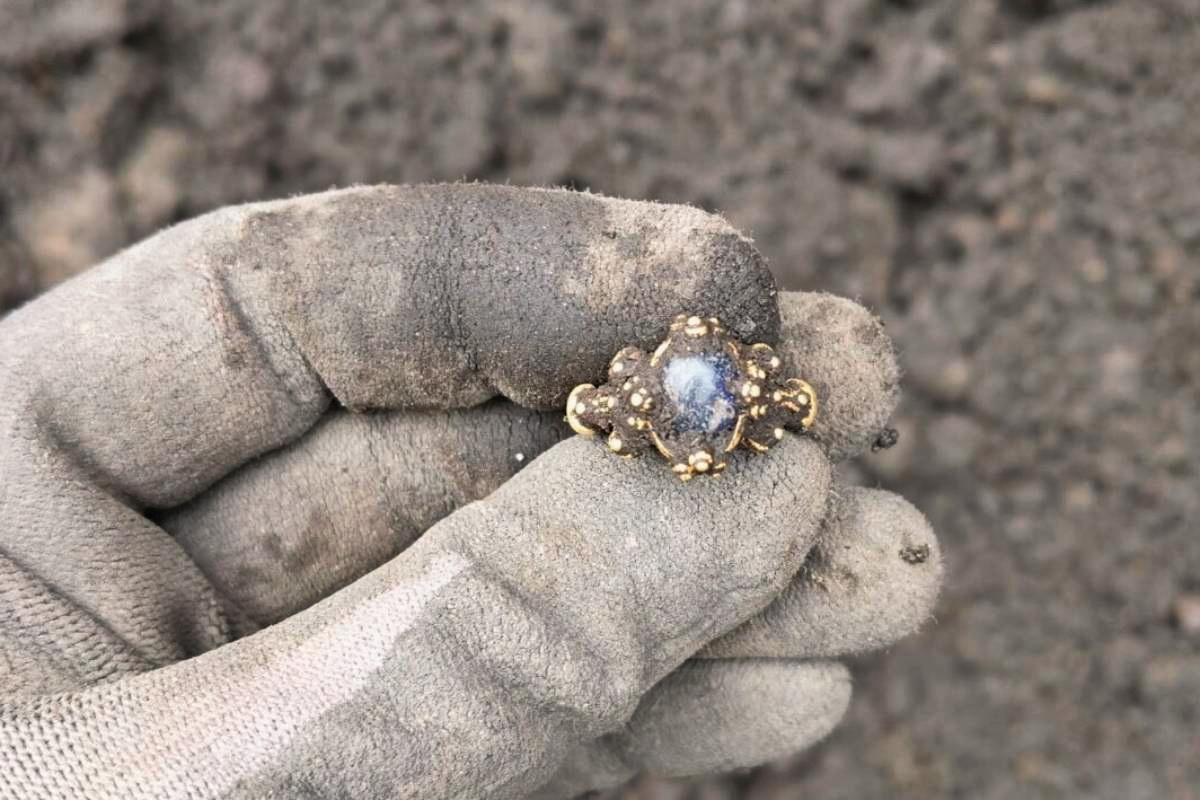
"We have also found a few iron objects such as a couple of nails and a knife, with probable dating to the late Iron Age or the early Medieval period."
- READ MORE: A Viking history of Norway (Part 1)
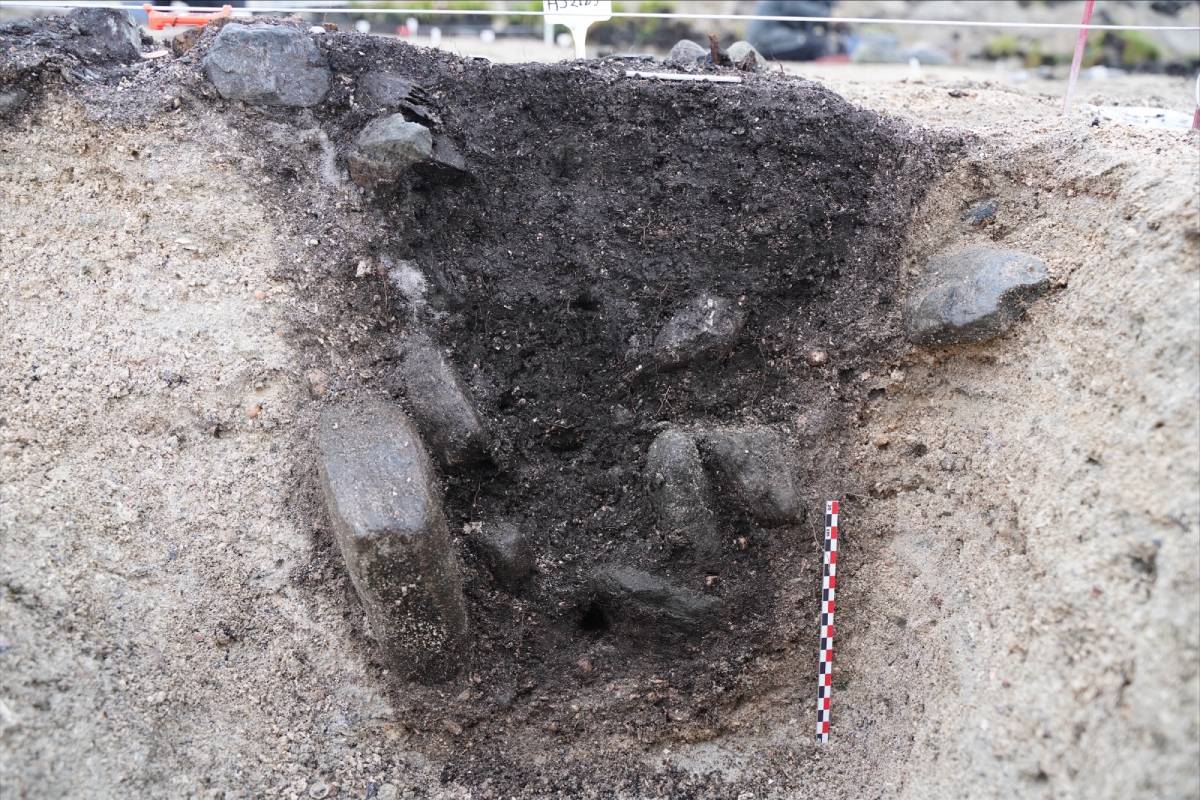
Archeologists are withholding firm conclusions about the building's age until post-excavation studies are completed. Photo: AHR / UiT The Arctic University of Norway
A historic region
As Johan points out, despite its northerly location, the area around Evenskjer has a long and prestigious history.
"Tjeldsund has held strategic importance since prehistoric times," Johan explains.
"It served as the inner seaway connecting the Salten, Hamarøy, and Steigen regions with southern Troms and areas further north. According to Viking sagas, the Tjeldsund area—particularly the farm Sand and Tjeldøya—was the seat of a chieftain."
In other words, it is possible, or even probable, that the longhouse belonged to a powerful local ruler.
"Control of this seaway has been significant both economically and in terms of power and influence," Johan admits. "This fact is supported by numerous burial mounds, cairns, and settlement remains in the area, as well as some of the largest boathouses known in northern Norway."
At this stage of the analysis, however, Johan is reluctant to make too many assumptions about the nature or the age of the building.
"How the Evenskjer longhouse fits into this context remains to be determined," he admits. "It could also date to the Early Iron Age or the Migration Period. For example, two years ago, a courtyard site was excavated across the Tjeldsund Strait that has been dated to this period."
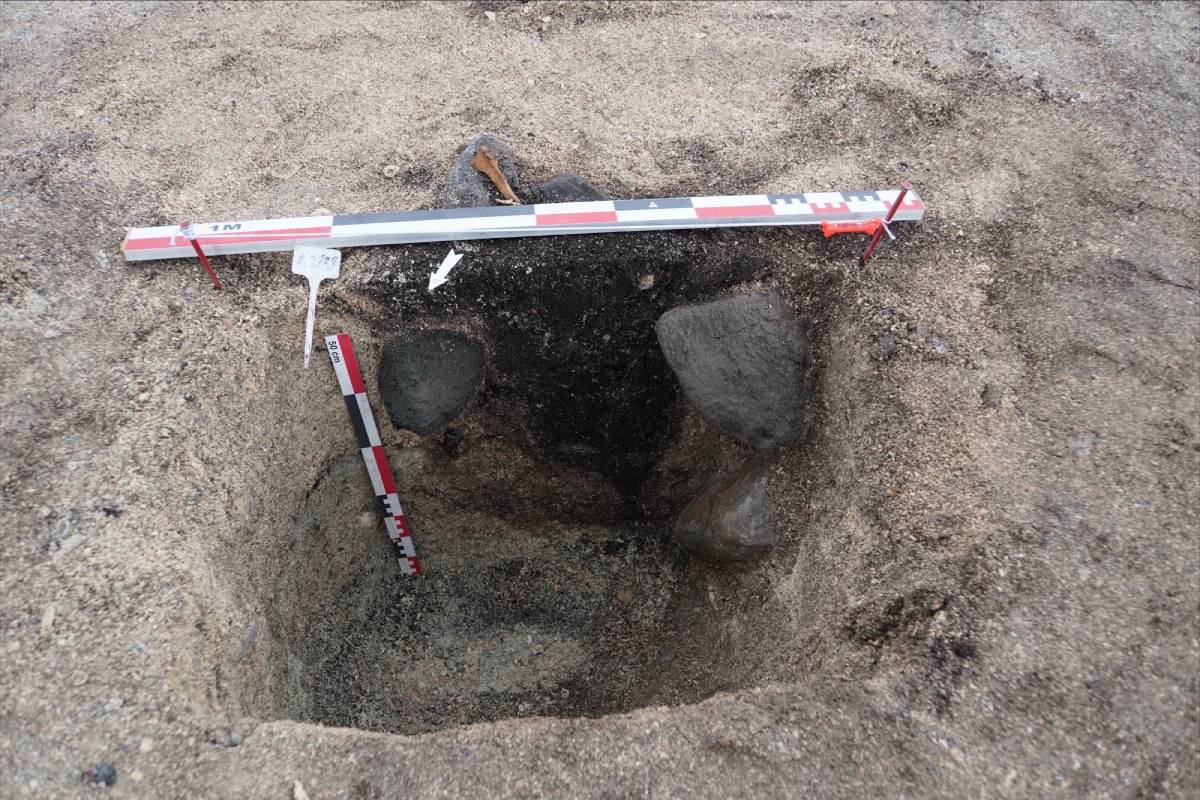
If funding allows, additional excavations at the site could take place in the coming year. Photo: AHR / UiT The Arctic University of Norway
Only the start
Indeed, with so few examples of two-aisled longhouses in Norway, it is not easy to make many assumptions at this stage. Fortunately, with the excavation still fresh, there is plenty of further analysis to carry out.
"The archaeological documentation, samples, and all the data we have gathered will be analyzed during the autumn and the following spring," Johan informs The Viking Herald.
"This analysis will provide answers regarding the exact date of the longhouse, its function, and many additional details about the economy and daily life during its period of use."
It is also hoped that the discovery of the longhouse and the anticipated research will help to provide a clearer picture of activity around the area near Tjeldsund.
"The results will be published in an excavation report, and we also aim to publish one or more scientific papers on the findings," Johan adds. "If funding becomes available, excavations in the area are also expected to continue next year."
We get to provide readers with original coverage thanks to our loyal supporters. Do you enjoy our work? You can become a PATRON here or via our Patreon page. You'll get access to exclusive content and early access.
Feel free to reach out to discuss potential stories that may be in the public interest. You can reach us via email at [email protected] with the understanding that the information you provide might be used in our reporting and stories.