

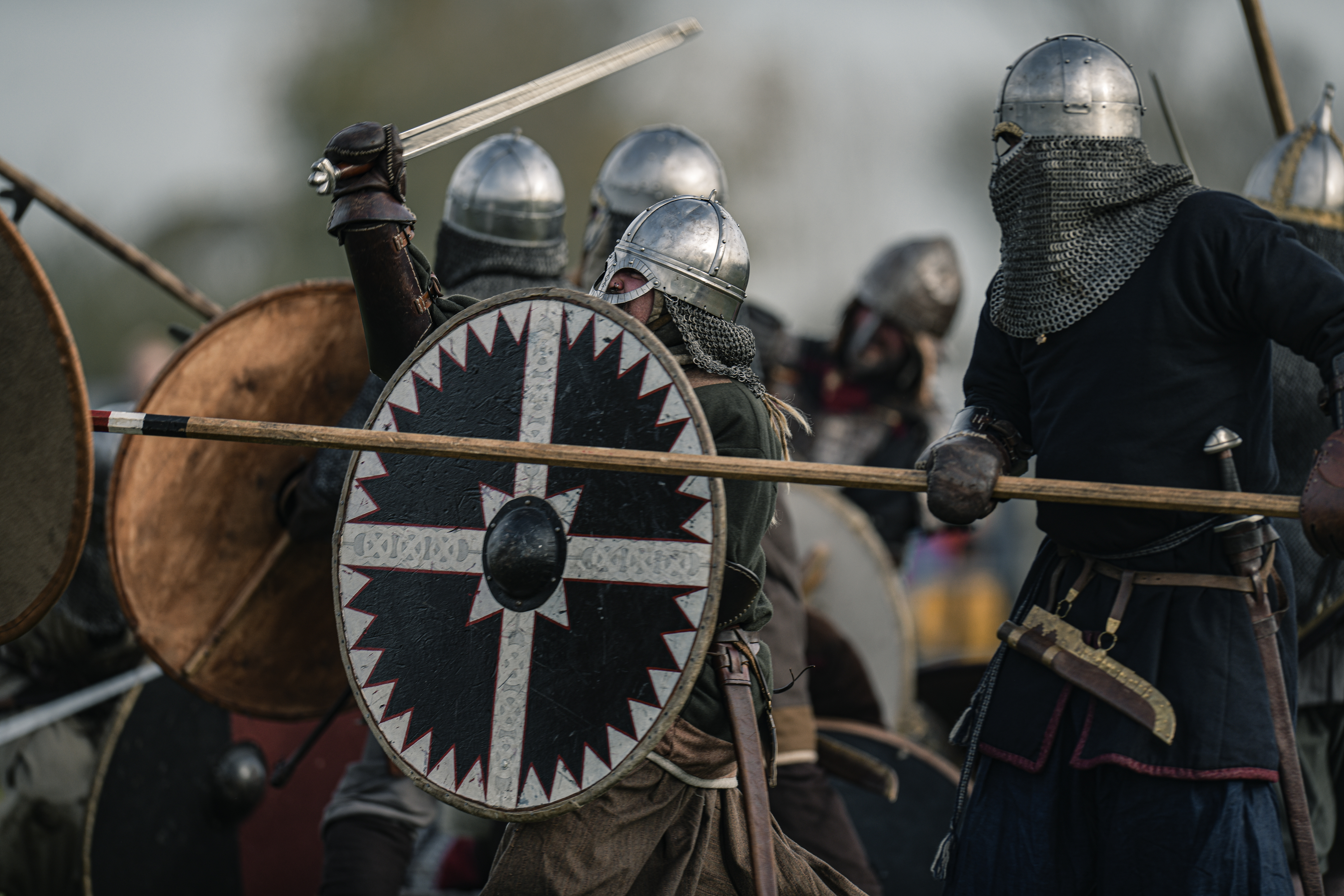
Arise, arise, Warriors of courage! Fell deeds awake, fire and slaughter! Spear shall be shaken, shield shall be splintered, a sword day, a red day, ere the sun rises! Ride now, ride now! Ride to Stonham!
With a nod to Tolkien, preparations are afoot for one of the UK's largest and most engaging Norse-themed events: The Saxon and Viking Festival, located at Stonham Barns Park in Suffolk.
This year's event will take place on the weekend of September 7–8. To find out more, The Viking Herald spoke to event organizer Fraser Carson about East Anglian history, Saxon and Viking integration, and ceremonial boat burning.
A part of East Anglian history
"The first event took place little over six years ago," Fraser tells us. "We saw there was a real interest in Saxon and Viking history, and we decided to hold a historical event at Stonham Barns to celebrate the rich history of East Anglia in this period."
Indeed, East Anglia has a number of notable links to the Viking Age.
The Kingdom of the East Angles suffered a series of attacks by Norse invaders before the Vikings defeated the Angles' monarch, Edmund the Martyr, in a battle in 869.
The following period saw the Vikings dominate and wage war over the area, leaving their considerable influence on the local population.
The festival focuses on the period from 850 to 950, with equal attention given to both the military exploits of the Saxons and the Vikings, as well as the cultural impact they had on each other.
"We try to ensure everything reflects the people and times," Fraser explains. "East Anglia was conquered and settled by the Danish Vikings, and the two groups coexisted harmoniously for many years."
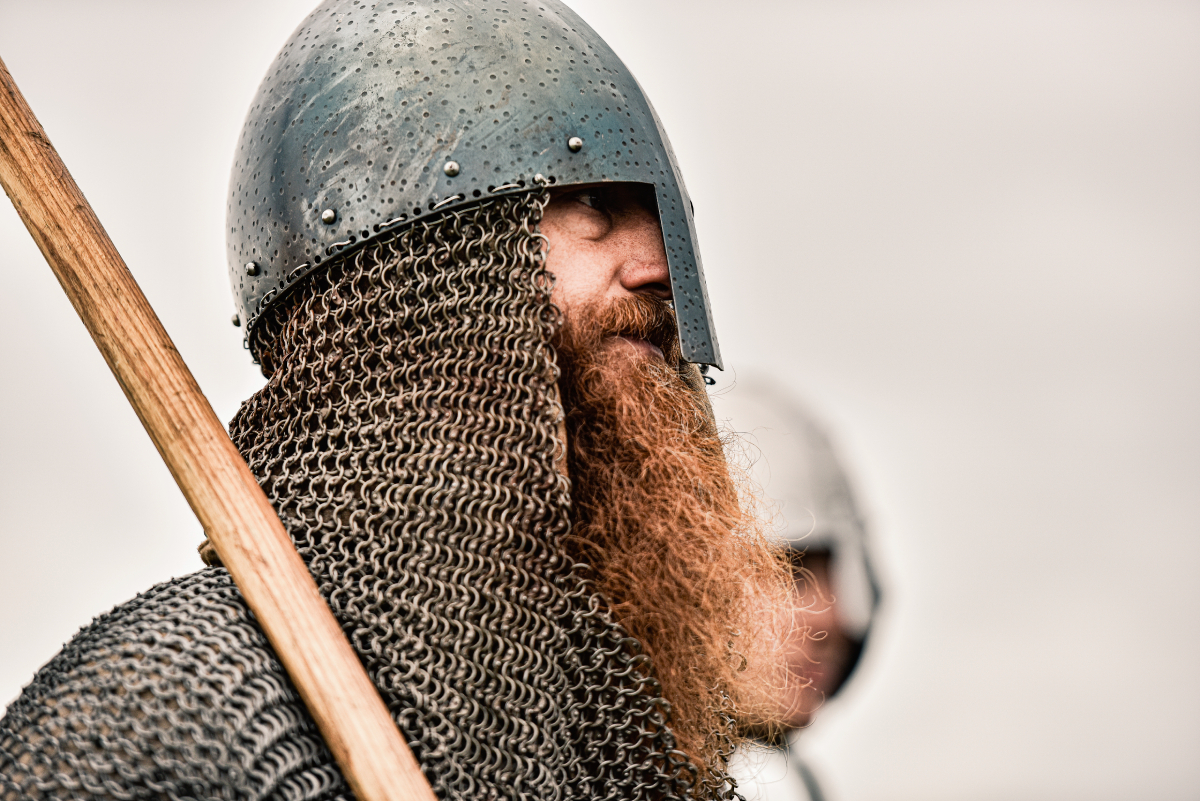
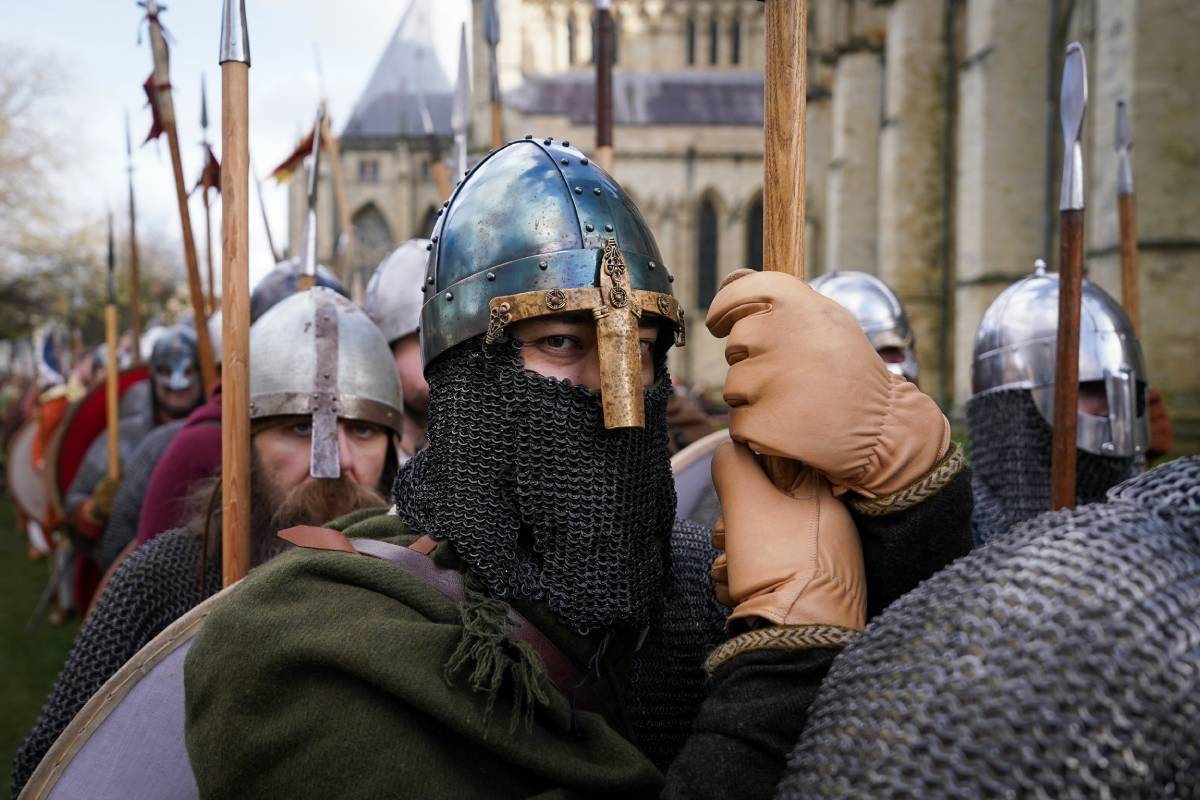
Visitors can experience historical reenactments of battles between Saxon and Viking warriors, bringing ancient conflicts to life. Source: Stonham Barns
Combat ready
That's not to say that there is any shortage of warfare and spectacle, of course.
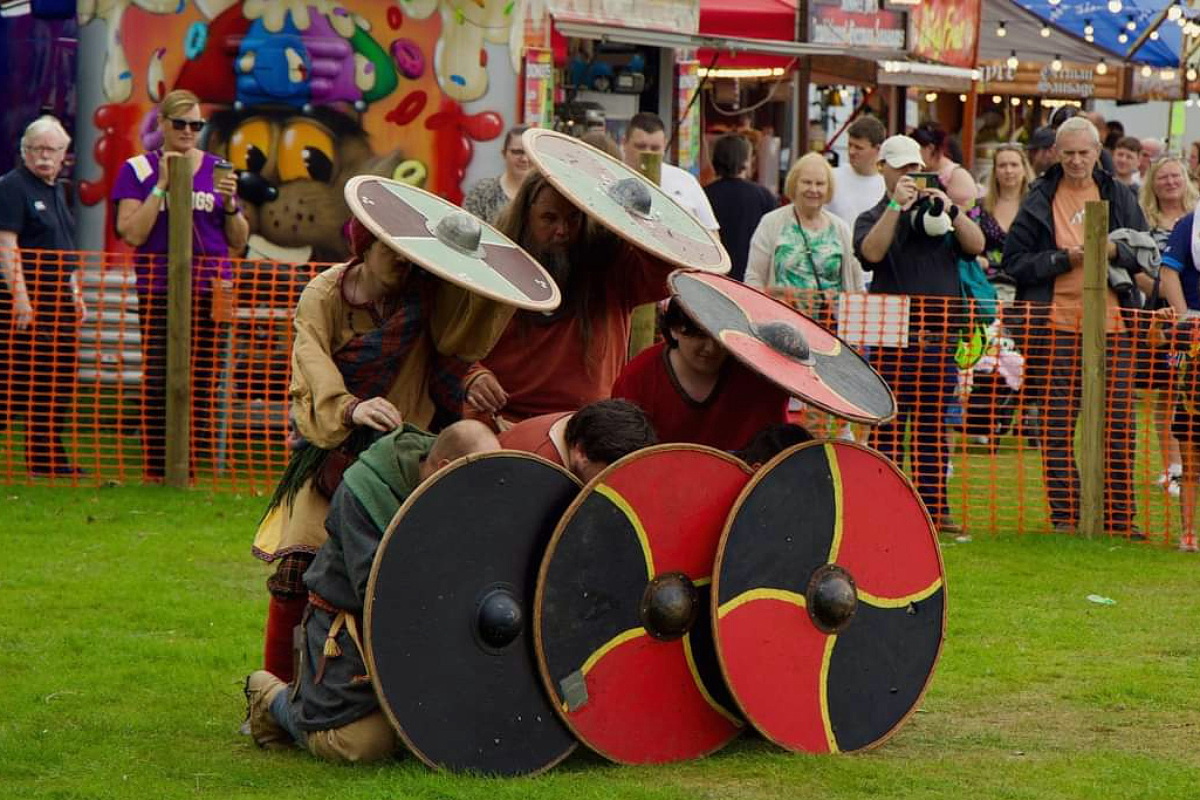
"We have small and large-scale battles followed by live music and fire performance," says Fraser.
While warriors look to make a name for themselves on the field of battle, a succession of leaders seeks to replace Jarl Sigaard as Lord of East Anglia.
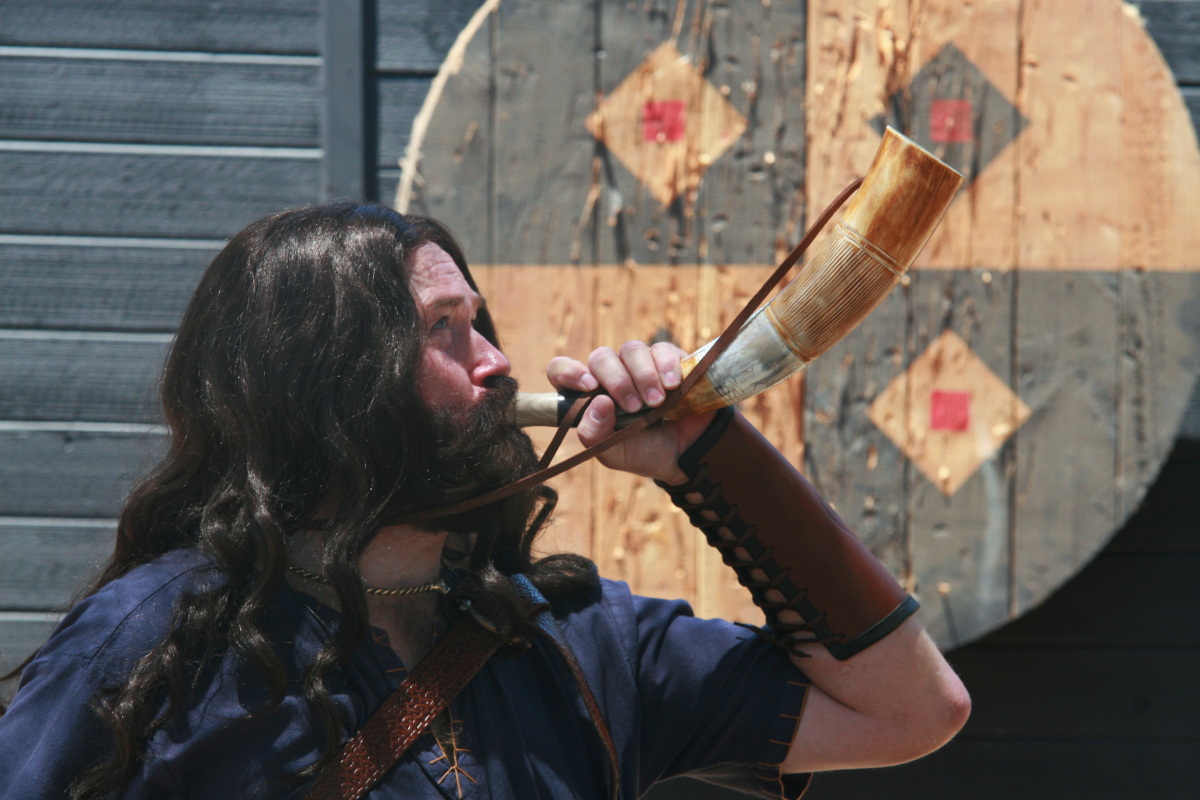
"The high point of the event comes on Saturday with a torchlit ceremony and the ritual burning of the Viking boat," says Fraser.
"In addition to the reenactments, we also offer numerous hands-on activities for spectators, including the chance to dress up as a warrior or shoot a bow and arrow."
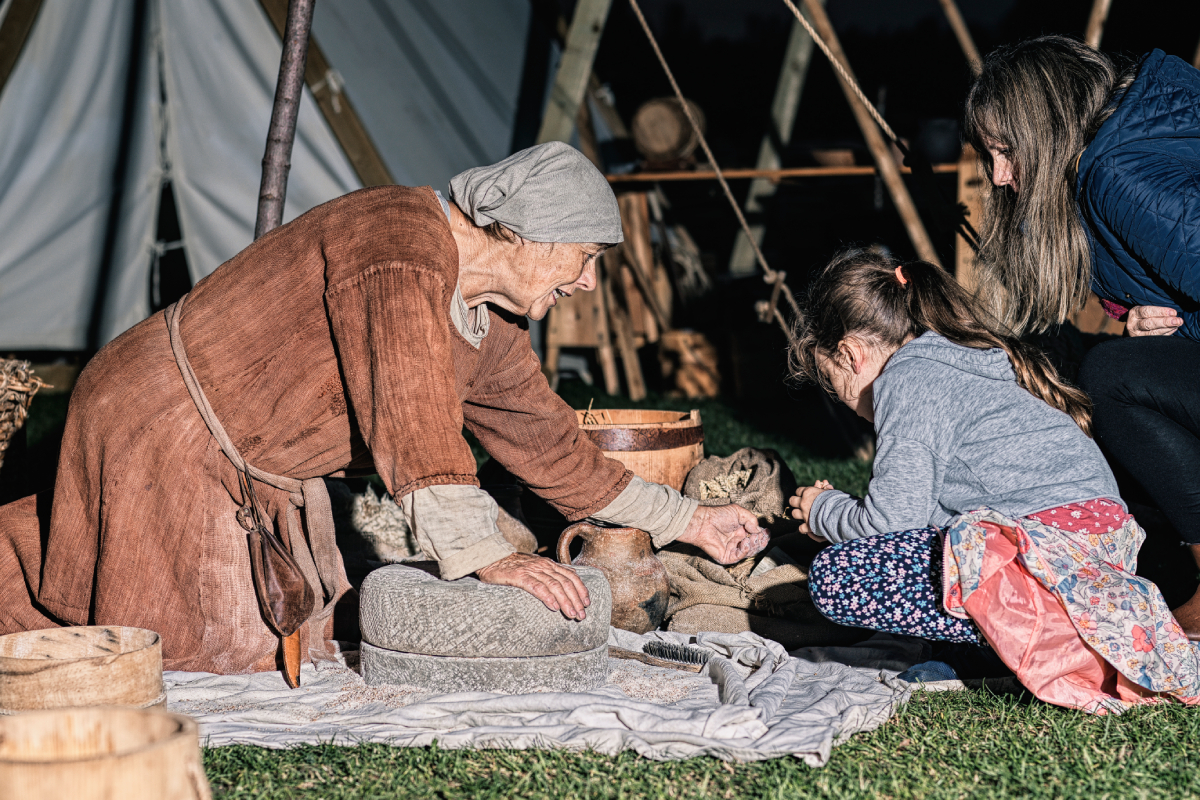
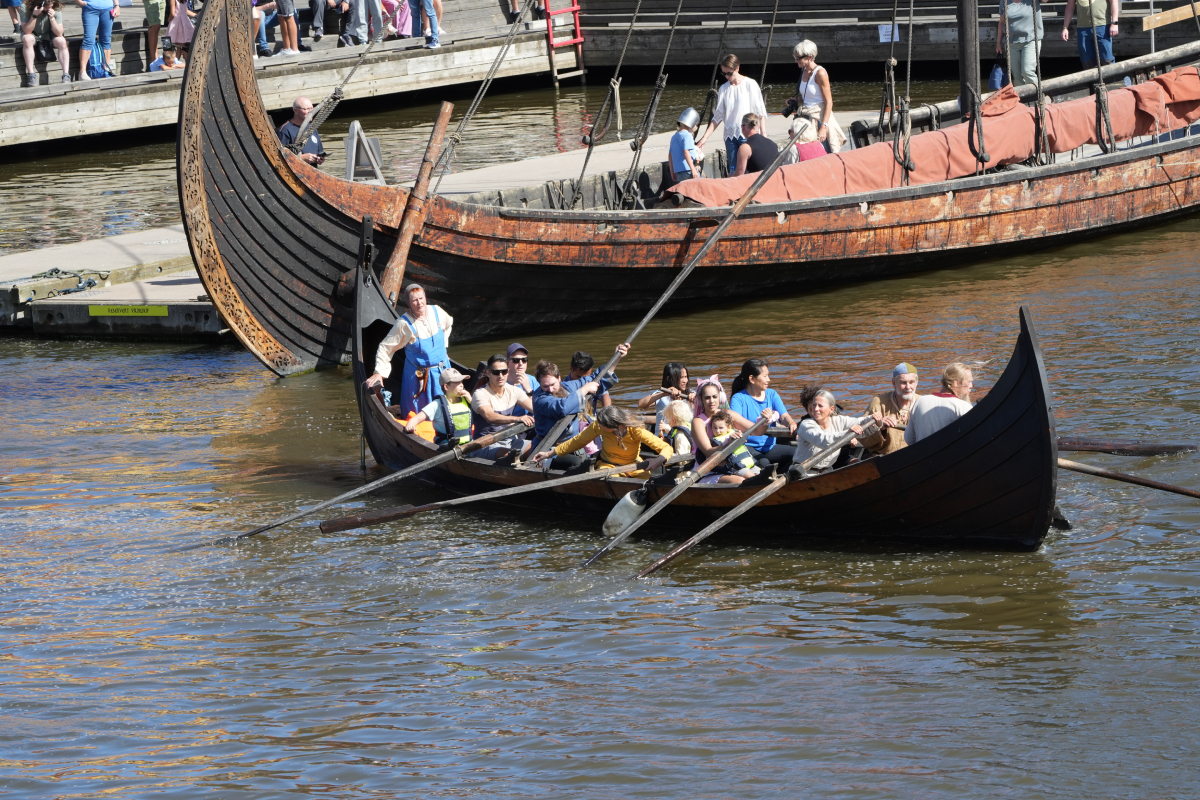
Living history camps at the festival recreate the daily life of Saxon and Viking communities, demonstrating how they lived and worked. Source: Stonham Barns
Living history camps
Visitors also have the opportunity to explore what everyday life might have been like for people on both sides of the divide.
"We have full living history camps that reflect our findings about life when the armies were on the move," says Fraser. "There are all sorts of different crafts and skills, and you can learn everything from their daily work and living arrangements to their religious beliefs."
Appropriately for a Saxon and Viking camp, there are various traders and stalls, with food and drink available throughout the day, while the event attracts visitors of all ages.
"Everything is done to be family-friendly," Fraser explains, "And we also have people who travel from overseas for the event. In the future, we would like to continue to grow the festival to possibly become the biggest Saxon and Viking event in the country."
For more information on the Saxon and Viking Festival at Stonham Barns, please visit their website or the event's Facebook page.
We get to provide readers with original coverage thanks to our loyal supporters. Do you enjoy our work? You can become a PATRON here or via our Patreon page. You'll get access to exclusive content and early access.
Feel free to reach out to discuss potential stories that may be in the public interest. You can reach us via email at [email protected] with the understanding that the information you provide might be used in our reporting and stories.