


When Erik the Red first landed on the inhospitable shores of Greenland in 982 CE, he could hardly have imagined the Norse would still be living on the island more than 1,000 years later.
Yet through tumultuous times of conflict, struggle, and mistrust, the Scandinavian presence remains, despite a prolonged period of absence.
Similarly, the Dorset culture that inhabited the giant landmass at that time could never have expected to disappear within three centuries. In their place came the Thule culture in the 13th century, the direct ancestors of modern Greenlandic Inuit.
So how have these two peoples survived and coexisted in such a cold and challenging land?
United by distance
When Erik the Red arrived in Greenland in the late 10th century, he found a largely empty landmass.
Though there were small pockets of people of the Dorset culture, which had lived there since approximately 500 BCE, plenty of room remained for a small colony.
The conditions, however, were far from promising, and had already put paid to previous inhabitants of Greenland, including the Saqqaq, who had survived more than 1,500 years before perishing in around 800 BCE.
The new arrivals from the east worked hard to establish a tiny foothold in the south of the island. Erik, who had been exiled from Iceland for murder, named the island territory Greenland in an effort to entice would-be colonists.
In reality, the new land was covered almost entirely in ice, with small pockets of rocky ground at its edges and no trees for construction.
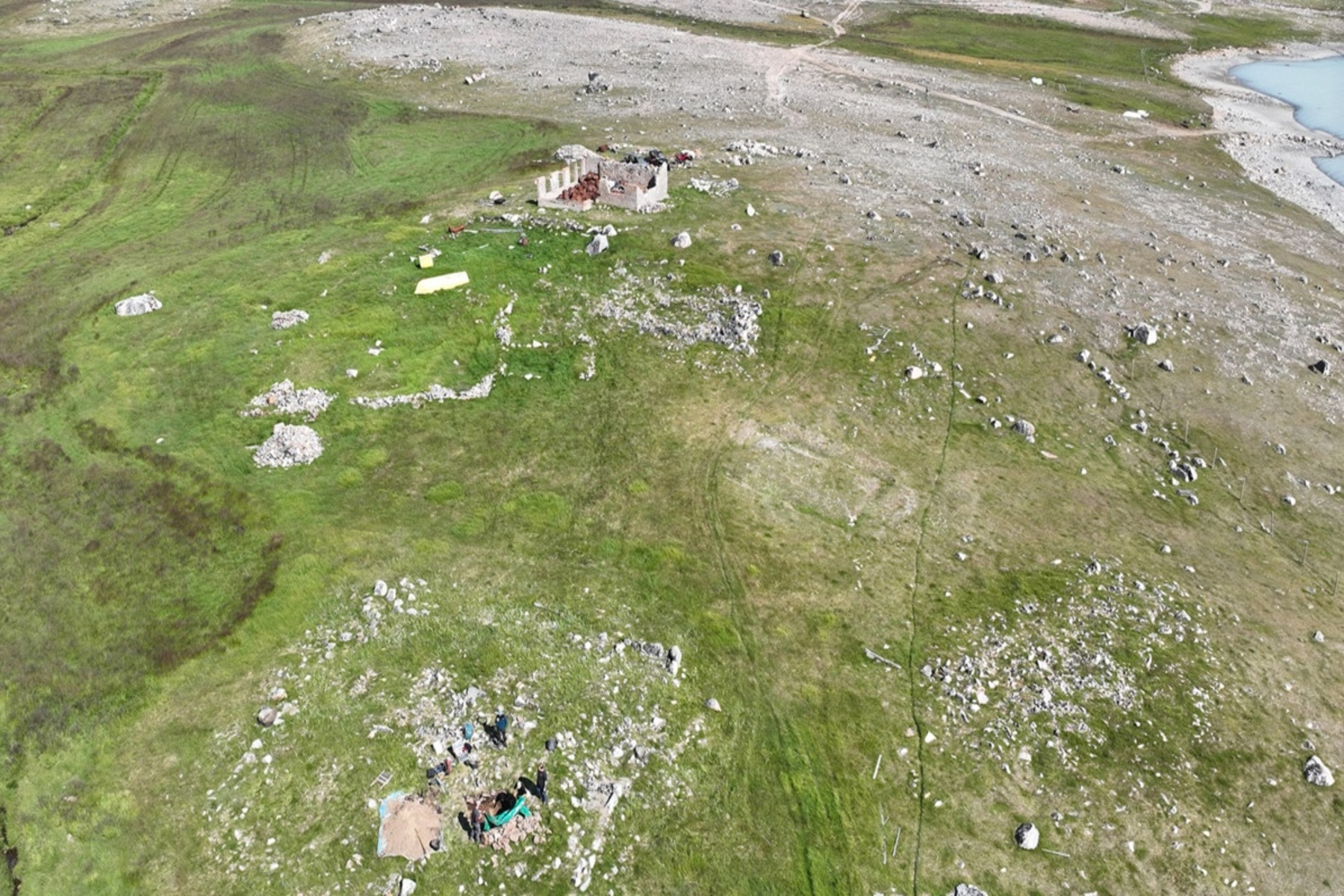
Nevertheless, Erik was able to return with 14 ships in 985 CE. Eventually, he established two permanent settlements, one in the east at what is now Qaqortoq and another in the west near modern-day Nuuk.
The written records suggest that in this period, contact between the Europeans and the Dorset people was minimal at best. With so much space, it is likely they largely kept their distance from each other.
Recent archeological finds, however, have suggested the two groups may have carried out some mutual trade.
- READ MORE: Was Greenland settled by Danish Vikings?
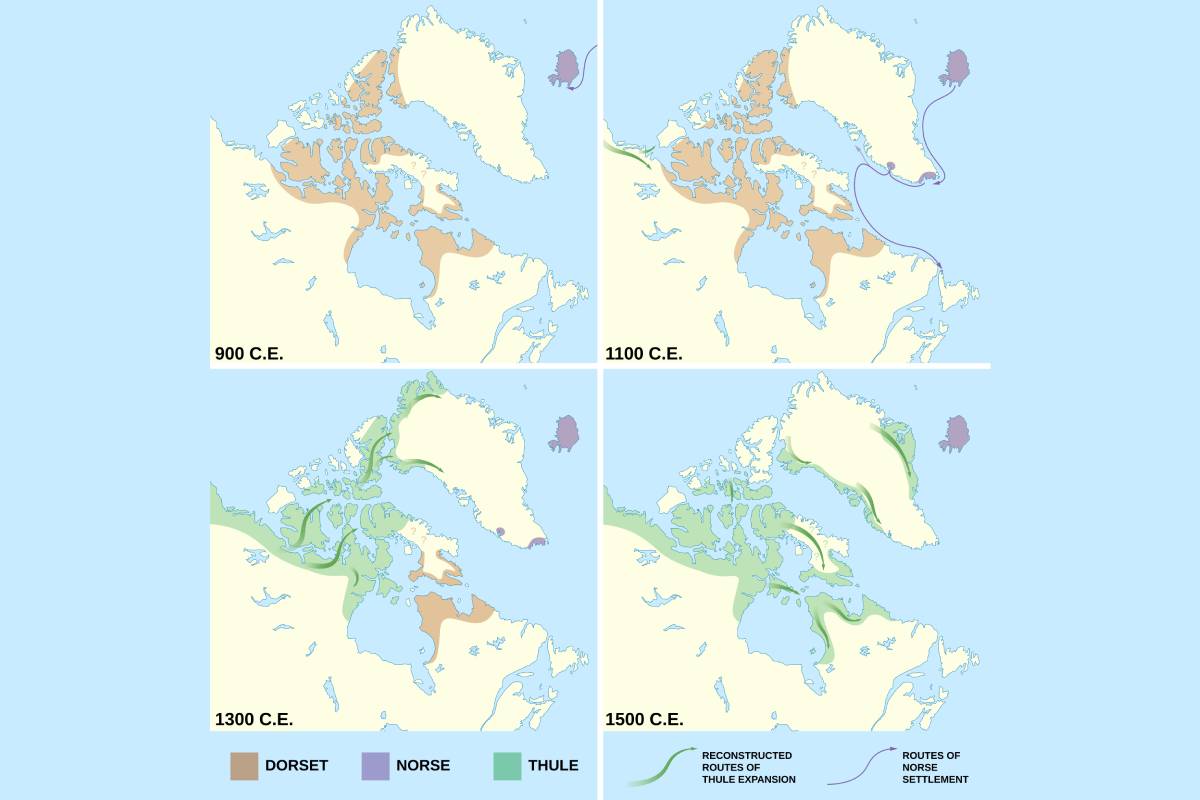
Map showing the distribution and movement of Dorset, Norse, and Thule cultures across the Arctic and Greenland region. Source: Noahedits (CC BY-SA 4.0)
Hello new neighbors
The first Scandinavian, predominantly Norwegian, colony in Greenland was never large. By around the 13th century, however, the population had expanded to somewhere between 2,000 and 3,000 colonizers spread out over up to 650 farms.
Though resources remained scarce, the settlers were able to establish a workable economy. Farmers kept goats, cattle, and sheep while also hunting caribou, seals, whales, and narwhals.
They were able to trade the valuable hides and ivory with settlements back in Scandinavia.
In the meantime, they were being joined on Greenland by a new group, the Thule. Although they originally lived in Northern Alaska, the Thule had begun a period of rapid eastern migration in the High Arctic and reached Greenland around 1200 CE.
Here, they migrated along both the east and west coasts with the help of the umiak, a large open boat that could carry entire families, dogs, tents, and supplies.
The rise of the Thule, who followed the waterways opening up due to the Medieval Warm Period, coincided with the decline of the Dorset people.
The Dorset were caught between the Thule to the north, which moved into their hunting grounds and dominated thanks to their superior technology, dogs, bows, and whaling boats, and the Norse in the south.
Culturally isolated, they struggled to survive and faded from history.
In the meantime, the Norse colonies were also struggling. Pressure from the Thule in the north was certainly a factor, while plummeting temperatures and economic woes also played a part. T
hat said, the ultimate reason for the final demise of the Norse colony in Greenland is still debated today. What we can state with some certainty is that by around 1450, they were also gone. The Thule were left standing alone.
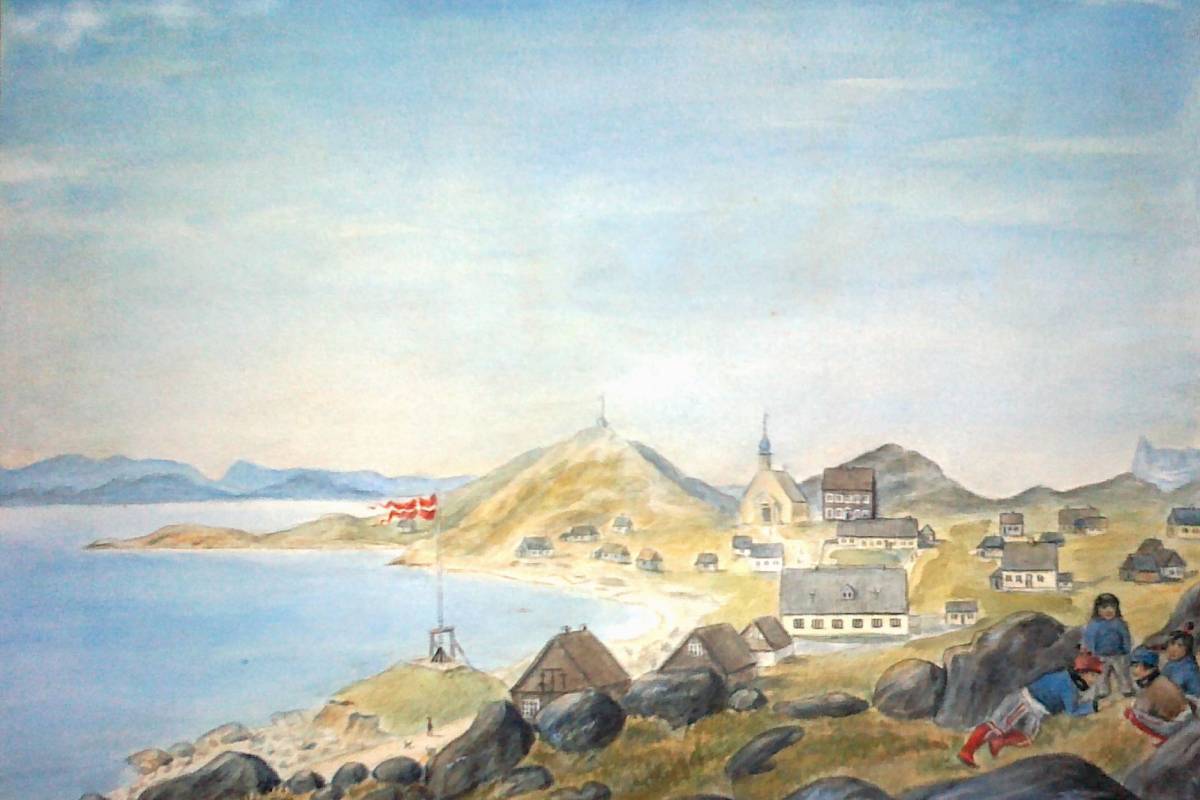
A 19th-century illustration by Andreas Kornerup showing Greenlandic children at play near a coastal settlement. Source: The National Museum of Denmark (CC BY-SA 2.0)
The colonial period (1721–1953)
The memory of the Norse colony in Greenland persisted, however, in part due to the popularity of the sagas, including the Vinland Sagas.
In the early 17th century, King Christian IV of Denmark–Norway sent three new expeditions to the island, though they failed to establish a permanent presence.
Then, in 1721, a group of Norwegians landed in Greenland. This time, they stayed, and when the union of the two countries came to an end with the Treaty of Kiel in 1814, Denmark retained the lands as part of the agreement.
This colonial era was characterized by a period of "positive isolation."
Keen to ensure a steady supply of seal products, Denmark agreed to protect the Inuit hunting way of life. In return, the Scandinavian country was able to ensure a valuable monopoly in trade.
Things were not all rosy, however. The reintroduction of European diseases had a disastrous impact on the Inuit population.
There were also efforts made to suppress traditional shamanism. Territorial disputes frequently flared up, as other nations noted the strategic usefulness of the island in particular.
Most notably, Norway attempted to claim the former lands of Erik the Red in eastern Greenland from Denmark in 1931. The Permanent Court of International Justice ruled against Norway and backed Danish sovereignty.
Greenland also became an American protectorate during World War II. In 1953, Greenland formally joined the Kingdom of Denmark after rejecting the United States' offer to purchase the island.
The Scandinavian country did, however, agree to allow the Americans to maintain military bases on Greenland.
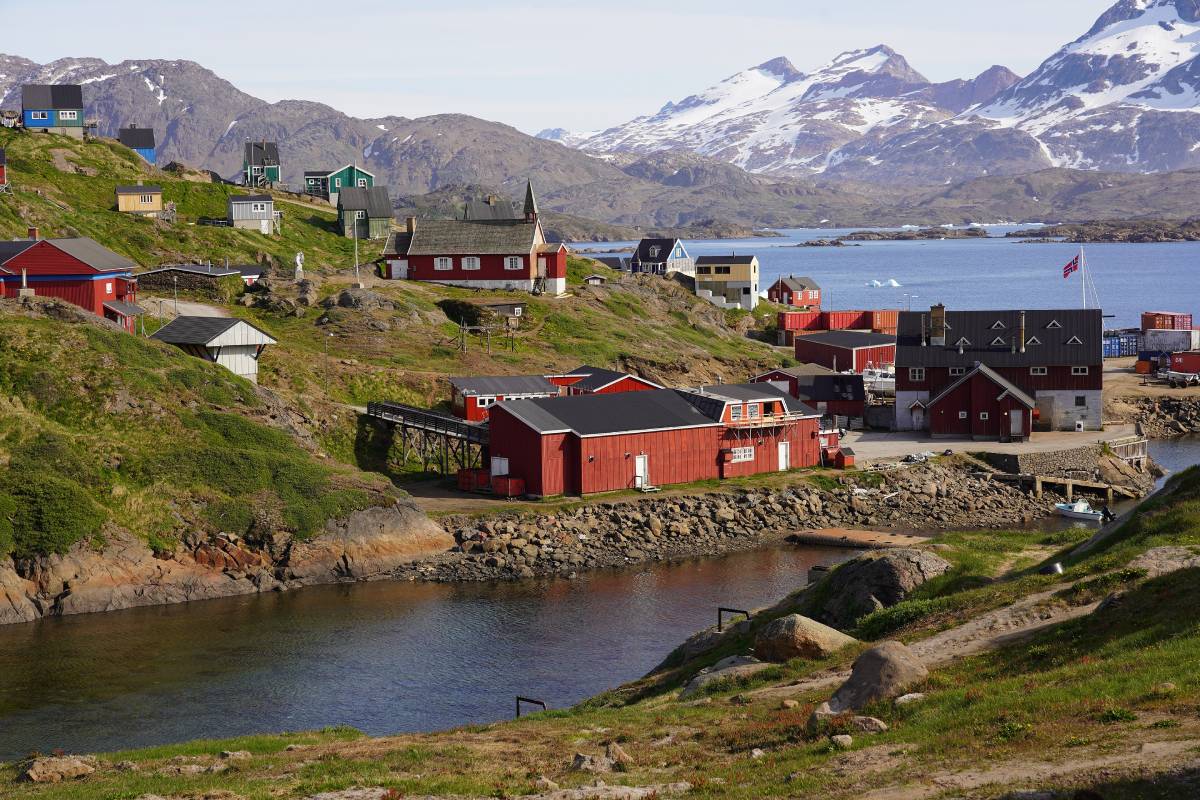
Sermiligaaq is one of more than 60 small settlements along Greenland's eastern coast. Photo: Ray Swi-hymn (CC BY-SA 2.0)
Looking to sovereignty
In the same 1953 agreement, all of the legal residents of Greenland were awarded Danish citizenship. In the short term, this led to a period of "Danization," where the Danish government modernized infrastructure but often at the cost of local culture and language.
Since then, however, Greenland has moved towards greater independence.
In 1979, Greenland established its own parliament and gained control over internal affairs. In a landmark move in 1985, it became the first territory to leave the European Economic Community (EEC) to protect its fishing rights.
Then, in 2009, following a referendum, the Self-Government Act recognized Greenlanders as a separate people under international law.
It granted the Greenlandic government (Naalakkersuisut) control over its judicial system and natural resources, while Denmark retained responsibility for defense and foreign policy.
Today, Greenland is defined by its pursuit of economic independence, balancing a growing mining and tourism sector against the harsh realities of climate change.
While Greenlandic (Kalaallisut) is the sole official language, the island remains part of the Danish Commonwealth as it navigates the path toward potential future sovereignty.
We get to provide readers with original coverage thanks to our loyal supporters. Do you enjoy our work? You can become a PATRON here or via our Patreon page. You'll get access to exclusive content and early access.
Feel free to reach out to discuss potential stories that may be in the public interest. You can reach us via email at [email protected] with the understanding that the information you provide might be used in our reporting and stories.



.jpg)
.jpg)