

Between June 27 and July 27, anthropologist and assistant professor Kathryn Catlin will lead a team of researchers during excavations of a small Norse farm established in the 9th century.
The project is funded by a grant from the National Science Foundation, which was awarded to Catlin two years ago.
For roughly ten years, Catlin has been investigating small dwellings on the edges of larger farmsteads, attempting to understand how early Viking settlers lived. She also focused on how their relationship to the environment changed over time.
Ordinary people
However, Catlin is clear in stating that these settlers are not the Vikings of legend and lore.
"I always hesitate to use that word – Viking – which to a lot of people means going out raiding and pillaging. The people whose lives we're excavating weren't really doing that.
"These are farmers or fishermen – ordinary people who likely never left Iceland once they got there. I've trained myself to say Norseman, or Icelanders, rather than Vikings," Catlin said, according to a press release.
For a long time, experts believed that these farmers and their households lived in one of the larger centralized farmsteads. However, the materials and evidence Catlin and her colleagues have discovered - dating back to 870 CE - indicate otherwise.
"We know people were on Iceland, coming to these teeny tiny places that are currently around the edges of these larger farms.
"The farms are still there, using modern technology, but these little places on the edges stopped being inhabited around the first two centuries of its settlement," Catlin stated.
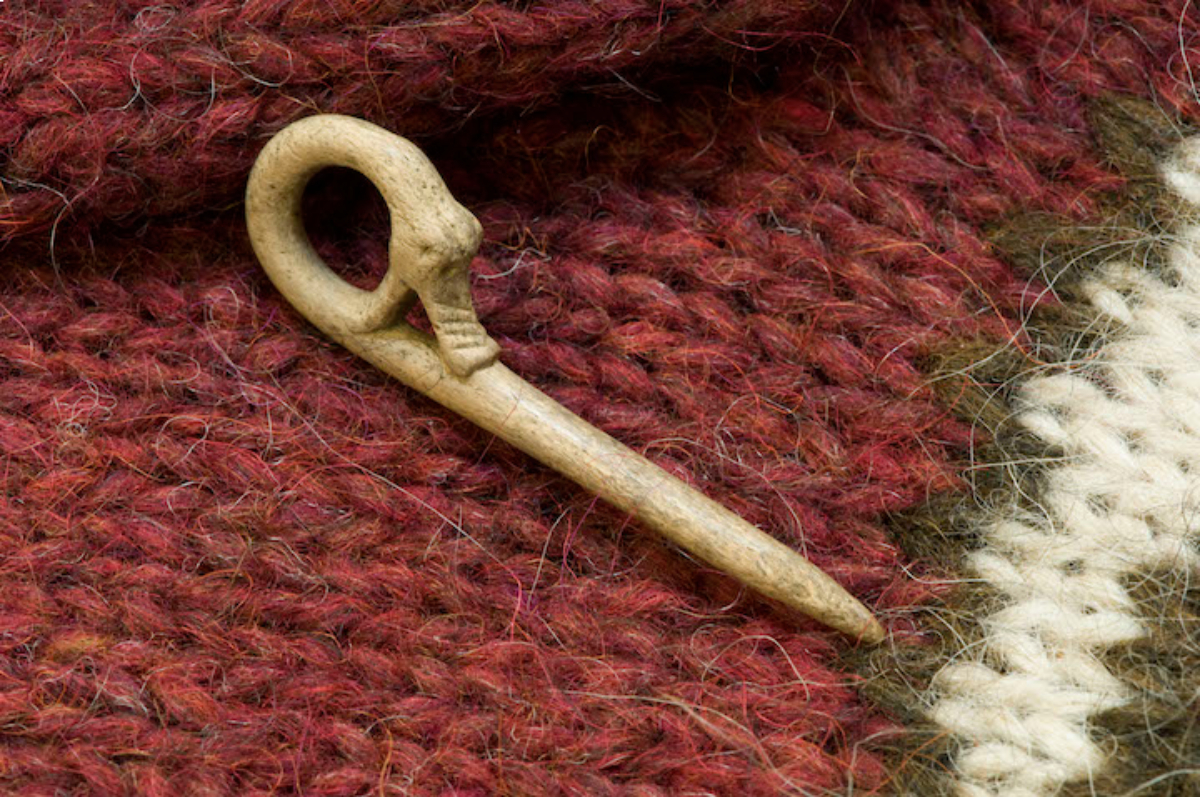
A Norse dragon bone pin that researchers discovered on the site. Photo: JSU
New round of research
Now, Catlin's team will be looking for archeological traces and evidence of the role these settlers played in the colonization of Iceland.
Their research will try to answer multiple questions: Were these dwellings independent or associated with nearby farms? Could this be where their servants spent some of the year?
They hope to determine how lower-income settlers lived, which could contribute to our understanding of the social hierarchy at the time.
"We have an opportunity to learn a great deal about how these people lived," Catlin stated.
Artifact discoveries
During previous excavations and trips, Catlin excavated 1 and 2-meter square units in ancient trash piles, discovering several artifacts and ash sweepings from hearths.
Charred ancient seeds from the hearths were sent off for radiocarbon dating, and the process confirmed that they were from early settlements.
"What we don't know is who they were and what they were doing there… We just know they were there," she explained.
Since the team left for Iceland in the summer, the weather shouldn't be much of an issue for Catlin and her colleagues.
"It's not exactly shorts and flip-flops weather – mostly, we'll dress in layers. It can get up to 70 degrees, and it does rain a lot, but it's not unpleasant.
"It's milder than most expect. However, they will be experiencing 24 hours of daylight, so that will be an adjustment," she concluded.
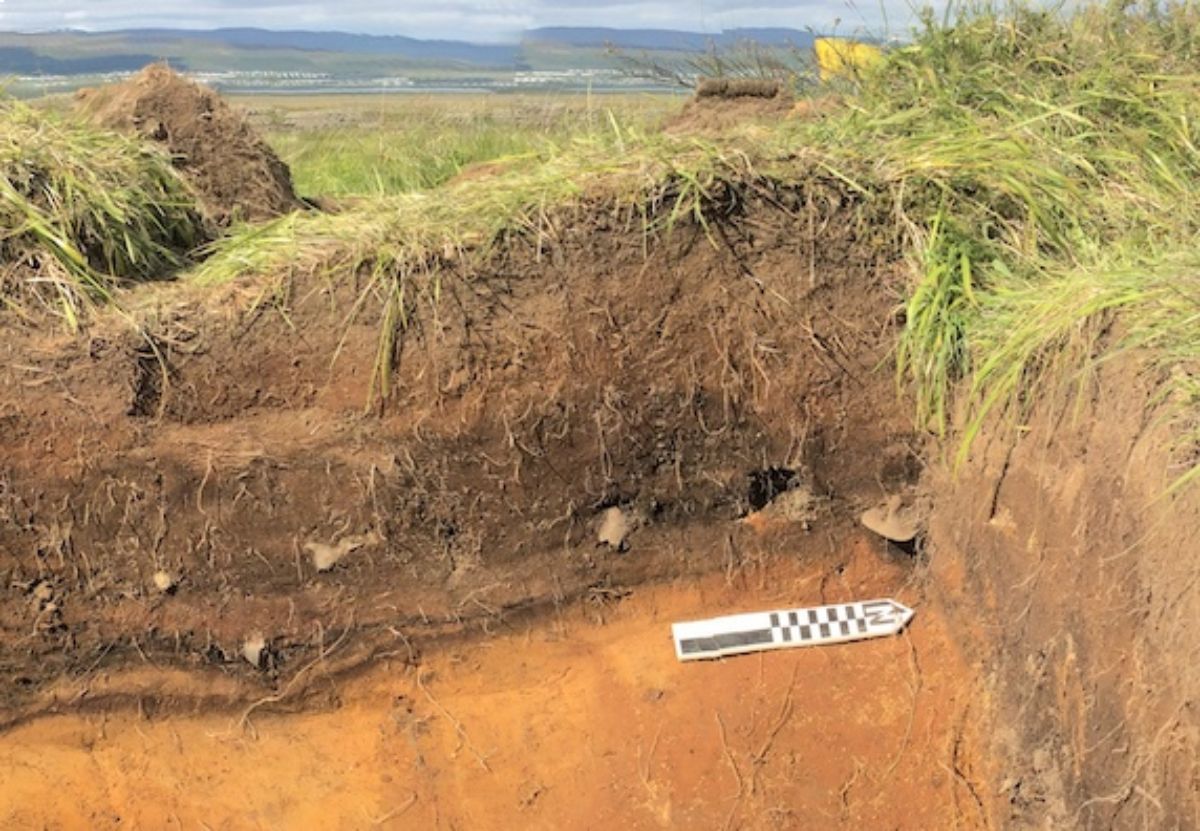
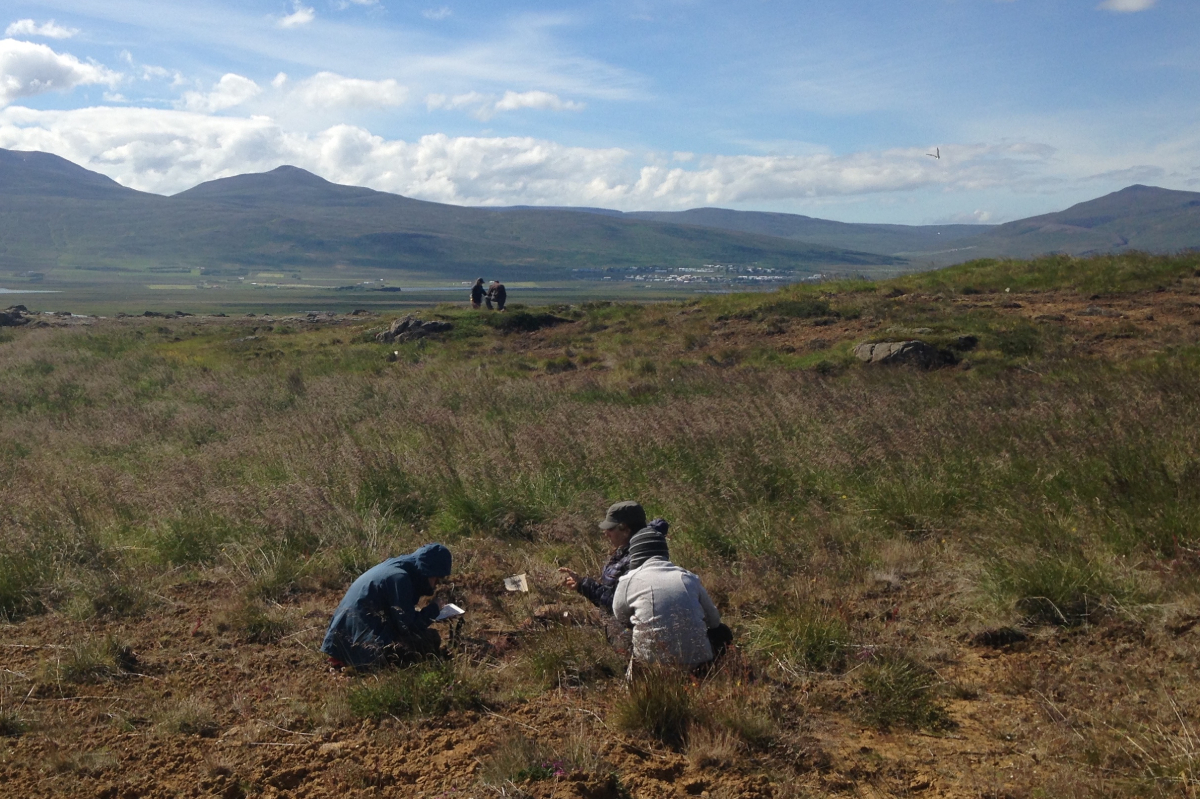
A photograph of an archeological dig site in Iceland. Photo: JSU
We get to provide readers with original coverage thanks to our loyal supporters. Do you enjoy our work? You can become a PATRON here or via our Patreon page. You'll get access to exclusive content and early access.
Feel free to reach out to discuss potential stories that may be in the public interest. You can reach us via email at [email protected] with the understanding that the information you provide might be used in our reporting and stories.