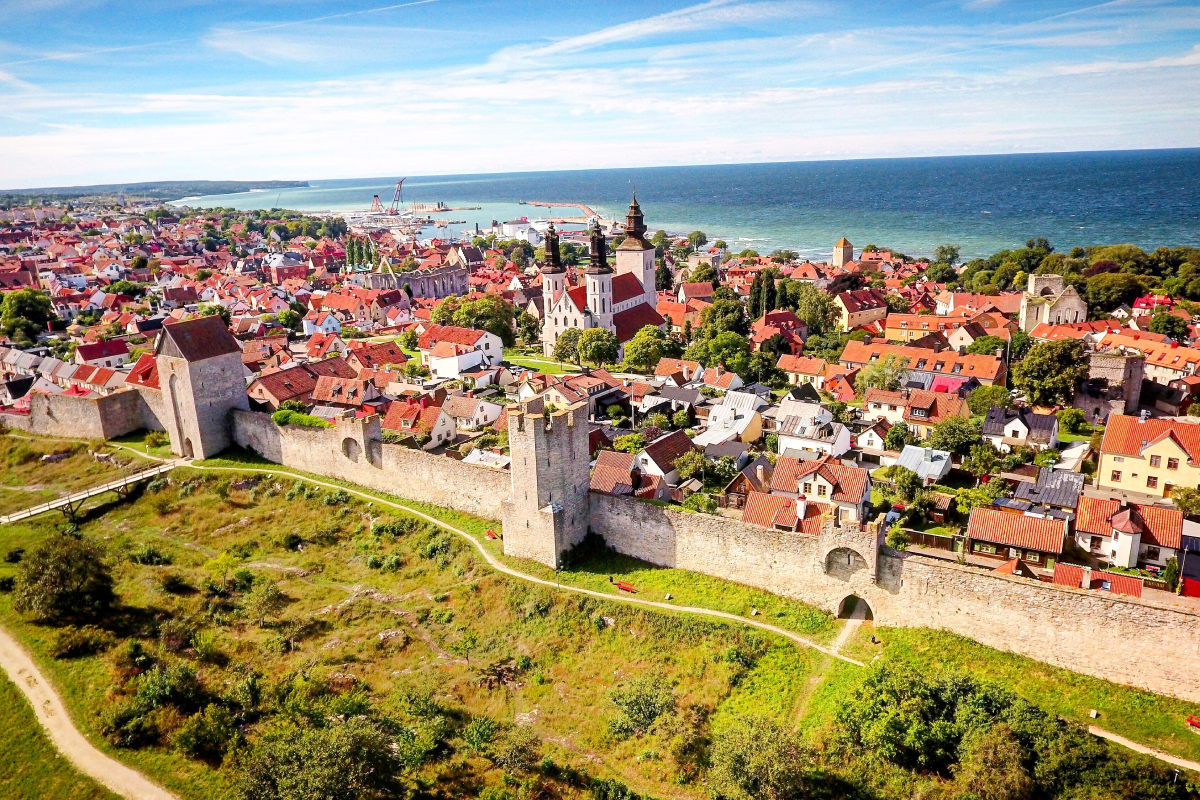


Nowadays, the Swedish island of Gotland, cast adrift in the Baltic Sea, is a popular tourist destination renowned for its farmhouse ales and medieval churches.
It is, however, almost as popular with archeologists as hordes of tourists, due to its rich ancient past.
According to Viking-Age Trade: Silver, Slaves and Gotland (edited by Gruszczyński, Jankowiak, and Shepard, 2021), Gotland has seen human habitation for close to 10,000 years.
The Baltic island has seen civilizations, cultures, and peoples come and go, like the tides of the Baltic Sea that wax and wane upon its rocky shores.
For the local inhabitants of the island, it is their medieval past that is a source of immense pride.
Deep beneath the 94 churches that dot the island, built over the entirety of the medieval period, there are remains of the island's impressive Viking past.
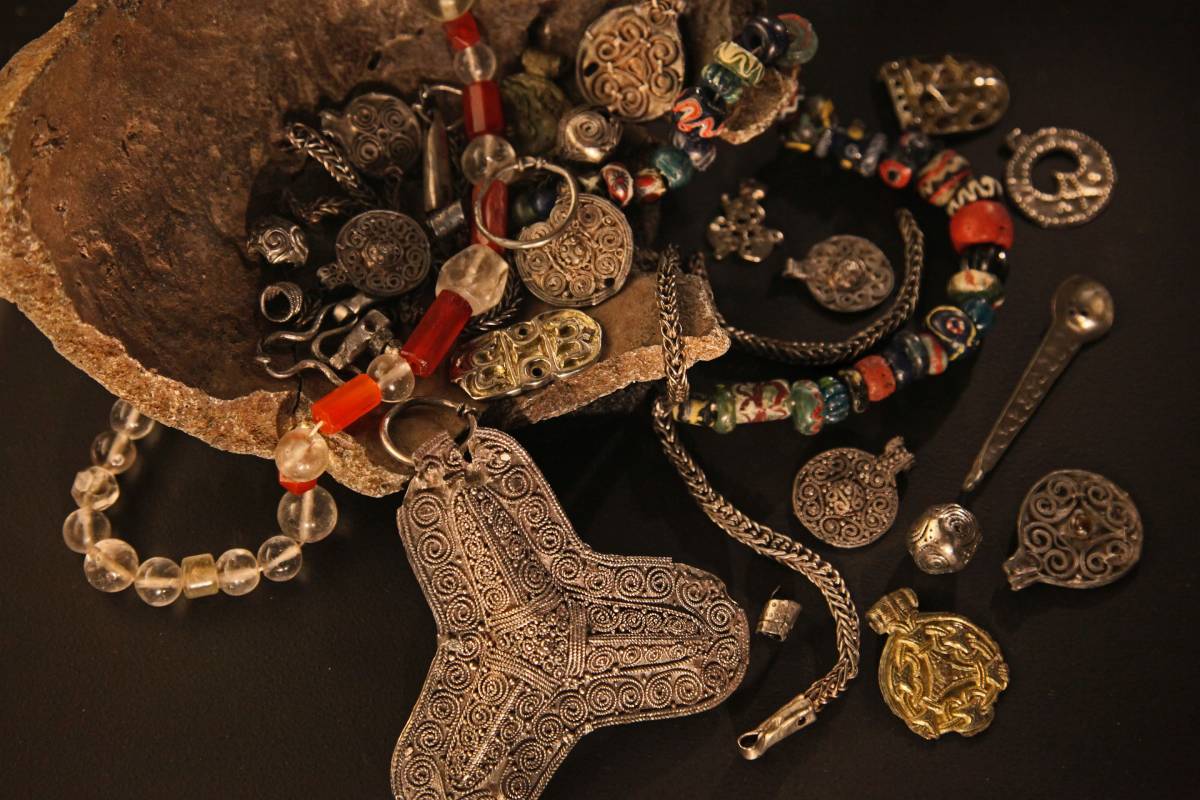
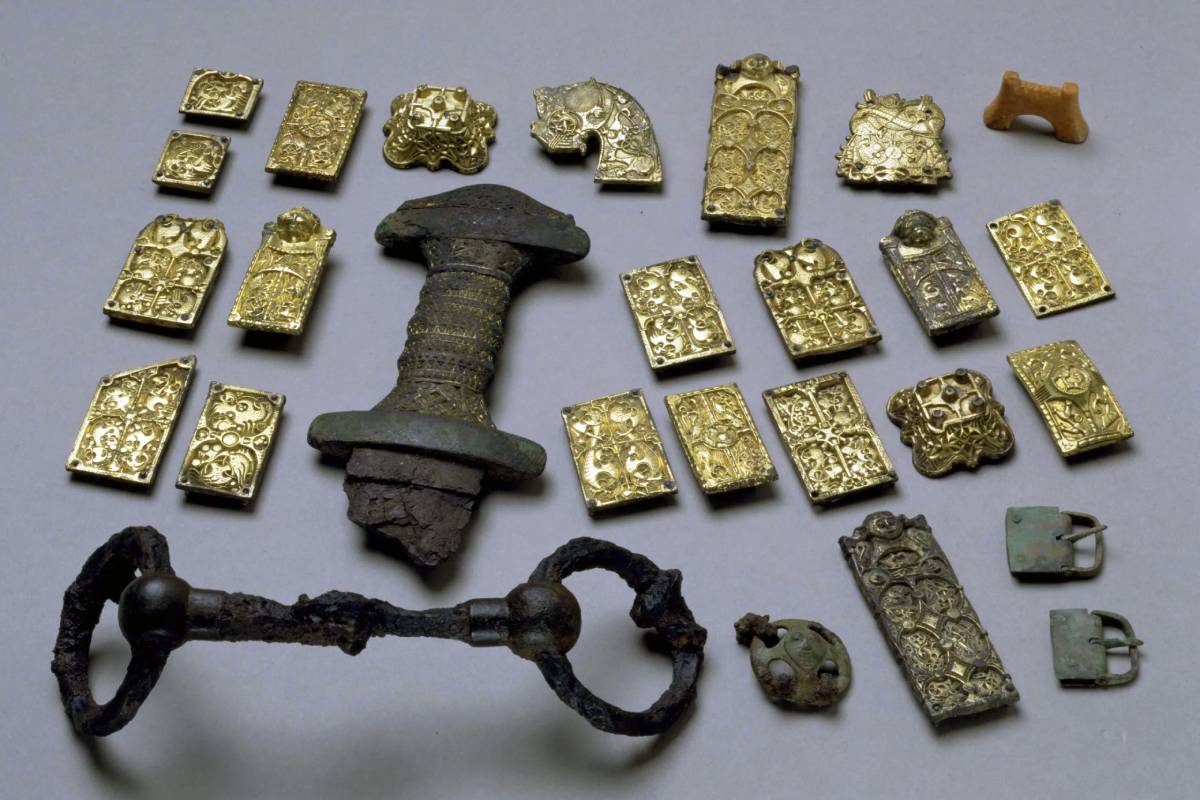
Aside from the soils of Gotland coughing up the world's largest Viking hoard, it is a seemingly more unassuming artifact, a horse bridle, that helped define an early Viking art style and deepened our understanding of the period's sophisticated craftsmanship.
Horse people
The most iconic symbol of the Vikings, those early medieval Scandinavian warriors, is their famous longship.
Given Scandinavia's unique geography—mountainous terrain and girt by sea—the most convenient mode of transport was, of course, on the water, be it on the open seas or riverbound.
Yet despite popular Hollywood depictions, the majority of people in Viking societies, even on an island like Gotland, were small tenant farmers.
It was a horse, not a longship, that most people in Viking societies would have been most comfortable and familiar with. These noble beasts were essential for transport, trade, and warfare and symbolized wealth, power, and status.
For those further down the pecking order and not engaged in the dark arts of Viking warfare, horses were an important source of farm labor and integral to the success of any agricultural endeavor.
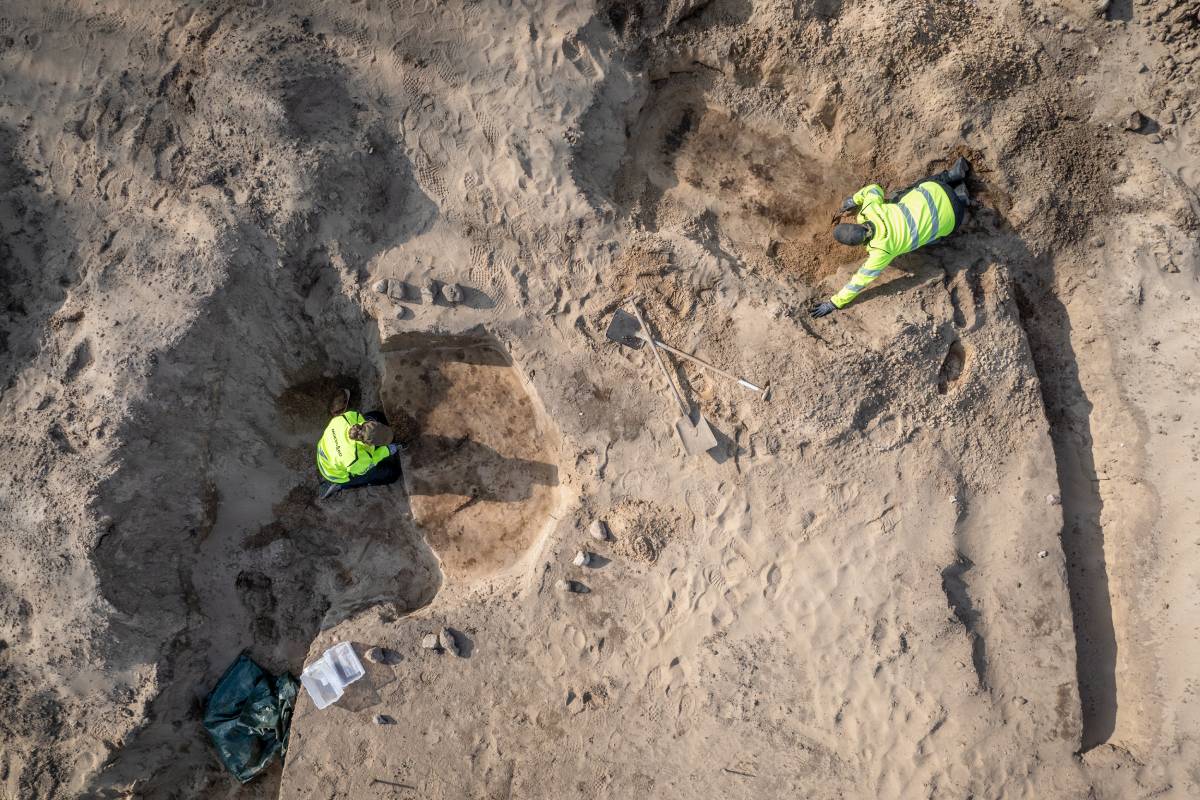
The discovery of a Viking-era grave in what is now Broe, a village in the parish of Halla, smack bang in the center of Gotland, uncovered what can only be described as an unassuming but monumental artifact—a horse bridle.
At first glance, a bridle, used to direct a horse, is not exactly the sort of thing that gets archeologists hot and heavy.
However, this bridle mount, believed to have been fashioned during the 9th century CE, was lavishly decorated, and this helped to shatter preconceived notions about "barbarian" art.
- READ MORE: What are the six major styles of Viking art?
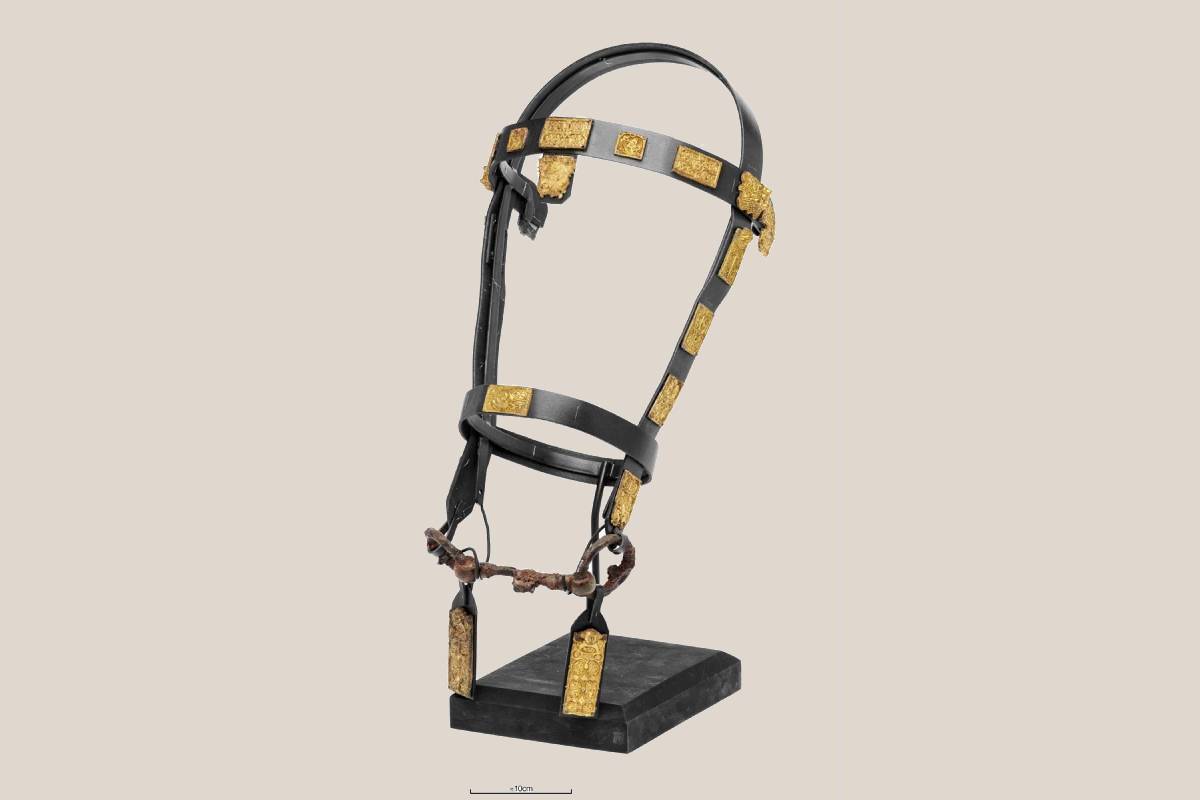
This reconstruction illustrates how the Broa bridle likely looked in Viking Age Gotland. Photo: Ola Myrin / Historiska Museet (CC BY 01)
Commissioned by a high-status and wealthy individual
A bridle mount is a utilitarian piece of equestrian equipment that, for many people in Viking societies, would have been a simple everyday household item.
However, the discovery of the elaborately decorated bridle mount at Broe suggests two things.
Firstly, whoever commissioned it was a person of immense wealth, a rich individual who had (figurative) cash to splash. The bridle features a series of gilt bronze mounts that display not only intricate patterns but also a range of zoomorphic designs, including gripping beasts, horses, and birds.
This bridle was a serious investment in labor and probably took hundreds of hours to complete. Whoever commissioned it had serious wealth to burn on such a piece of art.
Secondly, its richness, both in detail and design, suggests that not only was the commissioner of immense wealth but also wanted to display prestige and power.
Horses, as mentioned, were associated with wealth and power and, despite their use as a source of farmyard labor, were a serious investment.
It is highly likely that whoever commissioned this bridle mount wanted it as a piece of "soft power" to display their wealth—and thus status and power—to the wider community.
Archeologists' current hypothesis is that the bridle mount was commissioned at the very start of the Viking Age, sometime around the turn of the 8th century.
David M. Wilson writes about the centuries-long development of Viking art in his chapter "The Development of Viking Art" in the 2008 book The Viking World (available on Amazon here).
In this chapter, Wilson writes that pieces of art similar to the Broa bridle were more commonplace later in the Viking Age (c. 750–1100 CE).
Centuries of economic plunder and pillage, coupled with local artistic development influenced by cross-cultural exchanges, helped enable such artwork to be produced. The traditional view, however, was that this early period of the Viking Age was one of limited artistic output.
The Broa bridle mount helped to shatter the image of this period as a "Dark Age" and, therefore, that people from Viking societies who lived in this period were nothing more than mere "barbarians," incapable of undertaking such a sophisticated and delicate artistic endeavor.
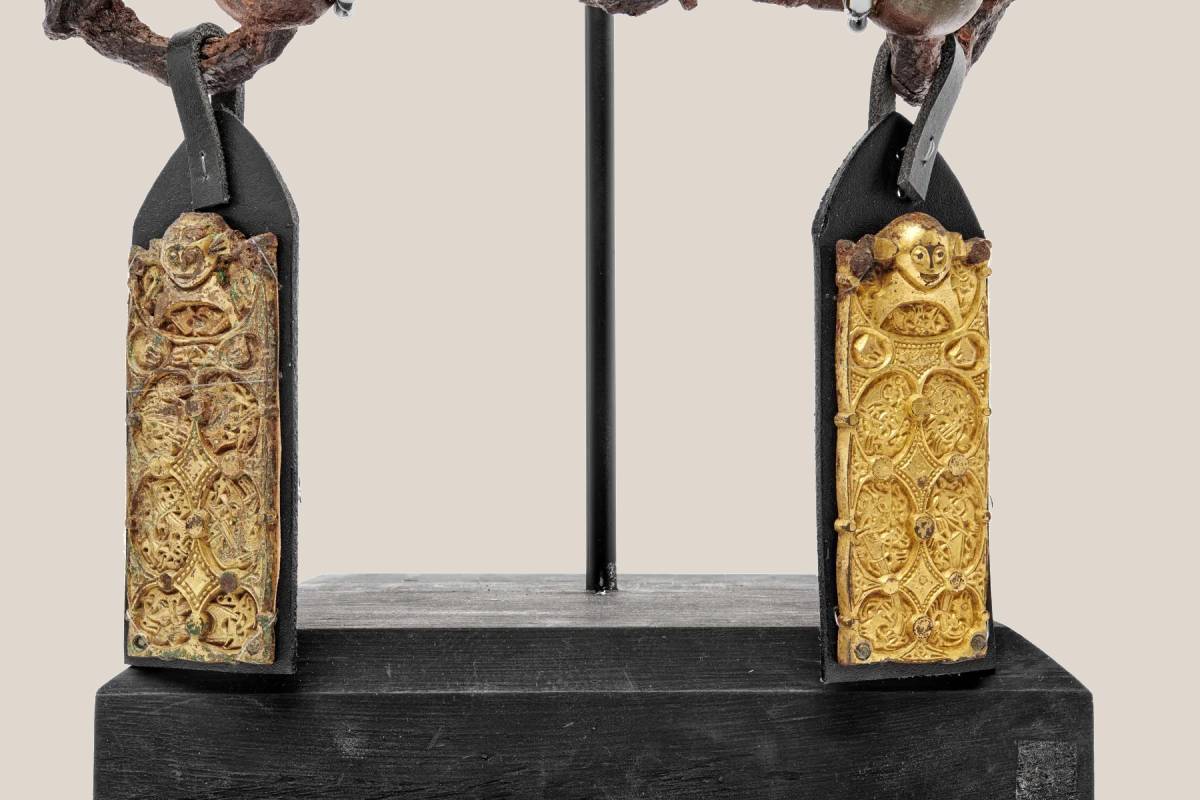
Detail of two richly decorated mounts on the reconstructed Broa bridle. Photo: Ola Myrin / Historiska Museet (CC BY 01)
Legacy and a deep bond
The discovery of the lavishly decorated horse bridle in Broe, Gotland, helped to influence how we moderns think of people in Viking societies.
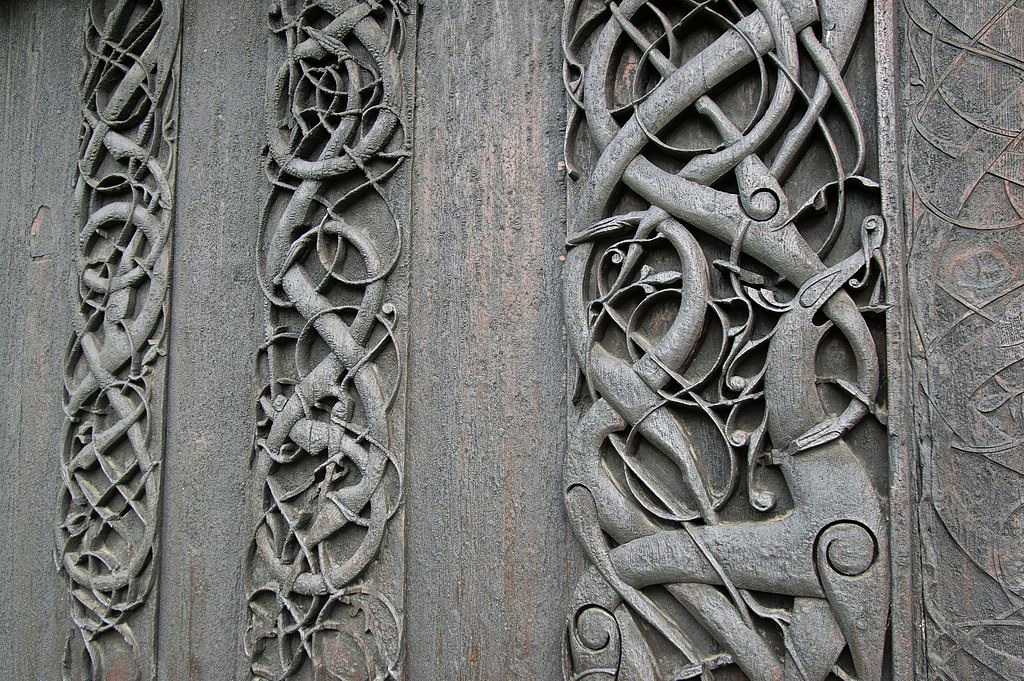
Archeologists and art historians have used the imagery and design on the horse mount to define what is now known as the Broa style of Viking art. The style spanned from the late 8th into the mid-9th century, though there is some overlap with the Oseberg style.
Like such arbitrary divisions, it is often hard to see when one style stopped and the other began. According to some historians, the Broa style can be seen as a continuation and development of the earlier Oseberg style.
There is, of course, one final thing to remember when discussing the Broa horse bridle.
Regardless of the wealth and prestige of whoever commissioned this artistic piece and the bridle's influence on Viking art, the artifacts represent the bond between humans and animals.
Whilst we should never try to get inside the minds of people in the past—theirs is a world strange and foreign to us—there is no doubt that the horse for whom the bridle was intended was deeply respected and revered by its owner.
That such a piece of art would be commissioned for an animal suggests a deep bond of respect and reverence between humans and animals.
It is not every day that you dress up your horse with some serious early medieval Viking bling. Both Western art and the field of archeology are all the richer for the commission of the Broa horse bridle all those centuries ago.
For more information on how archeology and history help unlock the secrets of the Viking Age, visit the Viking Ship Museum in Roskilde here.
We get to provide readers with original coverage thanks to our loyal supporters. Do you enjoy our work? You can become a PATRON here or via our Patreon page. You'll get access to exclusive content and early access.
Feel free to reach out to discuss potential stories that may be in the public interest. You can reach us via email at [email protected] with the understanding that the information you provide might be used in our reporting and stories.