

As researchers push deeper into Viking history, surprising discoveries keep coming to the surface. From far-flung outposts to bustling settlements, the Viking world is slowly revealing itself.
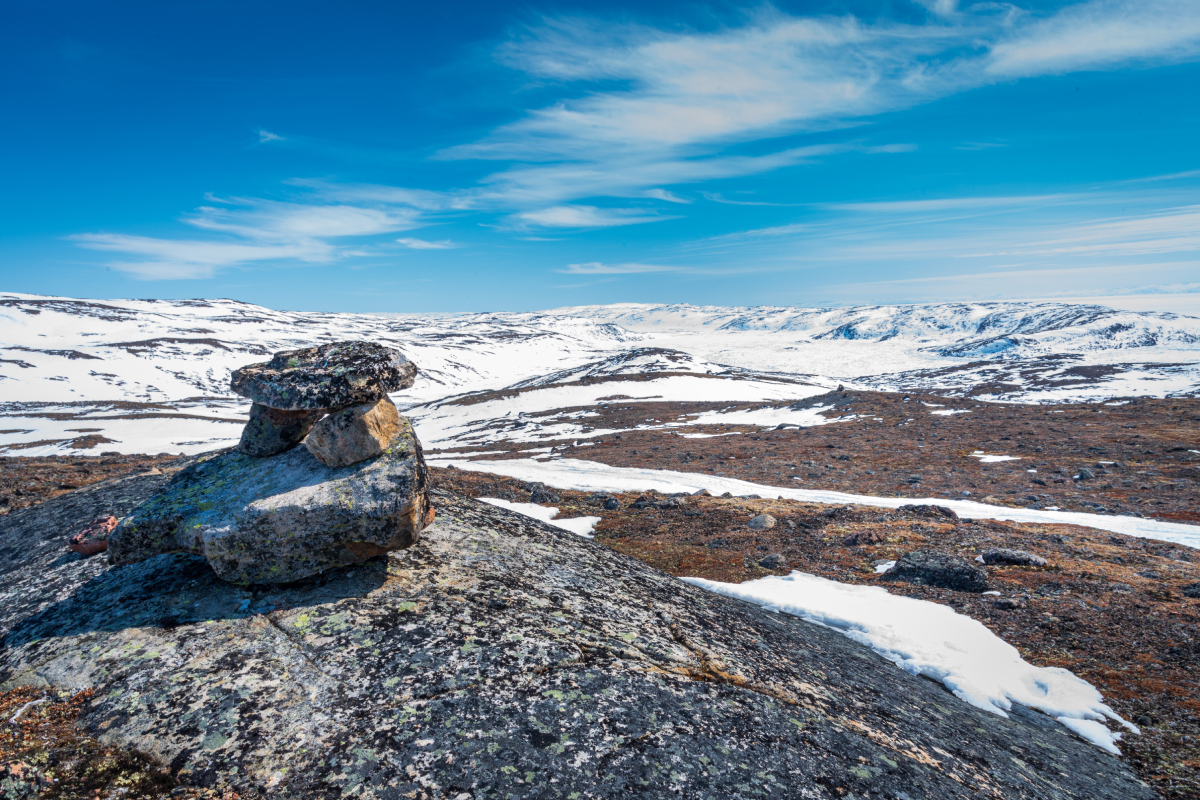
Over 80 Viking artifacts have been discovered on Skraeling Island, suggesting Norse contact with Canada's indigenous peoples. Source: Denis Comeau / Shutterstock
Skraeling Island, Nunavut, Canada
For centuries, the assumed wisdom was that stories of people from Viking societies traveling across the Atlantic to reach what many believed was North America were just tall tales, entertaining sagas.
However, when remains of a Viking settlement were uncovered at L'Anse aux Meadows on the Canadian island of Newfoundland, this myth was well and truly busted.
Whilst Newfoundland may have been the site of the modern story of Vikings in North America, archeological excavations have been underway in the country's far north.
Skraeling Island, located off Ellesmere Island in the northern Canadian Arctic province of Nunavut, has been the site of a fascinating archeological excavation.
So far, more than 80 objects believed to have been made by people in Viking societies have been uncovered.
This suggests that Canada's indigenous population was part of an elaborate trading network that spanned much of the country, from Newfoundland to the Arctic Circle, during the early medieval period.
The Canadian National Museum has more information on Skraeling Island here.
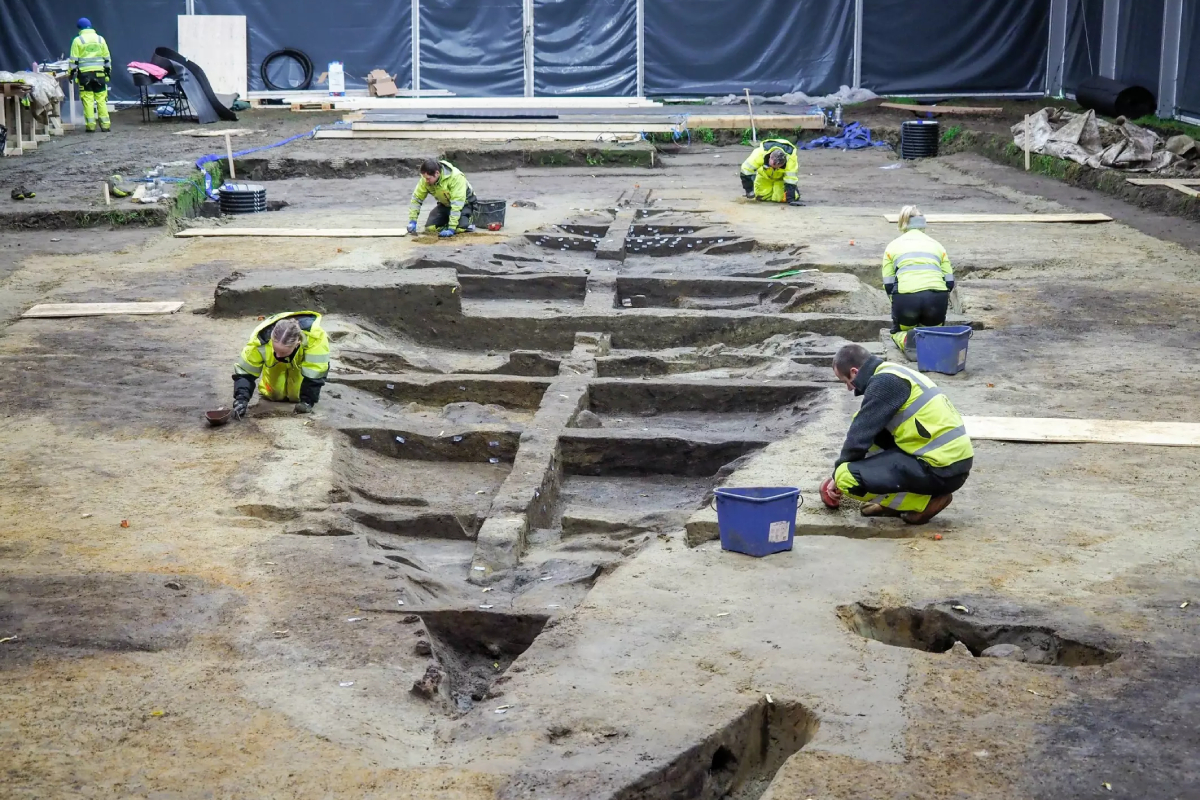
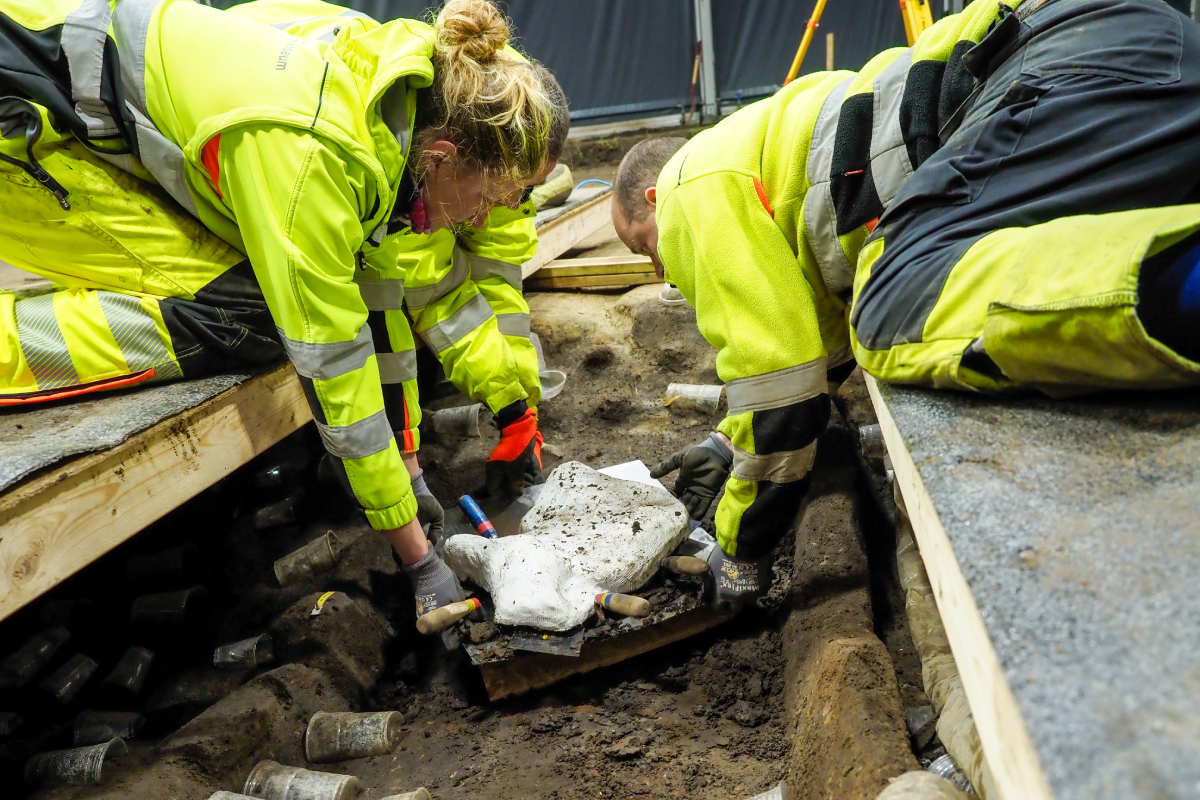
Archeologists found a 19-meter Viking ship at Gjellestad, along with over 1,400 rivets and 8,000 objects. Source: Museum of Cultural History / University of Oslo
The Gjellestad Viking ship dig, Gjellestad Farm, Norway
The use of ground-penetrating radar in 2018 at a farm in Gjellestad, Norway, led to the explosive discovery of a Viking ship.
Believed to have been constructed in the first half of the Viking Age, somewhere between 750–900, the ship is the first found in the nation since the discovery of the Oseberg ship in 1904.
After more than six years of archeological digging and excavations, researchers uncovered part of a Viking ship measuring 19 meters (62 feet) and are in the process of digitizing over 1,400 rivets unearthed. In total, more than 8,000 objects have been uncovered since the dig began.
Since major excavations ceased in October 2021, there has been talk of building a visitor's center around the unearthed Viking ship, but this is still in the planning stages.
The site remains a working archeological dig, as major post-excavation work continues under the auspices of the Norwegian Institute for Cultural Heritage Research (NIKU).
The discovery of the Viking ship made headlines worldwide and even inspired a French documentary crew to film some of the delicate and extensive recovery work.

Researchers initially believed Point Rosee to be a Viking site, but further digs uncovered no human activity before the 1800s. Source: MaHarvey / Shutterstock
Point Rosee, Newfoundland, Canada
Around 400 miles (650 kilometers) southwest of the famed Viking settlement at L'Anse aux Meadows, a new dig began in 2016 to search for evidence of another Viking encampment at Point Rosee.
Researchers employed groundbreaking satellite technology and ground-penetrating radar, which identified possible remains of human-made structures.
Initial enthusiasm grew when signs of Norse activity were detected, including a bog iron roasting hearth, a technique often associated with the Vikings.
However, further excavations revealed no definitive proof of Viking presence, and no human activity before the 1800s was confirmed at the site. As a result, the team has since halted further digs.
Despite this, the early findings sparked significant interest, and the site's potential as a Norse settlement remains part of ongoing academic discussions.
More information on the Point Rosee dig can be found on the BBC website here.
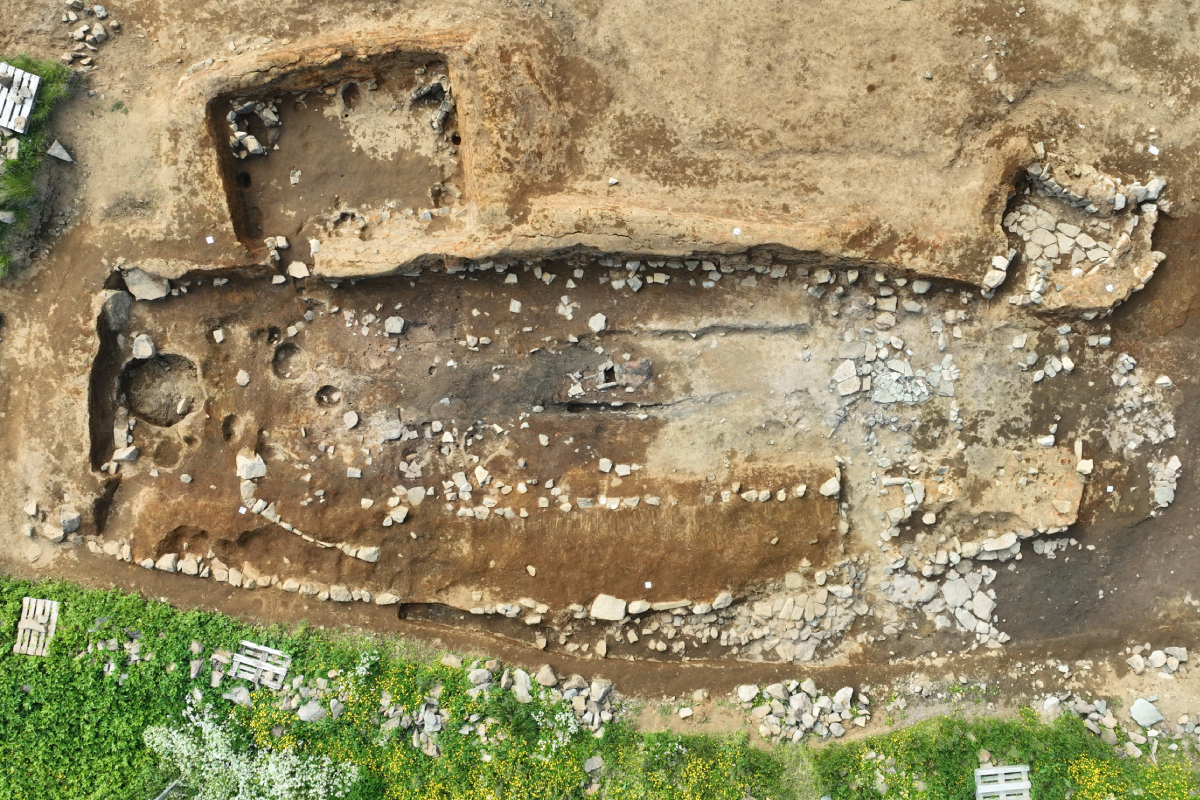
Excavations at Fjörður revealed a Viking Age longhouse, crushed by a 10th-century landslide, with many artifacts left intact. Source: Seydisfjord Archaeological Research
The Fjörður excavation site in Seyðisfjörður, Iceland
Since 2020, an archeological dig has been underway on what is now a farm in Seyðisfjörður in eastern Iceland.
Due to its location on the side of a valley, the dig site is prone to potential landslides, making progress slow and challenging.
However, in the four years since the dig started, archeologists have uncovered a settlement mentioned in the Book of Settlements (Landnámabók), the remains of a boat, a man, a horse, and a spear.
These findings have been dated to the period just after the initial settlement of Iceland, around the mid-10th century.
Yet it was the discovery of a blue, white, and red bead that has proved to be the most controversial find.
The bead's coloring is consistent with the Icelandic national flag (only adopted in 1944), leading some archeologists to speculate that it was manufactured long after the Viking Age.
A definitive answer has not been found, and this colorful bead has sparked considerable debate online and in the academic world.
In August 2024, archeologists uncovered a Viking toy, sparking debate over whether it is a pig, bear, or Icelandic dog, and bringing more attention to the site.
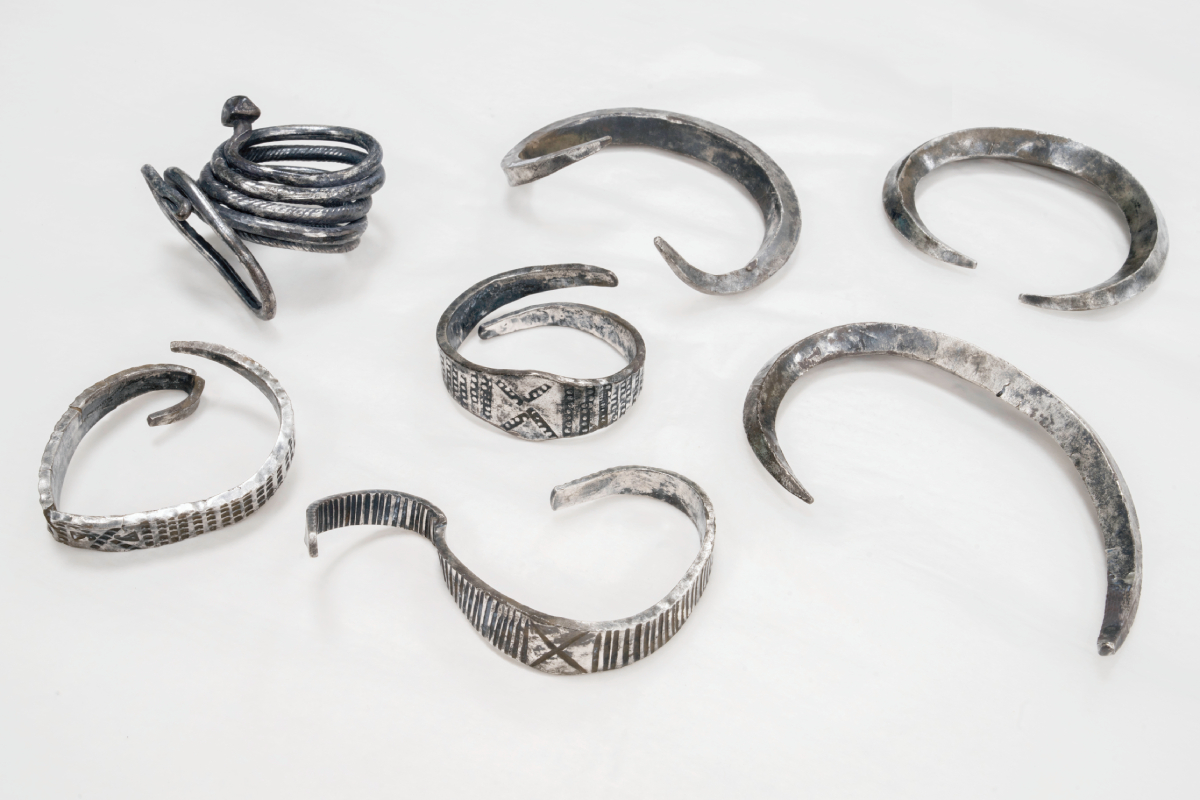
In August 2024, a metal detectorist discovered seven silver amulets from the early 9th century near Aarhus, Denmark. Source: Moesgaard Museum
Metal detectorists strike silver in Aarhus, Denmark
This is very much a dig in progress. In August 2024, a metal detectorist uncovered seven silver amulets, dating to the early 9th century, near the Danish city of Aarhus, which in Viking times was known as Aros.
The amulets display a range of styles, and one is believed to have originated in what is now Ukraine, then part of the Kievan Rus, which was very much within the Viking cultural sphere.
Another of the amulets is believed to have been crafted in England.
Whilst other Danish towns, like Ribe or Jelling, have long-standing archeological and historical links to the Viking Age, the finds in Aarhus suggest that the city was once an important center of trade and culture.
The city already has a museum dedicated to its Viking period, and there is hope that this recent discovery may fuel further excavations and finds.
How can you help?
If any of these exciting archaeological digs have tickled your historical itch, and you want to know how you can contribute, there are a number of ways.
First and foremost, many of these projects have limited financial means. Direct financial contributions and crowdfunding are great ways to ensure that further research continues.
Museums and cultural institutions overseeing the various projects always need an extra dollar or kroner.
You can also lend your support through online advocacy and awareness, often from the comfort of your own home.
Raising awareness of these important archeological projects, as we are doing with this article, can be just as crucial as donating financially. Sharing information on social media can help these projects reach a wider audience.
Finally, if you happen to live near any of these projects, there may be opportunities to volunteer and get your hands dirty. While there may be an application process, once approved, you could be allowed onsite to help dig or catalog items.
We get to provide readers with original coverage thanks to our loyal supporters. Do you enjoy our work? You can become a PATRON here or via our Patreon page. You'll get access to exclusive content and early access.
Feel free to reach out to discuss potential stories that may be in the public interest. You can reach us via email at [email protected] with the understanding that the information you provide might be used in our reporting and stories.