

For centuries, the Norse sagas that dealt with the travels to, and exploits in, a mysterious western land dubbed "Vinland" were regarded with a healthy dose of skepticism.
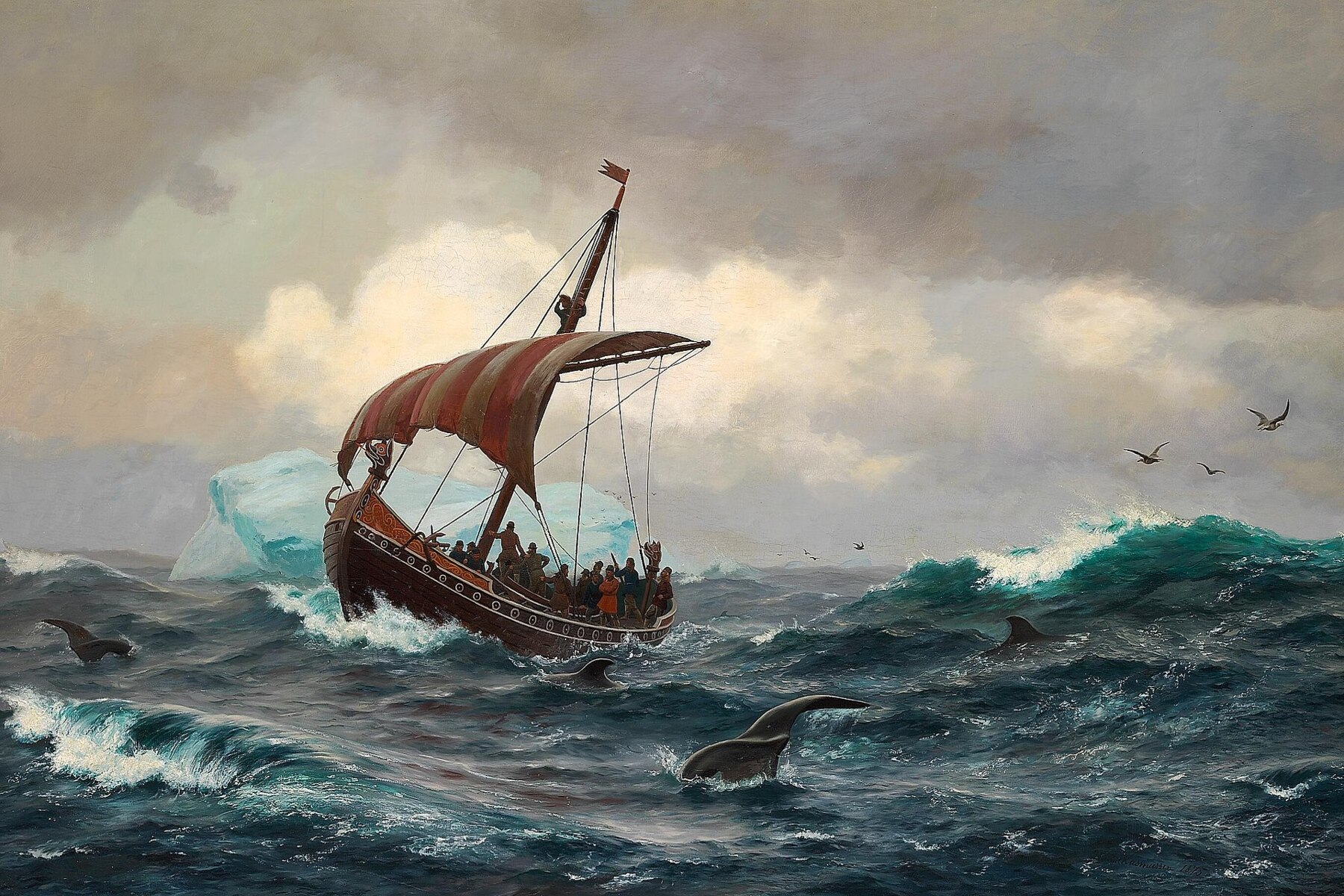
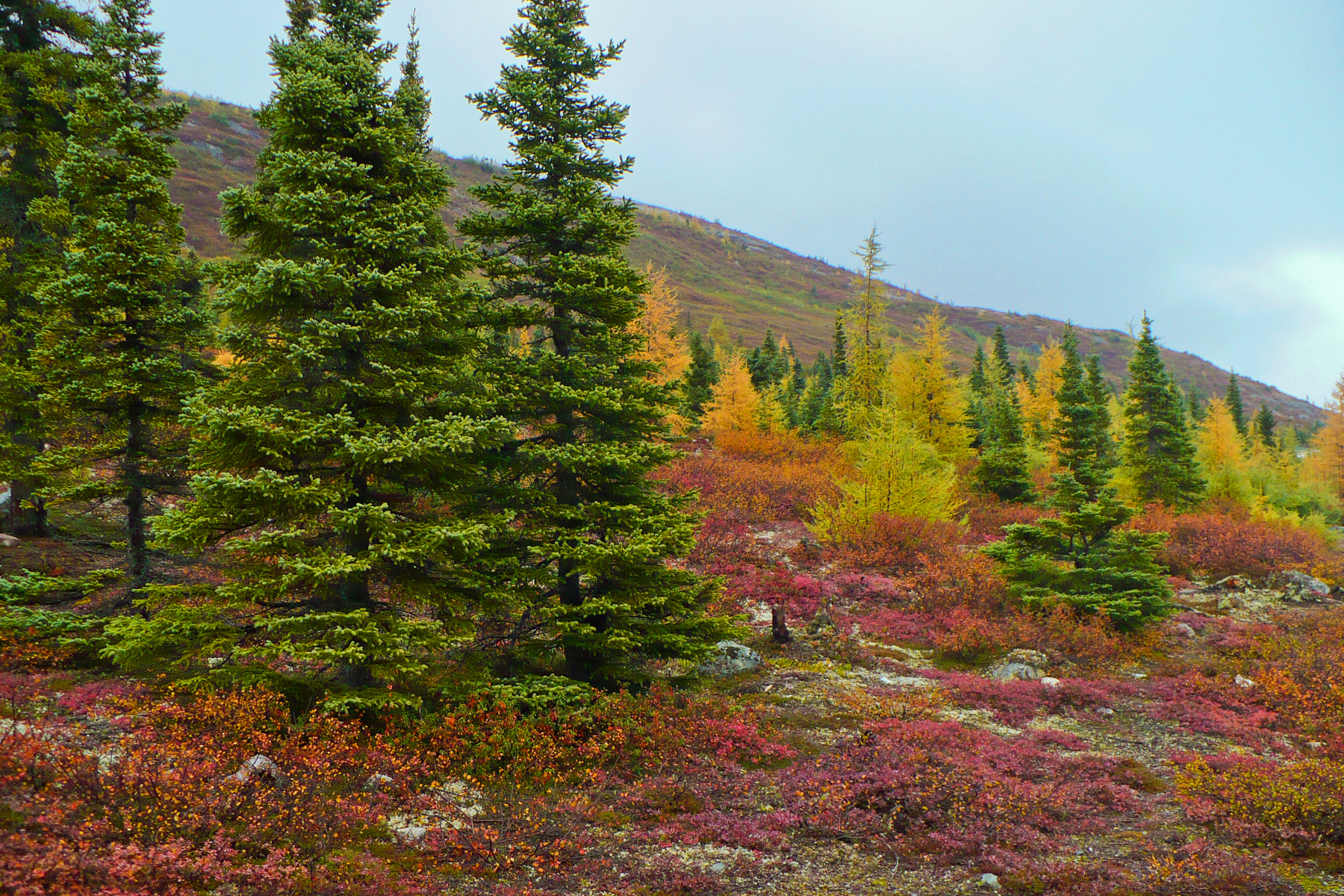
Having expanded outward during the early medieval period, people from Viking societies had sailed westward, settling first in Iceland and then Greenland. Sailing further west from Greenland, they discovered a hitherto "unknown land," settled there, fought the local population, and eventually abandoned life there to head back home further east.
Despite centuries of historical debate about the possibility and probability of the Norse exploration and settlement of North America, it was only relatively recently that this debate was ended, and their voyages of exploration and settlement became archeologically confirmed.
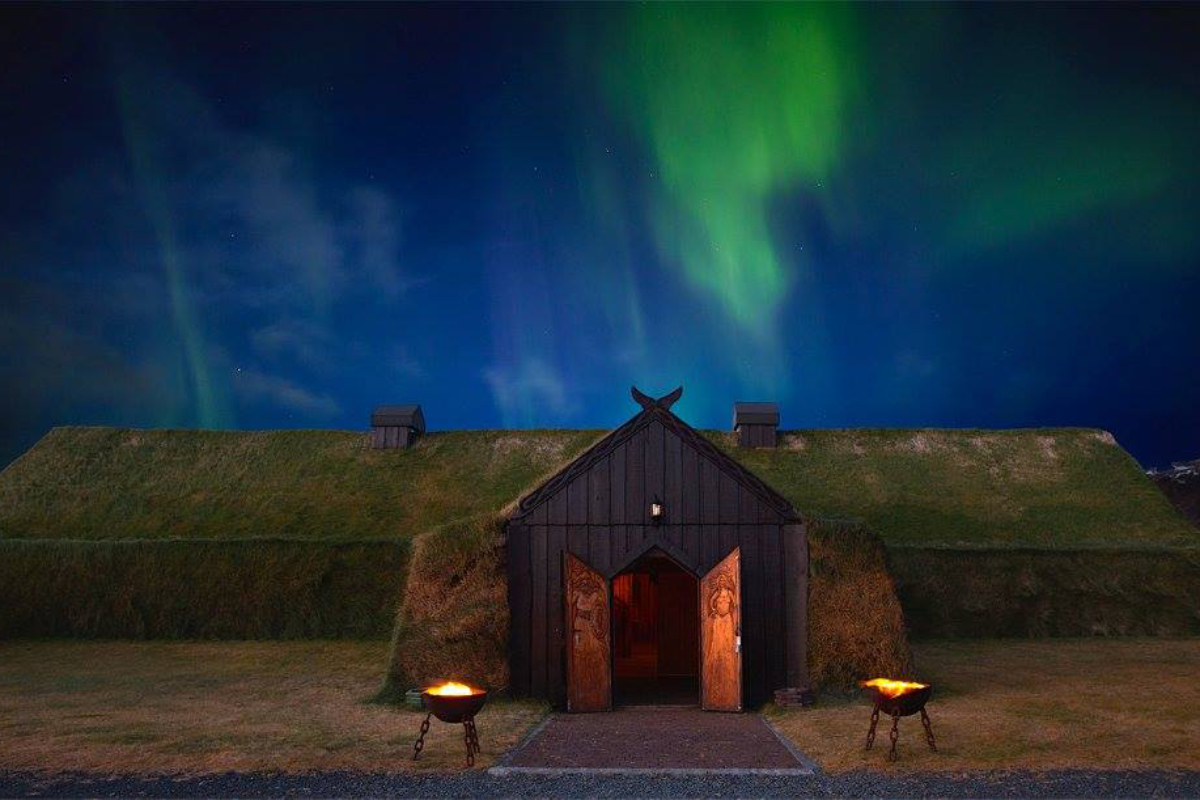
In 1960, a Norwegian husband-and-wife team, the explorer Helge Ingstad and the archeologist Anne Stine Ingstad, found the remains of a Norse settlement at L'Anse aux Meadows, at the northern tip of Newfoundland, a Canadian island. Subsequent dating has placed Norse activity at the site around the turn of the 11th century CE.
Vinland fever
Much to the delight of Norse lovers the world over, the archeological record appeared to back up the Norse literary sources.
Two sagas, written in Iceland in the 13th century CE but thought to contain oral traditions stretching back to the Viking Age (c. 750–1100 CE), contain a potted history of this exploration and settlement, The Saga of Erik the Red and The Saga of the Greenlanders. Each paints a markedly different version of the events of these early medieval voyages of exploration.
These sagas, as Helen Young writes in the chapter "Fantasies of Vinland: Popularising Medieval History" in the 2026 book Popularising the Middle Ages in Modern Fantasy: Neomedievalism, Video Games, and Vikings, are responsible for a sort of "Vinland fever" which "took hold in western nations in the nineteenth century" and "has never subsided."
Read together, they show how historical memory is shaped through oral traditions and values passed down through generations.
PLEASE NOTE: The rest of this article is only available to our paid Patreon subscribers.
The topic was selected by our Patrons in a weekly poll. Support The Viking Herald on Patreon to read the full article and help choose future topics.
If you would like to learn more about Patreon and why we have decided to restrict access to some content, please take a look at this article.
Feel free to reach out to discuss potential stories that may be in the public interest. You can reach us via email at [email protected] with the understanding that the information you provide might be used in our reporting and stories.