

A traditionalist history of the Viking Age portrayed women as mostly having a marginal role in Viking societies—perhaps a little agency in the domestic sphere, but very much on the peripheries of power and politics.
Yet new technology and thinking are helping to unlock the hidden history of Viking women. We look at how and why this is deemed so controversial.
Thank you for the music
If there is one thing we love more than writing about, talking, and breathing all things Viking, it is interacting with you, our loyal fans.
You—yes, you, dear reader—are what makes all of us here at The Viking Herald stay up to ungodly hours scrawling through books on 10th-century runes or typing furiously at our laptops, writing about differences between the Prose and the Poetic Edda.
So, we were, of course, delighted when not just a loyal fan but also a Patron supporting our mission on Patreon, AWarriorsSpirit, reached out to us.
They wanted some sort of comment or reaction to a recent National Geographic article—available here to read—that says new scientific discoveries are helping to reshape our understanding of women during the Viking Age.
The article mentions in detail the story of grave Bj 581 found in Birka, Sweden.
Now, this former Viking trading town—Sweden's oldest—is nowadays a popular tourist destination, thanks in part to its UNESCO World Heritage status.
But don't let the hordes of hoi polloi fool you—this is one of the most important archeological sites in the study of Viking history.
For years, the skeleton found in Bj 581 was believed to have been a warrior, but a 2017 article highlighted that, after scientific analysis, the remains were female.
With the presence of grave goods, including a sword, an axe, and a spear, many then claimed that this was finally archeological evidence of a female warrior—perhaps even a shield-maiden ripped straight from the sagas.
So then, is science really helping to uncover the hidden female history of the Viking Age? Or has the study of Viking history just become the latest battleground in the ongoing culture wars?
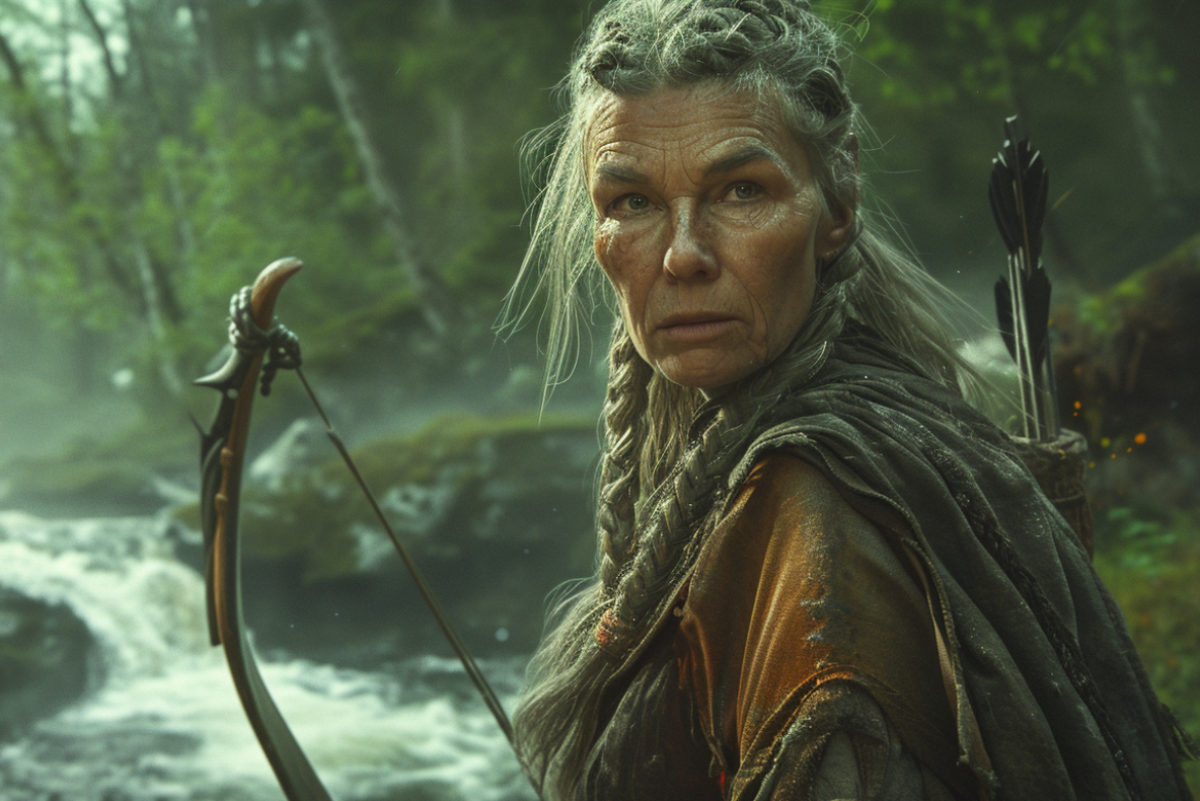
The rediscovery of women's contributions to Viking history has stirred both admiration and outrage. Illustration: The Viking Herald
Traditional history, traditional roles?
The traditional history of women in the Viking Age gives them limited agency and power.
Viking societies were highly patriarchal and fueled by a machismo warrior ethos that pervaded every aspect of life. Men were warriors and leaders, and women were, at best, relegated to the domestic sphere.
The maintenance of a house or farm, as well as the next generation of Vikings, was about the only role that historians, from the medieval to the modern, would present women as having.
Up until the mid-20th century, history was very much a male-dominated game, and little time was spent on the study of the female plight during the early medieval period.
From the mid-20th century onwards, a whole new generation of academics and scholars began to chip away at this very masculine-focused study of Viking history.
The role of women—thought to be, at best, marginal—was brought into the spotlight by new thinkers like Judith Jesch.
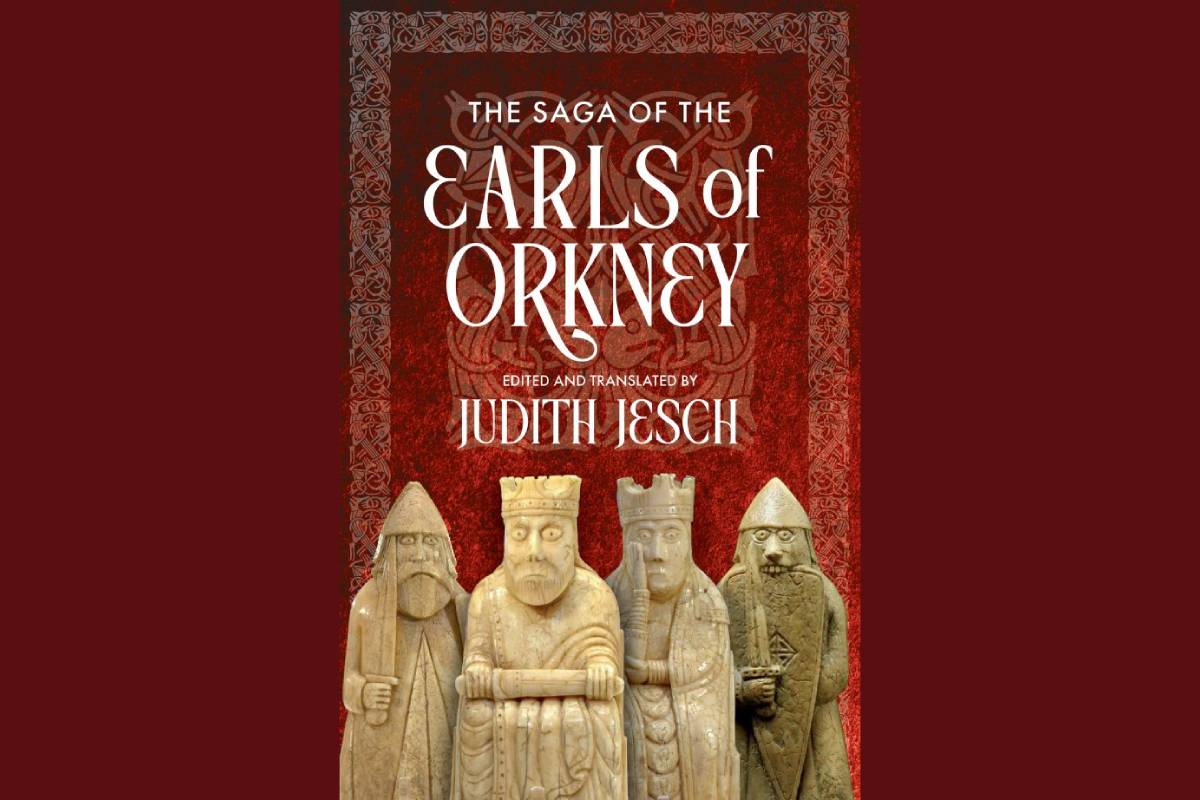
Her seminal tome, Women in the Viking Age (available on Amazon here), showed that women were not just confined to the household but could also be traders, settlers, and farmers.
Michèle Hayeur Smith, in her 2014 article in the journal World Archaeology, goes further and says that Viking women had "critical economic roles."
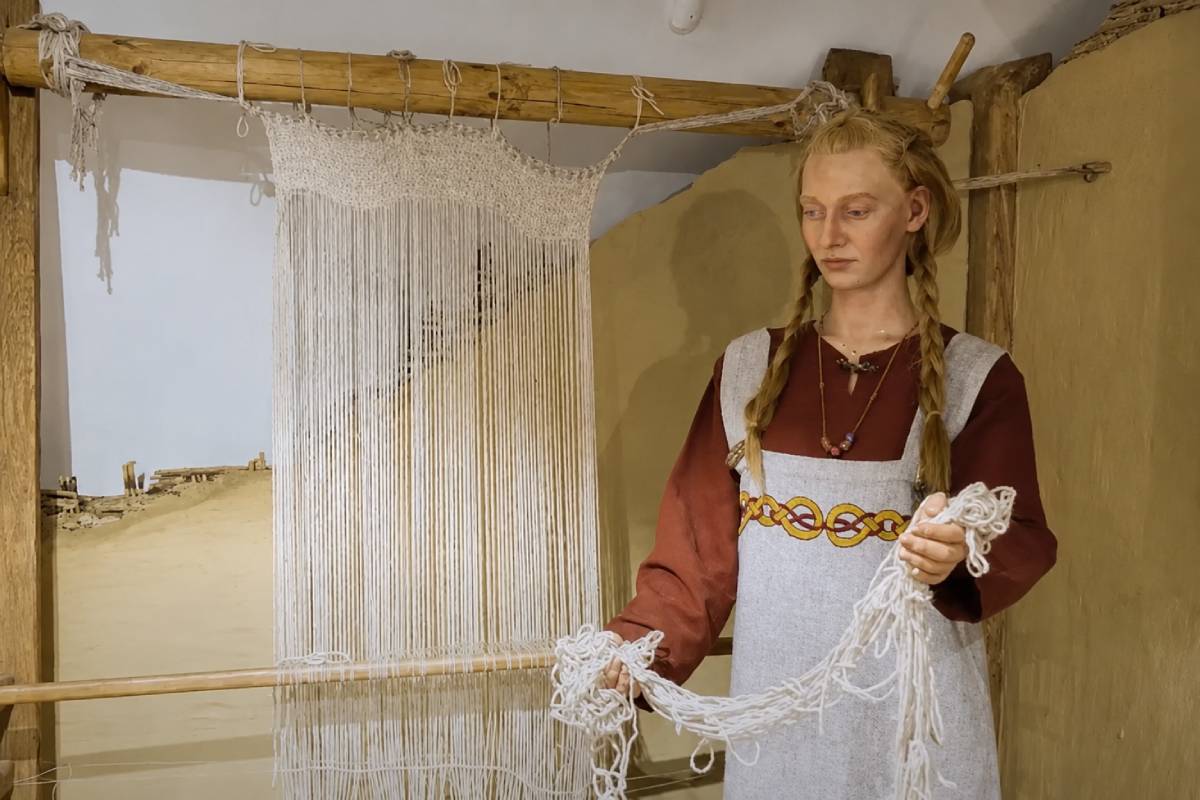
Archeological evidence of this economic power has been uncovered by, for example, a wealth of high-quality textiles. This seems to suggest a small number of women merchants and artisans.
Furthermore, being the head of any household meant that women had to run a household effectively—and sometimes a large farm—which required a degree of sophisticated economic and logistical management and skill whilst their husbands were away raiding or trading.
So, despite the centuries of marginalization and silence, women's voices from the Viking Age are slowly being heard again in recent times.
Looking back, one can understand how ridiculous it was that it took so long for serious academic analysis and focus on 50% of the population!
- READ MORE: Five Viking queens who shaped history
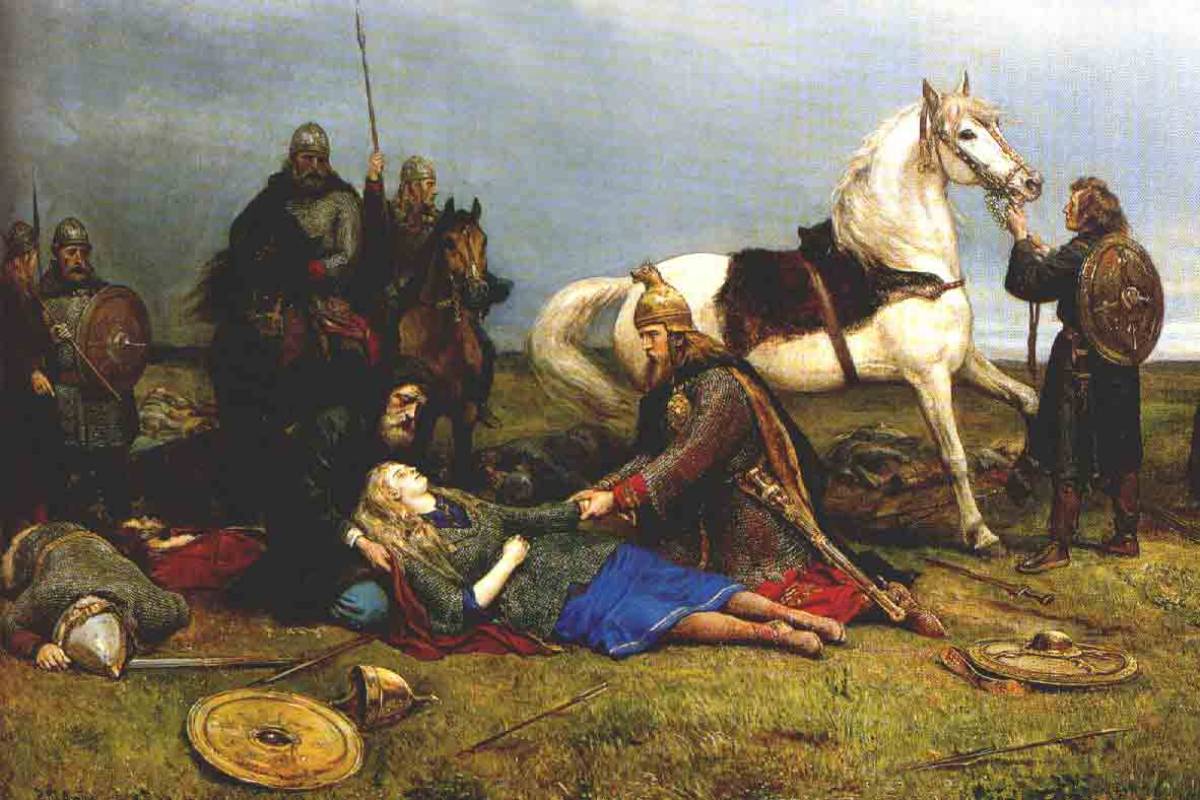
The painting shows Hervor, a shieldmaiden from Norse legend, lying dead after leading her warriors in a final stand. Author: Peter Nicolai Arbo (1831–1892)
The grave at Birka and recent interpretations
This sudden broadening of Viking history, highlighting previously little-studied or marginalized areas (like the plight of women during the almost three centuries that Vikings roamed), is perhaps part of the reason for the focus of an article and a short documentary by National Geographic.
Whatever certain online trolls say, there is nothing "woke" about analyzing and discussing women in the Viking Age, nor is it a recent concept.
The seminal tome written by Jesch, previously mentioned, was published over a generation ago, back in 1991. That book is now almost as old as the current author (give or take four years—but who is counting)... seemingly ancient indeed!
Much of the article, however, focuses on the heated issue of whether women were Viking warriors.
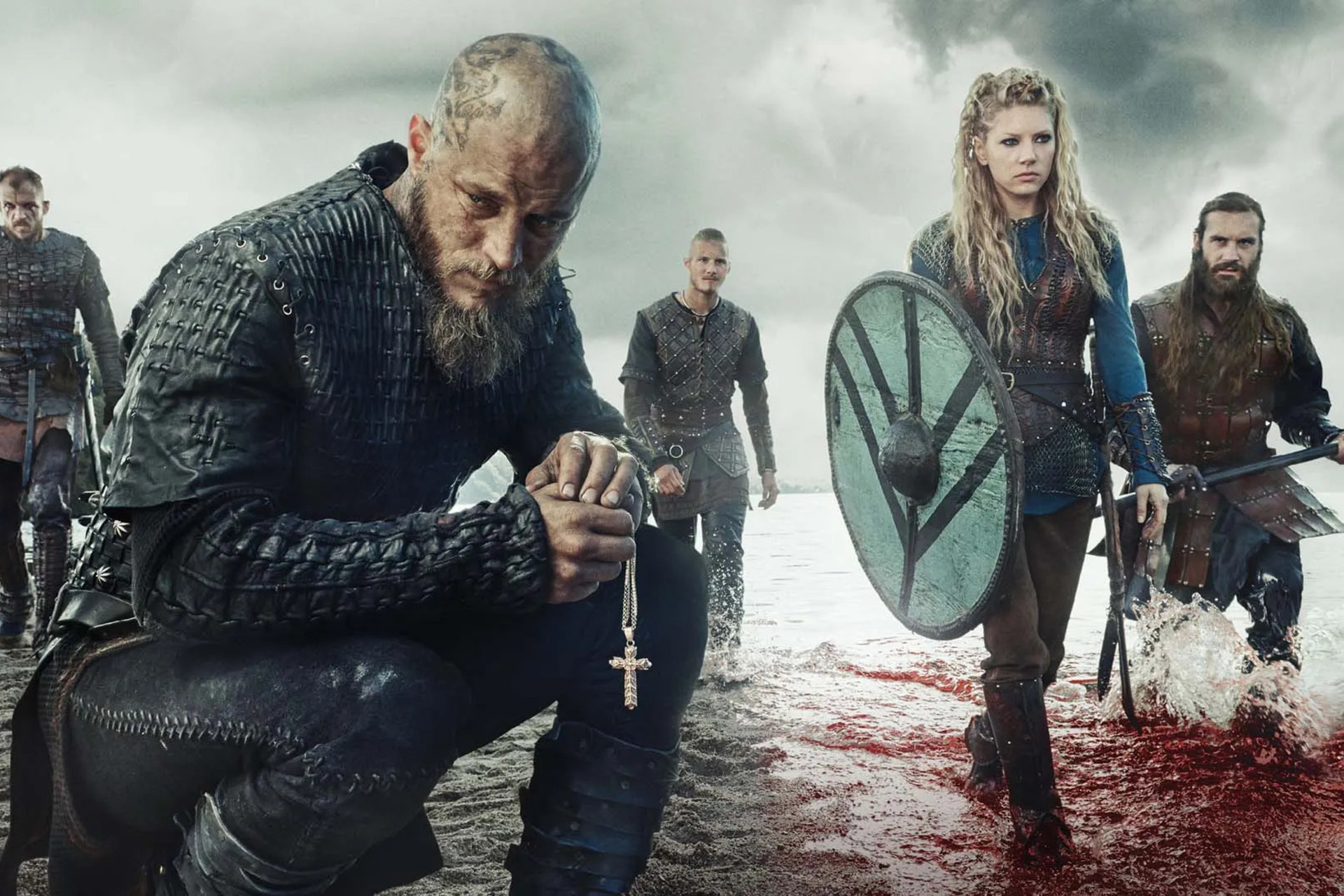
The mighty shield-maidens—think Lagertha in the popular series Vikings (based upon a legendary warrior in the Norse sagas)—were believed to be a thing of the medieval literary imagination.
The article does mention a 2017 study that confirmed, from a genomic point of view, that the skeleton in the grave was female.
Yet there is an ongoing debate about whether this proves that the female buried in that grave was a warrior.
Some argue that whilst there are grave goods associated with a warrior—tools of war—that doesn't necessarily mean the woman buried there used them.
Perhaps a male body had been moved at some point after burial but before the recent archeological excavations.
In this author's opinion, that is, clutching at historical straws—not impossible, but highly unlikely. Would the same assumption be made if the skeleton were a man? I doubt it.
We will never know if this female skeleton was a warrior, but the archeological evidence and scientific analysis seem to point in that direction.
Quite what kind of warrior she was—was she a respected leader or just a mere "foot soldier" type—we will never know.
Did she kill? Did she campaign and go away on raids with other male warriors? Again, the answers to these questions are lost in the tides of history.

Reenactment-style portrayal of the woman in grave Bj 581, modeled on the contents of her Birka grave. Source: Tallee Savage
Keyboard warriors
Perhaps it is the creeping presence of gray in this author's hair (seemingly increasing daily) that is leading to a growing annoyance with contemporary society—but the toxic culture wars, where the left and right battle it out every day on a myriad of topics including unisex toilets and the casting of Disney movies, must stop.
The issue of whether female Viking warriors—something like the shield-maidens of legend and lore—truly existed is a hotly debated topic, but it should not become a toxic one.
Looking at some of the Facebook comments on the National Geographic Facebook post, sharing the article is depressing enough.
"Lmao no sorry. Girl boss Vikings didn't exist. Reality isn't Netflix..." claims one keyboard warrior. Meanwhile, another decries, "All these sad, bitter men commenting on this post."
The keyboard warriors have assembled, and the presence—or lack thereof—of female warriors during the Viking Age seems to be another battleground in the culture wars.
One can only imagine what the woman buried in Bj 581 would think: that more than a millennium after her death, she would become a symbol of vitriol and hatred for some and empowerment for others.
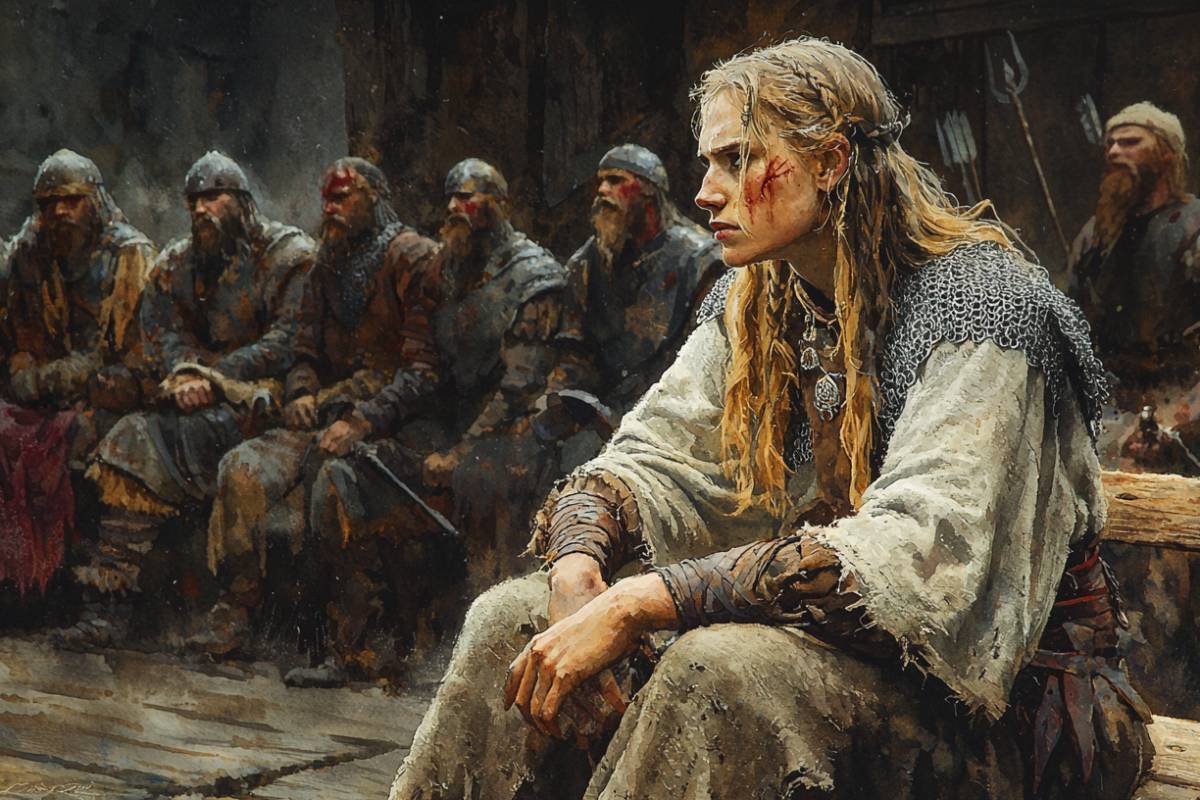
The idea of female Viking warriors no longer belongs to legend alone but to a growing body of research and reflection. Source: The Viking Herald
History should unite, not divide
The recent National Geographic article on the "hidden" history of women during the Viking Age is part of an ongoing trend—in academia as in popular culture—to highlight once-marginalized voices.
We will never know for sure whether the woman buried in grave Bj 581 was a warrior, but the current academic consensus seems to point to that possibility.
Whilst this may be deemed a controversial possibility, we know that Viking Age history is full of logic-defying adventures, exploits, and personal stories.
Quite how people on the fringes of the known world came to dominate a huge chunk of Europe and its surrounds for centuries is as miraculous as it is seemingly incredulous.
Could female warriors have been part of this story? According to National Geographic, more than probably—and why not?
Remember, it was once thought to be just tall tales in the Norse sagas that Vikings reached North America.
More evidence of female Viking warriors may yet be uncovered in the years ahead. In the meantime, all you keyboard warriors, please take a deep breath.
History isn't supposed to divide; it is supposed to unite. It is, after all, the story of our ancestors—even if your great-great-great-great-great-great-great-great-grandmother was a female Viking warrior or not.
For more information on the discovery of the grave of another possible female Viking warrior, visit the Smithsonian Magazine here.
We get to provide readers with original coverage thanks to our loyal supporters. Do you enjoy our work? You can become a PATRON here or via our Patreon page. You'll get access to exclusive content and early access.
Feel free to reach out to discuss potential stories that may be in the public interest. You can reach us via email at [email protected] with the understanding that the information you provide might be used in our reporting and stories.