

The Institute for Northern Studies of the University of the Highlands and Islands in Scotland has announced the arrival of Judith Jesch as visiting professor.
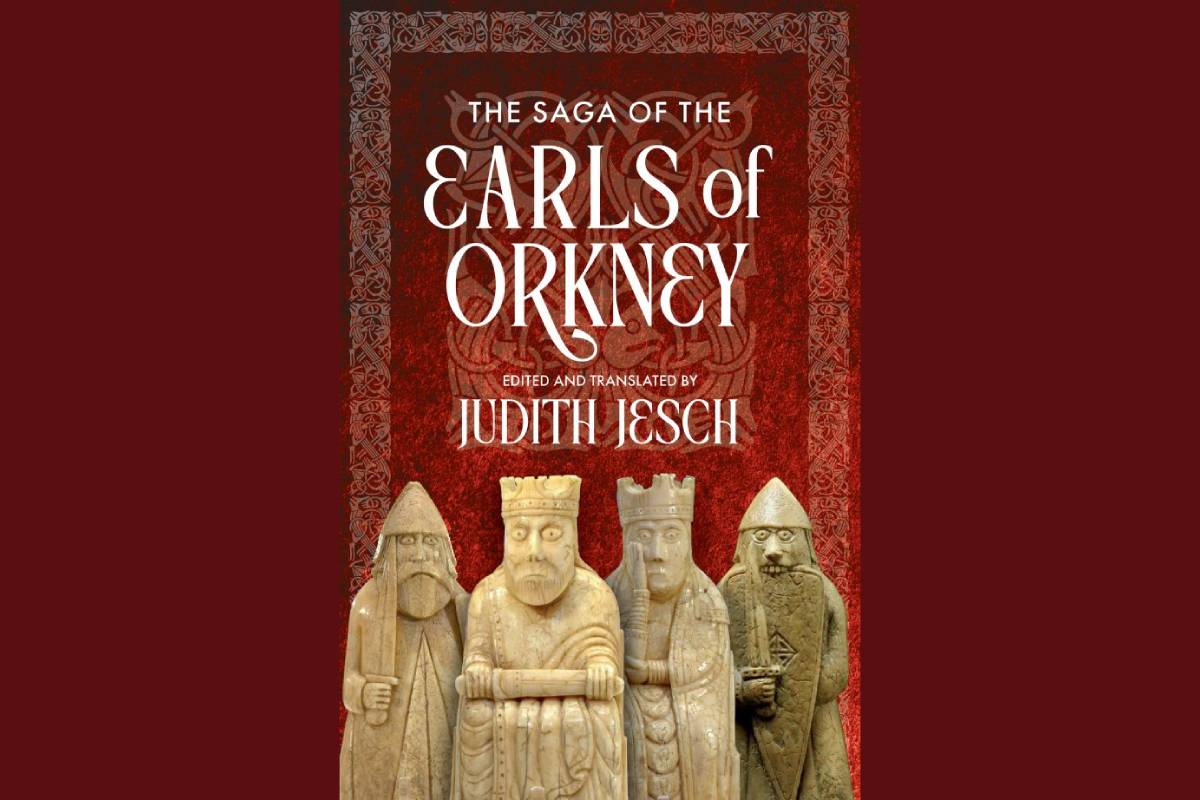
The expert in Viking Age studies has just released a new translation of the Orkneyinga Saga, which narrates the Viking Age history of the Orkney and Shetland Islands.
Access to history
Originally written in Old Norse, the Orkneyinga Saga narrates the history of the earls of Orkney during the first centuries of Norse occupation. In particular, the saga examines the links and interactions of the two archipelagos of Orkney and Shetland with Norway and the Scottish mainland.
Covering approximately 300 years of history, the saga offers a compelling tale of the adventures, feuds, and battles of the era.
Although the account was written down in the 13th century, some time after many of the events it describes, the Orkneyinga Saga still serves as a crucial document in our understanding of the history of Orkney during the Viking Age. Unfortunately, however, the saga has not always been widely read, in part due to the difficult nature of the text.
Published by Birlinn Ltd, the new version, The Saga of the Earls of Orkney, offers a modern translation of the saga by Judith Jesch.
Professor Jesch is a renowned scholar of Old Norse language and literature and the Viking Age. Her new translation of the saga is the culmination of several years of work.
It is hoped the new edition will help make the Orkneyinga Saga more accessible for any readers interested in learning more about the Viking history of the Orkney Islands.

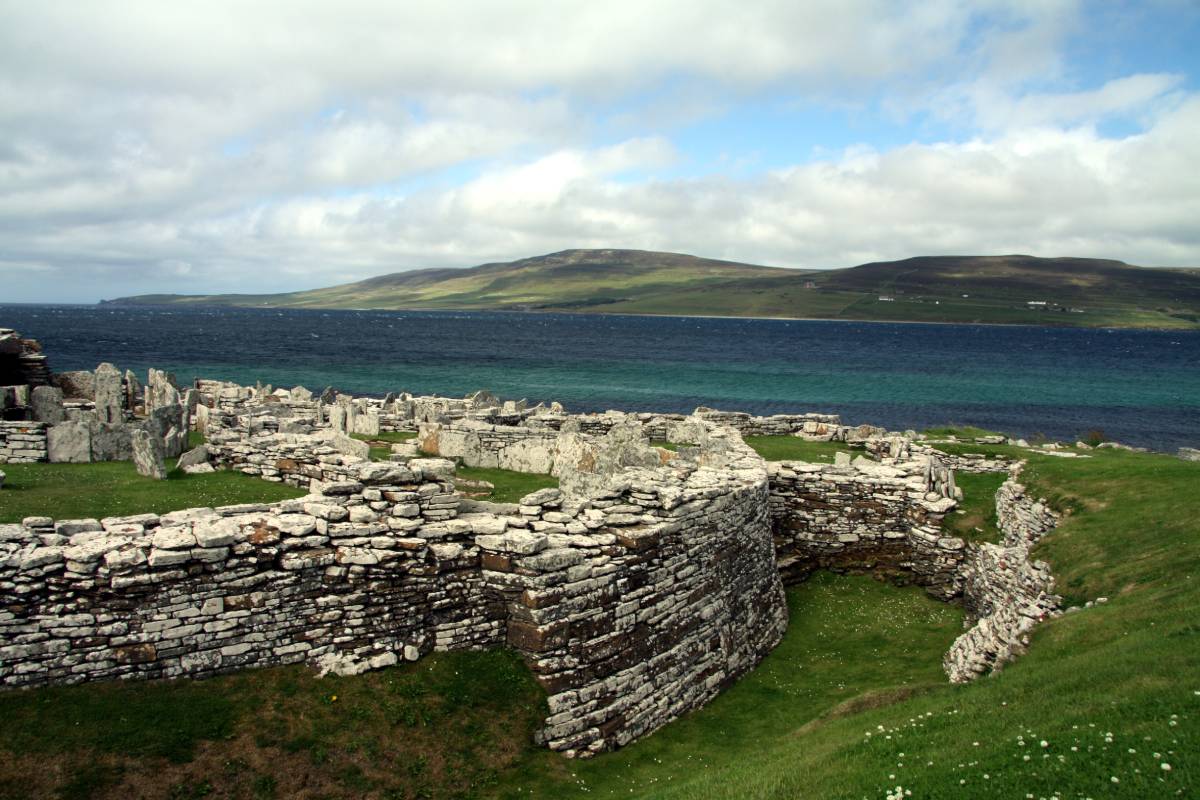
Orkney lies off the north coast of Scotland and consists of about seventy islands. Photo: Claire Pegrum (CC BY-SA 2.0)
The integration of culture
The Orkney archipelago, which lies just off the north coast of Scotland, consists of a total of 70 islands.
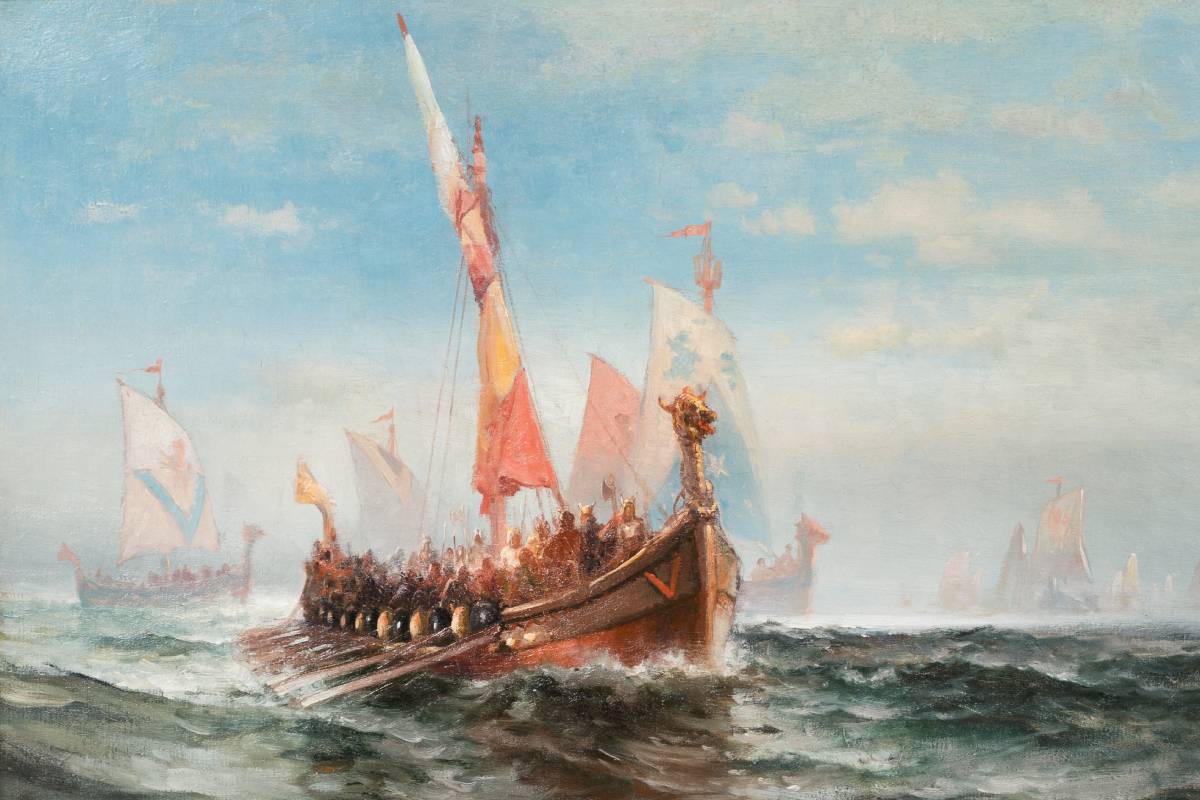
Although it was inhabited by the Picts for many hundreds of years, the Norse began raiding its shores in the late 8th century.
In 875, the Norwegian king Harald Fairhair annexed both Orkney and the Shetland Isles – at least according to the Orkneyinga Saga – though some scholars have argued that it was actually Magnus Barefoot who took full control of the two archipelagos.
What is certain, however, is that the Norse began to exert a controlling influence throughout the archipelago at this time, and most of the earls of Orkney were of Norse descent.
Leaders such as Sigurd the Mighty also went on to mount campaigns of conquest in mainland Scotland and beyond.
Unlike in England, for example, the Viking influence never really waned in Orkney. Over time, the two cultures became ever more closely integrated.
A new language also emerged in this period, Norn, which descended from the Old Norse spoken in the Orkney and Shetland Islands. Although the language has now been lost, its influence can still be seen in the vocabulary and grammar of the local Scots dialect.
Despite elements of myth and legend, the Orkneyinga Saga paints a fascinating picture of this meeting of cultures.
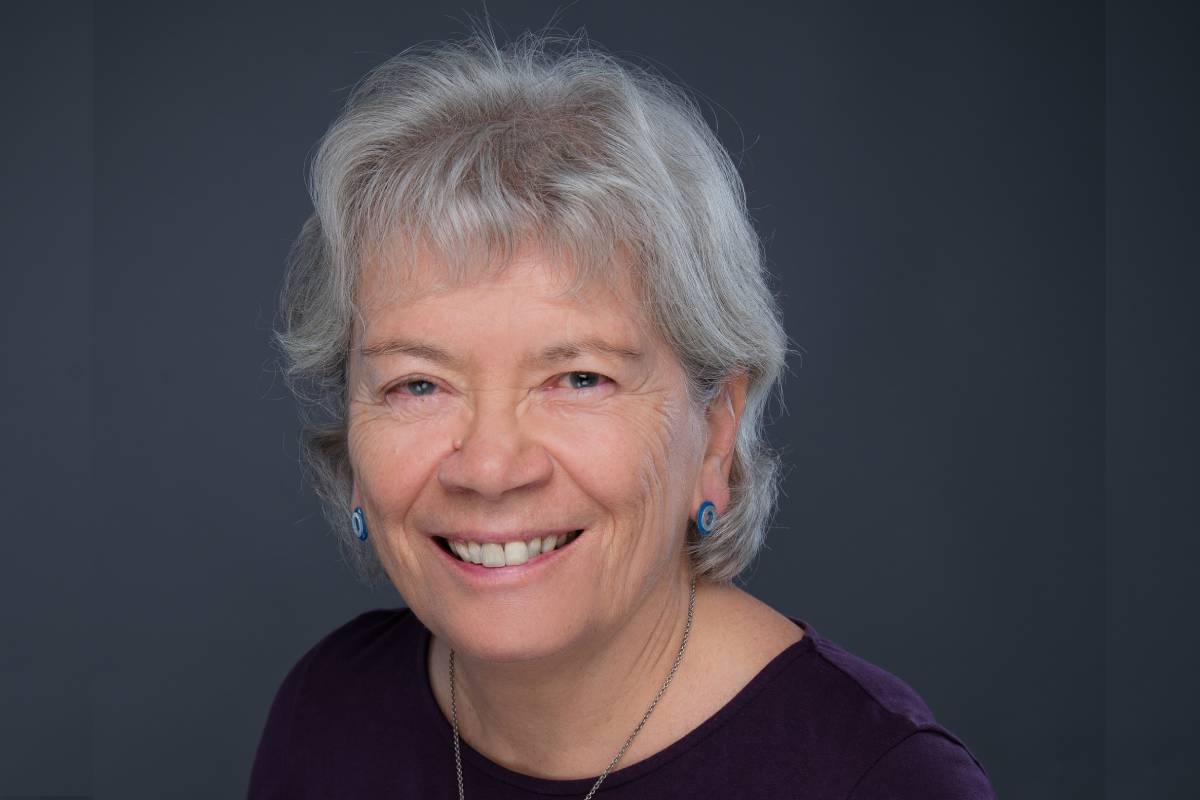
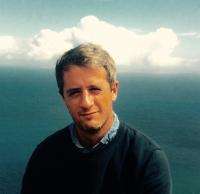
Judith Jesch is a widely recognized authority on Old Norse language, literature, and Viking Age history. Photo: UHI / Institute for Northern Studies
A new position
It is these kinds of links that Professor Jesch will be hoping to explore in her new position at the University of the Highlands and Islands.
The arrival of Jesch, who has established a reputation as an important voice in Viking Age studies, is a major coup for the university.
The university's Institute for Northern Studies has instigated a number of exciting projects related to the Viking Age in recent years, including investigations into Norse navigation in western Scotland and immigration flows during the Viking Age.
It is hoped that Professor Jesch will be able to work on comparable projects in the future.
"I have followed with interest the work of UHI's Institute for Northern Studies since it began as a Centre for Nordic Studies in 2007 and have been lucky enough to attend several of its annual conferences," Professor Jesch commented in a press release.
"The institute does important work on the history, culture, and heritage of the northern parts of Scotland and, especially interesting to me, on their Scandinavian links."
"The institute's international reach through its track record of remote teaching and online seminars is an attractive aspect of its work, and it is a privilege to become more involved in this as visiting professor."
We get to provide readers with original coverage thanks to our loyal supporters. Do you enjoy our work? You can become a PATRON here or via our Patreon page. You'll get access to exclusive content and early access.
Feel free to reach out to discuss potential stories that may be in the public interest. You can reach us via email at [email protected] with the understanding that the information you provide might be used in our reporting and stories.